The Week The Week
flag of US
US
flag of UK
UK
https://cdn.mos.cms.futurecdn.net/flexiimages/jacafc5zvs1692883516.jpg

SUBSCRIBE & SAVE

Less than $3 per week

Sign in
  • View Profile
  • Sign out
  • The Explainer
  • The Week Recommends
  • Newsletters
  • Cartoons
  • From the Magazine
  • The Week Junior
  • Student Offers
  • More
    • Politics
    • World News
    • Business
    • Health
    • Science
    • Food & Drink
    • Travel
    • Culture
    • History
    • Personal Finance
    • Puzzles
    • Photos
    • The Blend
    • All Categories
  • Newsletter sign up Newsletter
  • The Week Evening Review
    Ten years of Brexit, Burnham’s potential team, and England’s ‘high expectations’

     
    TODAY’S BIG QUESTION

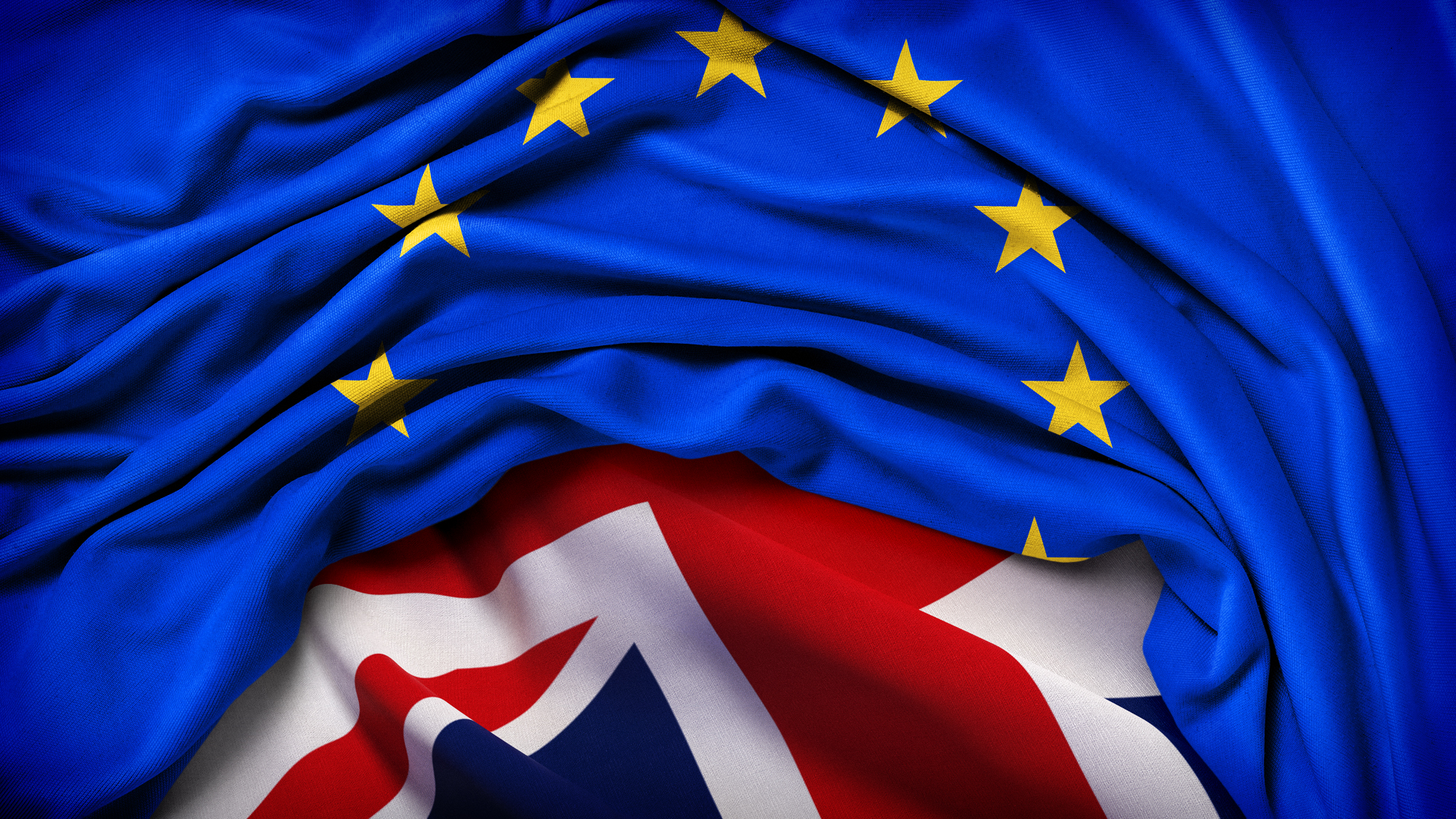
    How has Brexit changed Britain?

    Ever since Britain voted to leave the EU, “Westminster has been in a state of almost constant upheaval”, said Tom McTague in The Times. Six different prime ministers have struggled to deal with the realities of Brexit, in what has been “quite comfortably, the worst period of governance in Britain’s modern democratic history”.

    What did the commentators say?
    “Life in Brexit Britain is simply harder,” said The Economist. Since leaving the EU, we have “mostly failed to pursue the radical deregulation that small-state Brexiteers promised”. Many European rules have “stayed on the books”, including restrictions on Britons’ working hours. Some estimates put the GDP-per-person “damage from Brexit” as high as 8%.

    A decent proportion of Starmer’s “nugatory” achievements in office “simply would not have been possible if we had stayed in the EU”, said Tory peer and Brexit campaigner Michael Gove in The Spectator. A steel tariff package, a cut in tariffs on “more than 100 foodstuffs”, trade deals with the US and India – not to mention the world’s fastest Covid vaccine rollout and gaining a “decisive edge in AI” – were all secured by “our Brexit freedoms”. People say Brexit is “tawdry and compromised” but “we have taken back control”.

    After sending “shockwaves across the world”, Brexit has “normalised and mainstreamed populist discourse” and contributed to “the erosion of the two traditional parties”, said Laëtitia Langlois, a French lecturer in British political studies, on The Conversation. Divisions exposed by the referendum “created the conditions for culture wars” that map less easily onto conventional party politics and “continue to tear British society apart”.

    What next?
    The UK “needs to move on from Brexit”, said the Financial Times. But that doesn’t mean we should “ignore its consequences”. The best way to proceed is to move closer to the EU, stopping “short of rejoining”, through an “evolving, bespoke arrangement”. We cannot “rewind the clock” but we “can, and should, seek to regain more” of what we have lost.

    The balance of opinion has certainly “shifted” against Leave since 2016, said Sunder Katwala in The Independent. But Britain faces “years of negotiation about how to have a closer relationship” with the EU again. Let us hope we can find “common ground”, instead of gearing up for “another uncivil war between our new post-Brexit tribes”.


    THE EXPLAINER

    The main players in an Andy Burnham government

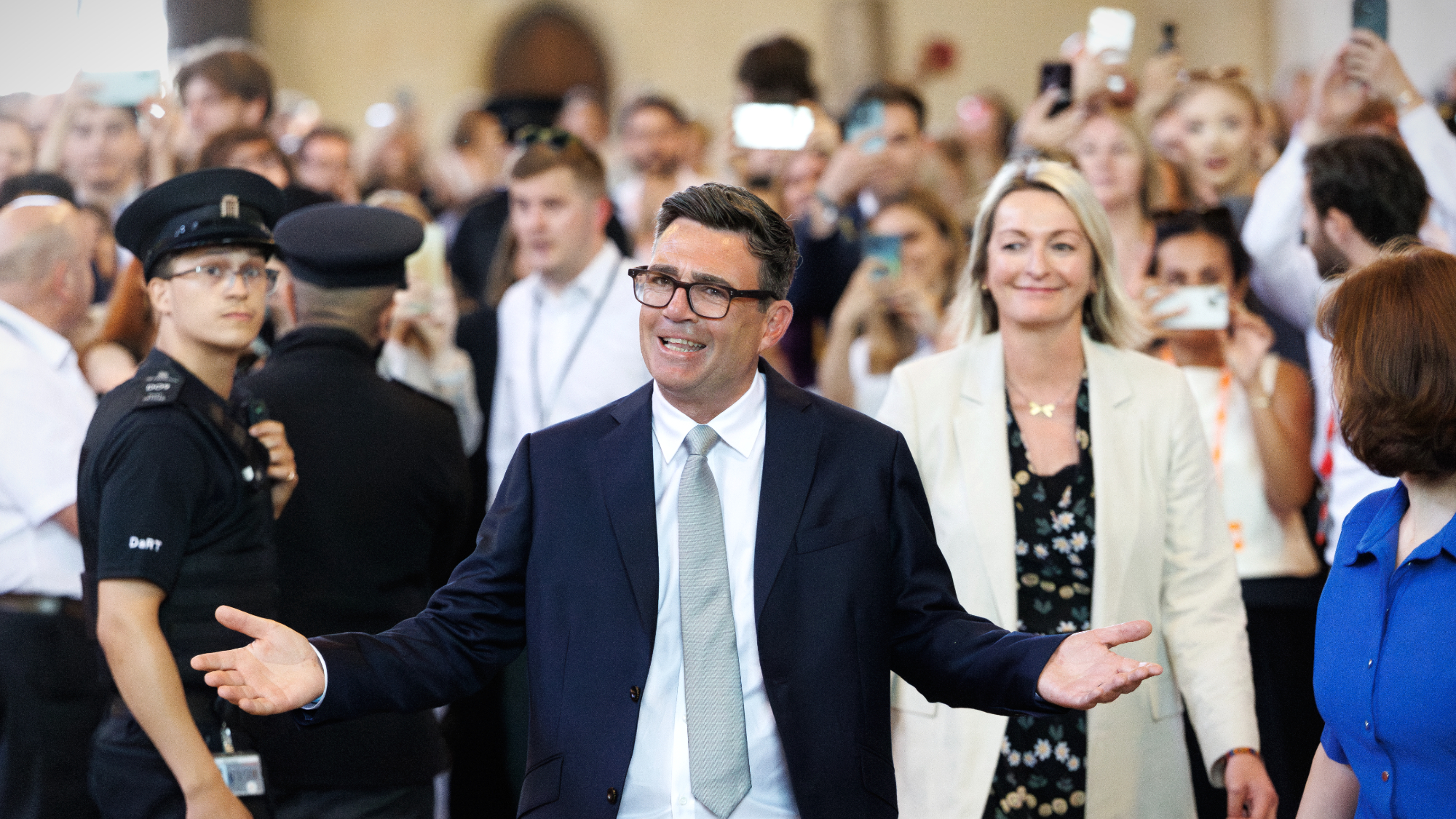
    Andy Burnham appears to be heading to No. 10 unopposed following Keir Starmer’s resignation and his main leadership rival’s decision to bow out of any contest for the top job. Attention is already turning to who the key players could be in a Burnham government.

    Ed Miliband
    The energy secretary and former Labour leader has long coveted the role of chancellor and was widely seen as the front runner to replace Rachel Reeves. He has been a “key champion of Burnham”, said The Guardian, and shares his “desire for Labour to enact more radical change, from tax overhaul to public control of utilities”. But Miliband’s strict adherence to net zero commitments has made him increasingly unpopular.

    Wes Streeting
    Former leadership rival Streeting, who resigned as health secretary last month, has withdrawn from the contest and decided to back Burnham. One of Labour’s best communicators, with a compelling personal story, but hailing from the right of the party, Streeting’s appointment to a top job could “align the competing wings”, City A.M. said.

    Louise Haigh
    The former transport secretary was forced to quit just months after Labour took office in 2024 over a prior fraud conviction, but has now emerged as a “crucial power broker” for the party’s “soft left”, said the BBC. She was “at the heart of the huge rebellion which scuppered the government’s welfare cuts in 2025”, led Burnham’s Makerfield by-election campaign and is “in line for a big cabinet job”.

    Miatta Fahnbulleh
    The MP for Peckham is a “rising star” and has been one of Burnham’s most vocal supporters, City A.M. said. A former civil servant who ran the left-wing New Economics Foundation think tank, Fahnbulleh resigned as a junior minister for communities in the aftermath of the May local elections. Hailing from the Labour left, she has “thrown her weight behind a number of highly controversial economic policies including imposing a wealth tax”.

    Anneliese Midgley
    Midgley was elected MP for Knowsley, near Makerfield, in 2024 but has been an “influential force in the Labour movement for much longer than that”, said the BBC. She worked for both Starmer and Jeremy Corbyn in opposition, and before that at the Trades Union Congress and Unite. She is seen as a “plausible candidate” for chief whip or even political secretary in Downing Street.


    QUOTE OF THE DAY

    “It’s not for me to prove I’m not the Godfather, it’s for them to prove I’m the Godfather.”

    Albania’s Prime Minister Edi Rama challenges anti-corruption protesters staging mass demonstrations over a planned $4 billion resort backed by Donald Trump’s son-in-law Jared Kushner. “People say that I am the leader of all this,” Rama told the Financial Times. “I tell them fuck you.” 


    Poll watch

    The British public is more disappointed than angry with Keir Starmer, according to a YouGov survey for Sky News. Among the 2,099 adults polled, the most prevalent feelings towards the outgoing PM were “disappointment” (56%), “frustration” (45%), “anger” (26%) and “sympathy” (19%). 


    TALKING POINT

    The arrogance of ‘football’s coming home’

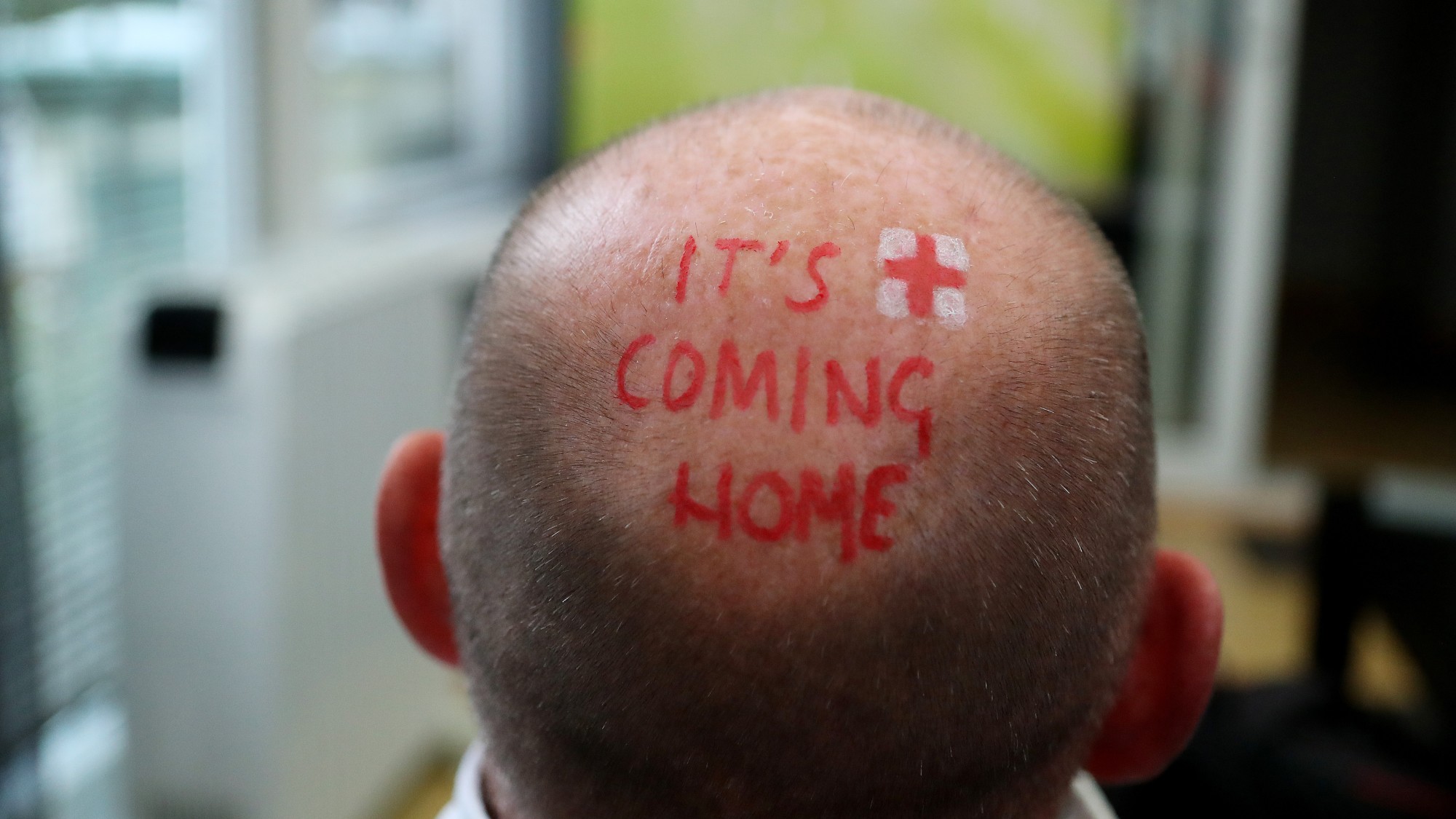
    Three decades after Frank Skinner, David Baddiel and the Lightning Seeds first sang that football was “coming home”, the lyrics are being belted out again during the World Cup. But some argue it’s wrong to claim that England is the home of football.

    Dutch footballing legend Ruud Gullit has dismissed the “Three Lions (Football’s Coming Home)” song as “arrogant”, saying England does not “own football”. Likewise, the “English football public has a certain reputation globally”, said The Athletic. “There is an assumption of arrogance, of high expectations, of going into every major tournament presuming their team will win it.”

    ‘Scotch professors’
    A group of 19th-century footballers known as the “Scotch professors” pioneered the modern passing game, Hamish Husband, from Scottish football magazine Tartan Army, told Sky News. Their new tactics were adopted by Scotland before spreading across Europe and other continents.

    A letter written by Reverend Samuel Rutherford in the 1600s “holds the key to Scotland’s claim”, said Tom Burrows on BBC Newsround. He complained about people who gathered to play football on Sunday afternoons near his Anwoth Kirk. The church can “reasonably claim to be the earliest” site of a game of football, said William Wyeth, a curator of history at English Heritage. Bolstering the Scottish claims, archaeologists doing building works at Stirling Castle found a football behind a wood panel built in the 1540s. 

    But others say the roots of the beautiful game may stretch back much further. More than 2,500 years ago, the Chinese played “tsu chu”, or “kickball”.

    ‘Past glories and melancholy’
     Wherever football began, England’s “coming home” lyrics may be regarded as a statement that the nation’s fans “view winning as the rightful outcome, and that anyone else winning is somehow wrong”, said The Athletic. But the fans “simply do not see the song that way”.

    “The whole point of it is looking back on past glories and melancholy,” one told the outlet. “It’s not a triumphant song at all.”


    Good day 🌳

    … for rainforests, after a long-awaited UK ban on the sale of products linked to illegal deforestation was announced by the government. Under the planned legislation, retailers will be legally required to ensure that supply chains for commodities such as soy, palm oil and cocoa are not contributing to unlawful land clearance. 


    Bad day 💻

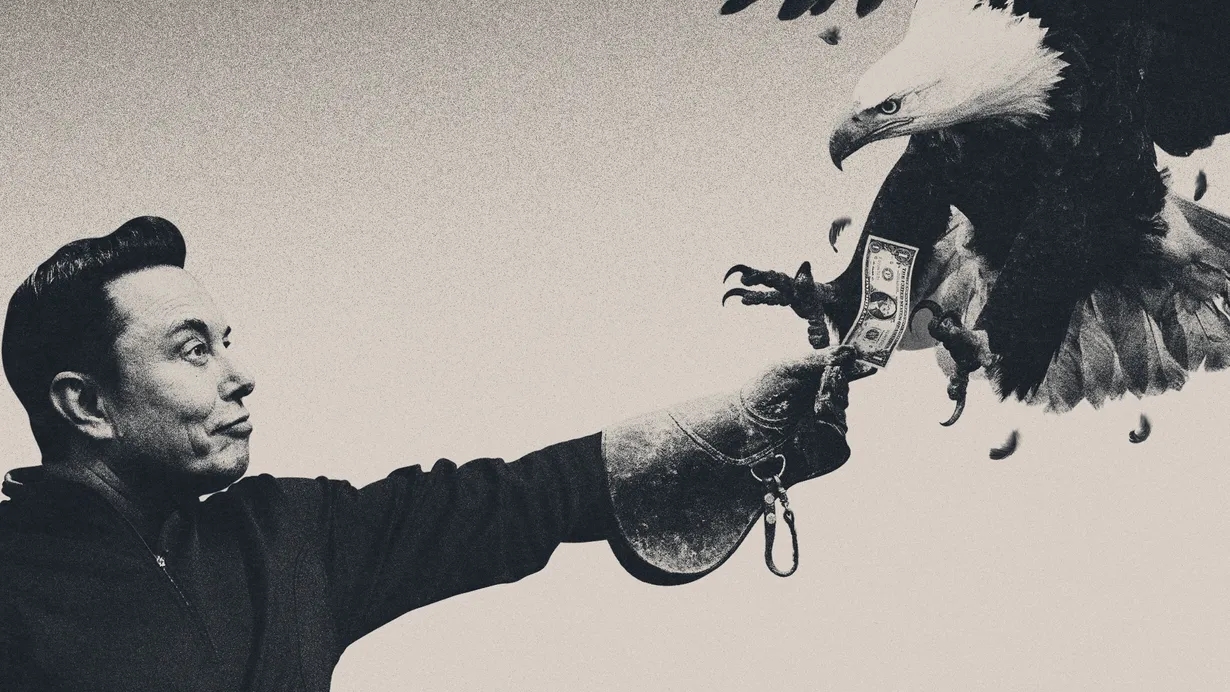
    … for Big Tech stocks, which have taken a hit amid fears of higher US interest rates. Elon Musk’s SpaceX closed down 16% yesterday – the second-biggest one-day loss ever, after Nvidia’s historic 2025 share drop. Alphabet also suffered its worst day in more than a year, after two of its high-profile researchers jumped ship to rival firms. 


    PICTURE OF THE DAY

    Water colour

    Swimmers in the Chinese city of Chengdu bathe in an aquatic version of Vincent van Gogh’s “The Starry Night”. A mosaic of colourful tiles transforms the 3,000-sq-metre pool in Jiangtan Park into a living artwork.  

    VCG / Getty Images


    Puzzles

    Chain Word

    Try The Week’s new daily word challenge in our puzzles and quizzes section

    Play here


    THE WEEK RECOMMENDS

    The best golf hotels in the world

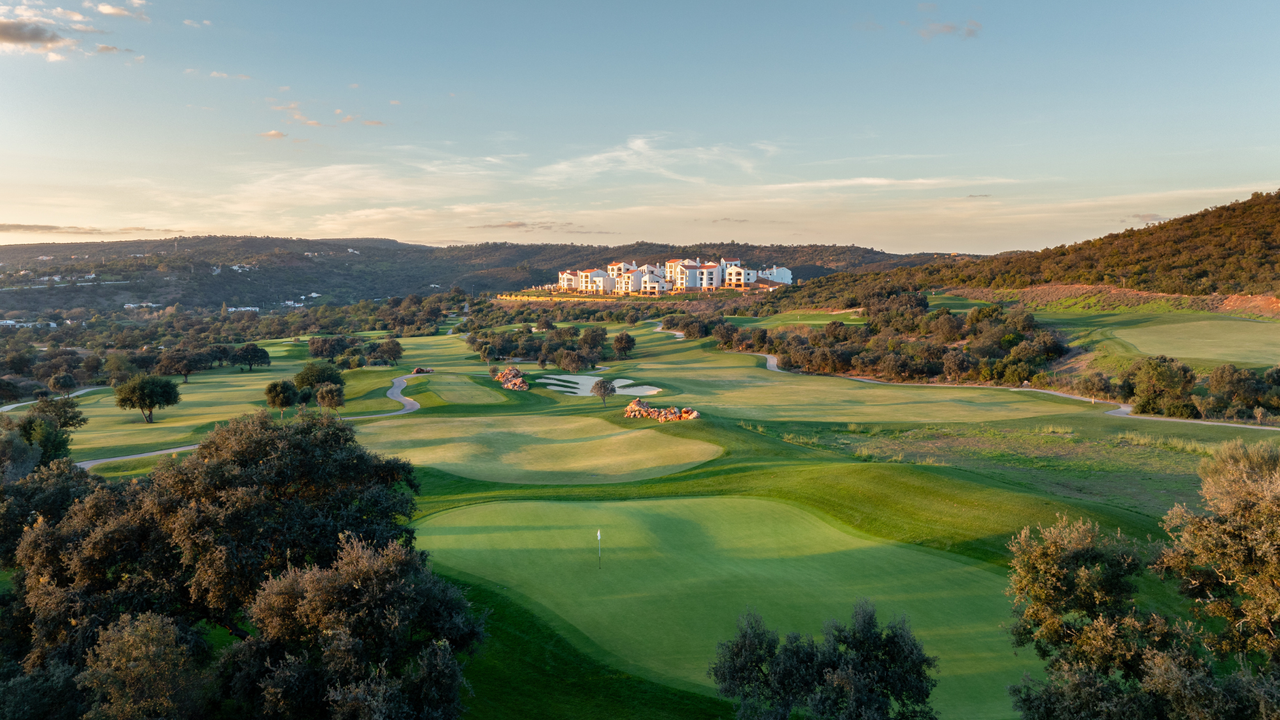
    The best golf resorts don’t just offer world-class courses. They’re also a sanctuary where guests can relax away from the fairways with a pampering spa treatment, delicious meal or countryside stroll. Tee off in style at these luxury resorts.

    Viceroy at Ombria, Portugal
    Located among the rolling Algarve hills, Viceroy at Ombria (pictured above) offers some of the region’s “prettiest views” and “top-tier dining options”, said Golf Monthly. It’s designed to be “accessible” for new players while catering to those who are “more capable longer hitters”. The property has “plenty to do for non-golfers” too, including swimming, hiking, cycling and exploring the “tucked away villages dotted around the valleys”.

    JA Mar Hall Golf & Spa Resort, Scotland
    This “terribly scenic” resort sits on the southern banks of the River Clyde and is just a 10-minute drive from Glasgow Airport, said Condé Nast Traveller. The 18-hole golf course spans 250 acres, and few experiences can compare to enjoying “the timeless beauty of the volcanic Old Kilpatrick Hills” while playing the fourth hole. Guests can also enjoy “excellent” food made with “farm-to-plate ingredients” in The Dining Room restaurant and indulge in a tipple at the “fantastic” cocktail bar.

    Big Cedar Lodge, Missouri, US
    Play under the “powder blue Missouri Ozarks sky” at this 4,600-acre property on the edge of Table Rock Lake, said Travel + Leisure. The “newest thrill” in the resort’s “ever-expanding golf playground” is the Cliffhangers: an “unconventional” course that features “cliff-hugging switchbacks and a maze of showy cart path water crossings”.


    Statistic of the day

    200 million: The estimated total number of hours that drivers and passengers have endured in traffic jams as a result of HS2, according to an analysis of official transport data by The Telegraph. Traffic flow on major A-roads and motorways has been disrupted by 163 sets of roadworks needed for the rail project since 2017. 


    instant opinion

    Today’s best commentary

    Keir Starmer Was a Waste of a Prime Minister
    Steven Methven on Novara Media
    Apparently, Keir Starmer feels betrayed, writes Steven Methven. What karma: maybe Jeremy Corbyn can “help him through the agony of a knife in the back”? Starmer’s actions did not much reflect his “grand moral superiority”. “Poor pensioners? Let them freeze. Those with disabilities? Let’s go full Dickens.” Above all, “our human rights lawyer in-chief failed to condemn” Israel’s actions in Gaza as genocide. What a waste “of opportunity, of energy, of hope. There won’t be many tears for him.”

    How do we stop Britain’s decline?
    Rachel Wolf in The Spectator
    “This has been an abysmal decade,” writes Rachel Wolf from the 2030 Prosperity Alliance. Britain’s in “active decline”, leaving us “poorer” and “angrier”. Much more of this and I’d be “genuinely surprised if our democracy” survives. Policymakers are “worried” yet “refuse to make the big generational choices” needed on issues including housing, the NHS and the triple lock. “We can do better.” We must explain the hard truths “about what is required to leave the next generation better off than the last”.

    Americans love to bash Britain. That’s their problem, not ours
    James Marriott in The Times
    “Sneering at Britain” was once a liberal American “hobby”, but now it’s “a bipartisan enthusiasm”, writes James Marriott. We have our “problems”, but this “increasingly hysterical” US disdain suggests it’s “more about them than” us. “As their own democracy sinks ever deeper into dysfunction”, they need another country “to pity”. That “Keir Starmer, for all his faults”, would never have staged an MMA “fight in the Downing Street garden” must be “very painful to the American sense of superiority”.


    word of the day

    Wardrobe

    Forget wardrobes of clothes, the latest big thing is “fragrance wardrobes”. On-trend consumers are building collections of fragrances and “layering different perfumes to create a scent that feels uniquely their own”, said The Times. The trend is “helping to fuel a boom in Britain’s fragrance market”, which is already the largest in Europe, with £3.3 billion of sales last year, according to Euromonitor.


    Evening Review was written and edited by Hollie Clemence, Jamie Timson, Irenie Forshaw, Will Barker, Chas Newkey-Burden, Deeya Sonalkar, Helen Brown, Adrienne Wyper, David Edwards and Kari Wilkin, with illustrations from Stephen P. Kelly.

    Image credits, from top: illustration by Stephen P. Kelly / Getty Images; Dan Kitwood / Getty Images; Charlotte Tattersall / Getty Images; VCG / Getty Images; Viceroy at Ombria / Bacchus Agency

    Morning Report and Evening Review were named Newsletter of the Year at the Publisher Newsletter Awards 2025
     

    Recent editions

    • Evening Review

      Musk’s wealth spurs backlash

    • Morning Report

      Vance, Iran claim ‘progress’ in talks

    • Sunday Shortlist

      Toys vs. screens

    VIEW ALL
    TheWeek
    • About Us
    • Contact Future's experts
    • Terms and Conditions
    • Privacy Policy
    • Cookie Policy
    • Advertise With Us
    • FAQ
    Add as a preferred source on Google Add as a preferred source on Google

    The Week is part of Future US Inc, an international media group and leading digital publisher. Visit our corporate site.

    © Future US, Inc. Full 7th Floor, 130 West 42nd Street, New York, NY 10036.