The Week The Week
flag of US
US
flag of UK
UK
https://cdn.mos.cms.futurecdn.net/flexiimages/jacafc5zvs1692883516.jpg

SUBSCRIBE & SAVE

Less than $3 per week

Sign in
  • View Profile
  • Sign out
  • The Explainer
  • The Week Recommends
  • Newsletters
  • Cartoons
  • From the Magazine
  • The Week Junior
  • Student Offers
  • More
    • Politics
    • World News
    • Business
    • Health
    • Science
    • Food & Drink
    • Travel
    • Culture
    • History
    • Personal Finance
    • Puzzles
    • Photos
    • The Blend
    • All Categories
  • Newsletter sign up Newsletter
  • The Week Evening Review
    Burnham’s big challenge, personalised healthcare, and Prairie culture wars

     
    TODAY’S BIG QUESTION

    Can Burnham move Britain on from decade of chaos?

    Andy Burnham will soon be our seventh prime minister in 10 years. Billed as a coronation, his arrival at No. 10 is “unfolding” like “a royal wedding”, said Zoe Williams in The Guardian. There is an “ambient duty to spectate and even celebrate, but you’d be mad not to stay sceptical”. 

    What did the commentators say?
    It’s hard to shake the feeling that Britain has “fallen prey to some national sickness”, said Tom McTague, editor of The New Statesman. Burnham will need to create something, anything “new and memorable” from what has been a “fevered, amnestic past decade”.

    Continuing to embrace AI could be “genuinely transformative” for the country’s fortunes, said The Times. Immigration under “tough” Home Secretary Shabana Mahmood is “beginning to come under control” and, despite being unpopular, Rachel Reeves’ tax rises could “ensure a falling budget deficit” in future. If Burnham can make a bold “pro-business gesture”, such as opening up the North Sea, he could definitely “repair the damage of the last two years”. “There is hope.”

    Inspiring hope is not a “nice-to-have; it’s an essential aspect of leading”, and few before have had it, said Robert Shrimsley in the Financial Times. Politics requires a “feel for the country, the ability to tell a story and carry people with you”, and Burnham undoubtedly has a “genial public persona”. He represents someone, like Boris Johnson and Nigel Farage, who would “at last listen to those who feel neglected and failed by politics”. 

    It is clear that the “charming and combative” Burnham has cause for optimism, said The Economist. A lot is in his favour, such as “decent ideas” to devolve power and reform property taxes, and his win in Makerfield showed a rare “appealing audacity”. But backbench MPs have “gained a taste for rebellion”, and he has “yet to set out a convincing programme to fix Britain”. If he thinks an “easy manner or an ability to skirt elephant traps is enough”, he is mistaken.

    What next?
    Burnham shows a “pragmatic preference for smart people with an interest in getting stuff done”, said Andrew Rawnsley in The Observer. Team Burnham have likened their task to “rebuilding an aircraft while it is in mid-flight”. There will be “much turbulence to master” to avoid “plunging” from the sky like his six most recent predecessors.


    THE EXPLAINER

    How precision medicine is revolutionising healthcare

    The world’s largest database of human genomes has been made available to scientists and doctors by the US National Institutes of Health, “paving the way for a new era of study in personalised medicine”, said The New York Times. Pairing the data from more than 747,000 participants with clinical information could power “next-generation discoveries” in “precision medicine”, announced America’s public-health research body.

    What is precision medicine?
    It’s an “innovative approach that uses information about an individual’s genomic, environmental and lifestyle information to guide decisions related to their medical management”, according to the NIH’s National Human Genome Research Institute. Its goal is “to provide” each patient with “a more precise approach for the prevention, diagnosis and treatment of disease”.

    What are the obstacles?
    In theory, “therapies targeted to a person’s genetic make-up should be more effective and have fewer side effects”, said the BBC’s David Cox. But, in practice, it has often proved “erratic and expensive”. Using precision medicine effectively also requires people “to trust governments and companies with their genomic data” and scientists to navigate their way through a “regulatory environment around medicines” that is “ill-equipped to cope with therapies that are designed for just one person”.

    That is the “paradox at the heart of precision medicine”, said NIH director Jay Bhattacharya. “To tailor treatments to individuals, you actually need very large populations to uncover the patterns that connect genetics, lifestyle and the environment to health outcomes.”

    What can it be used for?
    NIH’s research data has already fuelled more than 1,400 peer-reviewed publications across the US and around the world. Recent related breakthroughs range from a clinical genetic test predicting inherited risk of heart disease to the development of a low-cost prostate cancer risk model.

    In a small-scale trial in California, people with early-stage dementia who were given personalised treatment plans combining medical interventions with lifestyle changes seemed to show improvements in memory and cognitive function. And millions of women with breast cancer could be spared debilitating treatment, following trials of a genomic test that spots who needs chemotherapy and who doesn’t. That could “transform healthcare guidelines worldwide”, said The Guardian.


    QUOTE OF THE DAY

    “We play against the usurping pirates. This isn’t just another match. I’m not going to be politically correct or cold-hearted; against the English, it’s always something more.”

    Argentina’s Vice President Victoria Villarruel urges her country’s World Cup team to put “the brakes on the invaders” in tonight’s semi-final against England. “We’re going to claim what’s ours!” she wrote in a post on X.


    Poll watch

    Nearly two-thirds (63%) of children feel hopeful about their future, according to a survey of 470 The Week Junior readers. Only 9% did not feel hopeful, while the rest were not sure. Three in five (59%) are already part of a group that helps their community, such as Scouts, Guides or a faith group, while 58% of those who aren’t said they would like to join one.


    TALKING POINT

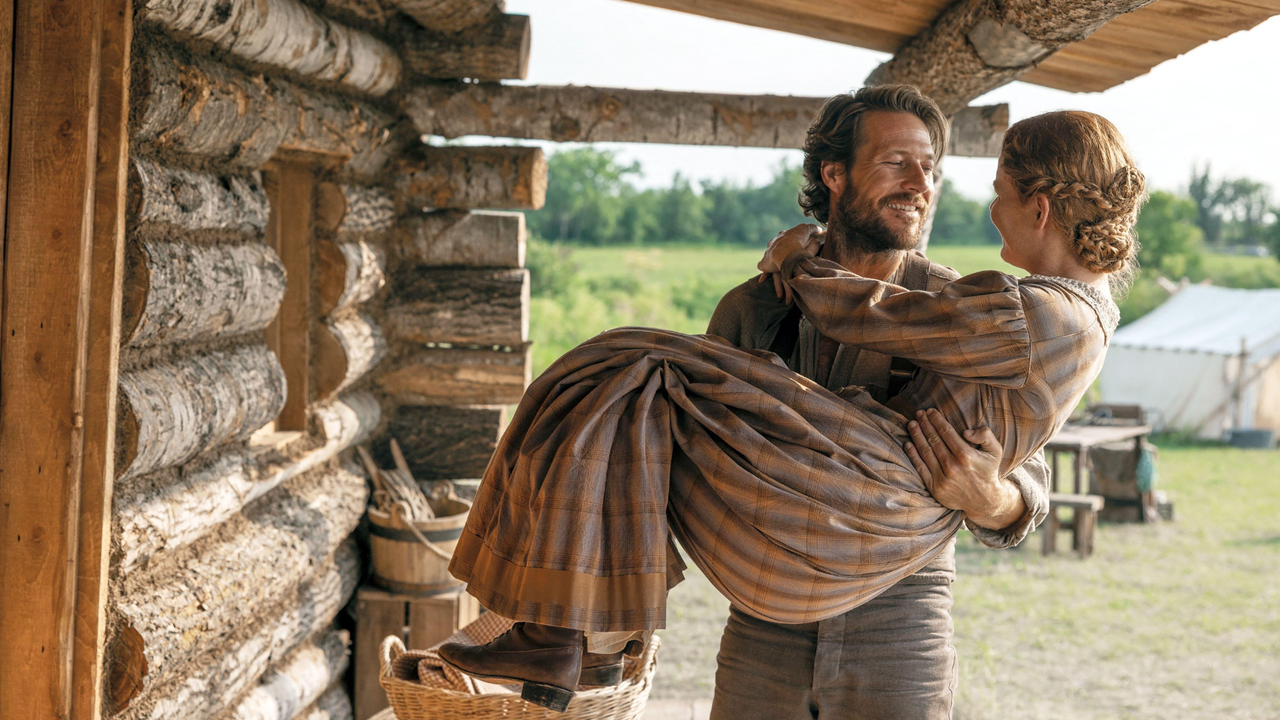
    Has Little House on the Prairie gone woke?

    News that Netflix was adapting Laura Ingalls Wilder’s classic book series made US podcaster Megyn Kelly fire off a warning: “If you woke-ify ‘Little House on the Prairie’. I will make it my singular mission to absolutely ruin your project.” The TV show premiered last week – and the culture wars have already started.

    ‘Reboot nobody needed’
    Few things offer a more “sobering barometer of the current state of our politics” than how this series turned into an online battle before the cast had even been announced, said Jason Kyle Howard in Politico. Some of us remember the original TV adaptation with “misty-eyed nostalgia”, said Anita Singh in The Telegraph. This is the “reboot that nobody needed”.

    Showrunner Rebecca Sonnenshine brought in female directors and “cultural consultants”, and included “sympathetically portrayed” Native American characters who “take up a lot of screen time”. The basic story remains intact: the Ingalls family “head out west to establish a new life on the prairie”, navigating a series of challenges along the way. “But it’s a life we’re invited to envy”, with a production design that “fits neatly into the Instagram aesthetic”, and immaculate dresses that have echoes of tradwife fantasy. It’s hard to “shake the feeling” that the show has been made for an audience with “short attention spans and a desire for social media likes”.

    ‘Always a risk’
    “Call it what you want”, but failing to feature Native American characters would have been a “conspicuous choice in an era of rich Indigenous stories like ‘Reservation Dogs’”, said James Poniewozik in The New York Times. Using multiple voices to explore the story’s “underlying conflicts” is the “most interesting aspect of a familiar series”.

    Remaking the “beloved tale” was “always going to be a risk”, said Rebecca Nicholson in the Financial Times. But Sonnenshine has “navigated this potentially fraught undertaking with skill”. She lets audiences “take what they want” from the show, whether that means “indulging in the fantasy of living off the land or baulking at the show’s grittier truths”. 


    Good day 🛃

    … for Gibraltar, after the last border fence in western Europe was removed. A post-Brexit agreement, which came into effect at midnight yesterday, has brought an end to border checks for people who cross between Spain and the British overseas territory.


    Bad day 🫗

    … for water companies, after Thames Water said it was facing “material uncertainty” over its future, a day after South East Water was told by the regulator to spend £30.5 million on improvements to customer supplies. Thames Water’s annual results show its net debt has risen to £18.5 billion, up from £16.8 billion last year.


    PICTURE OF THE DAY

    See a Mann about a horse

    King Charles takes a ride on one of the few remaining horse tramways in the world, during a visit to the Isle of Man. It was his first official trip to the island, a self-governing Crown Dependency, since succeeding to the title of Lord of Mann.

    Chris Jackson / Getty Images


    Puzzles

    Chain Word

    Try The Week’s new daily word challenge in our puzzles and quizzes section

    Play here


    THE WEEK RECOMMENDS

    Short, punchy books you can finish in a day

    If you’re ignoring the tomes piling up by your bedside, reach for a novella instead. These slim books can be finished in a single day – and might just reignite your love of reading.

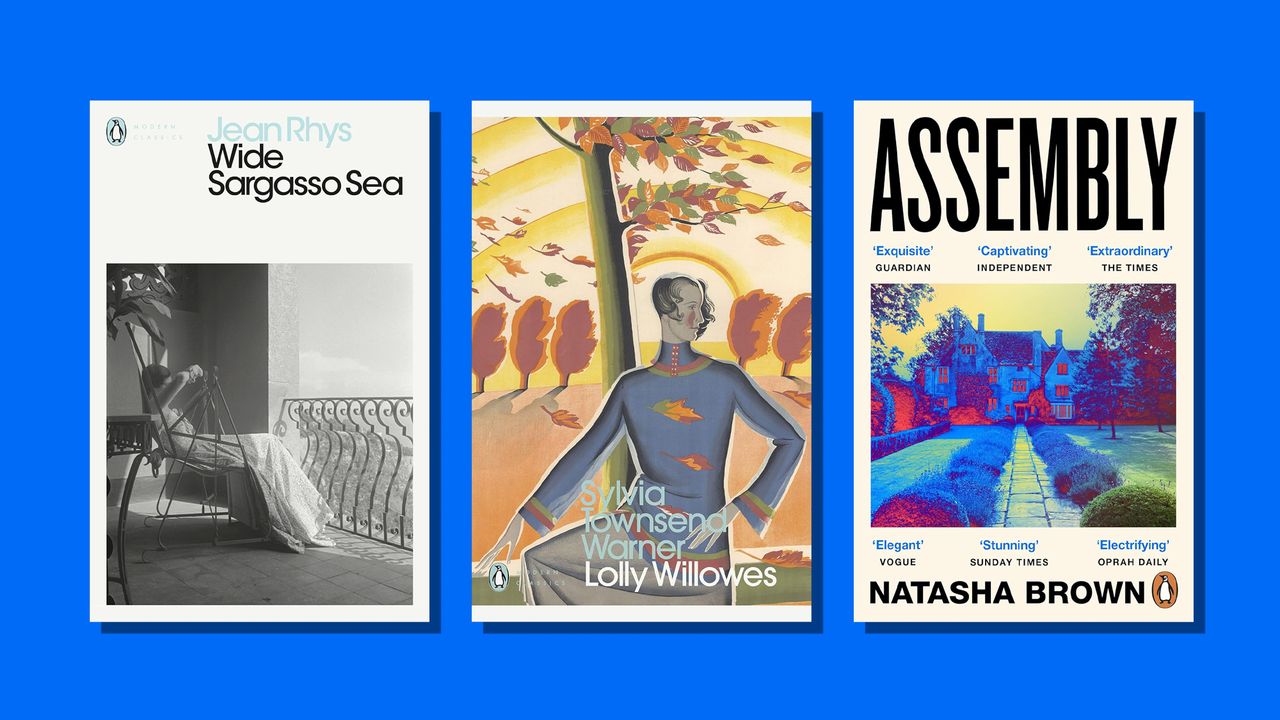
    Assembly by Natasha Brown
    Inspired by her career working in finance, Brown’s thrilling debut is just 100 pages long and “written in vignettes that leave a lot of white space on the page”, said The Guardian. The story follows a young Black woman who “seems to have it all”: a great job; money, and a “loving, liberal, generationally wealthy boyfriend”. But, simmering beneath the surface, is a “desperate rage” at the racism and misogyny she navigates every day.

    Wide Sargasso Sea by Jean Rhys
    Rhys’ “chilling, dreamlike” prequel to “Jane Eyre” explores another side of Charlotte Brontë’s “madwoman in the attic”, said Esquire. We meet white Creole heiress Antoinette Cosway in Jamaica, years before the events of Thornfield Hall. Isolated and lonely, she is soon “driven to despair” by the cruelty of her new husband Edward Rochester. All 176 pages are packed with “gorgeous imagery and turbulent emotions”; this book will roll over you like a “hazy island fever dream”.

    Lolly Willowes by Sylvia Townsend Warner
    This “deeply strange” novel begins “conventionally enough”, with a quiet young woman leaving London to start afresh in a rural village, said The Guardian. But Townsend Warner “gleefully” changes tack when her heroine, Lolly Willowes, becomes a witch. “Smashing together” an array of genres, from folk horror to nature writing, it’s a short but mighty book that helped cement its author as “one of the true originals of 20th-century English literature”.

    See more


    Statistic of the day

    $50.1 million: The amount paid for “Gus”, the almost complete fossil of a Tyrannosaurus rex, by a mystery bidder at a Sotheby’s auction in New York. The 67-million-year-old fossil is now the most expensive set of dinosaur bones sold at auction, beating a stegosaurus that fetched nearly $45 million in 2024.


    instant opinion

    Today’s best commentary

    I resigned from the police over Rochdale grooming gangs – the powers-that-be are still not listening to women and girls
    Maggie Oliver in The Independent
    The release of Rochdale grooming gang ringleader Shabir Ahmed after “just 14 years” in prison is “almost impossible to comprehend”, writes former police detective and whistleblower Maggie Oliver. That a man who has “shown no remorse” for his “horrific crimes” can be allowed back “into our communities” shows how badly the justice system is “failing to protect victims”. Abused women and girls “are rightly angry. They are frightened. And once again, they feel like a forgotten underclass.”

    Chris Packham, leave those goats alone
    Clive Aslet in The Telegraph
    TV environmentalist Chris Packham is “claiming that cashmere production can be cruel” and wants Burberry to ditch the wool, writes former Country Life editor Clive Aslet. Maybe some animals are “mishandled” when “their precious down is harvested” but “it’s more likely to occur at the bargain end of the industry”. If “posh shops” didn’t sell cashmere, “it would be the herding families in Mongolia” who suffer. And “they sound admirably small footprint” – “certainly more” so than “shouty Lefty celebrities”.

    Farage, our Temu Trump, has lost control of his own script
    James O’Brien in The i Paper
    Nigel Farage has “carefully cultivated” a public persona as a “beer-swilling bon viveur more comfortable with ‘ordinary folk’ than oligarchs”, writes James O’Brien. And it’s “never looked less real”. His hero Donald Trump “remains largely untouched by scandal” because his “cheeseburger-based diet and supposedly simple tastes endear him to his base”. But Farage has “revealed himself to be in awe of the billionaire class”, and now appears “thin-skinned and petulant, shifty and short-tempered” – and ever “so vulnerable”.


    word of the day

    Schlubby

    Slang for unkempt or unattractive. We’re having a “schlubby shirt summer”, according to Vogue, as Zendaya and Jennifer Lawrence are spotted wearing oversized tops, and womenswear runways feature “looser, less body-skimming forms”. Outsized clothing has a “nostalgic quality” and gives the wearer a “confident, renegade-feeling” in this “era where society demands we make ourselves ever-smaller”.


    Evening Review was written and edited by Hollie Clemence, Jamie Timson, Will Barker, Irenie Forshaw, Chas Newkey-Burden, Adrienne Wyper, Kari Wilkin, Steph Jones and Helen Brown, with illustrations from Stephen P. Kelly.

    Image credits, from top: illustration by Stephen P. Kelly / Getty Images; Creative Images Lab / Getty Image; Landmark Media / Netflix / Alamy; Chris Jackson / Getty Images; Penguin

    Morning Report and Evening Review were named Newsletter of the Year at the Publisher Newsletter Awards 2025
     

    Recent editions

    • Evening Review

      A growing geopolitical alliance

    • Morning Report

      Trump’s tax immunity in question

    • Evening Review

      A death spiral for Obamacare

    VIEW ALL
    TheWeek
    • About Us
    • Contact Future's experts
    • Terms and Conditions
    • Privacy Policy
    • Cookie Policy
    • Advertise With Us
    • FAQ
    Add as a preferred source on Google Add as a preferred source on Google

    The Week is part of Future US Inc, an international media group and leading digital publisher. Visit our corporate site.

    © Future US, Inc. Full 7th Floor, 130 West 42nd Street, New York, NY 10036.