Andy Burnham began his premiership in dramatic style last night, with a brutal purge of ministers loyal to his predecessor in a cabinet reshuffle far more wide-ranging than many expected. Today the new PM held the first meeting of his top team, “spanning the mainstream wings of the party, including key Northern allies and ministers who fell out with Starmer”, said Politico’s UK political correspondent, Sam Blewett.
Who took the top jobs?
The biggest winner is the new Chancellor John Healey, a surprise pick but seen as a safe pair of hands. Ed Miliband was appointed foreign secretary, replacing Yvette Cooper, who was moved to the health department in what is technically a demotion. Lucy Powell was made education secretary, displacing Bridget Phillipson who was left only with her equalities brief. Home Secretary Shabana Mahmood is one of the few Starmer-era ministers to keep her job, along with Pat McFadden at the Department for Work and Pensions, and Culture Secretary Lisa Nandy.
Burnham loyalists make up much of the rest of the cabinet, with his right-hand woman and key enforcer Louise Haigh becoming chancellor of the Duchy of Lancaster and first secretary of state, tasked with making government run effectively. Anneliese Midgley, one of the key figures in Burnham’s leadership campaign, has become chief whip, while Miatta Fahnbulleh takes over from Miliband as energy secretary.
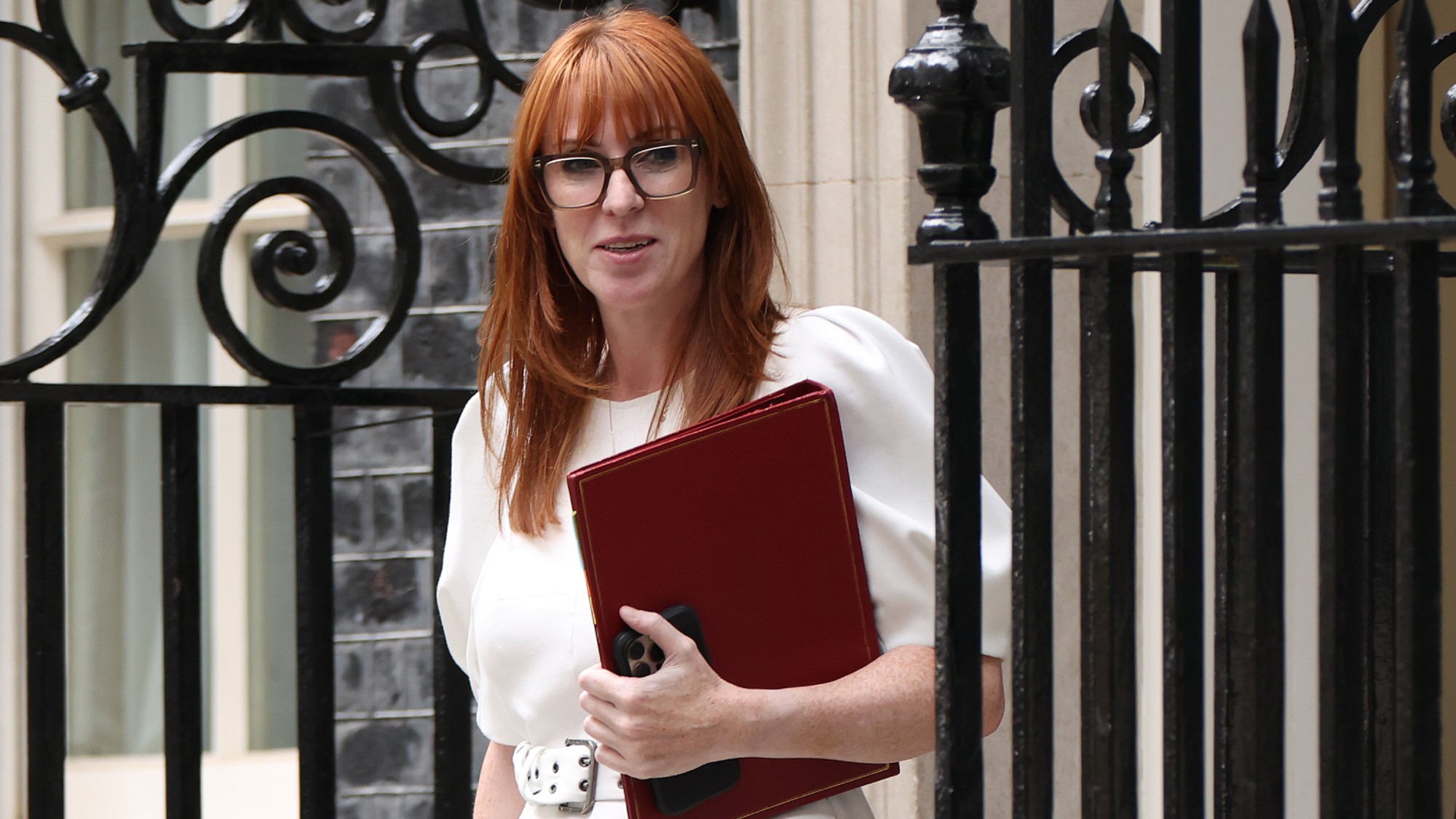
Rounding off a long evening of Westminster psychodrama, former deputy PM Angela Rayner returned to her old job as housing and communities secretary, and one-time leadership contender and former health secretary Wes Streeting became secretary of state for defence.
What does this say about Burnham’s plans?
In his first speech as PM, Burnham vowed to end rough sleeping, raise the income tax personal allowance, cut VAT on electricity bills and reform social care. Now it’s up to Healey to find the cash and the flexibility, within strict fiscal rules, to make these, and other ambitions, happen.
Burnham appears to have a “much stronger theory of power – a view about how he wants to use the office and what he wants to prioritise – than his recent predecessors”, said journalist Sam Freedman in his Comment is Freed newsletter. Unlike Starmer, whose government “looked buffeted by events and U-turns” from day one, Burnham “has indicated not just that he has priorities but that he is willing to make the institutional changes required”.
|