The Week The Week
flag of US
US
flag of UK
UK
https://cdn.mos.cms.futurecdn.net/flexiimages/jacafc5zvs1692883516.jpg

SUBSCRIBE & SAVE

Less than $3 per week

Sign in
  • View Profile
  • Sign out
  • The Explainer
  • The Week Recommends
  • Newsletters
  • Cartoons
  • From the Magazine
  • The Week Junior
  • Student Offers
  • More
    • Politics
    • World News
    • Business
    • Health
    • Science
    • Food & Drink
    • Travel
    • Culture
    • History
    • Personal Finance
    • Puzzles
    • Photos
    • The Blend
    • All Categories
  • Newsletter sign up Newsletter
  • The Week Evening Review
    Trump’s science takeover, Democrats’ post-Platner push, and Japan’s new agency

     
    TODAY’S BIG QUESTION

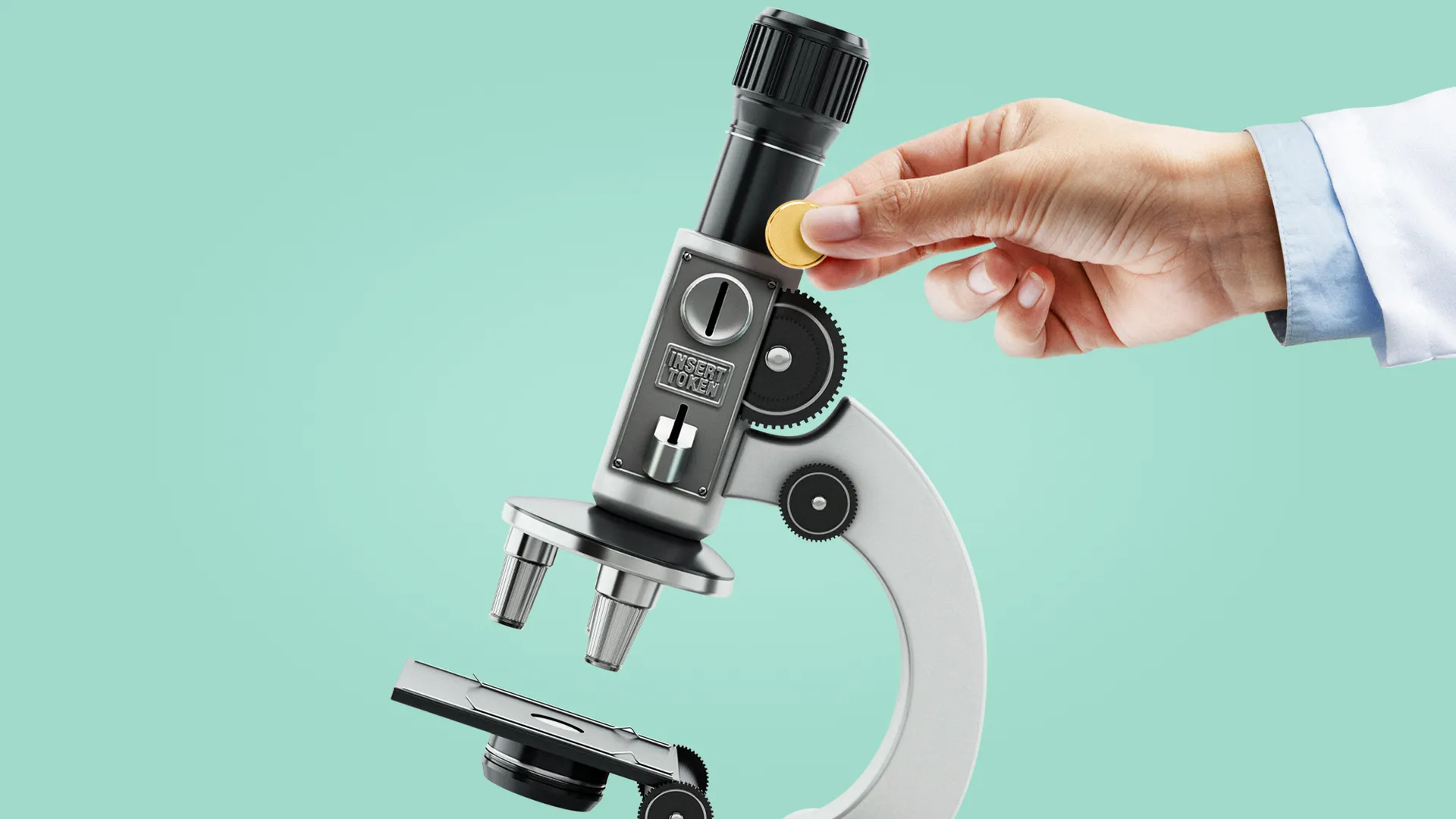
    Will a new Trump rule kill the US edge in science?

    The U.S. has long led the world in scientific research — a feat that has undergirded the country’s economic and political might. Now, researchers are pushing back against a proposed Trump administration rule scientists say would upend the federal funding that drives U.S. science by shifting grantmaking decisions away from independent experts and into the hands of the president’s political allies.

    What did the commentators say?
    The proposed rule would give President Donald Trump’s appointees “power over hundreds of billions of dollars” in federal grant funding while “diminishing the traditional role of scientific peer reviewers,” said The Washington Post. Projects would be evaluated to ensure they “advance the president’s priorities” while rejecting projects and institutions that promote DEI, affirm transgender identities or support “anti-American” ideas. 

    The new grantmakers would thus have wider latitude to defund “anything Trump doesn’t like,” said Elizabeth Kolbert at The New Yorker. The White House argues the change would “bring much-needed accountability to the grantmaking process,” said an administration spokesperson to the Post.

    Shifting responsibility for scientific funding to political operatives would amount to “cancel culture for cancer research,” said Rep. Rosa L. DeLauro (D-Conn.) at The Hill. It would be a system of “arbitrary political control” that’s “ripe for abuse.” The Trump administration could deny a grant for “any reason or no reason at all.”

    The change should be welcomed by Americans who “believe in democracy and democratic accountability,” said Michael S. Kochin at The American Mind. The current peer review system ends up “enforcing consensus rather than discovering truth” by rewarding scientists who play it safe. 

    American researchers are “not going to be able to cure disease, and you are not going to be able to grow the economy,” said Sudip Parikh, the CEO of the American Association for the Advancement of Science, to STAT. U.S. science is already struggling. The administration “suspended and canceled nearly 8,000 scientific grants” in 2025, said The Atlantic.

    What next?
    Science and education groups are lobbying lawmakers on Capitol Hill to oppose the rule. Some 300 leading scientific organizations sent a letter to the administration requesting more time to review the proposed regulation, said the Post. Dozens of Democratic members of Congress have condemned the proposal. But the public comment period closed last week, and the administration plans to finalize the sweeping rule by Oct. 1.


    QUOTE OF THE DAY

    ‘I am acutely conscious that I am the sixth person in the last 10 years to walk up this street.’

    Andy Burnham in his first speech as the U.K.’s prime minister outside of his new office and residence, No. 10 Downing Street, on the “political upheaval of the past decade,” said The Times. He’s actually the seventh PM in a decade.


    IN THE SPOTLIGHT

    Democrats rush to replace Platner in primary push

    Graham Platner’s political implosion has forced Maine Democrats into a monthlong dash to replace the disgraced oysterman-cum-political-upstart and challenge Republican Sen. Susan Collins in November. Senate hopefuls have been courting supporters ahead of a nominating convention on Saturday. But rushed deadlines, unexpected tragedies and residual frustrations over Platner’s failed campaign have put Democrats in a bind. As of now, no candidate has emerged as a clear front-runner.

    ‘Stakes couldn’t be higher’
    Democrats hope to “turn the page from the former standard-bearer” without “abandoning his supporters,” said Roll Call. Progressives who had been buoyed by Platner’s “populist message” are “hoping to maintain their momentum.” 

    The “snap” replacement race is “off to a hectic and dramatic start,” said CNN. Maine Democrats are “scrambling to create a highly unorthodox process” in which candidates have rushed to “collect enough signatures to qualify for the convention and assemble slates of delegates to vote for them.”

    The harried pace was accelerated further after Immigration and Customs Enforcement agents shot Colombian immigrant Joan Sebastian Guerrero in the town of Biddeford, Maine. Candidates have spent time “in and around Biddeford with the community” in recent days, “expressing outrage,” said The Boston Globe. But with most of the candidates in broad agreement on many issues, the “clarity and contrasts that campaigns tend to reveal” are missing for Democrats at a “time when they would be most helpful.”

    The “stakes couldn't be higher” for the party, with Senate control on the line, said NPR. And it’s unclear if "one candidate can capitalize” on Platner’s political momentum.

    ‘Process for Maine and Mainers’
    Faced with the “nearly hopeless position” of rapidly finding a new candidate, the Maine Democratic Party has nevertheless “shown a finesse I never imagined possible,” said Steve Collins at CentralMaine.com. The hypercompressed campaign schedule and upcoming convention are “not a simple solution or one that will make everyone happy.” But that was “never possible.”

    Absent throughout much of this process has been Senate Minority Leader Chuck Schumer (D-N.Y.). He has been given a “clear message from his party’s voters, candidates and local leaders” in “all-important” Maine,” said The New York Times: “Stay away.” This is a “process for Maine and Mainers,” said Dr. Nirav Shah, one of the candidates, to the Times.


    Statistic of the day

    $3.8 billion: The profit Greek shipping companies have made transporting Russian oil over the past three years, “even as G7 nations sought to curb the Kremlin’s oil revenues,” said the Financial Times. Dynacom Tankers, founded by Greek shipping billionaire George Prokopiou, made the most with “at least $915 million in revenues” since July 2023.


    THE EXPLAINER

    Japan’s first post-war intelligence agency

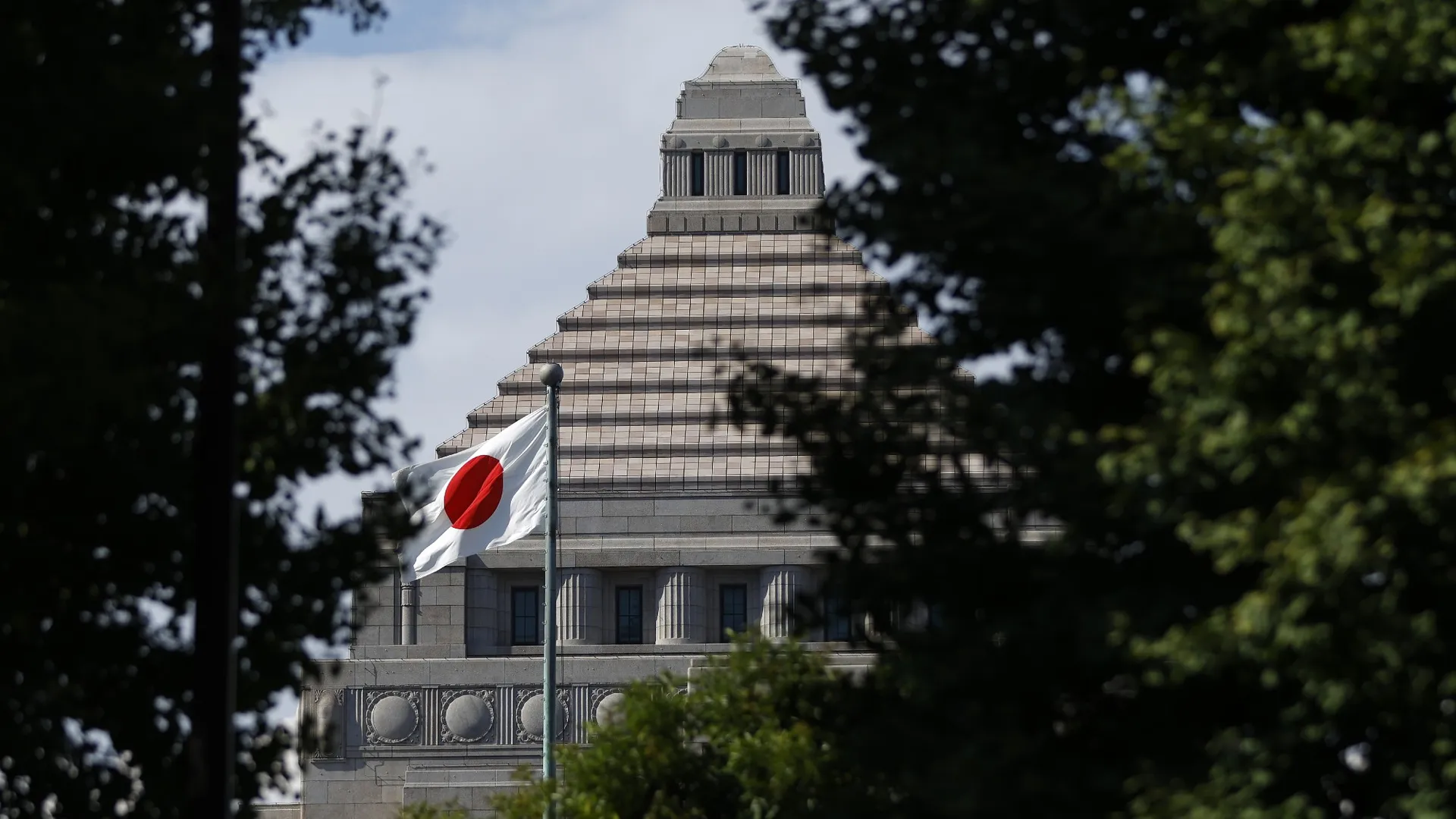
    Japan plans to open its first centralized intelligence agency since World War II in the face of the increased security threats posed by China and Russia. Prime Minister Sanae Takaichi has described the new legislation for this agency that has just passed the upper house of Japan’s legislature, the National Diet (pictured above), as a “first step” toward strengthening the country’s independent espionage capabilities.

    How will it work?
    The agency will be made up of two bodies: A National Intelligence Council will act as the government’s command center for intelligence gathering and analysis, and a National Intelligence Bureau will be responsible for operations. The aim is to improve Japan’s intelligence abilities by “strengthening coordination, reducing inter-agency barriers and ensuring that intelligence products better meet policymakers’ requirements,” said Sanshiro Hosaka, of the International Centre for Defence and Security, to Al Jazeera.

    Why now?
    Pacifism is enshrined in Japan’s postwar constitution and culture, so the country has relied on cooperation with the U.S. for decades. But the Trump administration’s repudiation of long-standing allies has revealed the dangers of over-reliance on U.S. intelligence sharing. With the reform of its intelligence system, Japan’s approach to security is “becoming more self-reliant and autonomous.”

    Japan’s intelligence system has “long been fragmented,” said The New York Times. That has “left the country especially vulnerable to espionage and foreign interference.” To make matters worse, Japan also lacks an anti-espionage law, which has made it relatively easy for foreign intelligence activities to go unpunished. Japan has had “enough of being a ‘spy paradise,’” said Philip Shetler-Jones and Masashi Umehara, of the Royal United Services Institute think tank, to the Times.

    How are Russia and China operating now?
    Chinese and Russian activity within Japan has increased in recent years. In 2024, cybersecurity research group Citizen Lab exposed a so-called paperwall of Beijing-run websites disguised as Japanese-language news sources to spread pro-China disinformation. 

    The Russian military, meanwhile, has taken advantage of lax espionage laws to establish a secretive intelligence unit in Tokyo known as the 20th Directorate. “Posing as diplomats or businesspeople, its officers work to buy or steal battlefield technology and smuggle it into Russia,” said The New York Times, with 90% of Russian missiles and drones used in Ukraine containing Japanese components.


    Good day ⚽

    … for breaking soccer records. France’s Kylian Mbappé has surpassed Lionel Messi’s all-time World Cup goal-scoring record by getting his 21st and 22nd career goals during France’s “thrilling 6-4 third-place playoff defeat to England,” said ESPN. He would have preferred to be “able to play in the World Cup final” over breaking the record, he said to Fox Sports.


    Bad day 🤑

    … for following ethical guidelines. Gabriel Perez, the president’s teleprompter operator since 2016, has made over $100,000 by “placing bets on more than a dozen of Trump’s speeches” on the prediction market Kalshi, according to federal investigators with the Commodity Futures Trading Commission, said ABC News. Kalshi alerted the federal regulator to the suspicious activity linked to Perez.


    Picture of the day

    Triumph and Trump

    Rodrigo Cascante of Spain, after the country’s defeat of Argentina 1-0, prepares to lift the World Cup Winner’s Trophy as FIFA President Gianni Infantino directs Trump to move to the side at MetLife Stadium in East Rutherford, New Jersey.
    Dan Mullan / Getty Images


    Puzzles

    Daily sudoku

    Challenge yourself with The Week’s daily sudoku, part of our puzzles section, which also includes guess the number

    Play here


    The Week recommends

    Experience the toothy sorcery of New Orleans Creole food

    Creole and Cajun food both hail from Louisiana, but only one was born in New Orleans. Rich and soulful, Creole cuisine emerged from the city’s kitchens during the 1700s, influenced by French, African, Indigenous, Spanish and Caribbean cooking styles. In the Crescent City, no one does authentic Creole better than these eight treasured spots.

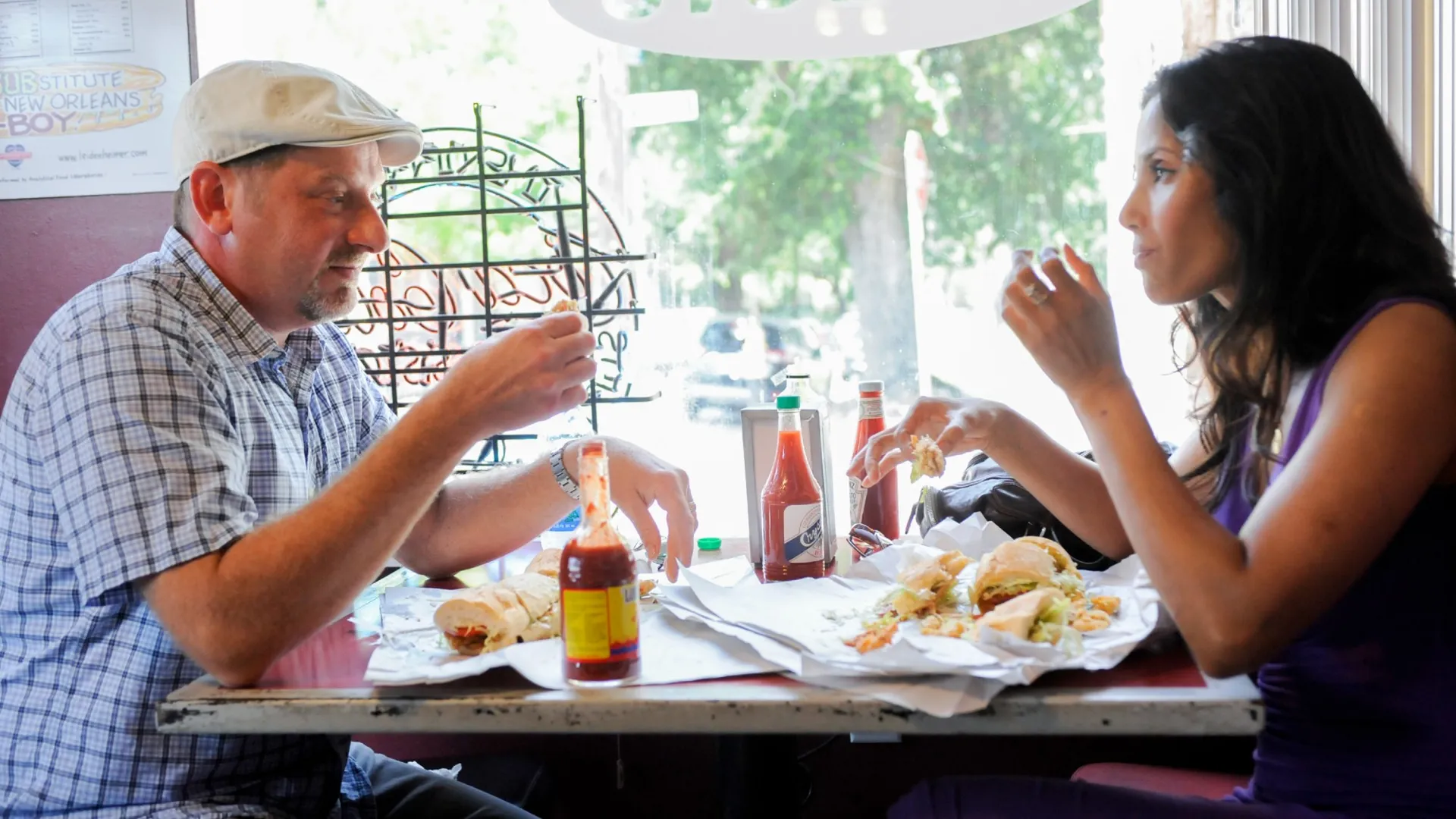
    Guy’s Po-Boys
    This corner shop (pictured above) excels at crafting the “classics,” such as golden fried shrimp and blackened catfish, as well as its own creations like The Bomb, said Tasting Table. Its “eclectic” po’boy brings together the shrimp and catfish that put Guy’s “on the map” along with melted Swiss and cheddar cheeses.

    Li’l Dizzy’s Cafe
    Only open for lunch, diners line up early for a seat at this “cherished” Tremé restaurant that’s “keeping Creole soul food alive,” said Mashed. The “deliciously juicy” fried chicken is regularly heralded as the best in New Orleans, and the gumbo is thick and luscious. If you find yourself at Li’l Dizzy’s on a Friday, you are in luck: The day’s special, catfish jourdain — fried catfish topped with shrimp and crabmeat in a lemon butter sauce — is a local favorite. 

    Vaucresson’s Creole Café
    When the steaming bowls of gumbo and plates of savory yakamein start coming out of the kitchen at Vaucresson’s Creole Café, “heads turn,” said NOLA.com. That’s because chef Bunny Young’s style of “New Orleans home cooking” is “increasingly rare” to find at restaurants. Try one of the restaurant’s famous sausages in a po’boy or in the smothered okra plate.

    Read more


    Poll watch

    One in five Hispanic business owners in Texas (20%) has had an employee deported in the past year, according to a survey by the U.S. Hispanic Business Council of 1,012 Texas Hispanic business owners. And just over seven in ten (71%) have had their businesses impacted by Trump’s international tariffs.


    INSTANT OPINION

    Today’s best commentary

    ‘Trump’s war on journalists’
    Ruth Marcus at The New Yorker
    Trump has “seized on another opportunity to threaten journalists” as New York Times reporters “received subpoenas to appear before a federal grand jury,” says Ruth Marcus. The Justice Department has “depicted the subpoenas as a benign move,” but journalists’ “access to information will evaporate if they cannot assure their sources of confidentiality.” This “risk is omnipresent, but it’s heightened in the current moment, when reporting about the inner workings of government is more crucial than ever.”

    ‘Too many congressional races are over before they start. Here’s a remedy.’
    Mark Z. Barabak at the Los Angeles Times
    As “recently as the late 1990s, around 4 in 10 congressional districts were considered competitive,” but today “only 18 of 435 House districts are considered toss-ups,” says Mark Z. Barabak. This is “hardly an accident, as lawmakers have increasingly manipulated the election process to suit themselves, rejiggering congressional districts to sideline voters and boost their political parties.” Congress should “enact changes in time for the next scheduled round of redistricting, which is due to take place after the 2030 census.”

    ‘AI will shift “prestige careers” to talent, not pedigree’
    Marcus Collins at Newsweek
    Amid the “broader discourse about AI’s impact on jobs, there has been a lot of chatter about AI obliterating what many think of as the ‘prestige’ career track,” says Marcus Collins. With “execution available at the touch of a button, the white-collar prestige career bargain is collapsing.” For people who were “counting on it, this may feel like the end of the world,” but for the people who were “never on that path, the future is as bright as ever.”


    WORD OF THE DAY

    tau

    A brain protein that’s part of a “toxic duo,” along with amyloid-beta, fueling Alzheimer’s disease, said The Associated Press. Biotech company Biogen’s experimental drug diranersen has shown promise in slowing early signs of the disease by significantly lowering tau levels, according to results presented at the Alzheimer’s Association International Conference in London. 


    Evening Review was written and edited by Theara Coleman, Nadia Croes, Catherine Garcia, Scott Hocker, Justin Klawans, Joel Mathis, Summer Meza and Rafi Schwartz, with illustrations by Stephen Kelly and Julia Wytrazek.

    Image credits, from top: Illustration by Stephen P. Kelly / Getty Images; Graeme Sloan / Bloomberg / Getty Images; Kiyoshi Ota / Bloomberg / Getty Images; David Moir / Bravo / NBCU Photo Bank / NBCUniversal / Getty Images
     

    Recent editions

    • Morning Report

      US deaths mount in renewed Iran war

    • Sunday Shortlist

      The noise around 'The Odyssey'

    • Saturday Wrap

      Who’s to blame for Platner?

    VIEW ALL
    TheWeek
    • About Us
    • Contact Future's experts
    • Terms and Conditions
    • Privacy Policy
    • Cookie Policy
    • Advertise With Us
    • FAQ
    Add as a preferred source on Google Add as a preferred source on Google

    The Week is part of Future US Inc, an international media group and leading digital publisher. Visit our corporate site.

    © Future US, Inc. Full 7th Floor, 130 West 42nd Street, New York, NY 10036.