The Week The Week
flag of US
US
flag of UK
UK
https://cdn.mos.cms.futurecdn.net/flexiimages/jacafc5zvs1692883516.jpg

SUBSCRIBE & SAVE

Less than $3 per week

Sign in
  • View Profile
  • Sign out
  • The Explainer
  • The Week Recommends
  • Newsletters
  • Cartoons
  • From the Magazine
  • The Week Junior
  • Student Offers
  • More
    • Politics
    • World News
    • Business
    • Health
    • Science
    • Food & Drink
    • Travel
    • Culture
    • History
    • Personal Finance
    • Puzzles
    • Photos
    • The Blend
    • All Categories
  • Newsletter sign up Newsletter
  • The Week Evening Review
    The bond market’s trouble, Brazil’s election battle, and the Lakers’ shock sale

     
    TODAY’S BIG QUESTION

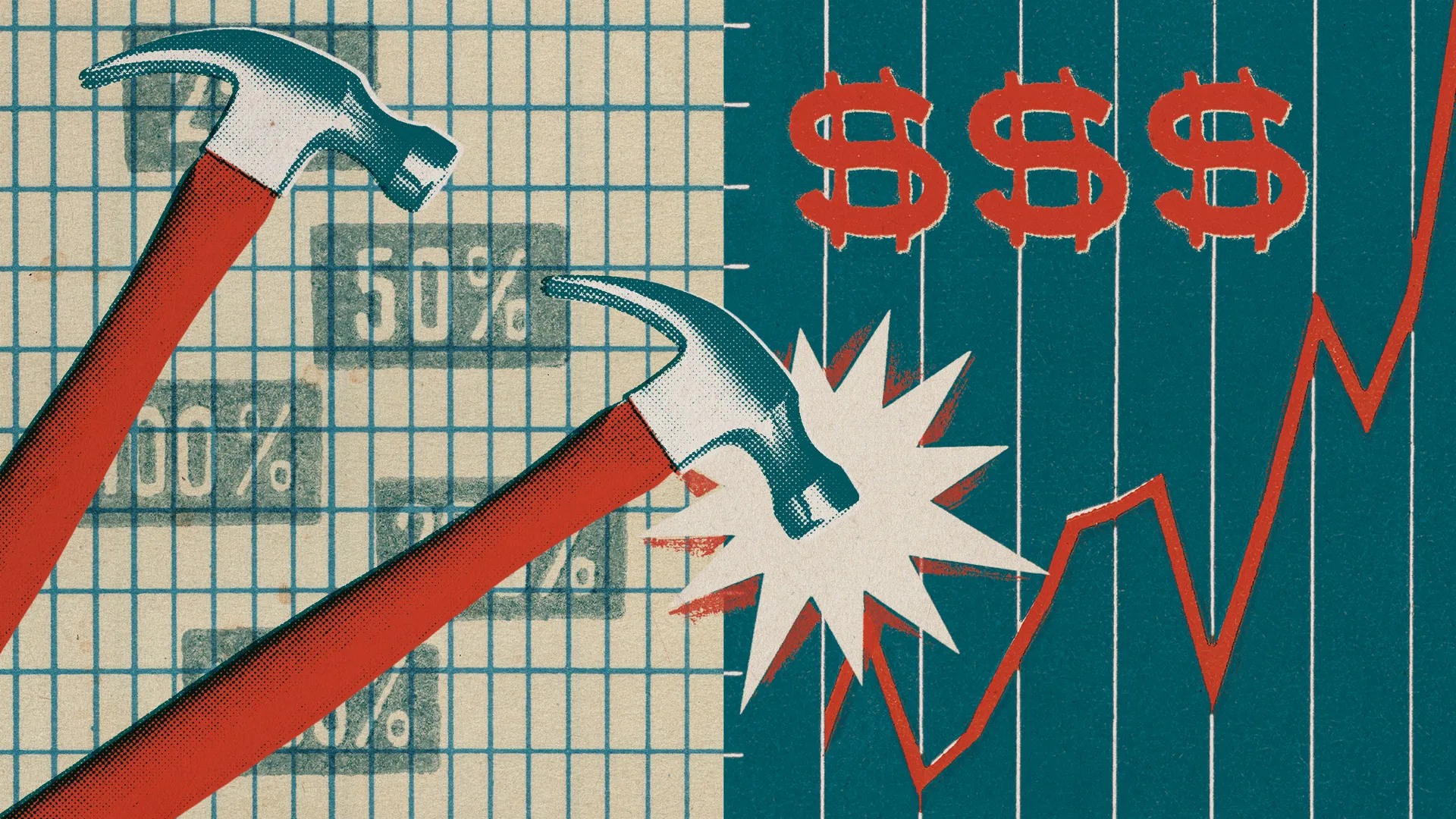
    Why are bond markets getting hammered? 

    Government borrowing is getting more expensive. Bond yields — the amount the government pays investors to borrow their money — this week hit their highest rate since the financial crisis of 2007, as investors demonstrated their nervousness about the U.S. economy with a massive bond sell-off. And this market turmoil could spread, raising borrowing costs for consumers and businesses.

    What did the commentators say?
    Bond investors are “mainly concerned about two things,” said NPR. The first is that persistent inflation, driven in part by the war with Iran, is eroding the value of the bonds they hold. The second is the federal government’s “habit of spending more money than it collects in taxes,” as the U.S. federal debt hit a “record-shattering” $40 trillion this week. 

    Government bonds are also “under pressure from a wave of new corporate debt,” said CNN. Companies like Alphabet and Meta are borrowing massive amounts of money to fund their buildout of artificial intelligence networks, and those corporate bonds are “competing with government bonds for investors’ attention.” This results in less demand and forces higher yields for the government bonds. 

    The rising rates will create “new budgetary stresses” for the federal government, said The Wall Street Journal in an editorial. Servicing the debt now costs $1 trillion a year, making it the “second- or third-largest line item in the federal budget.” So the government can no longer borrow as if “near-zero interest rates would last forever.”

    The U.S. is “about to get more expensive,” said Mohamed A. El-Erian, of the Wharton School, at The New York Times. This pain is likely to spread to “sectors that are traditionally sensitive to interest rates,” such as the home and auto markets, which will “sideline even more prospective first-time home buyers.” 

    What next?
    Bond markets calmed briefly yesterday after the Treasury Department announced it would “more than double the size of its government debt repurchases,” said CNBC. But this relief will probably be “short-lived,” said the Journal, because the buyback program doesn’t address the fundamental concerns about “high levels of debt and government spending.” And as of this morning, yield rates were once again on the rise.


    QUOTE OF THE DAY

    ‘I think the technology, I’m afraid, is outpacing accountability. The technology is outpacing humanity.’

    U.N. humanitarian affairs chief Tom Fletcher, from Kyiv on BBC Radio 4’s “Today,” on the civilian cost of drone warfare. Weapons makers are not considering humanitarian law and the “protection of civilians,” he added.


    the explainer

    Left and right battle it out for Brazil’s future

    The next presidential election in Brazil is shaping up to be the country’s closest and most consequential political contest in decades. But a “two-man race” has “increasingly become a three-way fight” involving Donald Trump, said The Wall Street Journal. 

    Who’s in the race?
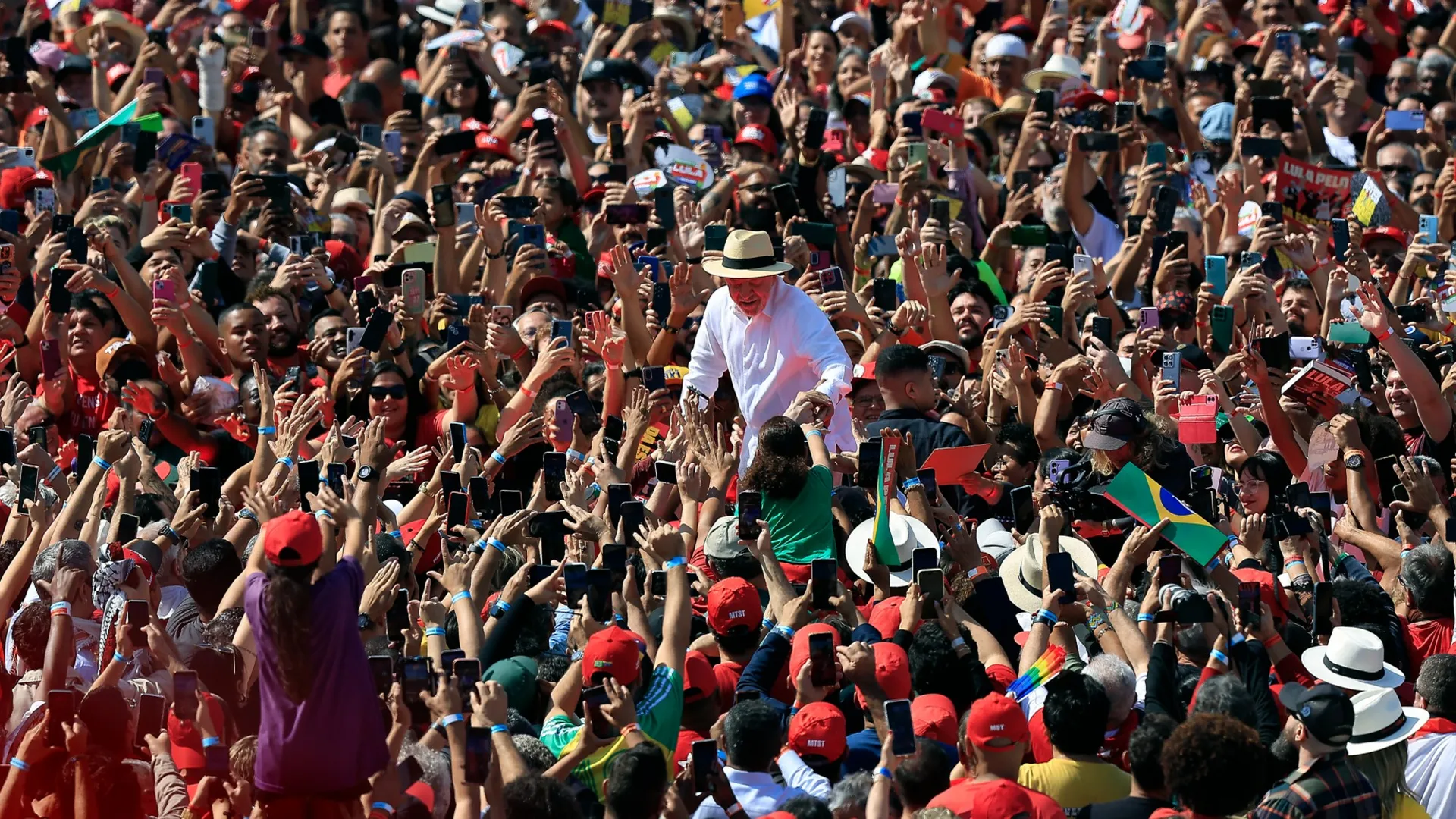
    Brazilian President Luiz Inácio Lula da Silva (pictured above) is seeking reelection for the center-left Workers’ Party and has vowed not to let the “shameless” right-wing return to power. If the 80-year-old wins, Brazil would be the only left-wing major economy left in South America.

    His chief rival will be Flávio Bolsonaro, the 45-year-old son of populist and former President Jair Bolsonaro, who’s serving a 27-year prison sentence for attempting a coup after losing office in 2022. The younger Bolsonaro is considered to be “running as the political heir to his father,” said The Wall Street Journal.

    What’s the likely outcome?
    If no one wins more than 50% of the votes on Oct. 4, the two front-runners will progress to a second-round runoff on Oct. 25. A recent poll suggests that a runoff would see Lula get 47% and Bolsonaro with 44%.

    Bolsonaro’s campaign “took a mighty blow in May,” when leaked recordings revealed that he had asked for money from a “disgraced banker at the heart of Brazil’s largest-ever bank fraud,” said The Economist. Lula’s approval ratings are high, but he’s “seen as weak” on corruption and crime, both of which are top voter concerns.

    What’s Trump’s involvement?
    Lula has accused President Donald Trump of trying to interfere in the October election on behalf of Bolsonaro, as “tit-for-tat visa disputes and U.S. tariffs” plunge U.S.-Brazil relations to their “lowest point in years,” said The Wall Street Journal.

    Trump has recently “turned up the heat,” said The Guardian. He has proscribed Brazil’s two biggest criminal groups as terrorist organizations in a move that some observers fear could be laying the groundwork for a “U.S. military intervention.” This reflects a “dangerous convergence between Washington’s long-standing interventionist instincts in Latin America” and the “interests of Brazil’s far-right,” said Raphael Tsavkko Garcia at Al Jazeera.


    Statistic of the day

    400%: The percentage by which liver injuries linked to acetaminophen have risen over the past quarter century, according to a study published in the journal Clinical Gastroenterology and Hepatology. The majority of liver injuries, about 90%, involved medications, with the “single largest contributor being acetaminophen taken alone,” said Gizmodo. 


    talking points

    Lakers sale shows changing nature of team ownership 

    Mark Walter promised a bright future when he bought the Los Angeles Lakers last year. But that future is already passed. Walter flipped the team to new owners this month, netting a reported $2.5 billion profit. Dollar signs have always dominated the big leagues, but sports ownership is increasingly reserved for corporations, private equity and super-rich investors. 

    ‘Highly sticky consumer base’
    Jerry Buss and his children ran the Lakers as the “NBA’s version of a mom-and-pop shop” for decades before last year’s sale to Walter, said Benjamin Wilhelm and Samuel Agini at the Financial Times. But the days when a local businessman would buy and run a team as a sort of community trust are over. 

    The “shock sale” of the Lakers demonstrates how pro teams are “no longer treated as vanity assets but legitimate investment vehicles,” said the Financial Times. The new generation of sports owners are “billionaire financiers” who see sports as a business sector “resistant to potential disruption from AI.”

    Sports are good business thanks to a “highly sticky consumer base” of die-hard fans and “contractual revenue streams” for broadcast rights that produce massive revenues, said Kurt Nye, of MAI Capital Management, to Investment News. Pro teams are thus selling at prices that “would have seemed implausible a decade ago,” said the outlet.

    The Buss family announced this week it’s selling its remaining minority stake in the Lakers, said The Athletic. But the sale is opposed by Jeanie Buss, who led the franchise in recent years. And the dispute between Buss and her siblings could end up in court.

    Fans charged ‘vulgar amounts’
    Team owners are “flush and want to be even flusher,” said Mike Lupica at the New York Daily News. The “sure thing” profits from ownership come in part because owners like Walter and the Knicks’ James Dolan “charge vulgar amounts for ticket prices.” Many Knicks fans could not even afford tickets to Madison Square Garden during the team’s recent championship run. 

    The Lakers sale is “exactly why we need publicly owned sports teams,” said Dave Zirin at The Nation. Franchises belonged to their communities “spiritually, psychologically, personally” before they became “just another asset” in private equity portfolios. 


    Good day 👑

    … for a secret prince. Belgium’s Prince Laurent has legally recognized former car salesman Clément Vandenkerckhove as his son and heir. While he formally becomes a prince, he will not “receive a royal allowance,” said the BBC, and will not be part of Belgium’s royal line of succession, “unlike his half-sister, Princess Louise, and half-brothers, Prince Aymeric and Prince Nicolas.”


    Bad day 🎾

    … for a tennis pro. Australian player Nick Kyrgios has been provisionally suspended from tennis after testing positive for cocaine. He has “made a huge mistake,” he said on Instagram. Letting go of tennis is “one of the hardest things I have ever had to face.” Kyrgios faces a potential ban for up to four years.


    Picture of the day

    Give a bot a bone

    A woman dressed as Cruella de Vil walks her robot dalmatians in between other costumed performers at the 2026 World Robot Conference in Beijing, China. Last month, the FCC banned “imports of new foreign-made humanoid robots” in a “move targeting China” and citing “national security risks,” said The Associated Press. 
    Andres Martinez Casares / EPA / Shutterstock


    Puzzles

    Daily sudoku

    Challenge yourself with The Week’s daily sudoku, part of our puzzles section, which also includes guess the number

    Play here


    The Week recommends

    The best seaside towns to visit before end of summer

    All the signs that summer is winding down are here — kids heading back to school, days getting shorter, and Halloween decorations taking over stores. Before giving in to fall’s arrival, enjoy a last beachy thrill at one of these seaside escapes.

    Islamorada, Florida
    South of Miami and north of Key West, Islamorada is the “perfect blend of Old Florida charm and salty barefoot luxury,” said Travel and Leisure. It’s known for excellent sport fishing, a vibrant arts enclave and the “state-of-the-art” Florida Keys History & Discovery Center. Learn about the area’s complex history through exhibitions on “Indigenous peoples, Spanish treasure fleets, Henry Flagler’s railway, and the 1935 Labor Day hurricane.”

    Pacific Grove, California
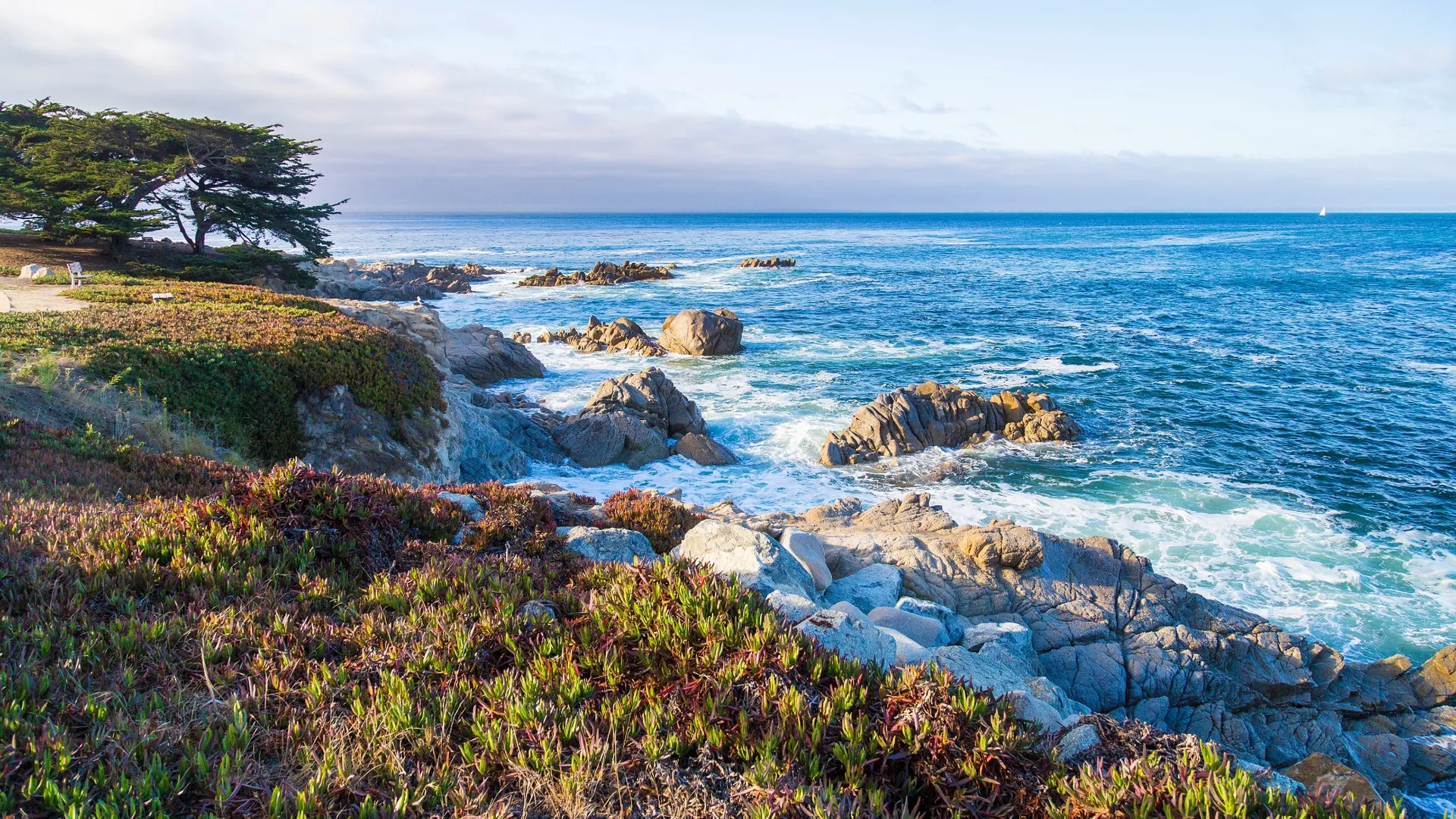
    Spend any amount of time in Pacific Grove, and you will likely start daydreaming about living in this idyllic town. Victorian homes dot the landscape, and the views of Monterey Bay and its wildlife, including otters, whales and seals, can’t be beat. Lovers Point Park is a great spot for swimming and picnicking, while Asilomar State Beach gets you close to tide pools.

    Yachats, Oregon
    Forget about racing around and trying to pack a ton of activities into your visit. Yachats is all about slowing down, connecting with nature and enjoying the scenery. The best place to do this is Cape Perpetua, where the forest meets the sea. Nearby is Thor’s Well, a stunning collapsed sea cave also known as the Drainpipe of the Pacific. 

    Read more


    Poll watch

    A majority of young Americans distrust the top figures in the AI industry, according to a CNBC Generation Lab survey of 1,088 adults ages 18 to 34. Of the nine leaders included in the survey, Palantir CEO Alex Karp has the worst score, with an 81% distrust rating, while Microsoft CEO Satya Nadella has the best but is still viewed with 65% suspicion. 


    INSTANT OPINION

    Today’s best commentary

    ‘After honeymooners crash in a helicopter, tourist choppers give us pause’
    Chicago Tribune editorial board
    Helicopters are often “vital tools,” and there are “many diligent safety-conscious operators of helicopters that serve tourists,” says the Chicago Tribune editorial board. But recent crashes are “enough to give us pause about getting on one, especially if there’s another choice of transportation to a popular destination.” It’s a “timely reminder there are lots of ways in these final weeks of summer of making it to a secluded vacation place: by boat, car, minibus, train or even a sturdier plane.”

    ‘A fake poll made real news. What does that say about political polling?’
    Ren LaForme, Angela Fu, Amaris Castillo and Phoenix Chapital at the Poynter Institute
    Polling has “always presented journalists with a tricky proposition,” say Ren LaForme, Angela Fu, Amaris Castillo and Phoenix Chapital. There’s “something irresistible about them,” but polls are “estimates, not predictions.” Their “usefulness depends heavily on who conducted them, who they surveyed and how.” As a fake poll by “Median Strategies demonstrated, the appearance of a methodology, a sample size and a margin of error can make invented numbers look a lot like real ones.”

    ‘Death stalks the Irish pub’
    Jude Webber at the Financial Times
    Death is “revered in Ireland more than it’s feared — unless it’s the pub that’s dying,” says Jude Webber. From a “peak of more than 8,600 in 2005, the number of public houses has shrunk by a quarter in two decades,” and some fear a “terminal decline of one of Ireland’s best-loved institutions, especially in rural areas.” The “slow extinction of the Irish pub itself, with its cozy snugs, live music and warm welcome, is cause for increasing alarm.”


    WORD OF THE DAY

    bioloon

    A biodegradable party balloon. Regular balloons take years to break down and release harmful chemicals and debris that threaten wildlife. So scientists at Imperial College London have invented a green bioloon, partly funded by a party planner who wanted to reduce the impact of balloon litter on seabirds. It’s no more expensive to make and is easier to blow up.


    Evening Review was written and edited by Theara Coleman, Nadia Croes, Catherine Garcia, Scott Hocker, Anya Jaremko-Greenwold, Justin Klawans, Harriet Marsden and Joel Mathis, with illustrations by Julia Wytrazek.

    Image credits, from top: Illustration by Julia Wytrazek / Getty Images; Miguel Schincariol / AFP / Getty Images; Ian Maule / Getty Images; Serbek / Getty Images
     

    Recent editions

    • Morning Report

      U.S. national debt hits ‘ominous’ new milestone

    • Evening Review

      The desertification fight

    • Morning Report

      Trump’s hit-and-miss primary night

    VIEW ALL
    TheWeek
    • About Us
    • Contact Future's experts
    • Terms and Conditions
    • Privacy Policy
    • Cookie Policy
    • Advertise With Us
    • FAQ
    Add as a preferred source on Google Add as a preferred source on Google

    The Week is part of Future US Inc, an international media group and leading digital publisher. Visit our corporate site.

    © Future US, Inc. Full 7th Floor, 130 West 42nd Street, New York, NY 10036.