The Week The Week
flag of US
US
flag of UK
UK
https://cdn.mos.cms.futurecdn.net/flexiimages/jacafc5zvs1692883516.jpg

SUBSCRIBE & SAVE

Less than $3 per week

Sign in
  • View Profile
  • Sign out
  • The Explainer
  • The Week Recommends
  • Newsletters
  • Cartoons
  • From the Magazine
  • The Week Junior
  • Student Offers
  • More
    • Politics
    • World News
    • Business
    • Health
    • Science
    • Food & Drink
    • Travel
    • Culture
    • History
    • Personal Finance
    • Puzzles
    • Photos
    • The Blend
    • All Categories
  • Newsletter sign up Newsletter
  • The Week Evening Review
    Education reforms, the ‘Burnham bounce’, and the politics of archeology

     
    TALKING POINT

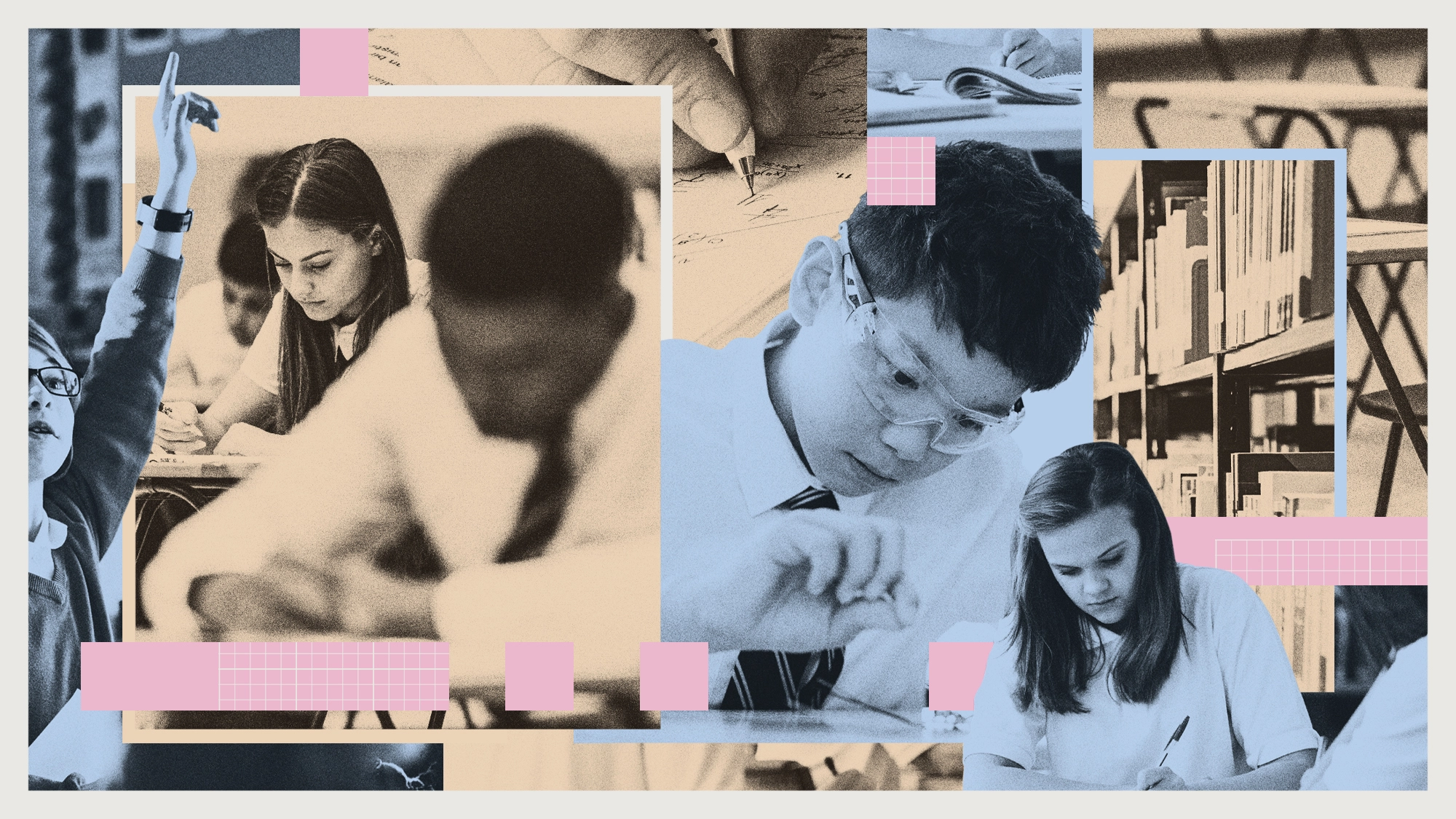
    England’s education reforms: a global success?

    When Michael Gove became education secretary in 2010, the UK’s scores in a comparison of education attainment across 38 developed countries were “at an all-time low”, said The Times. Gove used the data from the OECD’s Programme for International Student Assessment to introduce a new curriculum in England that emphasised core subjects.

    Since then, the UK’s 15-year-olds have “climbed global rankings” in literacy and numeracy, coming ninth among OECD peers for reading (up from 20th) and 11th for maths (up from 22nd). In the most recent Pisa assessment, the UK’s scores were all “above the OECD average”.

    ‘Starting to bear fruit’
    I’m not saying England’s education system is “perfect”, said Stephen Bush in the Financial Times. But “the focus on a knowledge-rich curriculum” has led to “better outcomes for most pupils”, and the proportion of children getting good GCSEs has “continued to climb”. England’s school system is a “genuine public policy success of the last 25 years”.

    The improvements “have been seen across the board”, said Ofsted’s former chief inspector Amanda Spielman in The Spectator. And children from a wide range of backgrounds and of varying academic abilities have benefited.

    Many people believed Gove’s “deeply unpopular” reforms were a “big step backwards”, said The Economist. But countries that “pressed on with more fashionable approaches” have seen their scores fall. The data comparing us with other developed nations provides “good reason to think that England’s reforms are starting to bear fruit”.

    Scores have ‘hardly risen’
    Comparisons with international averages disguise a “decline in national educational attainment”, said The Times. Our actual scores have “hardly risen”. England is outperforming Scotland and Wales, but overall, the UK’s latest Pisa figures for science have dropped 14 points compared with 2009, while maths has dropped three. It’s the declines among OECD peers that have “pushed the UK’s schools up the rankings”. According to the OECD, the pandemic caused attainment to drop globally, which reduces the ability of the Pisa scores to “serve as an accurate barometer”.

    Ultimately, said The Times, “success is more than educational attainment”. According to the Education Policy Institute, UK students have “the second-lowest average life satisfaction of 15-year-olds across all OECD countries”.


    TODAY’S BIG QUESTION

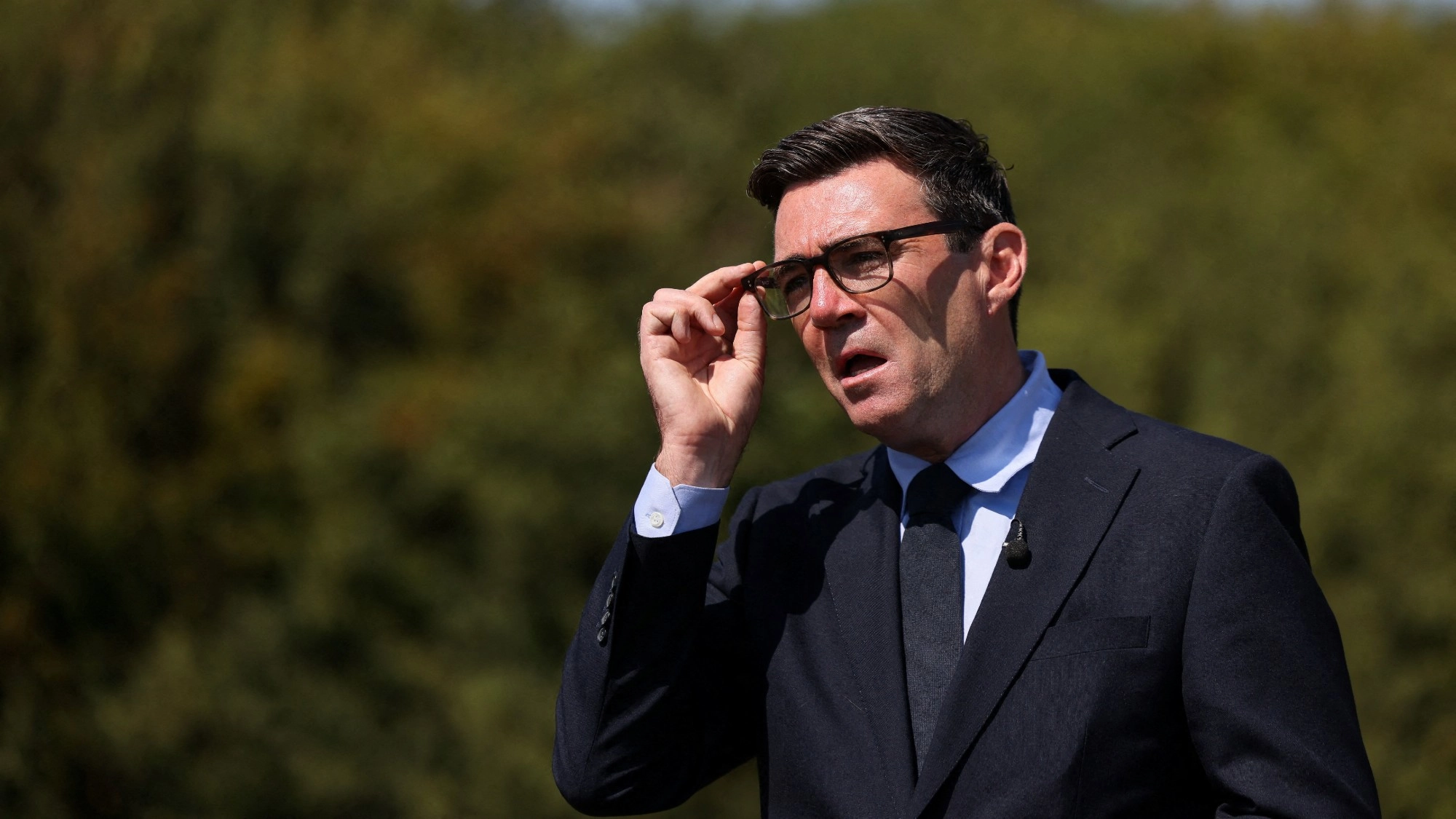
    Will Andy Burnham call an early election?

    Andy Burnham’s aides have been “adamant, consistent and emphatic” that there will be no snap election, said The Spectator’s political editor Tim Shipman. But the prime minister’s obvious hesitation when asked the question during a recent interview with Laura Kuenssberg “was that of a man calculating the trade-off between survival now and long-term freedom of manoeuvre”.

    What did the commentators say?
    Burnham spent his first two weeks as PM in a “blitz of hyperactivity”, said The Guardian’s deputy political editor Jessica Elgot. “Bus fares, business rates, energy bill cuts, defence, Ukraine and devolution – he has been everywhere.” Burnham has brought a “renewed sense of optimism” among Labour MPs, buoyed by a series of polls that show the party leading Reform UK for the first time in more than a year.

    For all his denials, he “will be furtively wondering whether it might become feasible to go to the country this autumn or early next year”, said The Observer’s associate political editor Andrew Rawnsley. If “the bounce does get bouncier” then “the risk-reward ratio could begin to look more enticing”.

    Labour candidate Bev Craig’s emphatic win in the Manchester mayoral election will have given Burnham “more food for thought”, said The Telegraph’s John Power. The PM’s coronation has, “for the moment, crushed his left flank”, while the right is now “electorally split between the Conservatives and Reform”. 

    The “strategic logic” behind calling an early election “seems unassailable if the polls continue to trend up”. With no mandate and a reality-checking Budget due at the end of October, Burnham’s “political strategy of promising everything to everyone has a natural timespan on it”. Labour sources are briefing that if the government consistently wins poll leads of 5% to 8%, Burnham will be advised to “go for it”. 

    What next?
    If Burnham does call an early election, “he’ll be like a gambler sticking all his winnings on one last spin of the roulette wheel”, said Harvey Jones in the Daily Express. “My guess is he’ll bank them instead”, but “if the first big crisis sends his poll rating into freefall, he may wish he’d thrown caution to the wind while Lady Luck was still smiling”.


    QUOTE OF THE DAY

    “This is an utter betrayal – and it’s one I will not be able to forgive or forget.” 

    The widow of PC Andrew Harper speaks out after learning that two of her husband’s killers remain eligible for early release under Andy Burnham’s revised plans to tackle prison overcrowding. In a statement, Lissie Harper said she was “beyond appalled”.


    Poll watch

    Almost half (43%) of Brits have noticed something that mildly repulses them about their partner while on holiday, according to a survey of 2,000 adults by airline Vueling. Clapping when the plane lands tops the list of turn-offs, followed by photographing every meal for Instagram.


    THE EXPLAINER

    Israel digs in on control of ancient West Bank sites

    The next major battle between Israel and Palestine might be fought not on the ground but below it. Israel is attempting to seize the land around archaeological sites throughout the West Bank, in what Palestinian authorities have condemned as illegal steps toward de facto annexation. Israel’s parliament has proposed a bill to create a new Israeli body in the West Bank that would “have the power to conduct excavations, declare sites, expropriate lands and more”, said Haaretz.

    What sites are affected?
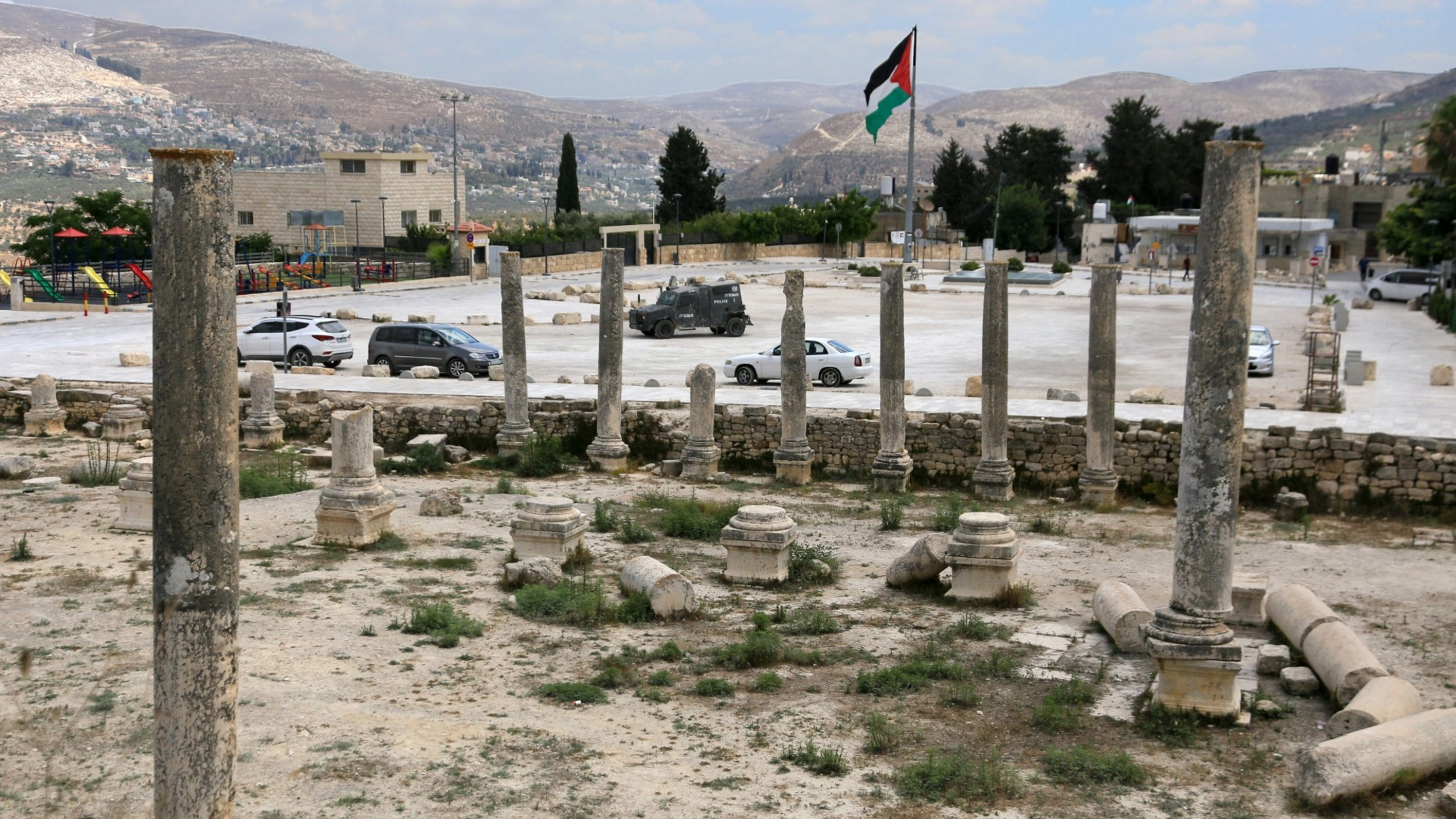
    Israel is “undertaking a major drive to develop and expand archaeological sites in the occupied West Bank”, said The Forward. The two most prominent are Sebastia, a small town near the West Bank city of Nablus, and Jericho, another West Bank city that is home to the ancient Hasmonean Palaces.

    Sebastia is “one of the most layered archaeological sites in the Middle East”, said CNN. Its history “goes back at least 3,000 years” to when it was the capital of the ancient Kingdom of Israel. Sebastia’s archaeological mound “lies in Area C of the West Bank, under full Israeli civil and security control according to the Oslo Accords”, while the adjacent town is in “Area B, under mixed Palestinian-Israeli jurisdiction”.

    What is Israel’s motivation?
    Israeli authorities believe it is “incumbent upon Jewish citizens to connect to their history and heritage”, said The Forward, and to protect it. Officials claim the Hasmonean Palaces site is under “deliberate and systematic destruction by the Palestinian Authority” as part of a broader “bid to erase evidence of Jewish ties to the land”.

    How has Palestine responded?
    Palestinian and Israeli rights groups say the development of West Bank archaeological sites is “tantamount to annexation of occupied land and would expand Jewish settlements”, said Reuters. At the urging of Palestinian officials, Unesco recently designated Sebastia a full World Heritage site, in a bid to “prevent Israel extending ​its control at the ancient village”.

    The Israeli government, however, remains steadfast. “The area is Israeli territory,” Heritage Minister Amichai Eliyahu told CNN. “It belongs to the Jewish people.”


    Good day 🦤

    … for baby seabirds, as an annual guga hunt in the Outer Hebrides is banned for the first time in more than 400 years. Public agency NatureScot cited conservation concerns after refusing to grant a licence for the controversial event, during which up to 2,000 gannet chicks on the uninhabited island of Sula Sgeir are killed and eaten as a delicacy.


    Bad day 🔭

    … for the Royal Observatory, as staff prepare to stage a walkout during next week’s solar eclipse. The Prospect union said 77% of its members at Royal Museums Greenwich, which also operates the National Maritime Museum, Cutty Sark and Queen’s House, voted to take strike action on 11 and 12 August over poor pay and working conditions. 


    PICTURE OF THE DAY

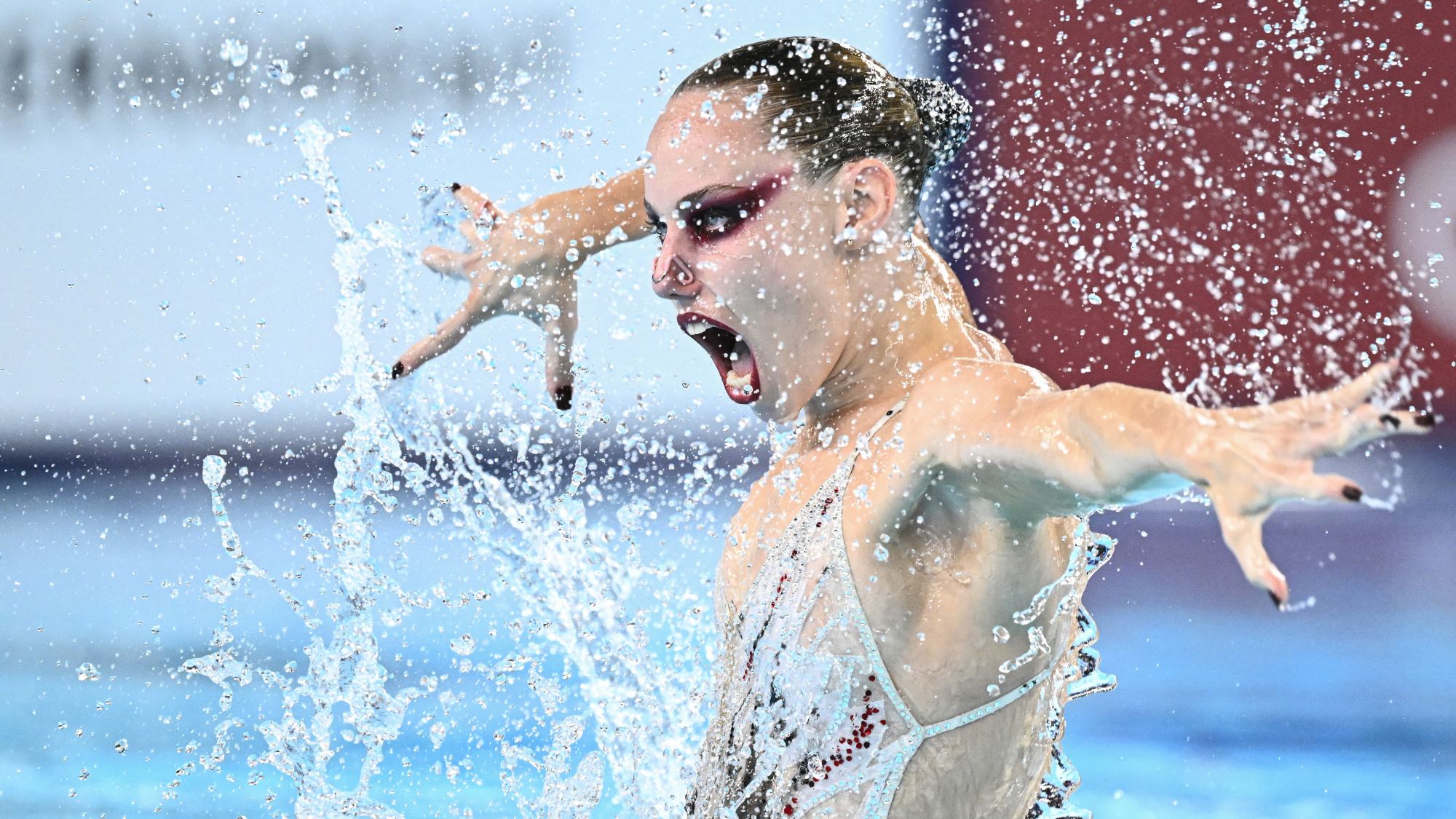
    Making a splash 

    Vasilina Khandoshka competes in the women’s solo technical artistic swimming final at the European Aquatics Championship in Paris. The Belarusian athlete scooped the silver medal, a day after winning the gold in the women’s solo free routine event.

    Julien de Rosa / AFP / Getty Images 


    Puzzles

    Chain Word

    Try The Week’s new daily word challenge in our puzzles and quizzes section

    Play here


    THE WEEK RECOMMENDS

    An Odyssey-inspired adventure

    If you’ve watched Christopher Nolan’s adaptation of “The Odyssey” and feel inspired to embark on an epic journey of your own, consider visiting these stunning locations. The director shot in six countries to bring Odysseus’ voyage to life, from the sand dunes of Morocco to the rugged cliffs of Scotland.

    Italy 
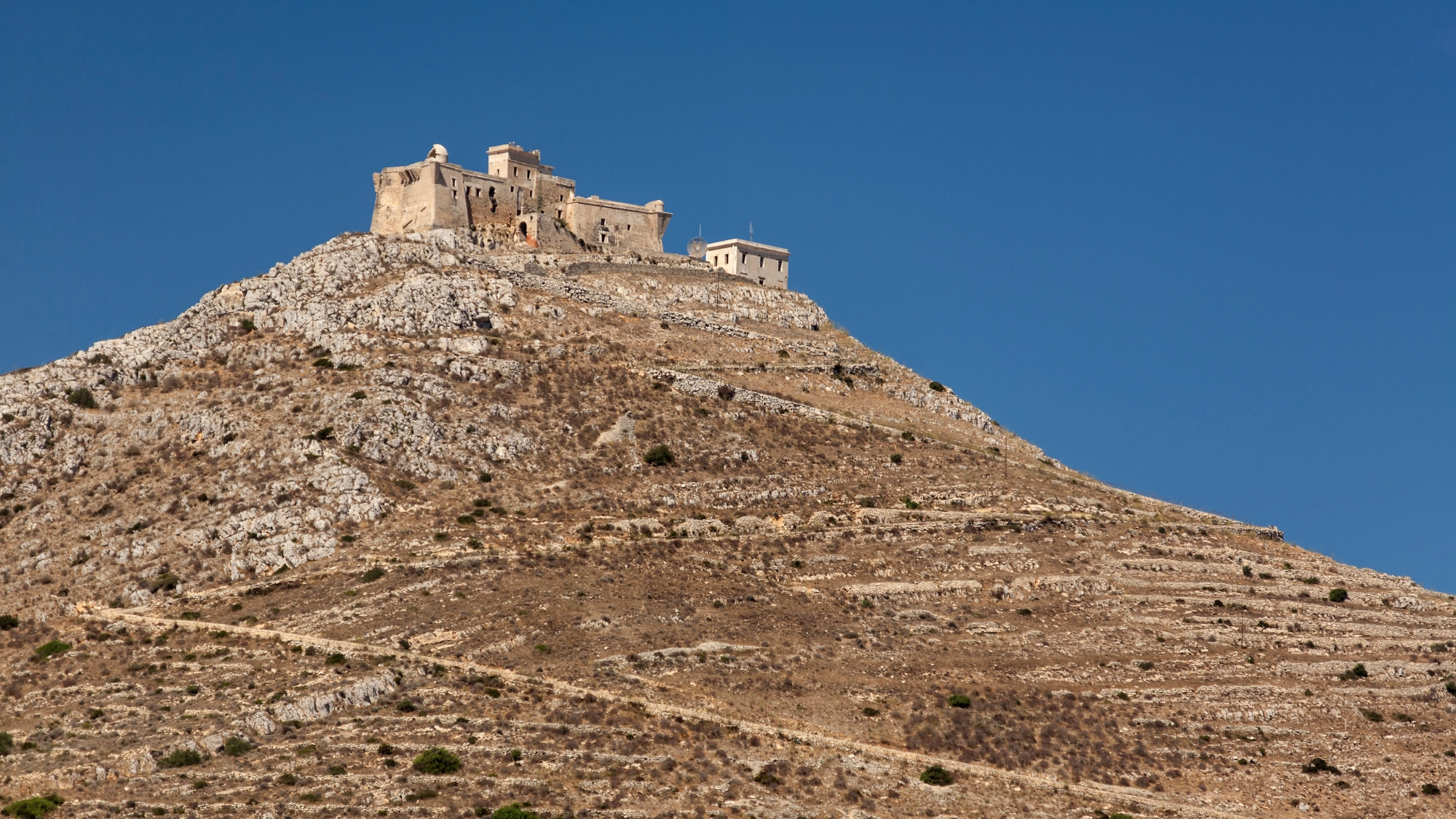
    Odysseus’ journey began on his island home of Ithaca in the Ionian Sea. Instead of filming there, Nolan chose to shoot the scenes on Favignana, off the coast of Sicily. Known as the “butterfly island” because of its shape, Favignana is an “easy” ferry ride from Sicily’s Trapani port, said Wanderlust.  The 15th-century “ruined fortress” (pictured above) on the top of the hill “made for the perfect stand-in” for Odysseus’ palace.

    Greece 
    If you’re reliving a Greek epic, a visit to Greece is a must. Head to Nestor’s Cave in the Peloponnese region, where the Cyclops sequence was filmed. The crew had to haul a 60ft “animatronic monster” up to the cave every day because of Nolan’s “aversion” to using green screen, said Wanderlust. The homecoming of King Agamemnon was filmed in areas outside Messenia and near Athens where the windiness “worked well” with all the flags and the banners in the sequence, production designer Ruth De Jong told Condé Nast Traveller.

    Morocco 
    Next stop is the “undulating sand dunes” and “mud-brick buildings” of Morocco, said British Vogue. The country brought an “authentically ancient atmosphere” to the film, with the Unesco-listed village of Aït Benhaddou used as the city of Troy. The group of “earthen buildings surrounded by high walls” has been a “desirable” filming location for many other historical blockbusters including “Lawrence of Arabia”.

    Scotland
    The “craggy rocks” and verdant cliffside just outside Cullen in the Highlands were the perfect place for the witch Circe’s home, De Jong told Condé Nast Traveller. And the “atmospheric ruins” of Findlater Castle by Moray Firth, said Wanderlust, became the backdrop for one of the “most unnerving scenes” of the film when Circe “turns Odysseus’ crew into gluttonous pigs”.


    Statistic of the day

    2.6 billion: How many litres of water are lost each day through leaky pipes in England and Wales, according to Environment Agency data. An analysis by The i Paper found that water companies are losing far more water through leakage than the hosepipe bans implemented amid the ongoing drought can save.


    instant opinion

    Today’s best commentary

    In the silence, you can hear society crumble
    James Marriott in The Times
    “Amid the din of modern cities there is an eerie void of silence,” writes James Marriott. Recent research suggests the number of words spoken by the average person declined from 16,632 in 2005 to 11,900 in 2019. As those “missing words” disappear into “earbuds and screens”, casual but valuable “human interactions are being stripped out of society”. I fear that “a country that does not mingle will find itself more easily divided”.

    The party is over for Nigel Farage. Will anyone dare tell him?
    Sean O’Grady in The Independent
    “Not so long ago”, Nigel Farage looked set to become our next prime minister, writes Sean O’Grady. Now, “damaged by the maelstrom of allegations about him and money”, the Reform leader “is turning into an electoral liability” who “appears so toxic that he virtually forces people to set aside their differences and to vote tactically” against his party. Yet Farage “retains cult leader status” within Reform, so he will only go when “he himself chooses to do so”.

    With Russia at the door and the US backing away, Europe has to build its own ‘way of war’
    Nathalie Tocci in The Guardian
    “Russia’s imperial ambitions start with Ukraine, but they don’t end there,” writes international relations expert Nathalie Tocci. Europe cannot rule out a “kinetic war to defend ourselves against Moscow in the coming months”, and we “are waking up to the reality” that “the US may not be there” for us. That “would instantly break Nato”, so as a “critical insurance policy”, we need to make new “coalitions of the willing” that bypass Washington.


    word of the day

    Morphology

    The biological study of the form and structure of animals and plants. The Union Cycliste Internationale has issued a warning about clothing that “could modify riders’ morphology”, following reports that women competing in the Tour de France Femmes may be using oversized padded bras to gain an aerodynamic advantage.


    Evening Review was written and edited by Irenie Forshaw, Rebecca Messina, Chas Newkey-Burden, Kari Wilkin, Justin Klawans, Harriet Marsden, Lea Tran, Helen Brown and Adrienne Wyper. 

    Image credits, from top: illustration by Stephen P. Kelly / Getty Images; Jack Taylor / Pool / AFP / Getty Images; Julien de Rosa / AFP / Getty Images; Giovanni Tagini / REDA / Universal Images Group / Getty Images

    Morning Report and Evening Review were named Newsletter of the Year at the Publisher Newsletter Awards 2025
     

    Recent editions

    • Evening Review

      A merging of two wars?

    • Morning Report

      Blanche kills ‘anti-weaponization fund’

    • Sunday Shortlist

      The sexual anxiety of Gen Z

    VIEW ALL
    TheWeek
    • About Us
    • Contact Future's experts
    • Terms and Conditions
    • Privacy Policy
    • Cookie Policy
    • Advertise With Us
    • FAQ
    Add as a preferred source on Google Add as a preferred source on Google

    The Week is part of Future US Inc, an international media group and leading digital publisher. Visit our corporate site.

    © Future US, Inc. Full 7th Floor, 130 West 42nd Street, New York, NY 10036.