The Week The Week
flag of US
US
flag of UK
UK
https://cdn.mos.cms.futurecdn.net/flexiimages/jacafc5zvs1692883516.jpg

SUBSCRIBE & SAVE

Less than $3 per week

Sign in
  • View Profile
  • Sign out
  • The Explainer
  • The Week Recommends
  • Newsletters
  • Cartoons
  • From the Magazine
  • The Week Junior
  • Student Offers
  • More
    • Politics
    • World News
    • Business
    • Health
    • Science
    • Food & Drink
    • Travel
    • Culture
    • History
    • Personal Finance
    • Puzzles
    • Photos
    • The Blend
    • All Categories
  • Newsletter sign up Newsletter
  • The Week Evening Review
    Musk’s and Altman’s bold claim, teen tradwives, and the sleep ‘sweet spot’

     
    talking points

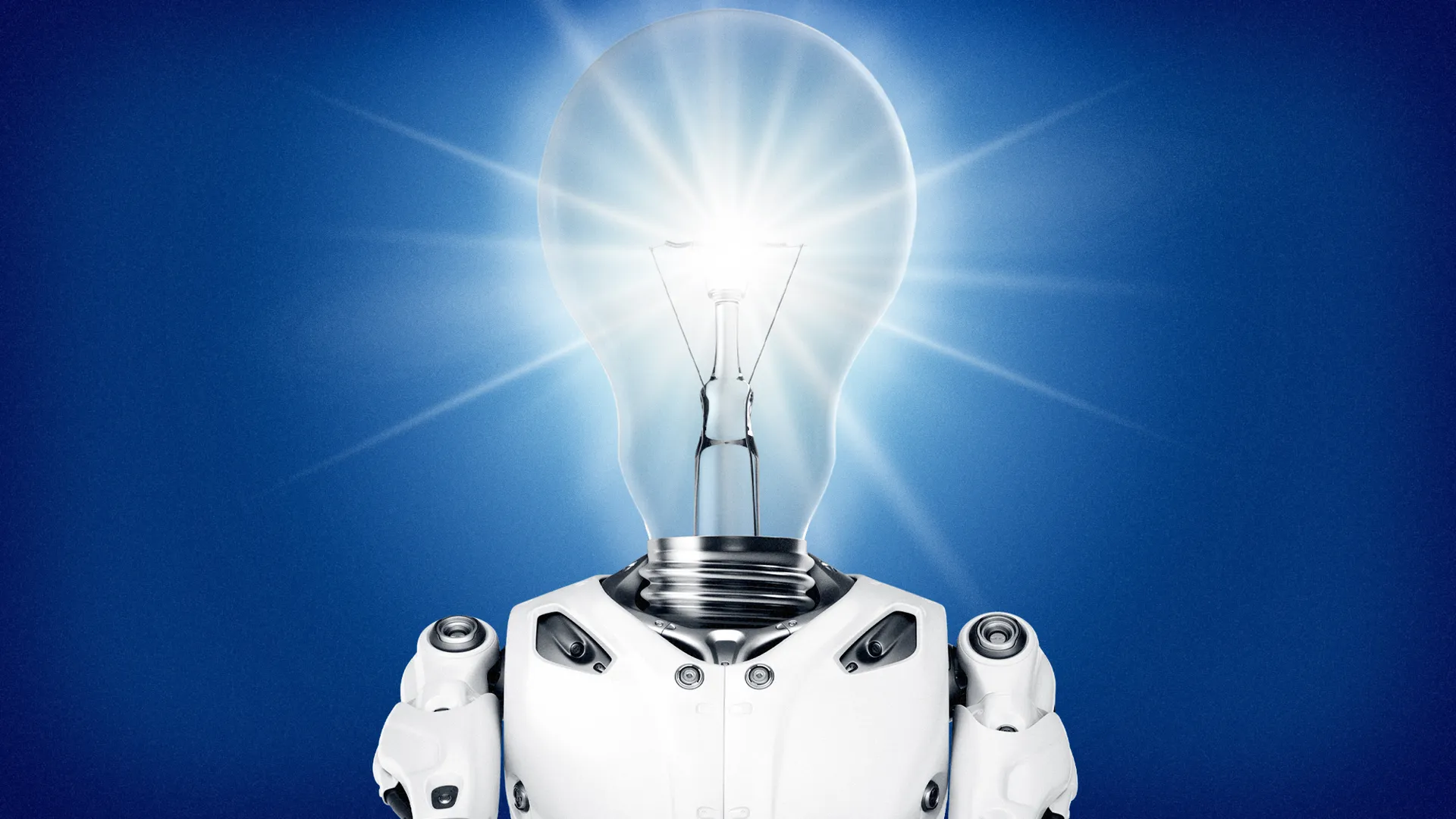
    Have we reached the AI singularity?

    OpenAI CEO Sam Altman believes that we have reached the singularity, an inflection point at which humankind can no longer keep up with how quickly artificial intelligence improves itself. And he’s not the only tech mogul who thinks so. Just a few weeks before Altman, Elon Musk said in an X post that the singularity has arrived. But these claims have awoken a chorus of skeptics.

    ‘Advancing unusually fast’
    A true AI singularity would “force hard choices” about who controls increasingly autonomous systems, how benefits are distributed, and where human authority must remain final,” said tech executive Robert J. Szczerba at Forbes. The current state of AI “already warrants those questions.” 

    Altman may be right that a “gentler singularity is already underway,” with AI “steadily reshaping work and research,” said Szczerba. Still, while it’s “advancing unusually fast” and that “deserves serious attention,” it does not mean “we have passed a point of no return.”

    There’s “no single ladder that humans and machines are climbing,” said Kai Riemer and Sandra Peter, professors at the University of Sydney, at The Conversation. AI already “vastly exceeds us at some tasks, while being “hopeless at others any child can do.” But because the “systems talk like us, we fall for an illusion.” 

    ‘Not actually there yet’
    It may be impossible to know exactly when we have crossed into the singularity, said philosopher Nick Bostrom to Business Insider. AI is showing the “first stirrings” of recursive self-improvement, but it lacks the capability for continual learning. Using current AIs is like “working with a brilliant and extremely well-educated recruit,” but it’s “always their first day at the job.”

    Altman, as is “often the case, is simply aping Elon,” said scientist Gary Marcus on Substack. The CEOs making these claims shouldn’t be taken seriously because “none of them has actually defined what they mean.” 

    “No matter how you slice it, we just are not actually there yet,” said Marcus. If we were, we “wouldn’t be once again seeing” the Klarna Effect, which is the “AI hype two-step” where “employers boast of using AI to reduce headcount only to quietly rehire humans.”


    QUOTE OF THE DAY

    ‘You wanted to take all our Ukraine, all our land. Instead, you lost your refineries, your fleet, your profits and an entire generation that you fed into the meat grinder.’

    President Volodymyr Zelenskyy in a video from Kyiv marking the 35th anniversary of Ukraine’s Independence Day and directly addressing Vladimir Putin. The Russian president wanted Ukrainians “erased from the map,” but now he’s “absent from the international agenda of the future civilization,” added Zelenskyy.


    IN THE SPOTLIGHT

    Teen girls are picking up the tradwife life

    After spending years building audiences and influencer careers showcasing traditional gender roles, some of the earliest so-called tradwives are now denouncing the category, including those who say they never claimed the label for themselves in the first place. While this could be seen as a shift away from conservative influencers, a new crop of teenage tradwives is already waiting to prove that notion wrong.

    Influencers dropping the label
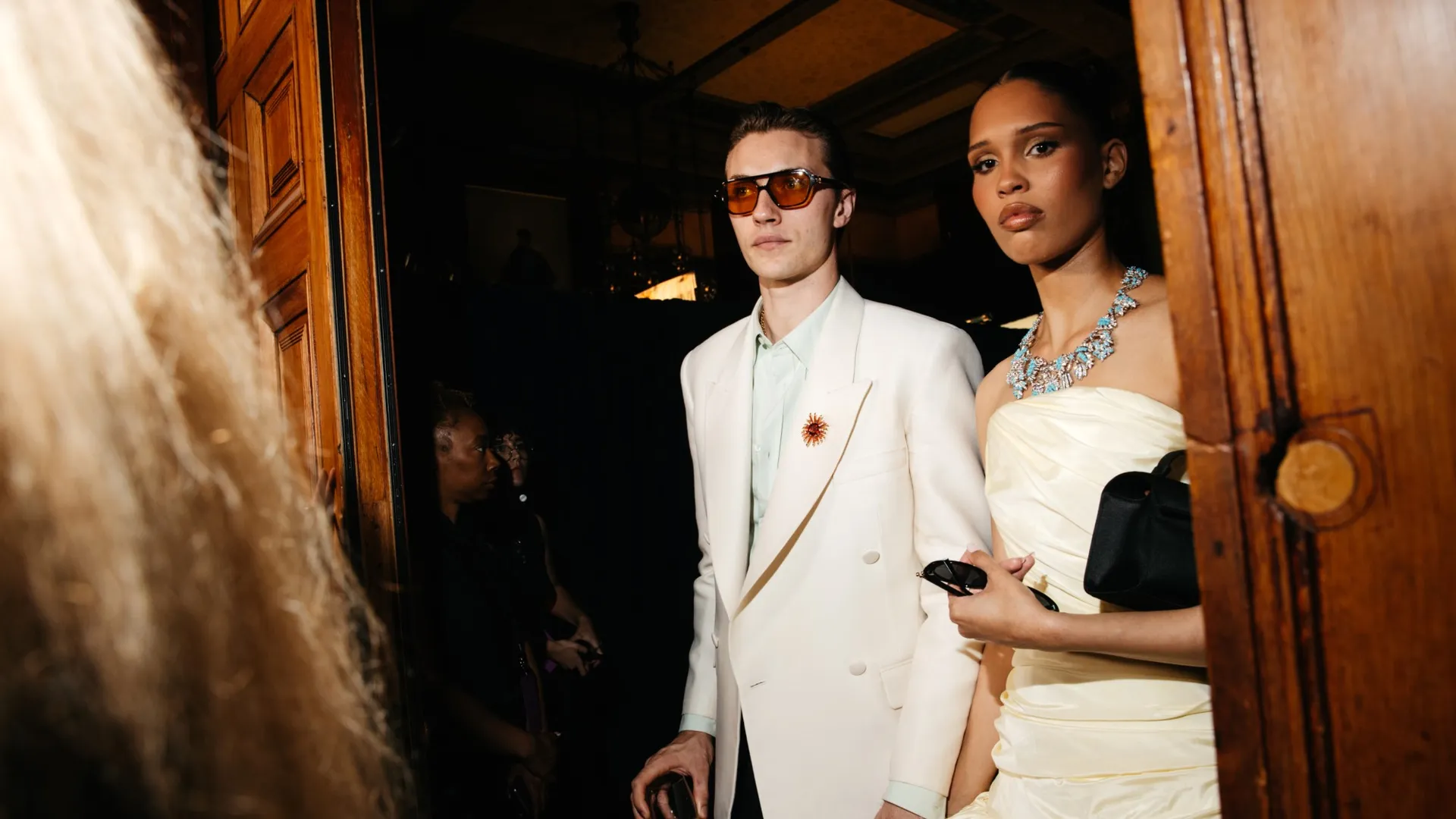
    Despite having built much of her more than 12 million followers on TikTok through an “outlandish portrayal of domestic perfection,” model and influencer Nara Smith (pictured above with her husband, Lucky) has made waves after “vehemently” disavowing the tradwife label on the “Call Her Daddy” podcast, said Jessica Grose at The New York Times. And she’s not the only popular tradwife who has veered clear of the terminology. In June, Ballerina Farm’s Hannah Neeleman admitted that she “steers clear of conversations around tradwives,” said Vanity Fair.

    For some, the sudden shift can be tied to tradwives being regarded as MAGA-coded. It’s no longer “considered cool” to be “tacitly embracing the Trumpian vision,” said Grose. 

    The next generation
    There’s a new cohort of “young, often teenage, married influencers,” said Vanity Fair. They have gone viral in the last few months by “mimicking the content formula perfected by their tradwife forebears.”

    The lifestyle choices of “teen tradwives” are “certainly not reflective of the country as a whole,” especially as Gen Z women are still “going to college and entering the workforce at a higher rate than their male counterparts,” said Isabel Bekele at Dazed. Still, the fact that these videos “exist and are gaining traction at all” feels indicative of the “current cultural dissonance” in the U.S. 

    Smith may not be a tradwife, but that “doesn’t mean that the movement is going anywhere,” whether that’s due to the country’s “shift to the right,” the internet’s “obsession with hate-watching,” the algorithm’s “tendency to reward extreme content” or all of the above, said Bekele. With or without the first-era influencers, tradwives will “continue to exist.” 


    Statistic of the day

    2,300: The number of Mexicans deported to Guatemala and Honduras this year, according to federal data. Typically, Mexicans deportees have been sent “almost exclusively back to their country by air and land,” said The Associated Press. And some believe this year’s deportations are retaliation against the Mexican government for protesting the deaths of Mexicans in immigration custody.


    THE EXPLAINER

    The ideal length of time to sleep

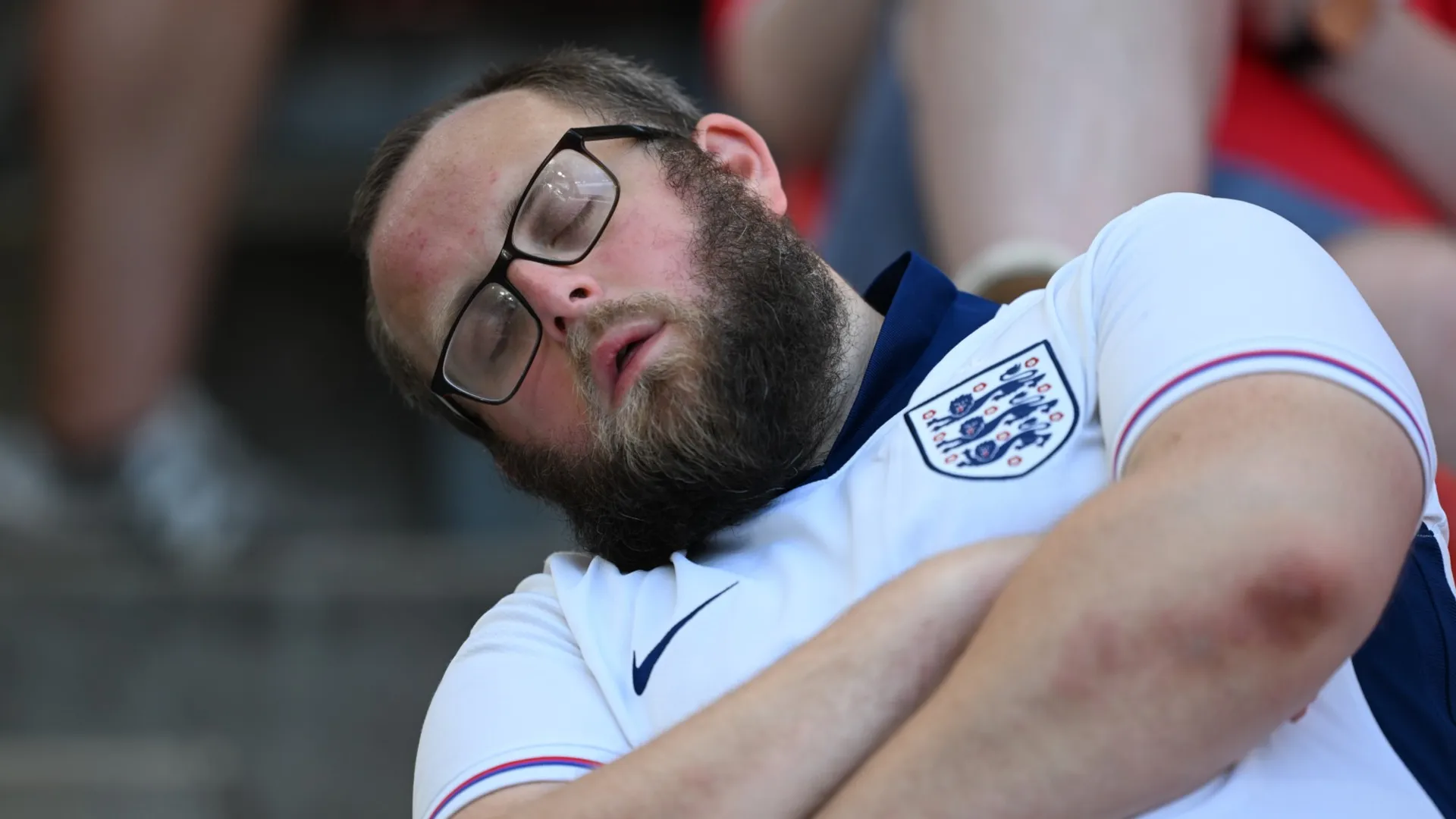
    Most people “guess” that eight hours is the optimal amount of sleep, but a study published in the journal Nature has found that the “sweet spot” is rather less, said Allie Hare, a consultant in sleep medicine, at The Telegraph. And “falling short or exceeding” this “precise window” is “linked with poorer brain, heart and immune health.”

    What does the research say?
    The ideal amount of nightly sleep is between six hours and 24 minutes and seven hours and 48 minutes, according to researchers at Columbia University Irving Medical Center in Manhattan. Getting this amount of shut-eye is associated with a lower risk of early death and disease, and insufficient or excessive sleep may be “markers of poorer overall health across the body,” said the study.

    Previous research has found that getting too much or too little sleep is “largely linked to aging and the pathological burden of the brain,” said lead author Junhao Wen in the study. But this new research “goes further” and shows that it’s also “associated with faster aging in nearly every organ.”

    Is it different for men and women?
    Women “seem to do better with a little longer,” said Marie-Pierre St.-Onge, the director of Columbia University’s sleep research center, to The Washington Post. They need “15 to 20 minutes” more sleep than men, which reflects sleep durations reported by the “general population” that “tend to be slightly longer” for women.

    So everyone should be getting 7 hours?
    There are conflicting theories. “Individual needs” theories hold that there’s no universal ideal because different genetics, age, health and activity levels influence each person’s optimal amount of sleep. And “adaptive or evolutionary” theories contend that the correct amount of sleep varies according to the season of the year, workload, stress and illness.

    But we “might be overthinking it,” said The Guardian. Sleep is “important and fascinating” for scientists to explore, but “surely for the rest of us” it’s “best left mysterious.” There’s “so little we can do” to reach the “ideal” amount of unconsciousness, so “knowing precisely how bad that is for us is unhelpful.”


    Good day ☕

    … for coffee drinkers. People who regularly consume coffee tend to have less total body fat and less visceral fat, which is stored around internal organs, according to a Finnish study published in the European Journal of Nutrition. The findings may shed light on why coffee is associated with a reduced risk of Type 2 diabetes and cardiovascular disease. 


    Bad day 😷

    … for British festivalgoers. A dry spell in the U.K. is leaving outdoor music festival attendees wearing facemasks to avoid breathing “apocalyptic” clouds of dust amid warnings about the risk of respiratory problems, said The Times. The dust “shouldn’t stop people from going to festivals,” said Howard Branley, a respiratory medicine consultant, to the outlet, but revelers should protect themselves.


    Picture of the day

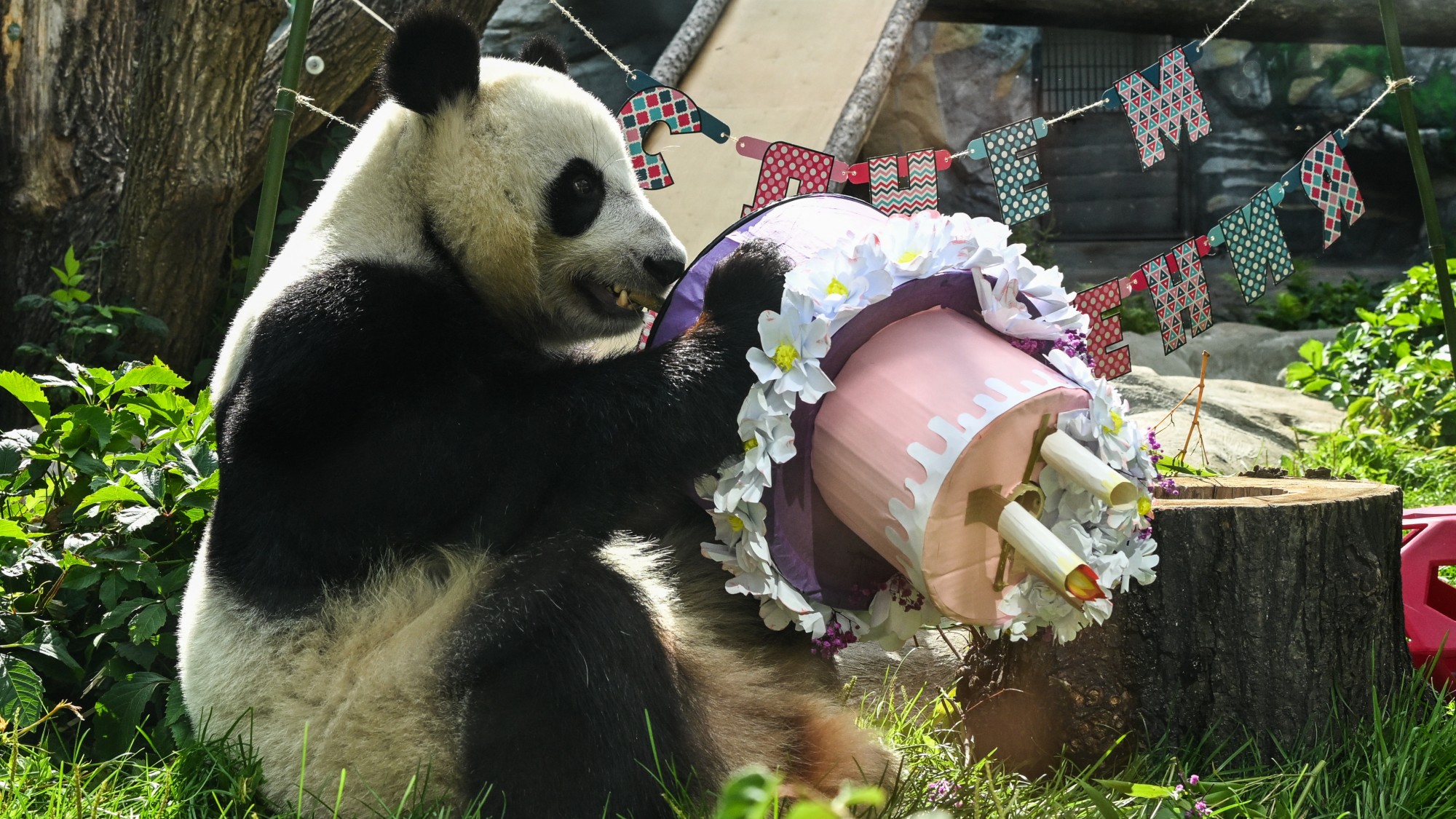
    Panda party

    Giant panda Katyusha celebrates her 3rd birthday with a bamboo cake at Moscow Zoo. The first of her species ever born in Russia, she is among about 800 giant pandas in captivity worldwide, while around 1,800 remain in the wild. 
    Emre Aytekin / Anadolu / Getty Images


    Puzzles

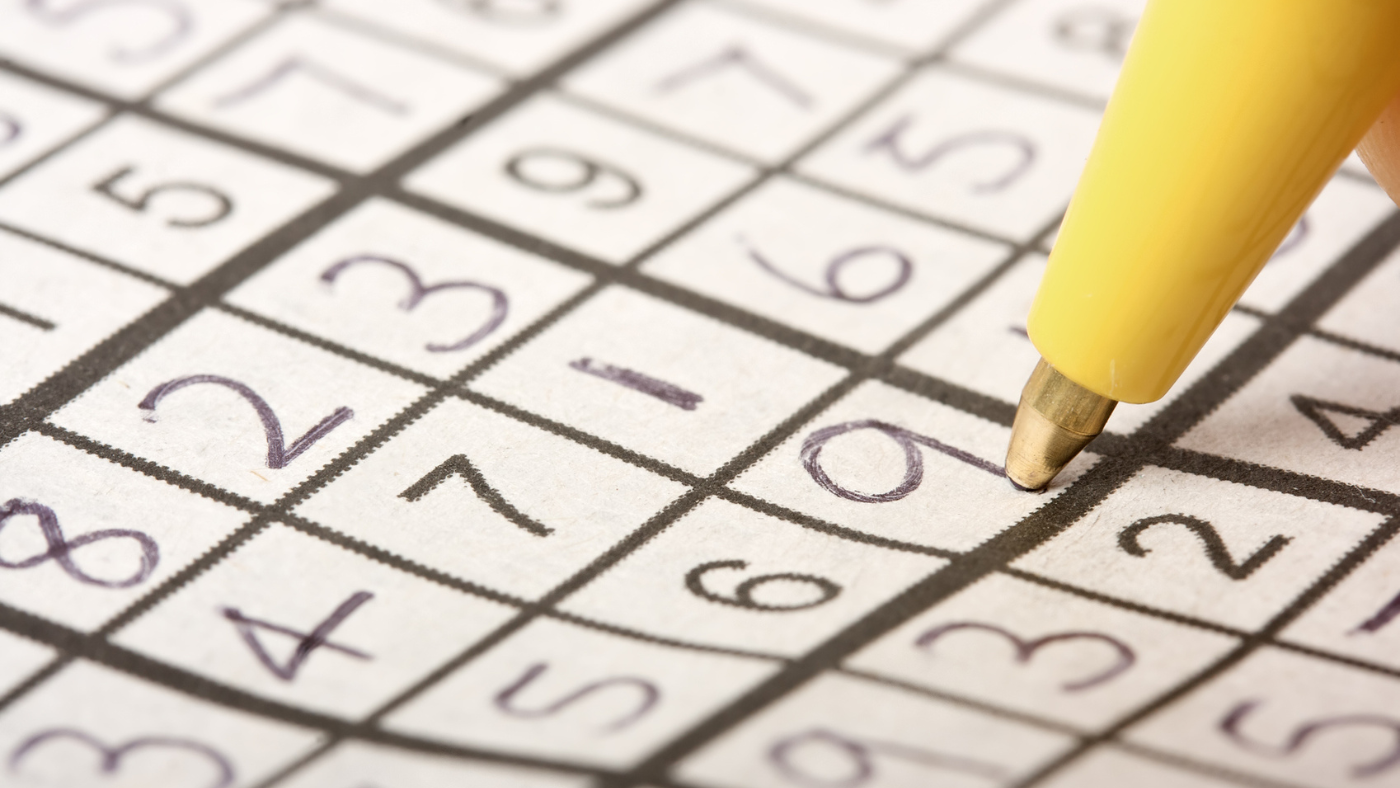
    Daily sudoku

    Challenge yourself with The Week’s daily sudoku, part of our puzzles section, which also includes guess the number

    Play here


    The Week recommends

    Get your thrills at these adventure-centric hotels

    For every traveler who wants to kick back and relax on their vacation, there’s another who refuses to sit still. These hotels and experiences are for the active voyager who is never too far from their golf clubs, knows where all the best tennis courts are and is always game for a new activity.

    Play padel at Adare Manor, Ireland
    Pickleball had its moment, and now it’s padel’s time to shine. A mix of tennis and squash, this racket sport is growing in popularity. Once the ancestral home of the Earls of Dunraven, the grand Adare Manor sits in a “secluded” area, and its many activities on top of padel, like fishing and falconry, are “fit for Irish nobility,” said Forbes.

    Get high up at Miraval Arizona, Tucson
    Take a flying leap and go out on a limb — safely, of course. While on the property’s Challenge Course, you can swing through the air, climb up a giant ladder, cross a tightrope and elevated platforms, and zipline. The course “encourages you to step out of your comfort zone both physically and mentally” and is “designed for personal growth,” said Condé Nast Traveler. 

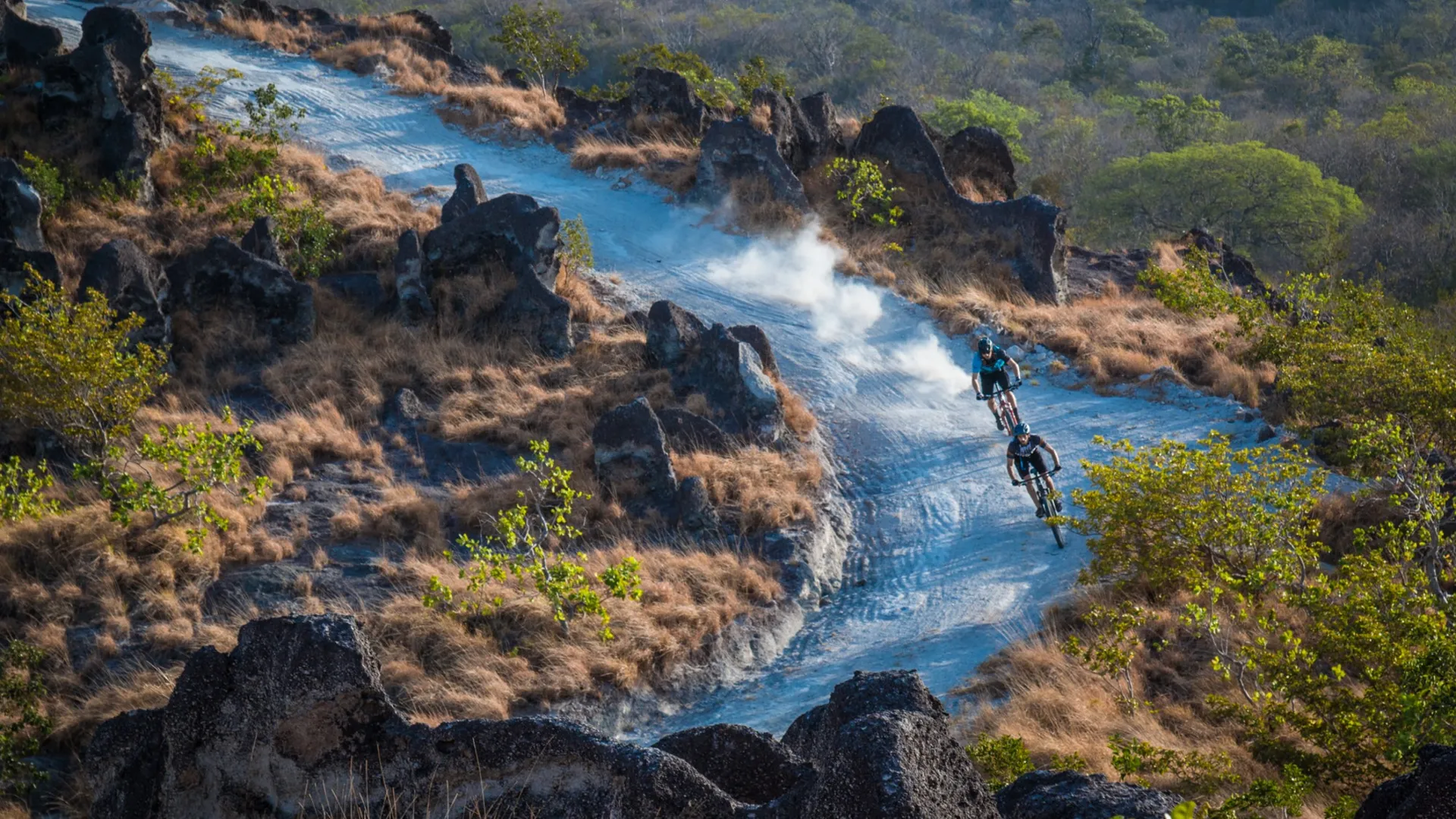
    Explore trails at Río Perdido, Costa Rica
    Guests have access to a vast network of solid rock trails for mountain biking (pictured above) that twist and turn through dry forest and a thermal canyon. Afterward, they can wind down in the property’s naturally heated thermal river and mineral pools covered by a canopy of lush tropical foliage.

    Read more


    Poll watch

    Between 30% and 52% of Europeans fear for their households’ health because of summer temperatures near or above 104 F, according to a YouGov survey in France, Germany, Italy, Poland, Spain and the U.K. of 1,028 to 2,105 adults in each country. Many people, from 27% in Spain to 53% in Germany, cannot keep their homes cool enough.


    INSTANT OPINION

    Today’s best commentary

    ‘An economic D-Day is coming for Iran’
    Scott Bessent at the Financial Times
    Trump and the “overwhelming might of our military have significantly dismantled Iran’s military capabilities and weakened its nuclear program,” says U.S. Secretary of the Treasury Scott Bessent. Now begins the “single greatest financial offensive ever marshaled against an adversary.” The “regime’s final refuge lies in the self-deception of fearful nations that still believe accommodating aggression can secure a durable peace,” but “our objective is to sever every economic lifeline that sustains the tyrannical regime until Tehran stands alone.”

    ‘We stopped family separation once. We must stop this, too.’
    Rosa DeLauro at Newsweek
    The “second Trump administration is again targeting children as it pursues its radical anti-immigration agenda,” says Rosa DeLauro. The “contract between the federal government and the Acacia Center for Justice” recently “lapsed after the administration refused to extend the agreement,” leaving more than “20,000 migrant children” without “legal representation.” But depriving kids of “adequate legal services is not targeting the ‘worst of the worst.’” These “frightened” children will be “forced to stand before an immigration judge to plead their own case.”

    ‘If only the MAGA “Nixonmaxxers” fully understood the 37th president’
    Lee Huebner at The Washington Post
    “‘Nixonmaxxing’ young conservatives seem intent on repairing the disgraced former president’s reputation,” considering him a “victim of Washington machinations,” says Lee Huebner. Nixon’s “pugilistic style” clearly appeals to the “populist right,” and his “antiestablishment sensibility is shared by Trump.” But there’s a “fundamental difference between the two men.” MAGA “denies election results and works to undermine confidence in America’s electoral system,” while Nixon notably “refused to join Republicans who were urging him to deny election results and defy court rulings.”


    WORD OF THE DAY

    hojicha

    A roasted Japanese green tea with a nutty, smoky flavor. Since demand for bright-green matcha has skyrocketed in the last few years, sending prices surging and straining supply, some are turning to hojicha for their “tea-based fix,” said The Independent. The “muted brown” tea may not be as aesthetically pleasing, but it’s less caffeinated, less “grassy-tasting” and “easier to drink.”


    Evening Review was written and edited by Theara Coleman, Nadia Croes, Catherine Garcia, Scott Hocker, Anya Jaremko-Greenwold and Chas Newkey-Burden, with illustrations by Stephen Kelly.

    Image credits, from top: Illustration by Stephen P. Kelly / Getty Images / Shutterstock; Lexie Moreland / Contributor / Getty Images; Gokhan Balci / Anadolu / Getty Images; Rio Perdido
     

    Recent editions

    • Morning Report

      Canada, US trade blame for mounting trade war

    • Sunday Shortlist

      An 80s family fights dinosaurs

    • Saturday Wrap

      The WNBA’s culture wars

    VIEW ALL
    TheWeek
    • About Us
    • Contact Future's experts
    • Terms and Conditions
    • Privacy Policy
    • Cookie Policy
    • Advertise With Us
    • FAQ
    Add as a preferred source on Google Add as a preferred source on Google

    The Week is part of Future US Inc, an international media group and leading digital publisher. Visit our corporate site.

    © Future US, Inc. Full 7th Floor, 130 West 42nd Street, New York, NY 10036.