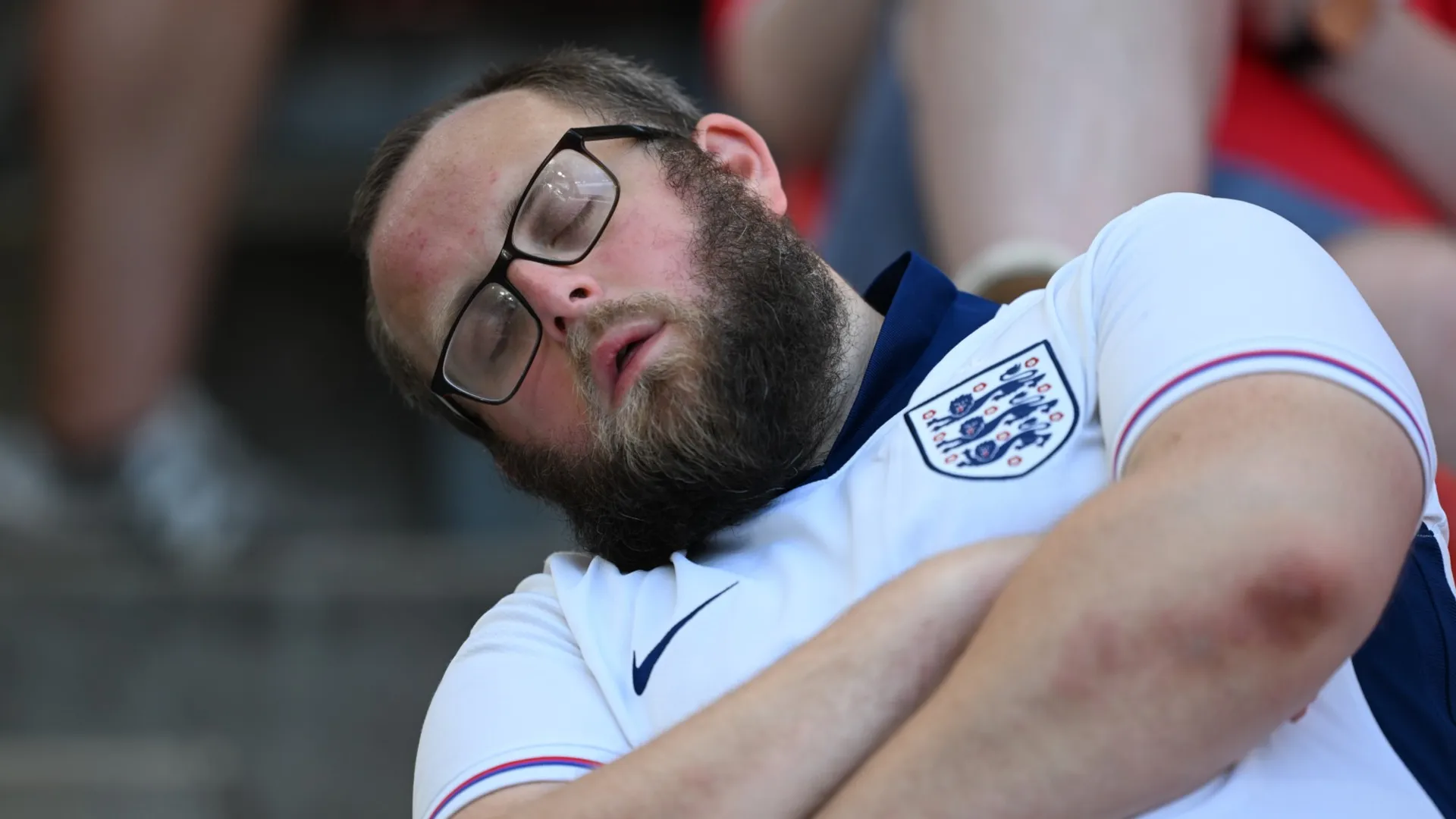
It’s widely assumed that eight hours is the perfect amount of sleep but a new study found the “sweet spot” is a little less than that, said sleep specialist Dr Allie Hare in The Telegraph.
Getting it right matters because new research, published in Nature, found that “falling short, or exceeding” the “precise window” discovered by the research, is “linked with poorer brain, heart and immune health”.
What did the research say?
People who got between six hours 24 minutes and seven hours 48 minutes of sleep a night were found to have better functioning immune systems, brains and hearts, according to researchers at Columbia University Irving Medical Center.
The Week
Escape your echo chamber. Get the facts behind the news, plus analysis from multiple perspectives.
SUBSCRIBE & SAVE
Sign up for The Week's Free Newsletters
Join more than 350,000 subscribers and keep yourself informed with a selection of The Week’s most interesting, enlightening and entertaining stories - plus daily puzzles.
Join more than 350,000 subscribers and keep yourself informed with a selection of The Week’s most interesting, enlightening and entertaining stories - plus daily puzzles.
Latest Videos FromThe Week US
This ideal amount of sleep was associated with less ageing, as measured by organ-specific biological clocks. Duration alone doesn’t cause organs to age faster or slower, but the findings do suggest that insufficient or excessive sleep may be “markers of poorer overall health across the body”.
Is it different for men and women?
There is also a gender factor because women “seem to do better with a little longer”, Marie-Pierre St-Onge, a professor at Columbia University, told The Washington Post. They need “15, 20 minutes” more sleep, which reflects the “slightly longer” sleep duration reported by the “general population”, which “tends to be slightly longer in women than men”.
Previous research found that sleep is “largely linked to ageing and the pathological burden of the brain”, said Junhao Wen, an assistant professor at Columbia and lead author of the study. But the new research "goes further” and shows that “too little and too much sleep” are “associated with faster ageing in nearly every organ”.
Should we all be getting seven hours?
There are a number of conflicting theories about how much sleep we need. According to individual needs theories, there is no single ideal amount of sleep, because genetics, age, health, activity level and even life circumstances influence how much sleep someone needs. Adaptive or evolutionary theories hold that the correct amount of sleep varies depending on factors such as season, workload, stress, illness and safety.
But we “might be overthinking it”, said Emma Beddington in The Guardian. Sleep is “important and fascinating for science to explore, but surely, for the rest of us”, it’s “best left mysterious”.
There’s “so little we can do” to reach the “ideal” amount of unconsciousness, so “knowing precisely how bad that is for us is unhelpful”.