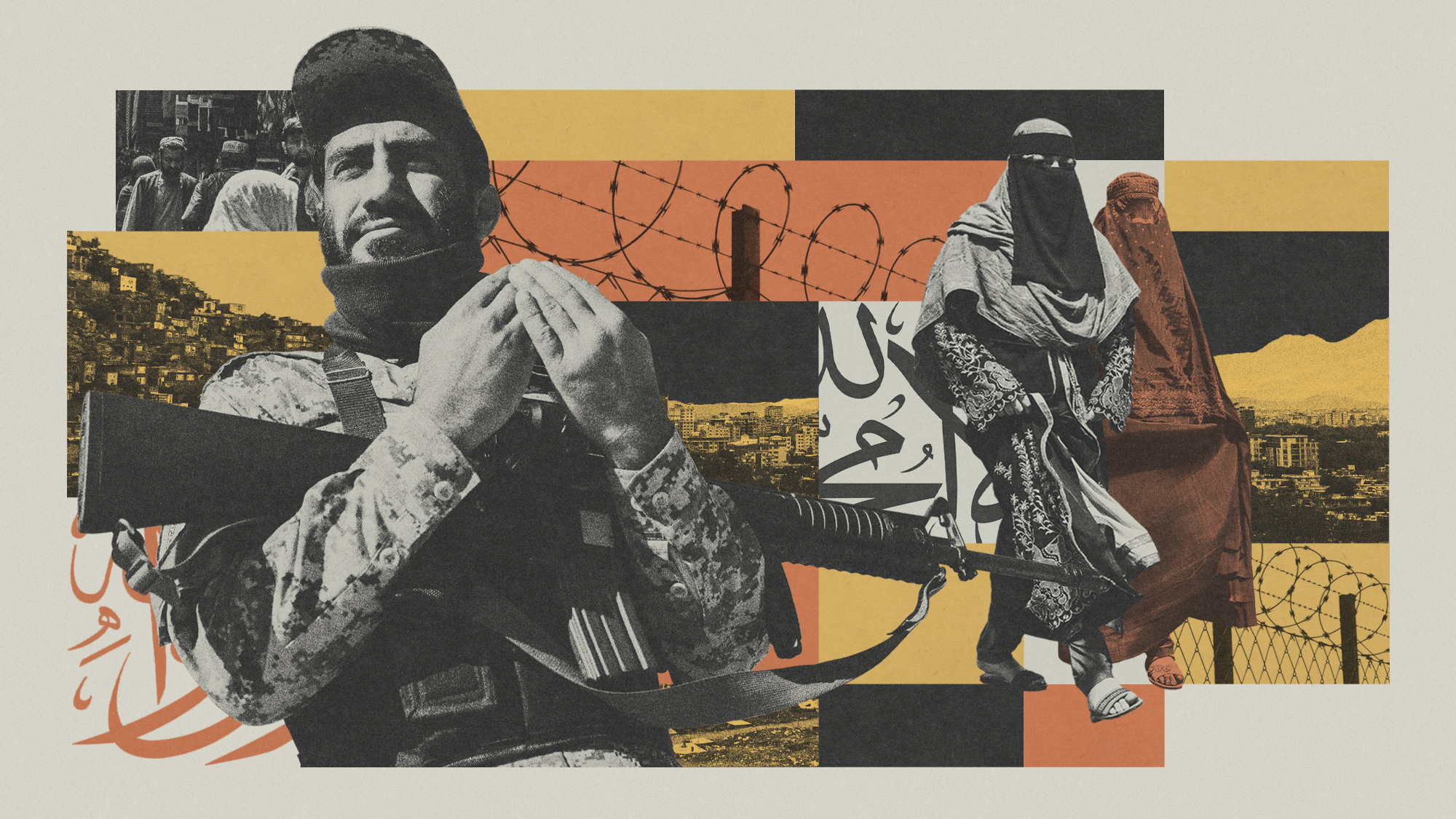
Five years into its rule, the Taliban continues to expose the “wishful thinking of Western political and military leaders who insisted the movement had changed”, said the Lowy Institute think tank. The West has a “wilful blindness” towards the Afghan regime and is “quietly lowering the threshold of behaviour it is prepared to accept”.
“Tellingly”, the United Nations now refers to the “relevant authorities” in Kabul rather than the “de facto authorities”, in effect “narrowing the linguistic difference between the regime and a recognised government”. Warnings of the widespread repression under the Taliban are still “accurate”; what has changed is the “willingness of the world to act on them”.
What did the commentators say?
Britain’s hesitation to evacuate eligible Afghans who worked with British officials in the country is “typical” of the UK’s “attitude to its obligations to Afghans generally”, said an editorial in The Independent. According to an internal government review conducted in February, 7,000 people have been found to be eligible for resettlement and “still likely to be at risk from Taliban retribution”, yet Britain has scrapped plans to evacuate them. Made worse by a “catastrophic data breach in 2022”, “obfuscation and delay”, Britain has been “dragging its feet in protecting those who served alongside our troops in Afghanistan”. It, like other countries, must “discharge its obligations to our Afghan allies, promptly and in full”, as a “matter of national honour”.
The US, in particular, “has a moral responsibility to not simply look away,” said Mursal Rahim, who fled Afghanistan in 2021, in The New York Times. Since leaving Kabul, the US has “increasingly disengaged from the country and its people”, closing the embassy, withdrawing diplomats and leaving “sharply reduced assistance” for Afghans coming to America. The situation in Afghanistan no longer “commands America’s attention as it once did”, but to continue in this vein risks accepting that the “systematic erasure of Afghan women is no longer its concern”.
What next?
It may be unpopular, but “Afghanistan’s future depends on greater international engagement” with whoever is in charge, said Tobias Ellwood, former chair of the Defence Select Committee, in The Telegraph. But importantly, “engagement does not mean recognition”. The goal is to ensure that Afghanistan, and its population of 40 million people, is “stable, secure and prosperous enough”.
|