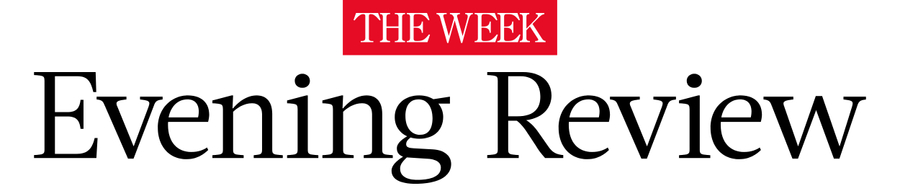
England has just recorded its driest July since records began in 1836. Fast forward 30 years, and we could be living in a “dystopian hellscape”, said Patrick Galbraith, The Telegraph’s environment correspondent. Rivers running dry, water being turned off at the mains, and food rationed: “this is not science fiction, but a very realistic scenario for the UK”.
What did the commentators say?
In 2053, Britain is expected to have a shortfall of five billion litres of water a day, according to Baroness Brown, who sits on the government’s Climate Change Committee. This kind of deficit would have “devastating” consequences for food supplies, “as well as the economy and social cohesion”, said The Telegraph’s Galbraith.
The “main problem” in our water crisis is regulation, said Emma Duncan in The Times. Water regulators in Britain have kept bills down but have allowed water companies to give “massive bonuses to bosses and to shovel vast sums to shareholders”. Around £50 billion is thought to have been paid out in dividends over the three decades since privatisation, “rather than spending the money on necessary upgrades to water-treatment works and pipes”.
A recent review of the water sector by former Bank of England deputy governor Jon Cunliffe produced “sensible” recommendations, arguing principally that the industry’s “disparate regulators be brought together” to attract “new capital into the industry”. And the whole point of regulation, he said, is to “act in the interest of citizens” and ensure water companies are “preventing pollution and ensuring future supplies”.
What next?
The UK’s National Risk Register, which outlines the “most serious threats facing the country”, states that under a “reasonable worst-case scenario” of continuing dry weather patterns, “large swathes” of southern and eastern England “would be hit by severe drought”. Transport, hospitals, data centres, emergency services and telecommunications businesses would all be hit with restrictions, and there could be water rationing for householders. Perhaps most concerningly, there is also mention of “changes in public behaviour, including the potential for localised civil disorder”.
|