The Week The Week
flag of US
US
flag of UK
UK
https://cdn.mos.cms.futurecdn.net/flexiimages/jacafc5zvs1692883516.jpg

SUBSCRIBE & SAVE

Less than $3 per week

Sign in
  • View Profile
  • Sign out
  • The Explainer
  • The Week Recommends
  • Newsletters
  • Cartoons
  • From the Magazine
  • The Week Junior
  • Student Offers
  • More
    • Politics
    • World News
    • Business
    • Health
    • Science
    • Food & Drink
    • Travel
    • Culture
    • History
    • Personal Finance
    • Puzzles
    • Photos
    • The Blend
    • All Categories
  • Newsletter sign up Newsletter
  • The Week Evening Review
    Germany’s Brandmauer, North Korea’s economic boom, and the politics of hope

     
    TODAY’S BIG QUESTION

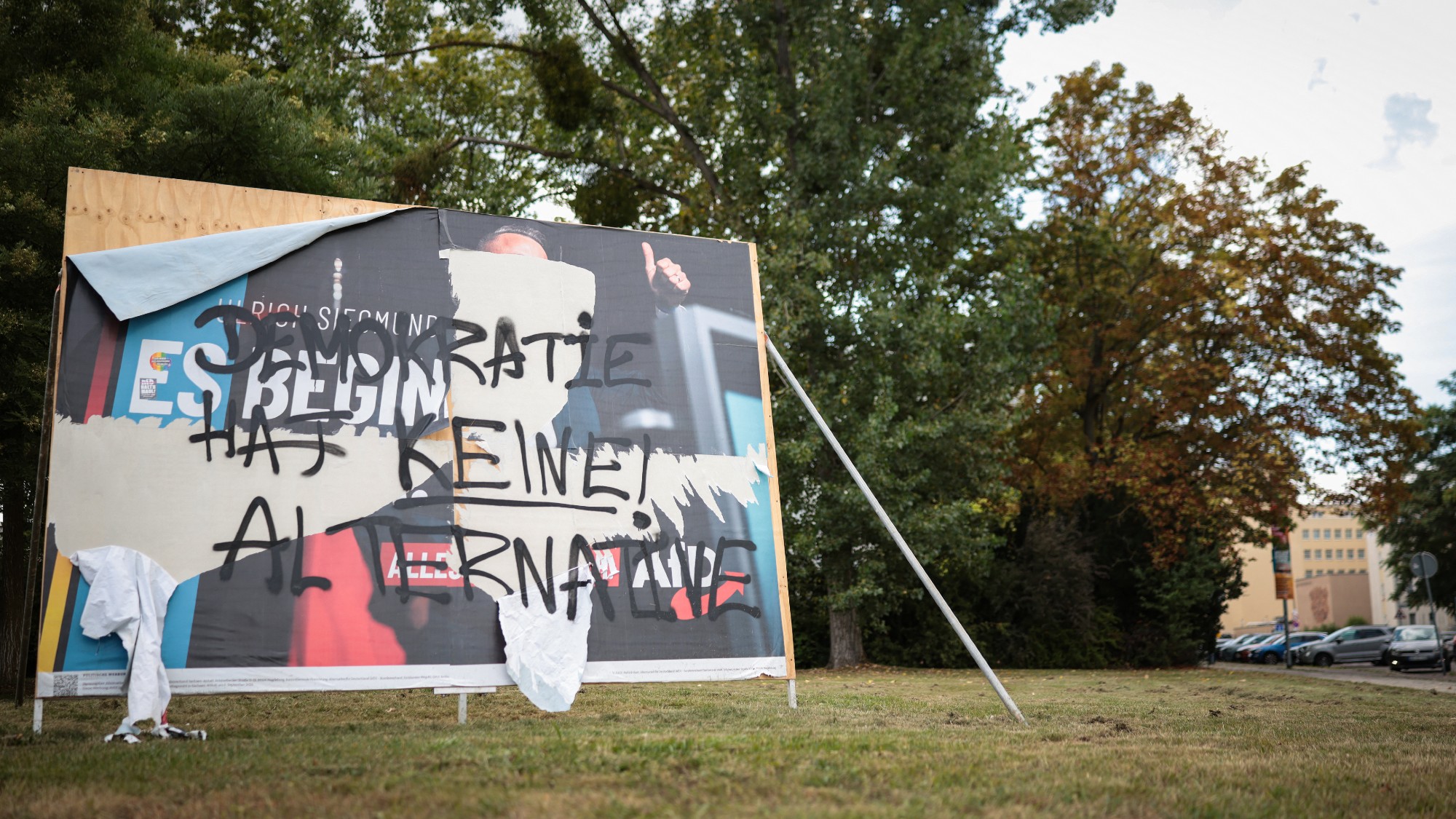
    Has the anti-AfD firewall failed in Germany?

    The far-right Alternative für Deutschland party is on course to take control of a German state for the first time, blasting through a post-war consensus designed to keep extremists out of power.

    With polls suggesting that the AfD will win 40% of the vote in Saxony-Anhalt in next week’s state election, it is now “completely undemocratic to permanently exclude” the former fringe movement, said left-wing party leader Sahra Wagenknecht. “The firewall has failed.” 

    What did the commentators say?
    Germany’s political “firewall”, the Brandmauer, is an agreement between mainstream parties to refuse to cooperate or work with extremists. It has succeeded in keeping the AfD out of power at state and federal level until now, but has done nothing to harm the party’s popularity. If anything, being excluded has contributed to the AfD’s rise in national polls, where it now has a clear lead over its mainstream rivals.

    Maintaining the firewall has created a “hollowed-out centre”, said politics professor Alexander Görlach in Jacobin magazine. Building majorities that exclude the far-right “has led to uncomfortable compromises”: parties on the left and centre-right have made coalitions “born of necessity rather than conviction”. Not only has this alienated some voters, and even driven them towards extremist alternatives, it has also blurred the distinctions between mainstream parties, reinforcing the AfD’s line that they are carbon-copy “cartel parties”.

    The Brandmauer also means the AfD has “no incentive” to moderate its policies in order to gain power, as some other populists in Europe have done, said The Economist. Behind the firewall, the party is protected “from the disappointment that accountability in a democracy implies”, said Christian Stecker, a political scientist at TU Darmstadt.

    What next?
    If current polling proves accurate, the AfD could secure an absolute majority in the Saxony-Anhalt election on 6 September – a rarity under Germany’s proportional-voting system. The consequences of that “would be far-reaching”, said the Centre for Strategic and International Studies. It would not only “create a shock to the ideological spectrum” but also, for the first time, enable a far-right party in Germany “to put some of its agenda into practice”. 


    THE EXPLAINER

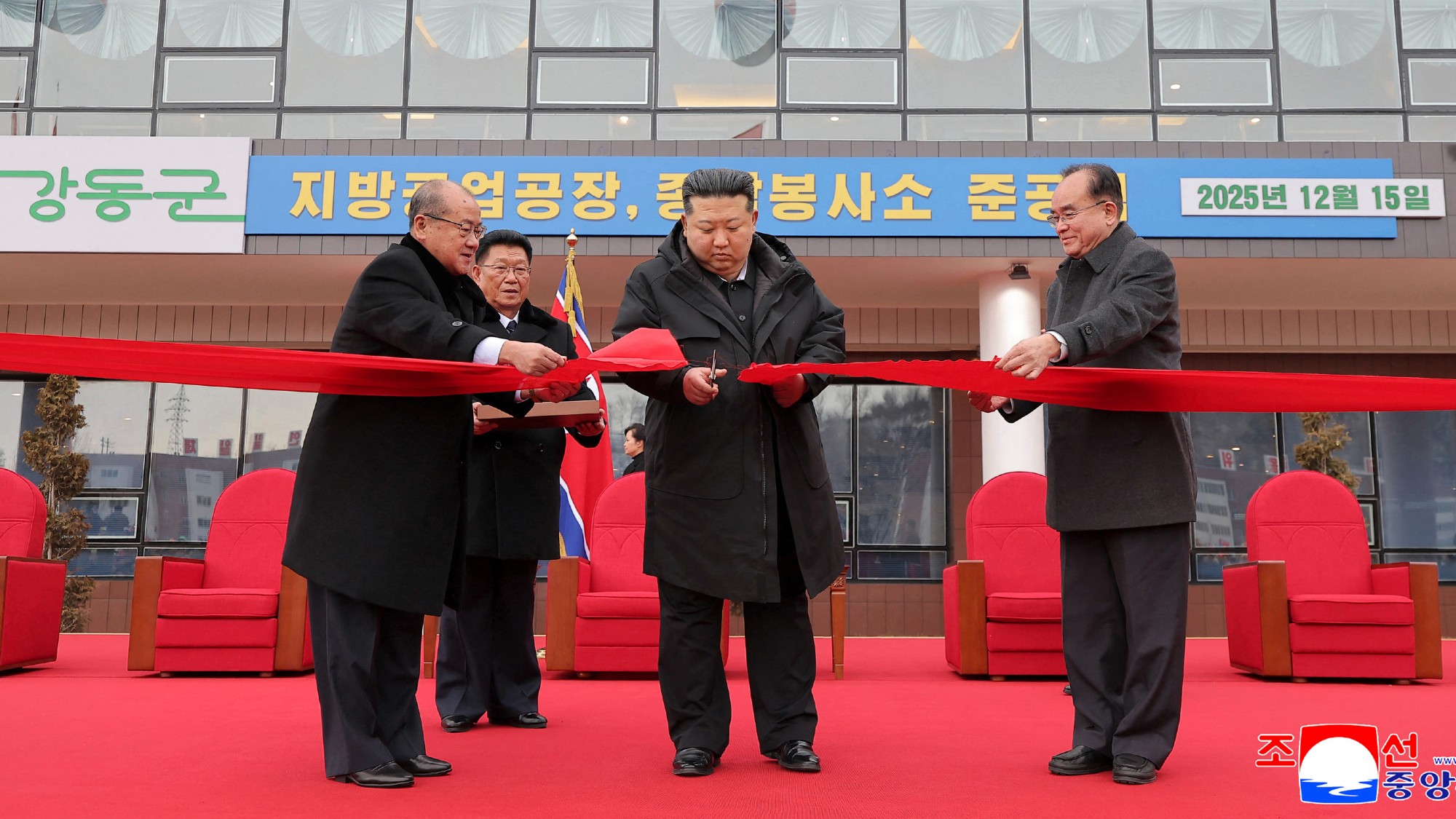
    Is North Korea’s economic miracle sustainable?

    North Korea has been hailed as “the world’s most surprising economic success story” by US financial daily The Wall Street Journal. Despite being tightly controlled, technologically backward and subject to crippling Western trade embargoes, the country has recorded year-on-year GDP growth of more than 3%, far exceeding many advanced economies.

    What has changed?
    Five years after making a rare admission that the nation’s economic policies were falling short, Kim Jong Un told the Workers’ Party Congress in February that “everything has fundamentally changed”. But while the supreme leader may have taken the credit, “he has Russia and China to thank” for the boom, said Forbes.

    North Korea has earned an estimated $14 billion providing military support to the Kremlin during the Ukraine war, and hundreds of millions in trade and foreign aid from China. North Korea’s “emergence as a modern-day pirate state on the back of its lucrative cryptocurrency theft operations” has also helped, Shreyas Reddy of Korea Risk Group, told the Financial Times.

    What does it mean for North Korea?
    The so-called hermit kingdom has used some of this windfall to modernise Pyongyang, building high-rise apartment blocks and brightly lit shopping districts filled with luxury and high-tech goods. Cars, once a rarity, are increasingly common and frequently electric, and can now be hailed with ride-sharing apps.

    Outside the capital, the regime’s ambitious “20x10” regional development initiative aims to build new factories, housing and public infrastructure in 20 counties every year over a 10-year period. All of this is an “incredible accomplishment for a country that is this poor”, regional expert Stephan Haggard told the Wall Street Journal.

    Can it last?
    Around 17 million of North Korea’s 27 million citizens are still believed to live in extreme poverty, and the UN estimates that more than 40% of the country’s people are undernourished. Analysts are sceptical that Kim can turn the short-term gains from the war in Ukraine into sustainable long-term growth. The country is in the throes of a “Russian sugar high”, said Peter Ward of the Sejong Institute in Seoul to the FT. It’s fuelling a slew of “shovel-ready, exciting-looking projects that will catch the eye of the leader, but aren’t necessarily sustainable”.


    QUOTE OF THE DAY

    “I’ve been in this game a lot longer than he has. I got a skin on me like an alligator.”

    Ontario Premier Doug Ford challenges Donald Trump to “bring it on”, as the trade war between their countries escalates. “We’ll use every tool in our toolbox” to fight the US president’s tariffs, the Canadian leader warned yesterday at a press conference. 


    Poll watch

    Next year’s French presidential election is set to pit far-right leader Marine Le Pen against the far-left’s Jean-Luc Mélenchon, latest polling suggests. Front-runner Le Pen is on track to win between 35% and 38% of the vote in the first round, according to a Toluna Harris Interactive survey of 1,700 adults. But France Unbowed leader Mélenchon’s support has increased from 12% in April to between 16% and 17%, making him the most likely candidate to become her second-round opponent.


    IN THE SPOTLIGHT

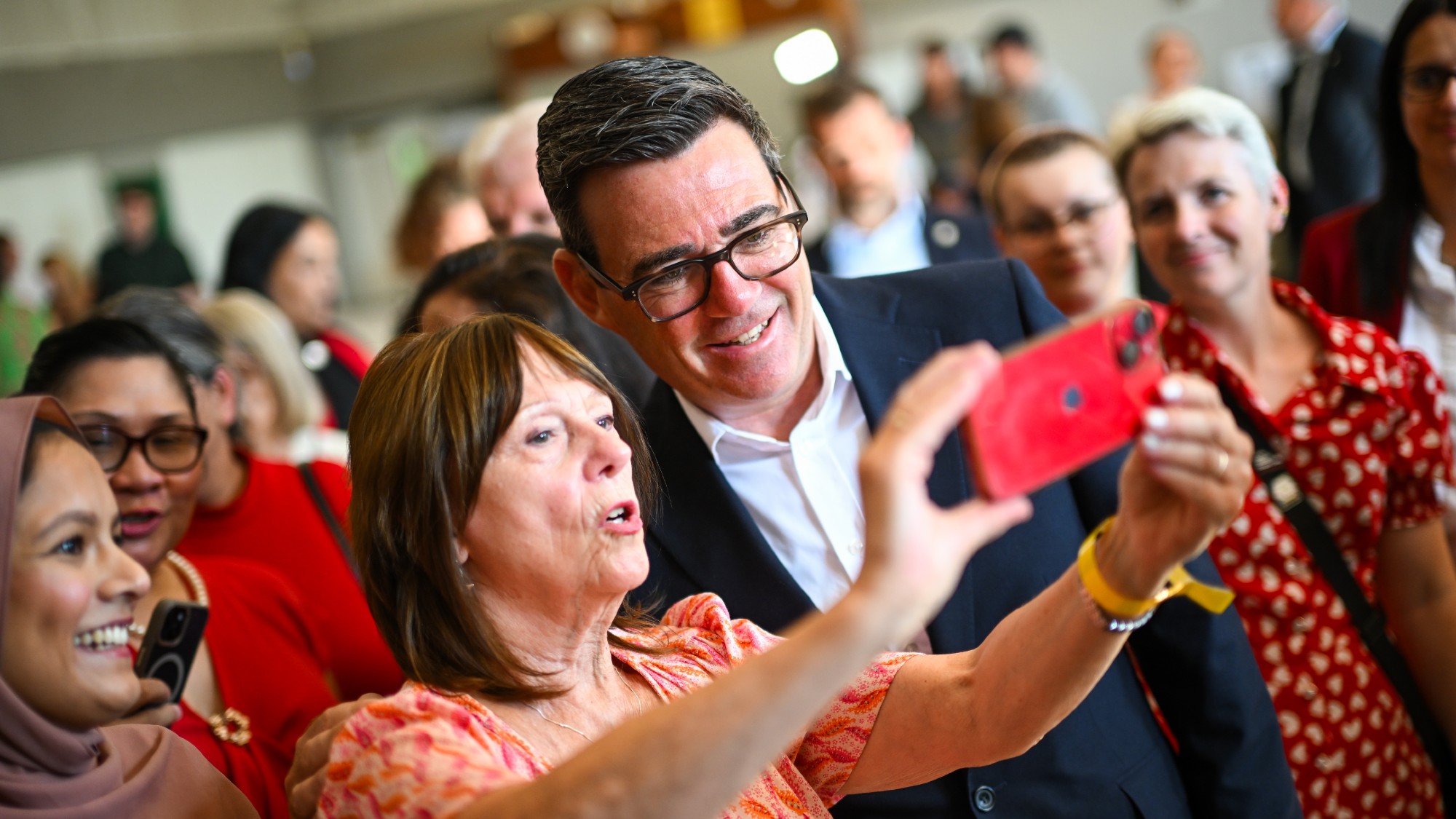
    Andy Burnham and the politics of hope

    If there’s to be a “new dividing line” in British politics, said Patrick Maguire in The Times, Andy Burnham would like it to be “hope versus despair, hope versus anger, hope versus learned helplessness” and “all the other stodgy, unappetising staples” served up by his predecessors.

    Burnham has pledged to “bring back hope”, and favourable polling for the new prime minister suggests this is what the public wants. But “hope is one thing”: fulfilment of those hopes “is quite another”.

    ‘Excessive expectations’
    Burnham’s “abstract emphasis” on optimism “sits comfortably” alongside his “concrete focus” on the cost of living, wrote politics expert Matthew Barnfield on The Conversation. If he can successfully sell voters the idea that “marginal relief” on energy bills and bus fares represents “just the first step on the road to making life more affordable”, they may “look beyond” the gloom of monthly expenses and “start hoping for meaningful improvements” in living standards.

    But beating the drum of hope “also often brings problems”, by creating “excessive expectations”, said Andy Beckett in The Guardian. Labour’s optimism underestimates the “complexity of changing Britain” and downplays the “enemies and barriers” that a Labour government “always faces”.

    ‘Hopey, changey thing’
    Other national leaders, including Margaret Thatcher and Bill Clinton, have evoked hope during their campaigns and victory speeches, said Philip Johnston in The Telegraph. The “most prodigious user” of the word was Barack Obama, who had it “emblazoned in capital letters” on campaign posters and titled his memoir “The Audacity of Hope”. The former US president was later mocked by Republican Sarah Palin for relying on what she called “that hopey, changey thing”.

    Hope as a concept has been “almost entirely colonised by the left”, which creates the “danger that those on the right will feed this pernicious agenda by overdoing the gloom and catastrophism”, said Johnston. While “fear and alarmism” may “play to a particularly jaundiced political audience”, more broadly such rhetoric is “corrosive”. The right will ultimately need to “reclaim the idea of hope” to win. 


    Good day 🔬

    … for cervical screenings, with the rollout of free home-testing kits for nearly four million women aged between 30 and 65 in England. The NHS will offer the DIY tests for high-risk human papillomavirus (HPV) to eligible women who have not attended potentially lifesaving screening appointments, to provide a more “discreet and convenient option”.


    Bad day 🥾

    … for hiking etiquette, following reports of queue-jumping and arguments among climbers at the top of Wales’ highest mountain. Authorities are calling for calm as people scaling Yr Wyddfa, also known as Snowdon, face hour-long waits to reach the peak of the 3,560ft summit during the summer rush. 


    PICTURE OF THE DAY

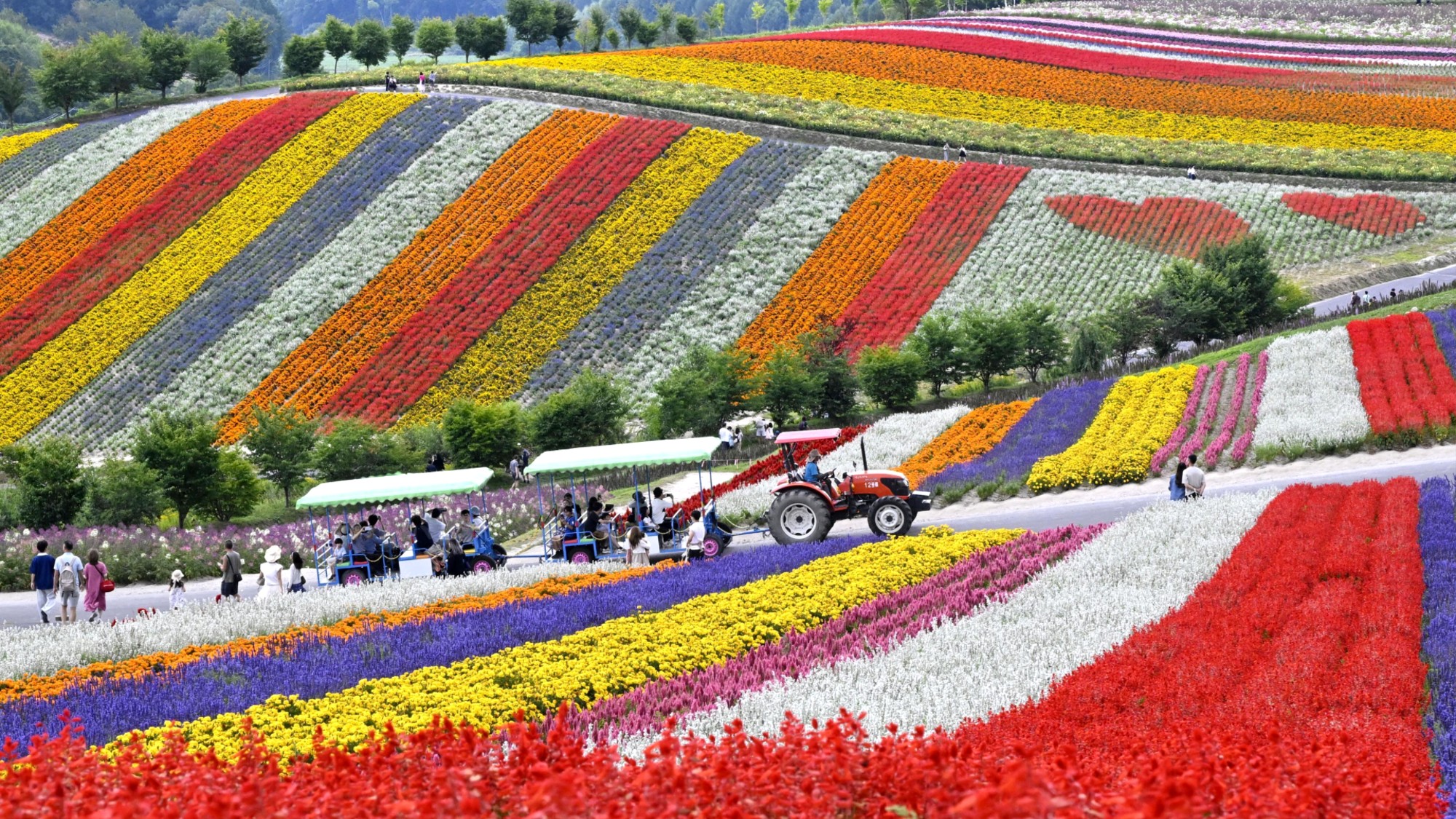
    Rainbow road

    A tractor-drawn bus takes visitors on a scenic tour through Japan’s Shikisai-no-oka (“Hill of Seasonal Colours”) flower gardens. Hundreds of thousands of blooms blanket more than 17 acres of hills at the popular attraction in central Hokkaido.

    BJ Warnick / Newscom / Alamy Live News


    Puzzles

    Chain Word

    Try The Week’s daily word challenge in our puzzles and quizzes section, which also includes sudoku and Guess the Number

    Play here


    THE WEEK RECOMMENDS

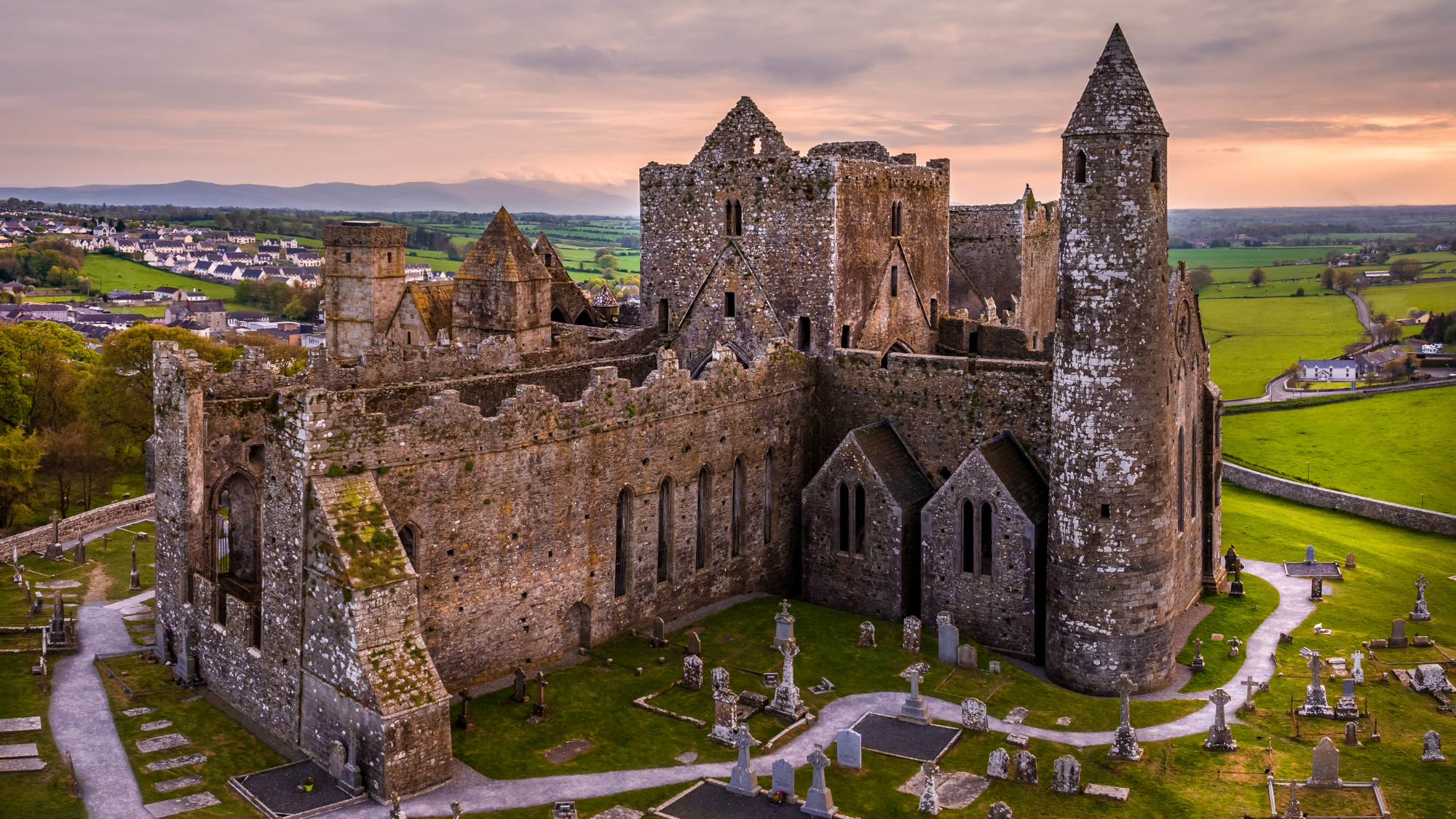
    Ancient ruins and stunning scenery in County Tipperary

    Most people who visit Ireland head straight for Dublin or Galway, said Andrea Bussell in National Geographic. Even some locals aren’t familiar with the “great green valley that stretches through County Tipperary” in the heart of the country’s “Ancient East”. But, tucked between the Galtee Mountains and a “forest-clad sandstone ride known as Slievenamuck”, the Glen of Aherlow is the perfect place for a “slower, nature-centric” holiday. Here, “tall emerald mountains” rise from “cattle-grazed pastureland flecked with miles of trees” and “scattered rural villages”. 

    To get to know this stunning landscape and discover its “most sacred corners”, explore the Heritage Trail. There are many artefacts and landmarks to visit along the way, including the “striking, well-preserved” remains of Moor Abbey on the banks of the River Aherlow, and St Pecaun’s Holy Well between Bansha and Cahir, which people have visited for centuries to pray and drink the “therapeutic waters”.

    County Tipperary is known as Ireland’s equestrian capital and a visit here “wouldn’t be complete” without taking a riding lesson; Ballyhoura Trekking Centre and Hillcrest Equestrian Centre are good options.

    “For me, nothing beats an evening by the water at Garrykennedy,” said Vic O’Sullivan on Lonely Planet. This tiny village on the eastern shore of Lough Derg is a “sublime” setting, with an “old stone harbour” and bobbing sailboats moored at the pier. Enjoy “hearty pub fare” and a pint in the Larkins’ beer garden before wandering down to Ryan’s to listen to live music and watch as “sky and shoreline darken to an inky blue”.


    Statistic of the day

    £40,000: How much Singapore is to pay parents in direct financial support for each child, in a bid to boost the population. The new package will comprise a “baby gift” of almost £6,000 in cash, followed by around £34,000 in credits towards education and healthcare. 


    instant opinion

    Today’s best commentary

    Revisiting the Lockerbie bombing, 37 years later
    Patti Waldmeir in the Financial Times
    “I was booked on” the Pan Am flight “that exploded over Lockerbie” in 1988, writes Patti Waldmeir. My life was saved by a travel agent who switched my flight “at the last minute”. The “ageing families” of the 270 people “who were not so lucky” are now hoping for justice at the US trial of former Libyan intelligence officer Mohammad Mas’ud Kheir Al-Marimi, “a suspect for decades”. They “deserve another day in court”.

    I wouldn’t let any young man behind the wheel before 25
    Sean O’Grady in The Independent
    Fast “cars have always attracted the reckless”, writes Sean O’Grady, “but there are things” we could do “about what we stupidly call ‘joyriding’”. We could require automakers to “limit the speed a car can be driven at”, as we do with coaches. That would surely make “stealing hot hatches” a lot “less thrilling”. And “for boys as opposed to girls, for obvious reasons”, I would raise the minimum “eligible age” for a driving licence to 25.

    Why the French hate Parisians
    Gavin Mortimer in The Spectator
    “I live in rural Burgundy” and have been “warmly welcomed” by locals, writes Gavin Mortimer. But they’re markedly “less friendly towards affluent Parisians”. There’s a “simmering” resentment in the regions about “Macron-supporting” urban dwellers and their “demand for holiday homes” that squeezes locals out of the property market. As in Britain, “there is now a distinct disconnect between the cities and the ‘sticks’”: “frankly, Paris is another country to the rest of France”.


    word of the day

    µBites

    Pronounced “microbites”, new protein-rich, 3D-printed biscuits made from biodegradable plastic and agricultural waste. µBites could be a viable food supply for disaster zones, scientists from Southern Illinois University Carbondale told an American Chemical Society symposium. The portable conversion device is also ideal for “extreme environments such as deserts, the Arctic, or the Antarctic”, lead researcher Lahiru Jayakody told ScienceAlert, and “potentially one day on Mars or the lunar surface”. 


    Evening Review was written and edited by Hollie Clemence, Rebecca Messina, Elliott Goat, Chas Newkey-Burden, Natalie Holmes, Helen Brown and Kari Wilkin.

    Image credits, from top: Ronny Hartmann / AFP / Getty Images; KCNA via KNS / AFP / Getty Images; Ben Montgomery / Getty Images; BJ Warnick / Newscom / Alamy Live News; Wirestock / Getty Images

    Morning Report and Evening Review were named Newsletter of the Year at the Publisher Newsletter Awards 2025
     

    Recent editions

    • Evening Review

      Is the AI singularity here?

    • Morning Report

      Canada, US trade blame for mounting trade war

    • Sunday Shortlist

      An 80s family fights dinosaurs

    VIEW ALL
    TheWeek
    • About Us
    • Contact Future's experts
    • Terms and Conditions
    • Privacy Policy
    • Cookie Policy
    • Advertise With Us
    • FAQ
    Add as a preferred source on Google Add as a preferred source on Google

    The Week is part of Future US Inc, an international media group and leading digital publisher. Visit our corporate site.

    © Future US, Inc. Full 7th Floor, 130 West 42nd Street, New York, NY 10036.