The Week The Week
flag of US
US
flag of UK
UK
https://cdn.mos.cms.futurecdn.net/flexiimages/jacafc5zvs1692883516.jpg

SUBSCRIBE & SAVE

Less than $3 per week

Sign in
  • View Profile
  • Sign out
  • The Explainer
  • The Week Recommends
  • Newsletters
  • Cartoons
  • From the Magazine
  • The Week Junior
  • More
    • Politics
    • World News
    • Business
    • Health
    • Science
    • Food & Drink
    • Travel
    • Culture
    • History
    • Personal Finance
    • Puzzles
    • Photos
    • The Blend
    • All Categories
  • Newsletter sign up Newsletter
  • The Week Evening Review
    Financing politics, space weapons, and a ‘historically unruly bloc’

     
    TODAY’S BIG QUESTION

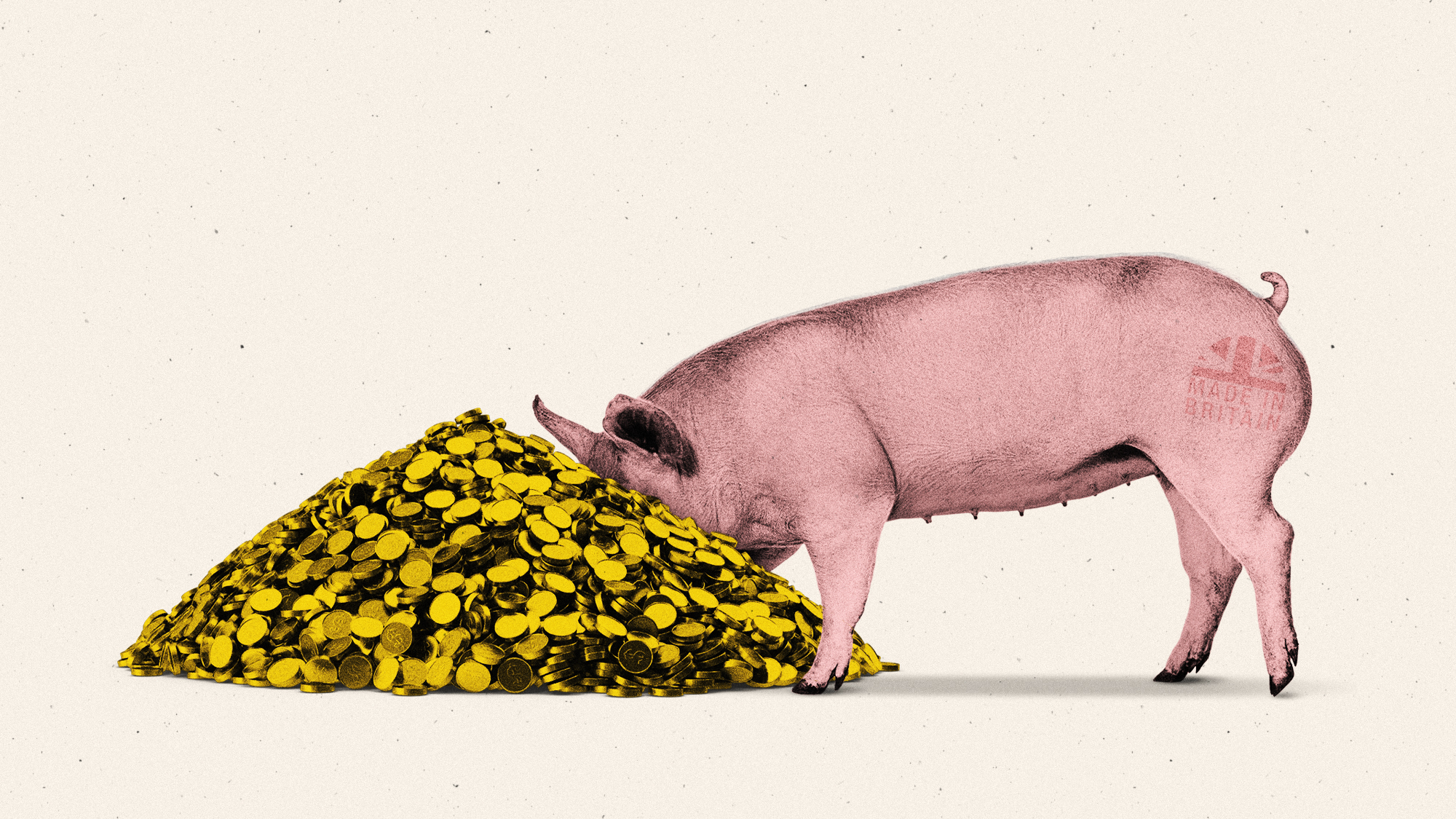
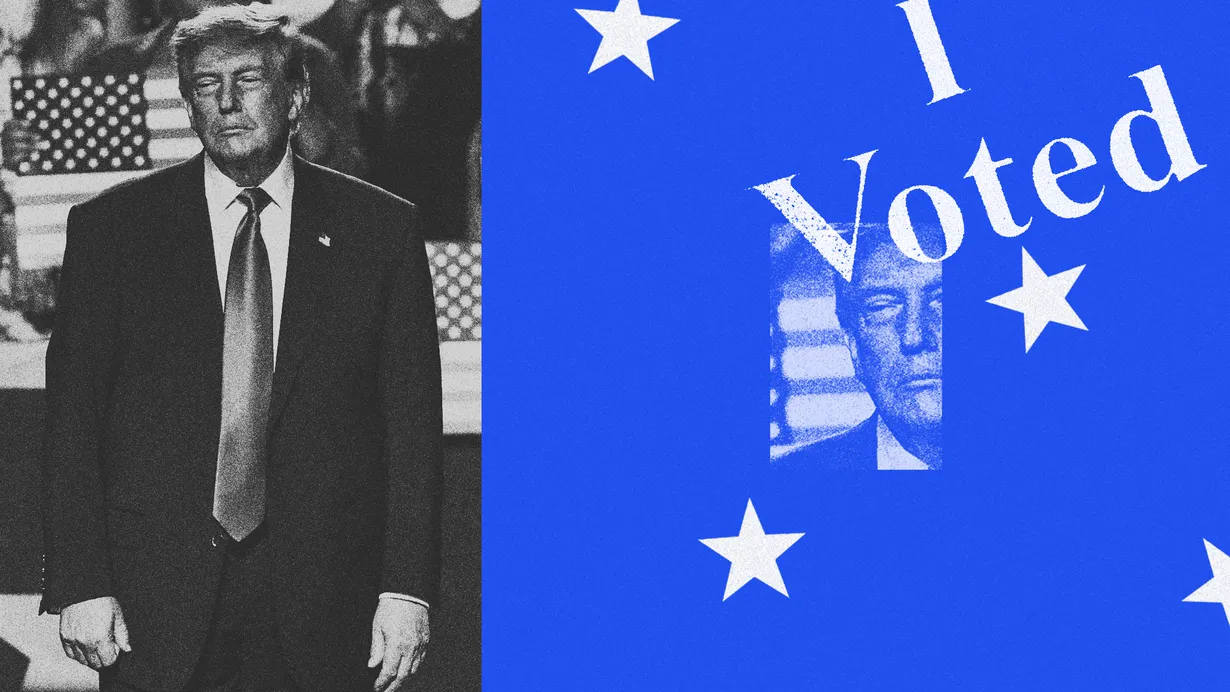
    Is big money a threat to UK democracy?

    Money matters in US politics, with billions of dollars spent each election cycle. But the extent to which funding could sway UK elections is largely untested, in part because of strict campaign spending limits. 

    Now, two record-breaking donations to Reform UK totalling £72 million could provide an answer. People from “across the political spectrum” are “asking whether this massive injection of money will be remembered as a key moment when politics in this country changed”, said Jack Fenwick on the BBC.

    What did the commentators say?
    Big money has traditionally played “little role in deciding our elections”, said Lee David Evans on UnHerd. It would be “too defeatist (or triumphalist, depending on your perspective)” to think that the Reform donations mean “the next election is already over”. But if everyone else has to spend more time fundraising, “our politics will have become a lot more American – and will be worse for it”.

    The focus has previously been on foreign influence, said The Guardian, and “for good reason; it is for UK voters to choose their government”. But now “ministers must look beyond the narrow question of outside interference” and find ways to limit mega-rich donors paying for “years of polling, advertising, data and staff, before election-period limits apply”.

    Nigel Farage and others argue that such donations help level the playing field for upstart parties, but these are “huge and potentially transformative sums for British politics”, said Ian Birrell in The i Paper. Labour and the Tories have “only themselves to blame for this toxic situation after their failure to clear the stench of corruption that hangs over Westminster, despite a string of funding and lobbying scandals”.

    What next?
    Labour’s Angela Rayner has said a proposed law to stop foreign and crypto donations would be applied “retrospectively” and “backdated to 25 March”. But surely the “real question here is whether Labour is trying to save British democracy or itself”, said David Maddox on The Independent. Andy Burnham and his ministers “need to beware of creating a tit-for-tat scenario, which could be far worse for British politics in the long run”.


    THE EXPLAINER

    The US weapons in space

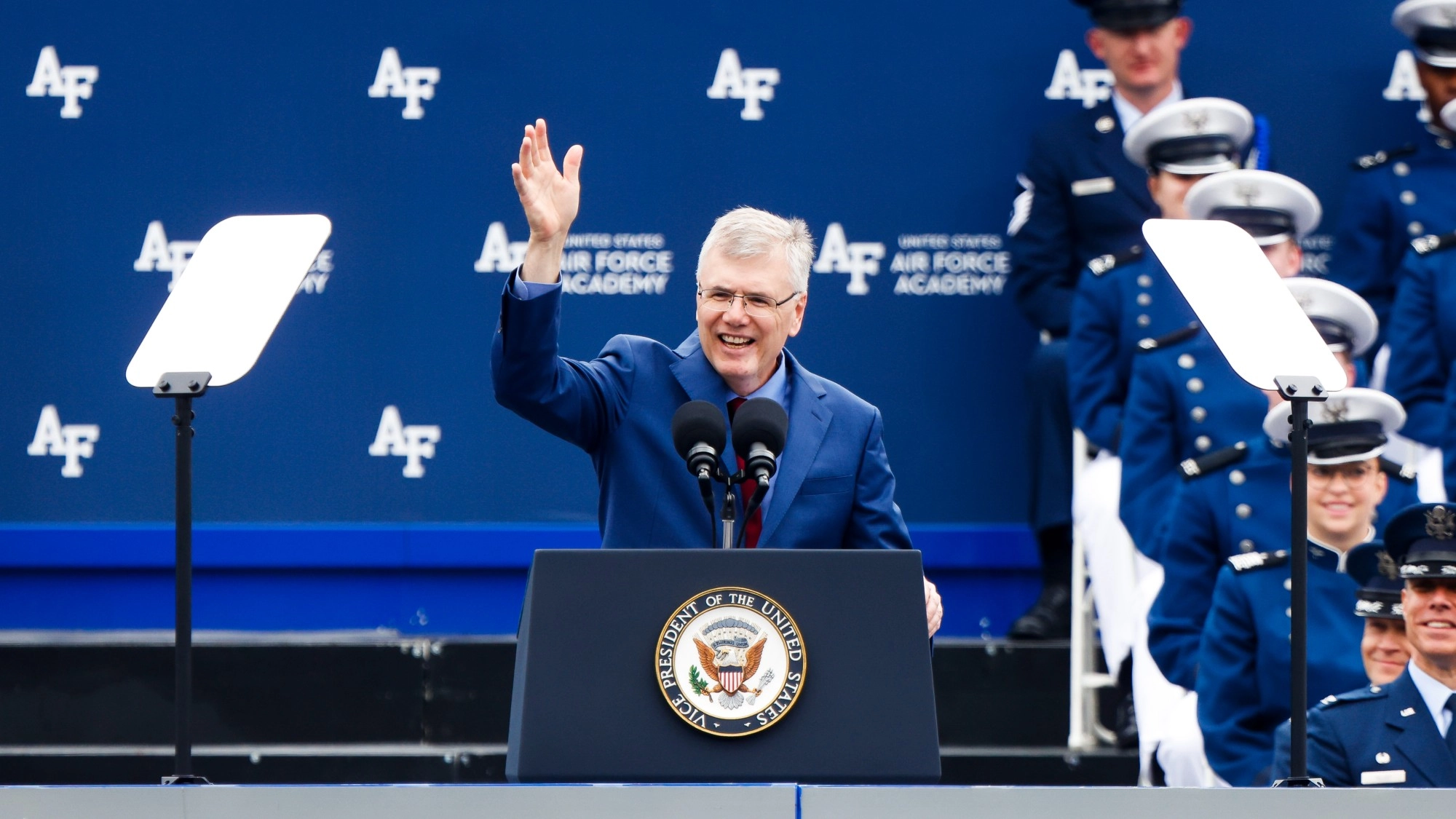
    That the US, Russia and China are developing space weapons is an “open secret” but to admit it officially is “extraordinary”, said The Guardian. US Air Force Secretary Troy Meink this week confirmed that the US has “on-orbit space control weapons capable of defending the joint force against hostile adversary action”.

    What are the weapons?
    Meink declined to give any details on the capabilities of the weapons, but said they were “important from a deterrence perspective”. There is a “broad range of possibilities” for what they could be, said Clayton Swope from the Center for Strategic and International Studies think tank. They could be “satellites capable of jamming enemy communications”, Swope told CNN, or weapons that could “target and destroy ground-based equipment”. There might also be anti-satellite weapons that could “seek out and physically destroy” enemy satellites in orbit.

    In its “war-fighting framework”, said the Financial Times, the US military’s Space Force has acknowledged that threats of orbital strikes on the country can include “both kinetic – or physically destructive – weapons and non-kinetic ones”, implying weapons would need to be capable of nullifying them. A budget of $71.3 billion has been proposed for the department next year. 

    New space weapons form a part of the wider “Golden Dome” missile defence shield, protecting the US from foreign attack. Donald Trump has “championed” the “$185 billion” programme, which “would potentially involve deploying interceptors to space”.

    Could this escalate?
    The Space Force claims that China already “operates space and counterspace capabilities”, while Russia “views space as a war-fighting domain and believes space supremacy will be a decisive factor in future conflicts”. A Kremlin spokesperson told reporters that Russia believed “space must be free of any weapon” and called for “the complete demilitarisation” of space.

    China’s Foreign Ministry spokesperson Guo Jiakun urged the US to “stop expanding military build-up in outer space”. China “stands for peaceful use of outer space and keeping it safe”, he told a press briefing, and “opposes any arms race in outer space or any attempt to weaponise it and turn it into a war zone”. But Chinese military analyst Song Zhongping told the state-owned Global Times that “if the US continues down this path, other countries may be forced to respond”.


    QUOTE OF THE DAY

    “We believe that power does not belong to the strongest, the richest or the loudest, but to all of us.”

    Ursula von der Leyen invites Canada to become the EU’s first “associate member”, in her annual State of the European Union address. It would be a “partnership not against anyone else, but for our common strength”, the European Commission president said.


    Poll watch

    Racial equality is worsening, according to 44% of ethnic minority Britons. Only 23% of 3,014 ethnic minority adults surveyed by the British Future think-tank said the situation was getting better, while the rest thought it was staying about the same or weren’t sure.


    IN THE SPOTLIGHT

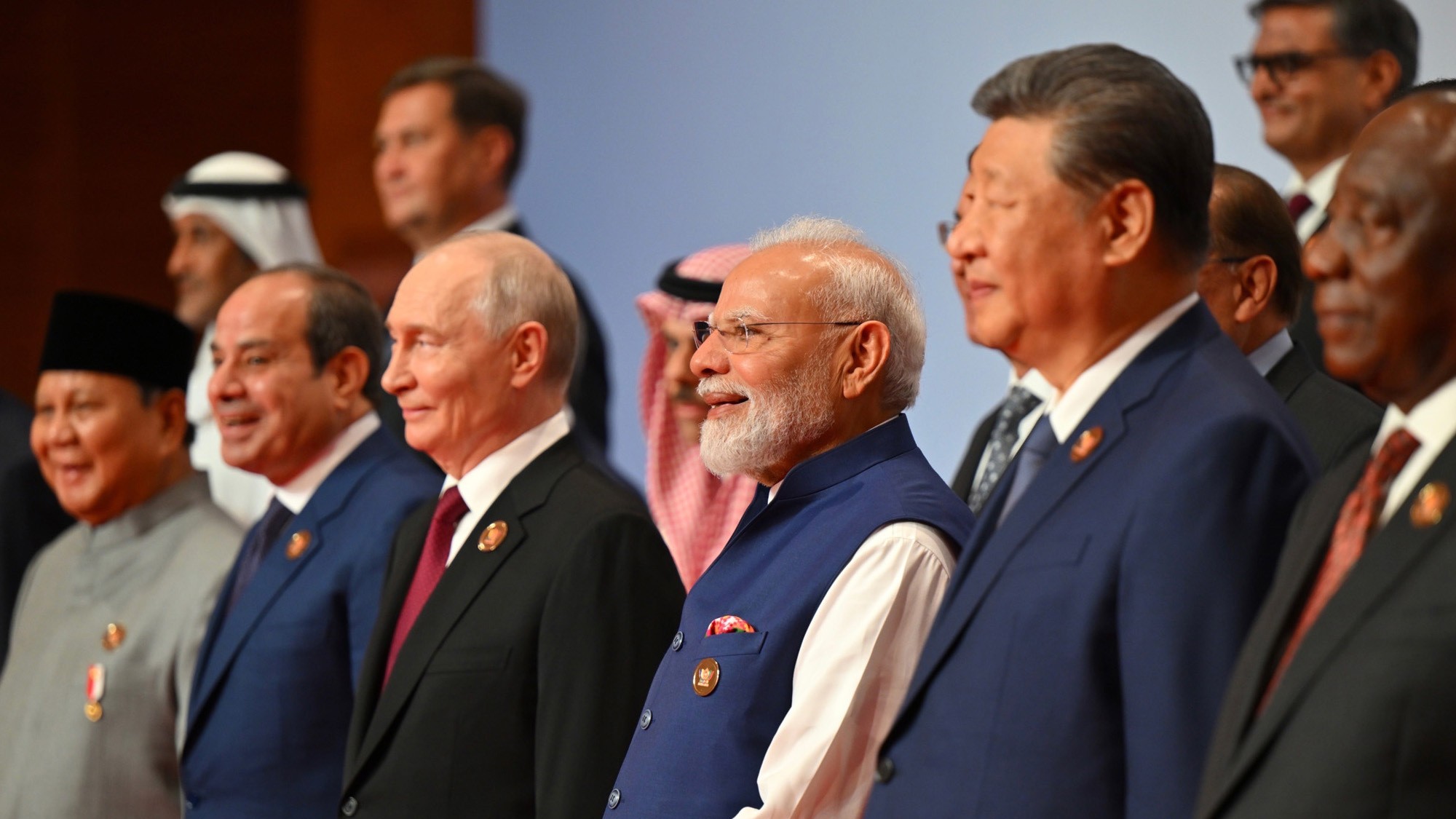
    The Brics summit and a multipolar order

    Brics has been described as a “motley collection of emerging markets that agree on little and achieve even less”, said the Financial Times. The group represents 49.5% of the global population, 40% of global GDP and 26% of global trade, yet many of its members are at odds with their supposed allies.

    But at a recent summit in India, its leaders united to sign a 45-page declaration calling for a “multipolar” world: a global system where power is spread across several major countries or power blocs rather than being controlled by just one or two.

    ‘Source of tension’
    The “historically unruly bloc” – which started as Brazil, Russia, India, and China, and now includes Egypt, Ethiopia, Indonesia, Iran, Saudi Arabia, South Africa and the UAE – agreed a statement “blasting protectionism and economic sanctions and calling for peace in the Gulf”, said the FT. 

    The declaration also raises concerns about the “unilateral tariff and non-tariff measures” that distort trade. It urges cooperation to protect global trade, supply chains, energy flows and maritime security as wars disrupt international commerce.

    The Ukraine war is a “source of tension” within Brics, of which Russia is a founding member, said Al Jazeera. The declaration says that international disputes should be resolved through “dialogue, consultation, and diplomacy”, but makes no mention of Ukraine.

    ‘Space for rivals to talk’
    For Iran, this month’s summit in New Delhi was “a chance to show that it does not stand alone amid the US and Israel’s military attacks and economic pressure”, said the BBC. In the face of Washington’s sanctions, Iran “pressed for deeper economic ties” with Brics members, including India and Ethiopia. This was Chinese leader Xi Jinping’s first visit to India in seven years, showing that Brics can “create space for rivals to talk and manoeuvre outside Western-dominated institutions”.

    But “key members and partners of the bloc are at serious loggerheads”, said political scientist Stefan Wolff on The Conversation. Iran is “effectively in a state of war” with the UAE and Saudi Arabia, while the Saudis and the UAE “have been at odds for years” over Yemen, Sudan and Somalia. A group “whose sole remaining source of unanimity is opposition to the US and its allies” is “hardly likely to become a pole of a multipolar order”.


    Good day 💰

    … for Princetown, after Prince William promised to invest £1.5 million annually into the Devonshire village’s local community and environment. The government pays that amount in rent to William’s Duchy of Cornwall for a lease on neighbouring HMP Dartmoor that runs until December 2033, even though the prison was closed two years ago due to toxic radon gas in the building. Visiting Princetown yesterday, the royal said he was “excited” to see how the reinvestment would be spent. 


    Bad day🎤

    … for Ed Sheeran, as the remaining support acts for his US tour quit after promoters axed rapper Macklemore from the line-up for making pro-Palestinian statements on stage. “Artists must not be silenced when they speak up for the oppressed,” said singer-songwriter Finneas after confirming that he was dropping out of the 17 remaining shows, along with Danish band Lukas Graham and Ireland’s Aaron Rowe and Beoga.


    PICTURE OF THE DAY

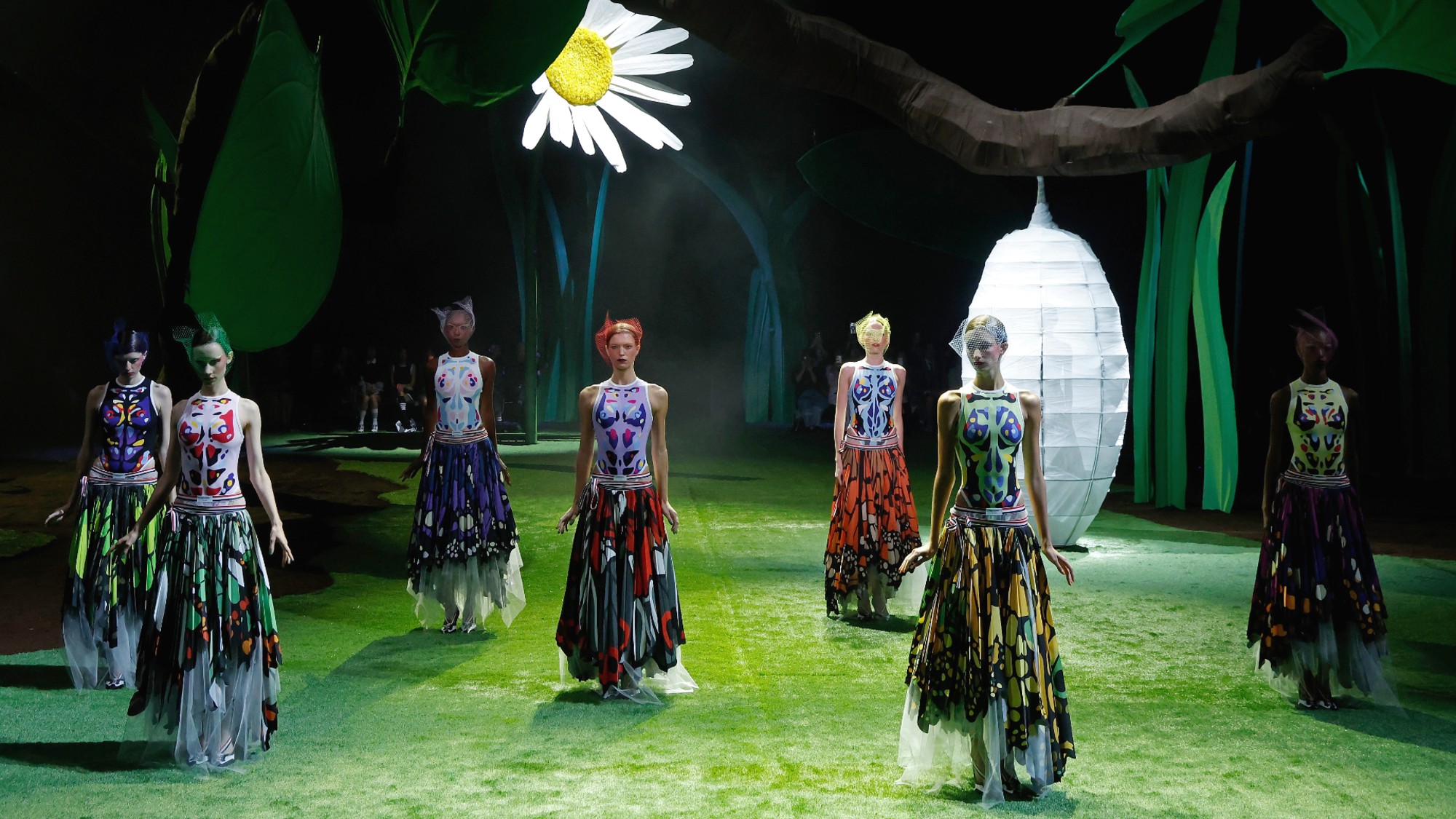
    Bug’s life

    Models parade in outfits inspired by insects amid outsize foliage and a giant chrysalis on a grass-clad runway. Thom Browne’s spring/summer 2027 collection show at The Shed performing arts centre brought New York Fashion Week to a colourful close.

    Taylor Hill / Getty Images


    Puzzles

    Chain Word

    Try The Week’s daily word challenge in our puzzles and quizzes section, which also includes sudoku and Guess the Number

    Play here


    THE WEEK RECOMMENDS

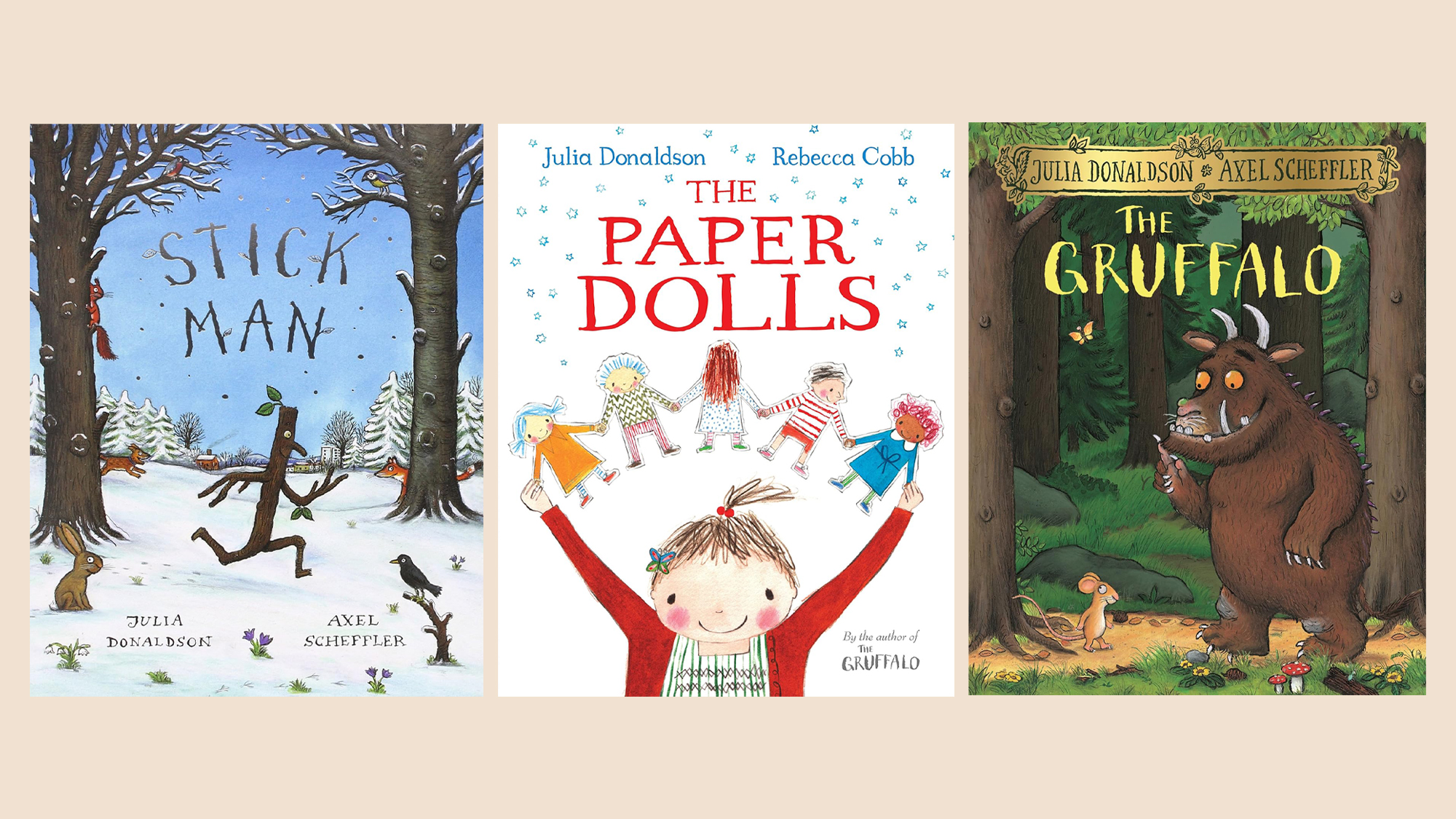
    Julia Donaldson’s best books

    As Julia Donaldson returns with a third instalment in her Gruffalo series, here are some of her other enchanting children’s books.

    Stick Man
    This tale about a stick who is torn away from his family and must make an “Odyssean journey” home is “just about as epic as picture books get”, said The Guardian. At one point, he approaches “what seems like certain death” – an “impressive” moment “in any story” but “doubly so” in a book for toddlers.

    The Snail and the Whale
    It’s “impossible” to separate Donaldson’s rhyming text about a tiny snail who hitches a ride on the tail of a whale from Axel Scheffler’s incredible pictures, said The Guardian. “Quite frankly, the whole thing reads like a love letter between them.” It’s one of their “very best” collaborations.

    The Highway Rat
    A “greedy rat” rides along the highway, terrorising other animals and stealing their food, in this “swaggeringly illustrated” book, said Marianne Levy in The i Paper. “Nuts, milk, clover – nothing is safe from his dastardly paws.” That is, until he crosses paths with a “devious duck who lures him into an echoing trap”.

    The Paper Dolls
    No Scheffler artwork in this book, but Rebecca Cobb’s “gentle illustrations” are the perfect accompaniment for this “exquisitely subtle” story, said The i Paper. A chain of paper dolls “dance through the house and garden, singing”, until a boy “snips them into confetti”. He thinks they’re “gone forever”, but he’s wrong: the dolls “have flown into the little girl’s memory”, where they dance on.


    Statistic of the day

    107,677: The number of people aged 100 or older in Japan, according to new data from the country’s Health Ministry. The world-leading total marks the first time that Japan’s population of centenarians has exceeded 100,000. Nearly 88% of them are women and the oldest is 114. 


    instant opinion

    Today’s best commentary

    The four horsemen of the apocalypse are coming for the global economy
    Ambrose Evans-Pritchard in The Telegraph
    “Four powerful shocks are hitting the world economy” at once, writes Ambrose Evans-Pritchard. The first two “are the twin wars in Iran and Ukraine”, which are “convulsing the world’s interlinked petroleum, gas and grain markets”. The third “is the super El Niño”, which could precipitate a “domino chain” of climate disasters. And the fourth is the inflationary “investment blitz in AI”. These four horsemen are “riding knee-to-knee and we seem to be in no fit state to handle the challenge”.

    Dressed in Crusader chainmail and Reform footy kits, Farage’s faithful couldn’t care less about his scandals
    John Sweeney on The Nerve
    “You might have expected” the vibes at Reform UK’s recent conference to “have been soured by” Nigel Farage’s “failure to register” a £5 million gift and Channel 4’s foreign-donations “sting”, writes John Sweeney. “Not a bit of it.” Everyone I spoke to there “snorted derision at the media” and “cheered” their leader. Reform “feels like a cult”, attracting “people who see politics through the prism of hatred for the other”. It’s “foolish to think” they’ll give up on Farage.

    Are you outraged by Sydney Sweeney – again? More fool you
    Marina Hyde in The Guardian
    “Yet another” Sydney Sweeney “firestorm has been ignited” by a sports-betting ad campaign that shows her naked with just “footballs over her breasts”, writes Marina Hyde. Female athletes say it demeans women’s sport. “Come on.” Women’s sport is “bigger and stronger” than Sweeney getting “her tits out for a gambling ad”. That she’s such a “culture wars punching bag” says more about the “playable nature of her serial detractors than it does about her”. Face it, “Sydney’s gonna Sweeney”; it’s not that big a deal.


    word of the day

    Centaur

    A space object that – like the mythical creature from which it takes its name – has a dual nature, with characteristics of both asteroids and comets. The opacity of rings around Chariklo, a centaur orbiting between Saturn and Uranus, has mysteriously changed over the past decade, according to new observations from the James Webb Space Telescope. The findings “force us to rethink” how celestial bodies with rings form and evolve “and what mechanisms maintain their stability”, the researchers said in a statement. 


    Evening Review was written and edited by Hollie Clemence, Jamie Timson, Will Barker, Chas Newkey-Burden, Irenie Forshaw, David Edwards, Helen Brown and Kari Wilkin, with illustrations from Stephen P. Kelly.

    Image credits, from top: illustration by Stephen P. Kelly / Getty Images / Shutterstock; Michael Ciaglo / Getty Images; Press Information Bureau / Handout / Anadolu / Getty Images; Taylor Hill / Getty Images; Scholastic / Pan Macmillan
     

    Recent editions

    • Evening Review

      Does Trump care about a GOP victory?

    • Morning Report

      Trump EPA aims to kill climate regulations

    • Evening Review

      AI could kill us all

    VIEW ALL
    TheWeek
    • About Us
    • Contact Future's experts
    • Terms and Conditions
    • Privacy Policy
    • Cookie Policy
    • Advertise With Us
    • FAQ
    Add as a preferred source on Google Add as a preferred source on Google

    The Week is part of Future US Inc, an international media group and leading digital publisher. Visit our corporate site.

    © Future US, Inc. Full 7th Floor, 130 West 42nd Street, New York, NY 10036.