The Week The Week
flag of US
US
flag of UK
UK
https://cdn.mos.cms.futurecdn.net/flexiimages/jacafc5zvs1692883516.jpg

SUBSCRIBE & SAVE

Less than $3 per week

Sign in
  • View Profile
  • Sign out
  • The Explainer
  • The Week Recommends
  • Newsletters
  • Cartoons
  • From the Magazine
  • The Week Junior
  • More
    • Politics
    • World News
    • Business
    • Health
    • Science
    • Food & Drink
    • Travel
    • Culture
    • History
    • Personal Finance
    • Puzzles
    • Photos
    • The Blend
    • All Categories
  • Newsletter sign up Newsletter
  • The Week Evening Review
    Burnham on Brexit, more Falklands threats, and Spain’s Maricarmen

     
    TODAY’S BIG QUESTION

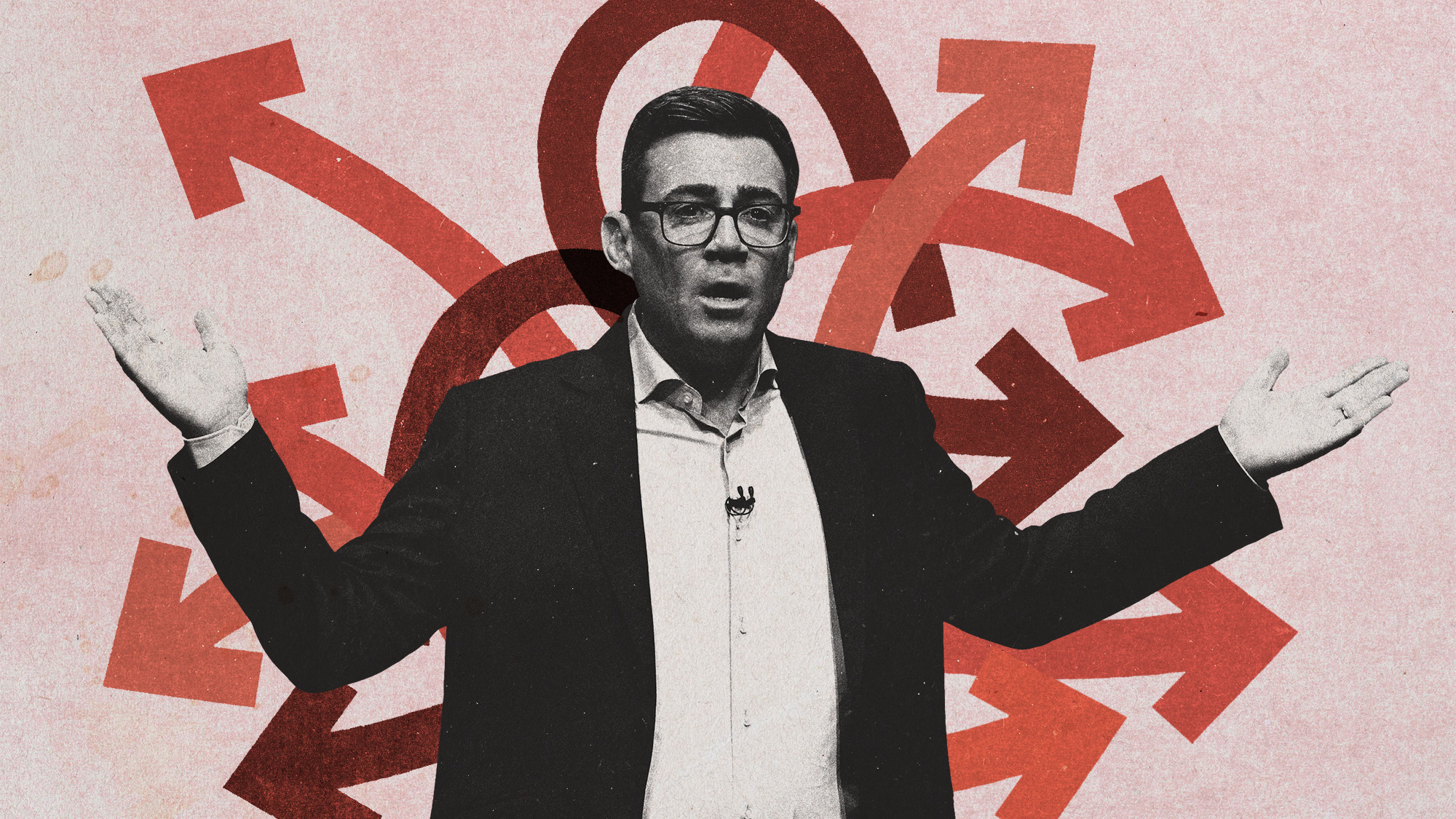
    Brexit: is Burnham on the right course?

    Andy Burnham has promised to “undertake the most ambitious review of Brexit since Britain left the EU”, said Jon Stone in Politico. And, “for now at least, he’s keeping all his options open”.

    With figures within his party variously pushing to join the single market, join the customs union or totally rejoin the EU, the prime minister has said only that he hopes to “find consensus” around one option at the UK-EU summit later this year. With nothing ruled out or in, there’s “plenty of space for interpretation” about the direction he might take, said Stone.

    What did the commentators say?
    Burnham’s pledge marks a “turning point in the story of Brexit”, said Denis Staunton in The Irish Times. He’s signalling a “readiness to rip up Keir Starmer’s red lines on Europe”, which included no return to the single market or the customs union and no unrestricted freedom of movement.

    Burnham’s “dramatic shift on Brexit” follows warnings from EU leaders to “tone down British demands to be included in the bloc’s Made in Europe policy”, said The i Paper’s deputy political editor Arj Singh. The UK’s push for inclusion, in exchange for lower tuition fees for European students, “sparked anger in Brussels” and “underlined the limits” of Labour’s red lines. Days later, Burnham “used his conference speech to say he was now prepared to drop” them.

    The PM risks “reopening the bitter division” that followed the 2016 referendum, said Reuters. His “desire to find a consensus will test his political skill in a nation still scarred by the tumult” of Brexit. But the timing makes sense: Donald Trump’s geopolitics are “reshaping alliances around the globe”, and the “threat of war in Europe” adds weight to the argument for a closer UK-EU relationship.

    What next?
    It’s obvious that none of this can be “rushed”, said The Independent’s editorial board. Even within the Labour Party, most recognise that “rejoining is no simple matter”. Burnham has faced calls to make reversing Brexit his top policy pledge at the next election, but it would not be “right or sensible to try to fight an election on a single issue”. Labour’s next manifesto needs “imaginative solutions” and “now is the time to open up the debate” and “start clearing the way forward from Brexit”.


    THE EXPLAINER

    Argentina’s economic pressure on the Falklands

    Argentina is subjecting the Falklands to “economic warfare”, the leader of the British overseas territory’s government has said. As Argentina ramps up its claim of sovereignty over the remote Atlantic islands, restrictions are making life more difficult for Falkland residents, Andrea Clausen told the Financial Times. And at the centre of the power struggle with Britain is the territory’s first oil project: Sea Lion, a joint UK-Israeli venture.

    What is life like on the islands?
    The Falklands are home to about 3,500 people, most of whom live in the capital, Stanley. The remainder are spread across the sprawling archipelago, which is roughly half the size of Wales. “People are always amazed by the scale when they visit,” one resident told Metro. Leaving the islands “isn’t simple – or cheap”, said the paper. There are two 18-hour direct flights a week to the UK, on a military plane, or one commercial flight a week to Chile.

    Because of the limited connections, imported goods can cost more than double their price in the UK. With only one shipping link, to Uruguay, there are sometimes shortages of cheese and other food staples. Most international suppliers “refuse to serve Falklands’ businesses” out of fear of angering Argentina, said the FT. Officials are planning a second shipping link to Chile, scheduled to open between November and December. Some islanders worry that Buenos Aires “could try to disrupt those efforts”.

    But in an economic boost, Britain’s Rockhopper Exploration and Israel’s Navitas Petroleum are launching a joint project to extract from an oilfield 136 miles north of the islands. This could “triple GDP” and reduce dependence on the inconsistent fishing industry, said the FT.

    What is Argentina doing?
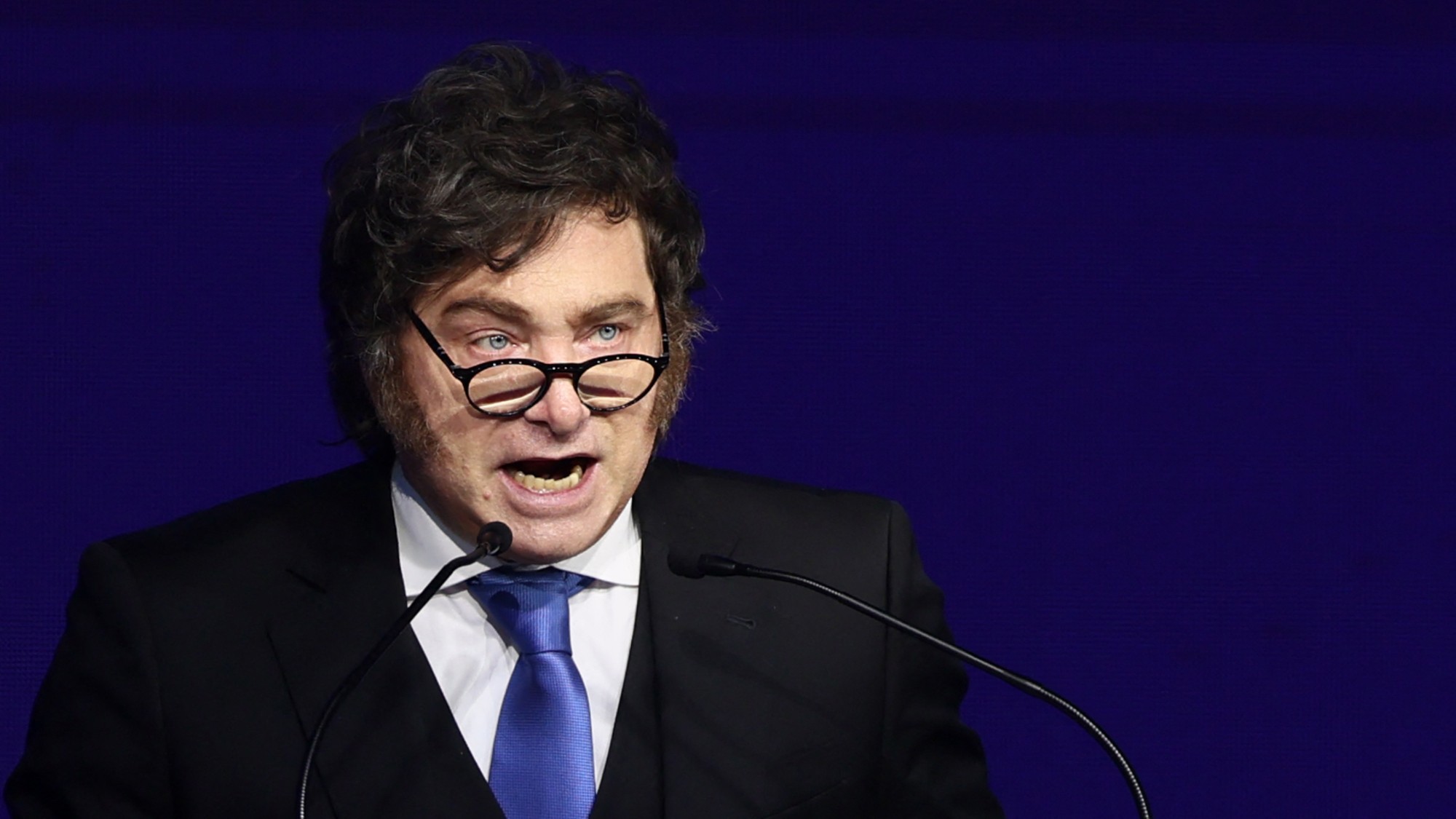
    President Javier Milei this month announced restrictions on companies involved in oil extraction, along with additional military funding. His new sanctions regime “appears to target both oil and fishing”, said the FT. On Monday, Milei (pictured above) warned that his government would request an emergency order to stop development of the Sea Lion oilfield if drilling is not halted within two weeks.

    “Time will tell” if Milei follows through on his threats, said resident Traighana Smith in an article for The Independent. But in the meantime, the Falklands will “continue to grow its industries and care for its people”.


    QUOTE OF THE DAY

    “If I was a player, I’d be 100% sticking those medals in the bin.”

    Roy Keane dismisses all of Manchester City’s trophy wins from 2009 to 2018, after the club was found guilty of breaching Premier League financial rules. “They won it on the pitch because cheating was going on,” the former Manchester United captain said on ITV Sport. 


    Poll watch

    Nearly half (48%) of voters “somewhat” or “strongly” support Andy Burnham’s plans to change the state triple lock pension from 2030 to help fund a National Care Service. The snap YouGov survey of 4,503 adults found that 28% were opposed, while 25% were undecided. 


    IN THE SPOTLIGHT

    Maricarmen: the symbol of Spain’s housing crisis

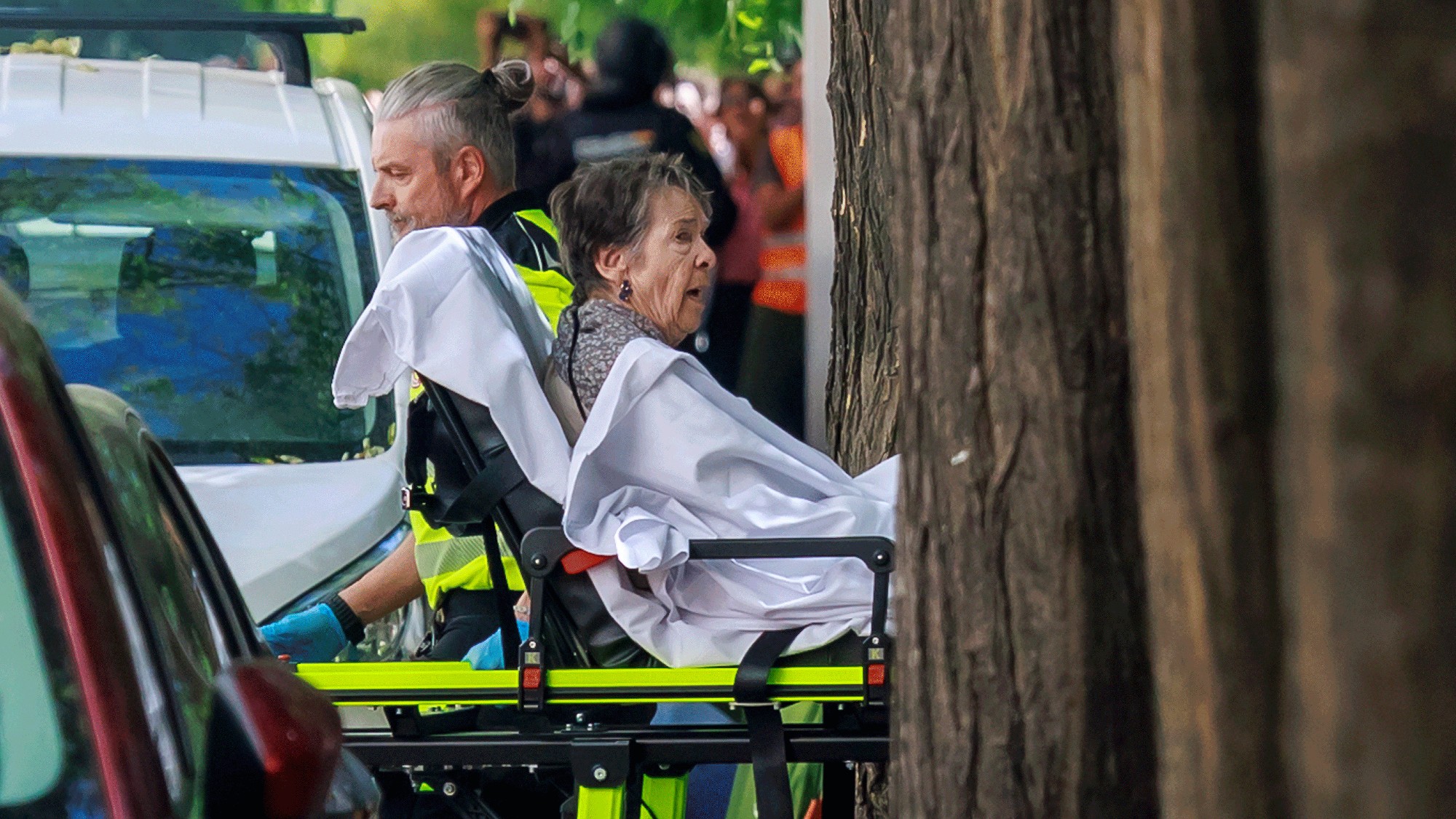
    The sight of a disabled octogenarian being removed from her home on a stretcher has reignited public anger about Spain’s housing crisis. Tens of thousands of Spaniards took to the streets last weekend to protest against the eviction of Madrid pensioner María del Carmen Abascal, known as Maricarmen, and demand “stronger protection for tenants in the face of a housing shortage and soaring rents”, said the BBC.

    ‘You are not alone’
    Abascal has lived in her flat in Madrid’s El Retiro neighbourhood for more than 70 years, and was paying around €500 per month in rent when the building was bought by investment company Urbagestión in 2018. The company increased the rent to €2,650 a month, “later reduced to €1,650”, but still well above Abascal’s monthly pension of €1,350, said Euronews.

    Three subsequent attempts by the company to evict her were blocked by the courts before Absascal was finally forced to leave. She was brought out on a stretcher after police used tear gas to clear a path between protesters outside who chanted: “You are not alone.” She was taken to hospital, suffering from anxiety and extreme exhaustion. But a few days later, she was allowed to return home, and her lawyers said a new eight-year contract was in place with the rent reduced to the pre-2018 rates.

    ‘Global symbol’
    Nearly 10,000 people gathered in Madrid in the afternoon after Abascal’s eviction to voice solidarity and “frustration over the growing difficulties in finding housing”, said CNN. There was also “a huge wave of spontaneous solidarity” protests in Barcelona, Seville and Valencia.

    Amid the mounting pressure, Prime Minister Pedro Sánchez has brought forward a long-delayed housing reform bill that must be approved in parliament within 30 days. As it currently stands, the bill bans evictions of vulnerable tenants until 2030, limits rent hikes for two years and prohibits investment funds from purchasing houses for two years.

    Abascal’s case has resonated far beyond Spain. She has become a “global symbol for housing activists”, said El País. “What is happening here is a signal for all of Europe,” political analyst Federico Tomasone told the paper. “This transcends borders. There are many Maricarmens everywhere.”


    Good day 🐻

    … for Backpack the bear, who has won this year’s Fat Bear Week, run by Alaska’s Katmai National Park. The brown male bear, who got 103,344 votes from the public, was named for his former habit of hitching rides on the back of his mother, Holly, the contest’s 2019 winner. He’s a “big fuzzy boy”, said one fan. 


    Bad day🌧️

    … for Tokyo, which has been drenched by a record 35 consecutive days of rain. Nearly three times more rainfall than the normal September average has hit Japan’s capital, with experts blaming climate change and El Niño.  


    PICTURE OF THE DAY

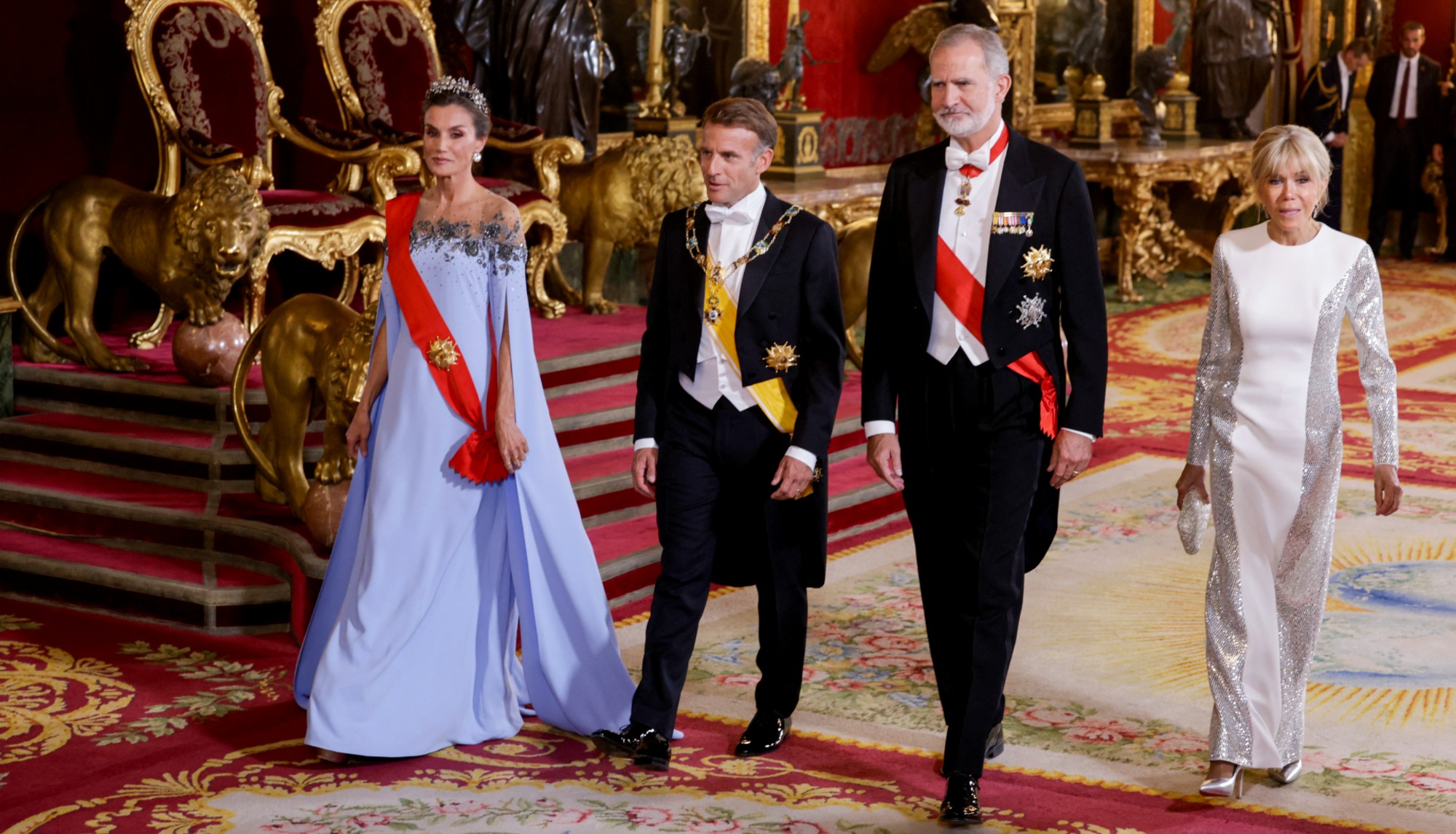
    Diplomatic moves

    Emmanuel and Brigitte Macron and Spain’s King Felipe and Queen Letizia stroll through the throne room of Madrid’s Royal Palace. The two-day state visit is the first by a French president to the neighbouring nation since 2009.

    Violeta Santos Moura / Pool/ AFP / Getty Images


    Puzzles

    Chain Word

    Try The Week’s daily word challenge in our puzzles and quizzes section, which also includes sudoku and Guess the Number

    Play here


    THE WEEK RECOMMENDS

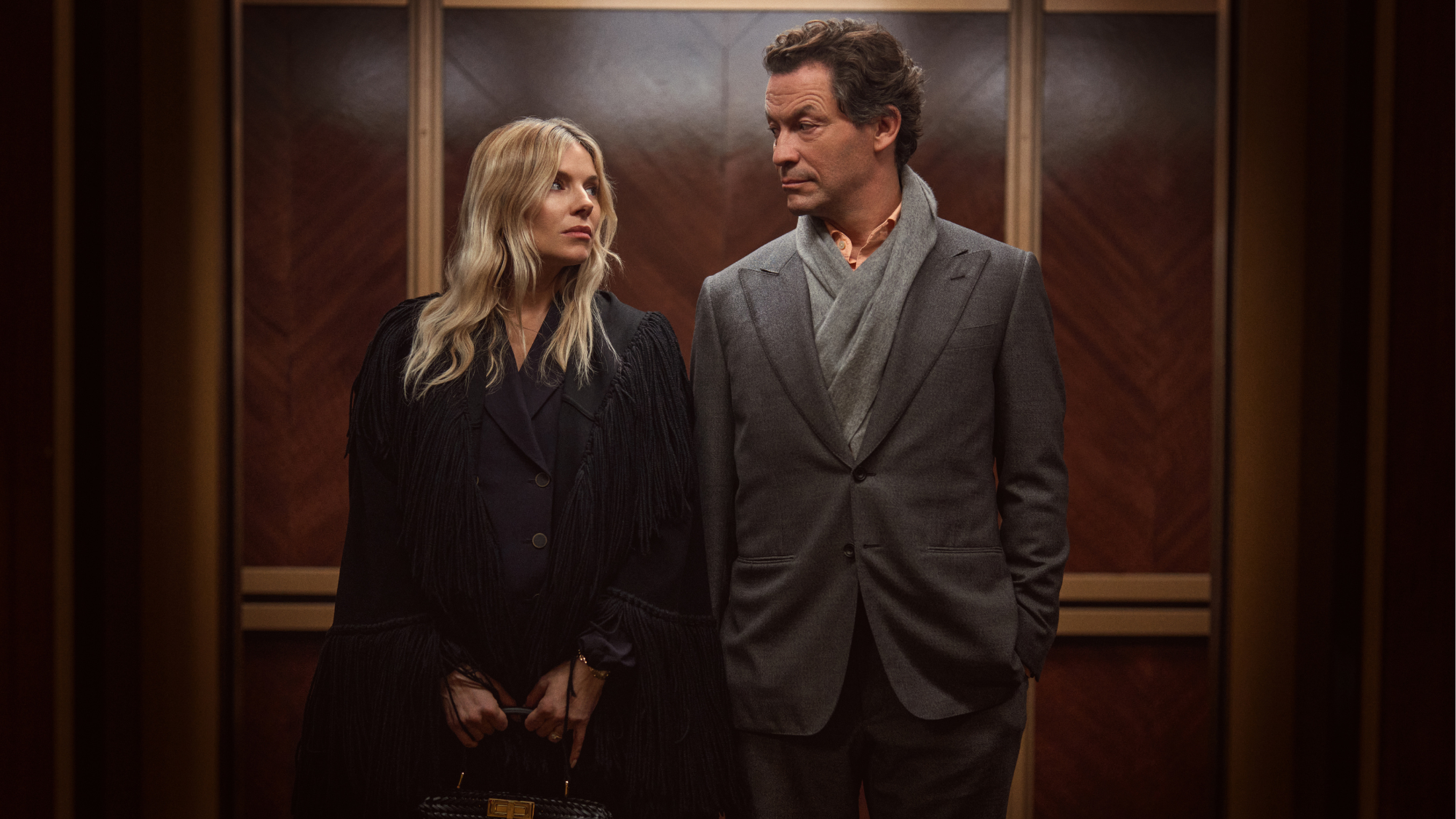
    War: Miller and West lock horns in ‘tasty’ legal drama

    Forget “muddy trenches”, said Belen Edwards on Mashable. In Sky’s new legal drama “War”, battles are fought in “elegant wood-panelled rooms or glassy offices perched high above London’s streets”. But the “polished” setting doesn’t mean the fighting is clean – far from it. The lawyers at the rival firms locking horns in this high-profile divorce case are “itching to get absolutely filthy”.

    The combative couple at the centre of the series are film star Carla Duval (Sienna Miller) and tech mogul Morgan Henderson (Dominic West). In the first of many “underhanded” chess moves, Carla enlists her friend to “honeytrap” her husband so she can kick-start divorce proceedings. It’s a “tantalisingly bitter amuse-bouche for all the delicious drama to come”.

    Miller and West are “perfectly cast” in this “tasty divorce drama”, said Anita Singh in The Telegraph. Writer George Kay provides a “snappy script” that charts the couple’s descent into “rancour” and a “battle over Morgan’s fortune”. Carla’s team is led by a “plucky husband-and-wife team” played by James McArdle and Phoebe Fox, while Morgan opts for the “Machiavellian” St John Smallwood (“a classy Pip Torrens”). Add to the mix a supporting cast that includes Celia Imrie, Nick Mohammed and “actor-of-the-moment” Aran Murphy (the “lookalike son” of Cillian), and the show has “a lot going for it”.

    “War” is a “triumph” for the most part, said Gareth McLean in Radio Times. “Glossy, smart, very high-end and thoroughly entertaining”, it’s the kind of show that makes you “want to be a lawyer when you grow up – even if the way they operate is pretty appalling”.


    Statistic of the day

    3,700: The average number of new .si domains registered every day since Donald Trump told the UN General Assembly last week that artificial intelligence should be rebranded as “super intelligence”, or “SI”. The .si suffix, Slovenia’s country-code domain, had just 3,500 new registrations throughout August. 


    instant opinion

    Today’s best commentary

    Should you be allowed to text in sick?
    Mita Dhullipala in City A.M.
    “If you’re ill”, you ought to phone your boss rather than “hide behind a text”, writes communications consultant Mita Dhullipala. Staff who abuse sick leave damage workplace morale by leaving others “to pick up the slack”, but having to call “puts more friction between coming into the office and a cheeky duvet day”. It can also help managers spot employees who need support: “a conversation can reveal” when someone “is struggling in a way that a two-line Whatsapp message cannot”.

    Is the government trying to radicalise me?
    Stephen Daisley in The Spectator
    “This is all very awkward,” writes Stephen Daisley. I’m a Guardian reader who still wishes it could “be 1997 again”, but I’m “clinging to liberalism amid borders so open as to be non-existent”, institutions “suffused with the maddest of ideologies and the Gazafication of everything from upmarket bakeries to Ed Sheeran concerts”. I want this government to stop driving me “to the right”. Centrism may “have had its day”, but Labour doesn’t need to “pander to every destructive derangement of its activist base”.

    Burnham has promised to become the King of Care. I’m desperate to believe he’ll succeed
    Sangita Myska on The Nerve
    Our social-care system has long been “the dirty secret of politics”, writes Sangita Myska. Navigating its “Kafkaesque series of bureaucratic tunnels” is “dehumanising”, and its “pay-per-minute” services exploit workers and the vulnerable. So I’m pleased that Andy Burnham “has set his sights on slaying the monster”. It’s “radical” and there’s no “pot of gold” to fund his proposed National Care Service, but he says he’ll sacrifice “political capital” if needed. What’s needed now is “for him to stick to his guns”.


    word of the day

    Ghostploitation

    A portmanteau of “ghost” and “exploitation” to describe the controversial practice of recreating a dead actor’s image using AI. The term has been resurrected following the launch of an ad for ball-bearings maker SKF starring Greta Garbo. The Hollywood icon’s great-nephew Craig Reisfield, one of three relatives who manage her legacy, told The Guardian that the “very discerning” custodians had been “flabbergasted” and “totally impressed” by her digital doppelgänger.


    Evening Review was written and edited by Hollie Clemence, Rebecca Messina, Will Barker, Harriet Marsden, Chas Newkey-Burden, Irenie Forshaw, Helen Brown, Steph Jones and Kari Wilkin, with illustrations from Julia Wytrazek.

    Image credits, from top: illustration by Julia Wytrazek / Getty Images; Javier Torres / AFP / Getty Images; Burak Akbulut / Anadolu / Getty Images; Violeta Santos Moura / Pool/ AFP / Getty Images; Justin Downing / Sky / HBO / New Pictures
     

    Recent editions

    • Evening Review

      The midterms shape the war

    • Morning Report

      Trump hits the brakes on fuel-efficient cars

    • Evening Review

      Russia steps up ‘shadow war’ with Europe

    VIEW ALL
    TheWeek
    • About Us
    • Contact Future's experts
    • Terms and Conditions
    • Privacy Policy
    • Cookie Policy
    • Advertise With Us
    • FAQ
    Add as a preferred source on Google Add as a preferred source on Google

    The Week is part of Future US Inc, an international media group and leading digital publisher. Visit our corporate site.

    © Future US, Inc. Full 7th Floor, 130 West 42nd Street, New York, NY 10036.