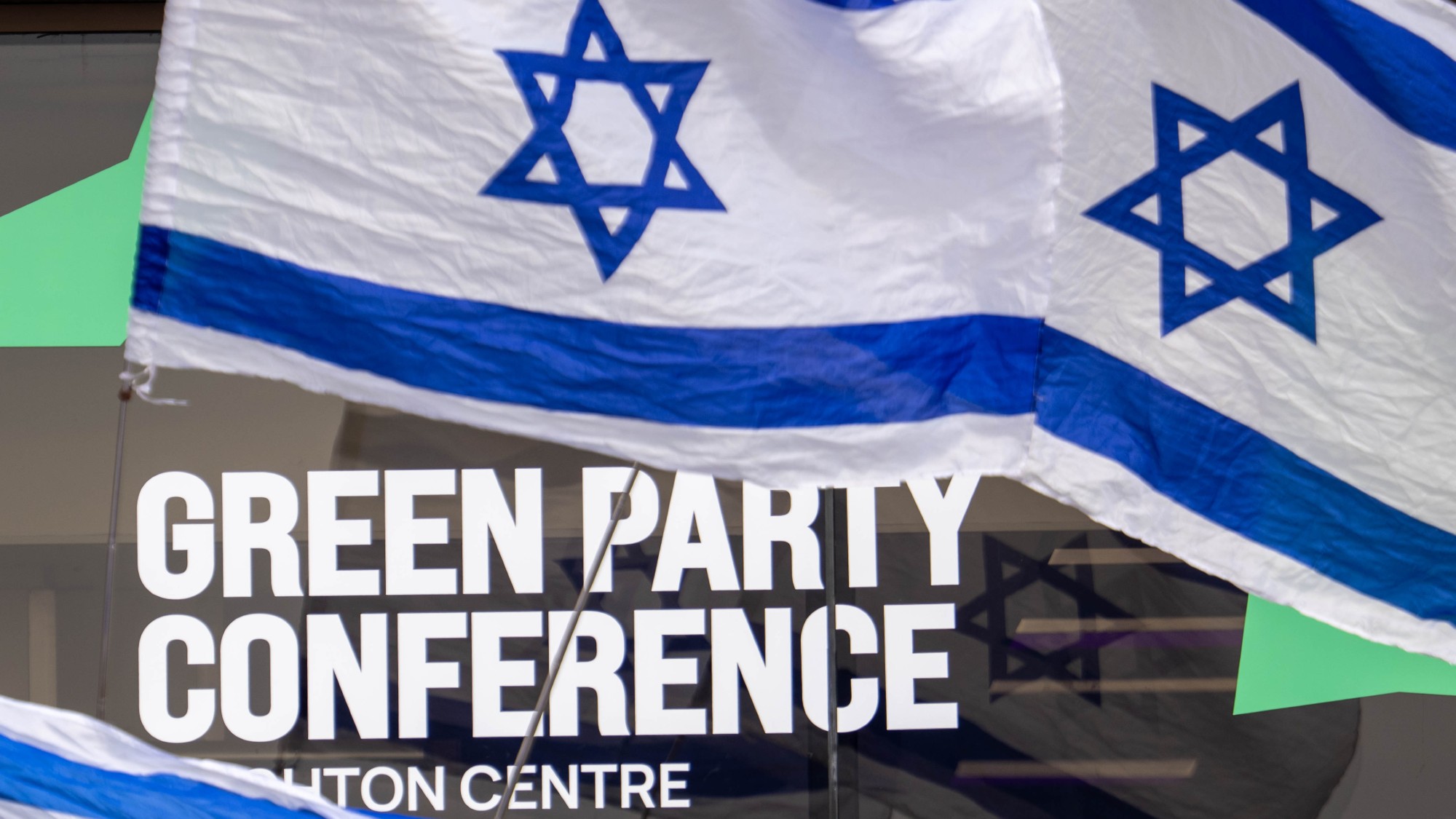
The Greens’ conference vote to treat Zionism “as any other form of racism” has caused turmoil within the party, and been roundly condemned as an attack on the Jewish community in Britain.
Two attempts to water down the motion, both backed by leader Zack Polanski, failed. Polanski, who is Jewish, has since been banned from Israel, and the country’s Foreign Ministry has accused the Greens of legitimising “the elimination” of Israel “through armed struggle”. The UK’s chief rabbi, Ephraim Mirvis, also condemned what he described as “poisonous antisemitism” that is “a threat to British Jews and to Britain”.
‘Grim transformation’
There is now a “genuine fear” among some of the Jewish members of Polanski’s party, said The Guardian. “This radical turn in official Green Party policy”, said The Times’ editorial board, “underscores the grim transformation that has taken place” under his leadership. It is veering “unnervingly close to open hostility towards the people of Israel and to Jewish interests”.
Zionism is the simple belief “in a Jewish national home in some portion of historic Palestine”, said Jonathan Freedland in The Guardian. Research shows that a large majority of British Jews identify as Zionist, as does “almost every synagogue, or synagogue movement, in Britain and indeed the world”. This vote betrays a “deep ignorance of what the word Zionism means” and “a wilful misunderstanding of Jews and Judaism”.
‘Strategic mistake’
“To blame all Israelis – all Zionists, indeed – for atrocities against Palestinians and to seek to punish them as a group is unjust,” said The Economist’s editorial board. The Greens’ new policy goes so far as to endorse “the destruction of Israel”, to be replaced by a Palestinian state “possibly run by the murderers of Hamas”. This is a “damning moment for a political party with pretensions to power”. Polanski “needs to grasp that his movement has been taken over by zealots” and lead an effort to regain control.
A “sizeable group” within the party view the vote – which passed by 1,022 votes to 813 – as a “strategic mistake” that will both “alienate potential voters” and “be the only thing the party is asked about” for months to come, said Meghan Kenyon in The New Statesman. Former MP and party leader Caroline Lucas spoke against the “divisive” motion, condemning it as an “over-simplification” of complex issues.
|