The announcement of 76-year-old Canadian poet and essayist Anne Carson as this year’s Nobel Prize in Literature laureate marked the end of a lengthy, secretive selection process that began more than a year ago. Throughout its history, the world’s most prestigious literary award has “generated more controversies” than any of the other Nobel Prizes, said Euronews.
Who picks the Nobel laureates in literature?
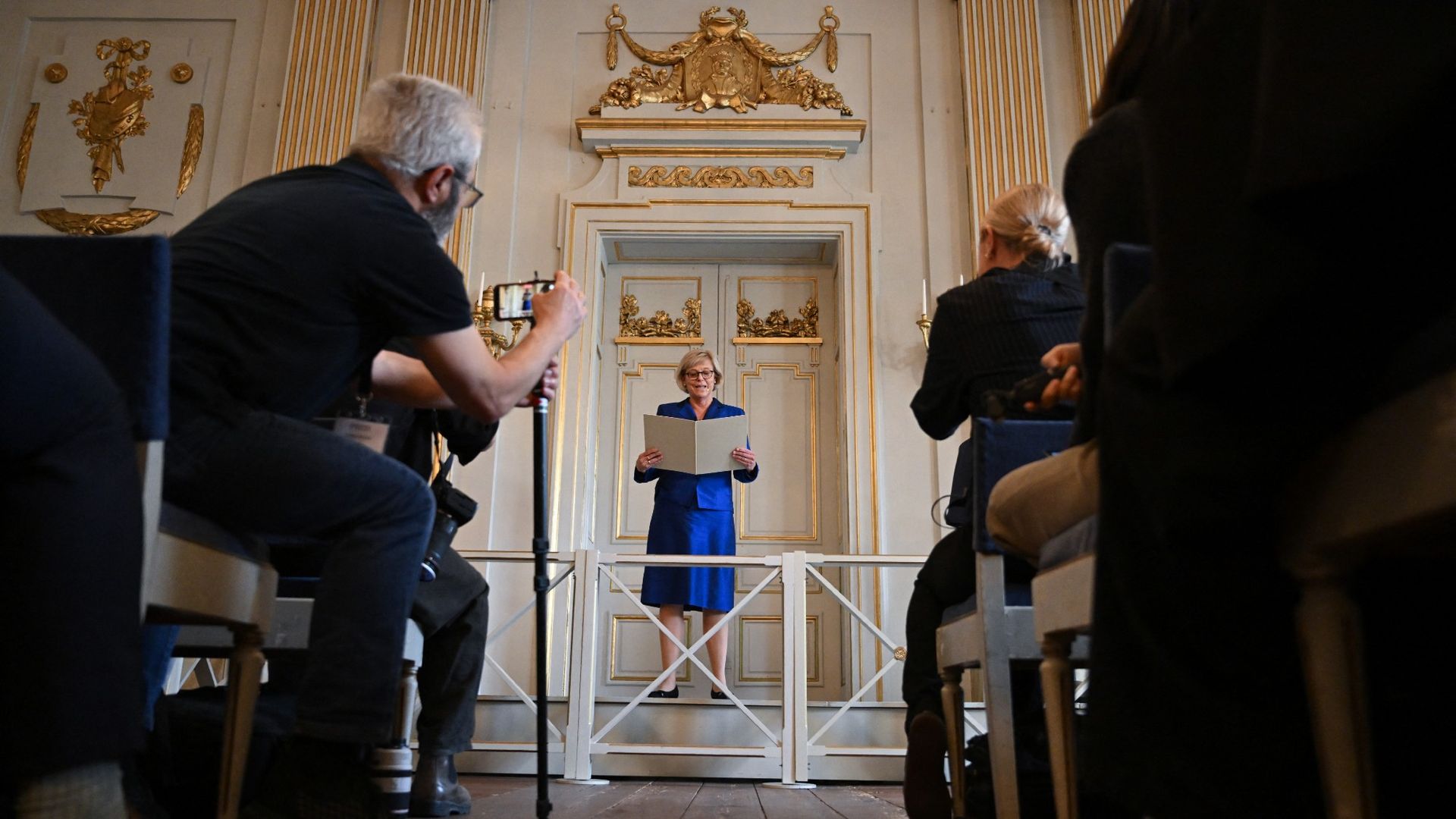
Awards are chosen by the Swedish Academy, made up of “distinguished Swedish writers, linguists, literary scholars, historians, and a prominent jurist”, according to the Nobel Prize website. The 18 members have tenure for life.
How is the winner chosen?
The Academy’s “Nobel Committee” sends invitation forms to individuals and organisations eligible to submit nominations, such as literature and linguistics professors, previous laureates, and heads of writers’ associations. The list “can reach 200 names per year”, Gisele Sapiro, research director and Nobel Prize expert, told Deutsche Welle.
The Committee screens the submissions and “whittles down the nominations” to five candidates. The prize is given to a writer’s body of work, rather than one book. Members read and assess each candidate’s oeuvre over the summer, and vote in early October. In addition to the prestige conferred by the award, the winner takes home 12 million Swedish kronor (about £910,000).
Why is it so controversial?
Some winners have been divisive figures, such as 2019 laureate Peter Handke – a “known denier of the Bosnian genocide” and “close supporter” of former Serbian president Slobodan Milošević, said Euronews.
There is also a “comic discrepancy between the weight of the prize and the parochialism of the judges”, who have awarded eight Nobels to writers from Sweden, while only 33 out of 122 laureates have come from outside Europe, said the Financial Times’ Simon Kuper. Only about 15% of winners have been women (although the prize has alternated between male and female laureates each year since 2018).
Despite the criticisms, the Nobel Prize still “shapes the global canon”. It can “turbocharge sales” and get authors’ names trending far beyond their countries. In a world where reading is “in decline”, this prize matters more than ever.
|