The Week US
flag of US
US
flag of UK
UK
https://cdn.mos.cms.futurecdn.net/flexiimages/jacafc5zvs1692883516.jpg

SUBSCRIBE & SAVE

Less than $3 per week

Sign in
  • View Profile
  • Sign out
  • The Explainer
  • The Week Recommends
  • Newsletters
  • Cartoons
  • From the Magazine
  • The Week Junior
  • More
    • Politics
    • World News
    • Business
    • Health
    • Science
    • Food & Drink
    • Travel
    • Culture
    • History
    • Personal Finance
    • Puzzles
    • Photos
    • The Blend
    • All Categories
  • Newsletter sign up Newsletter
  • The Week Evening Review
    Brand sentenced, ‘coalition of the willing’, and rise of the religious left

     
    TODAY’S BIG QUESTION

    Will entertainment industry change after Brand case?

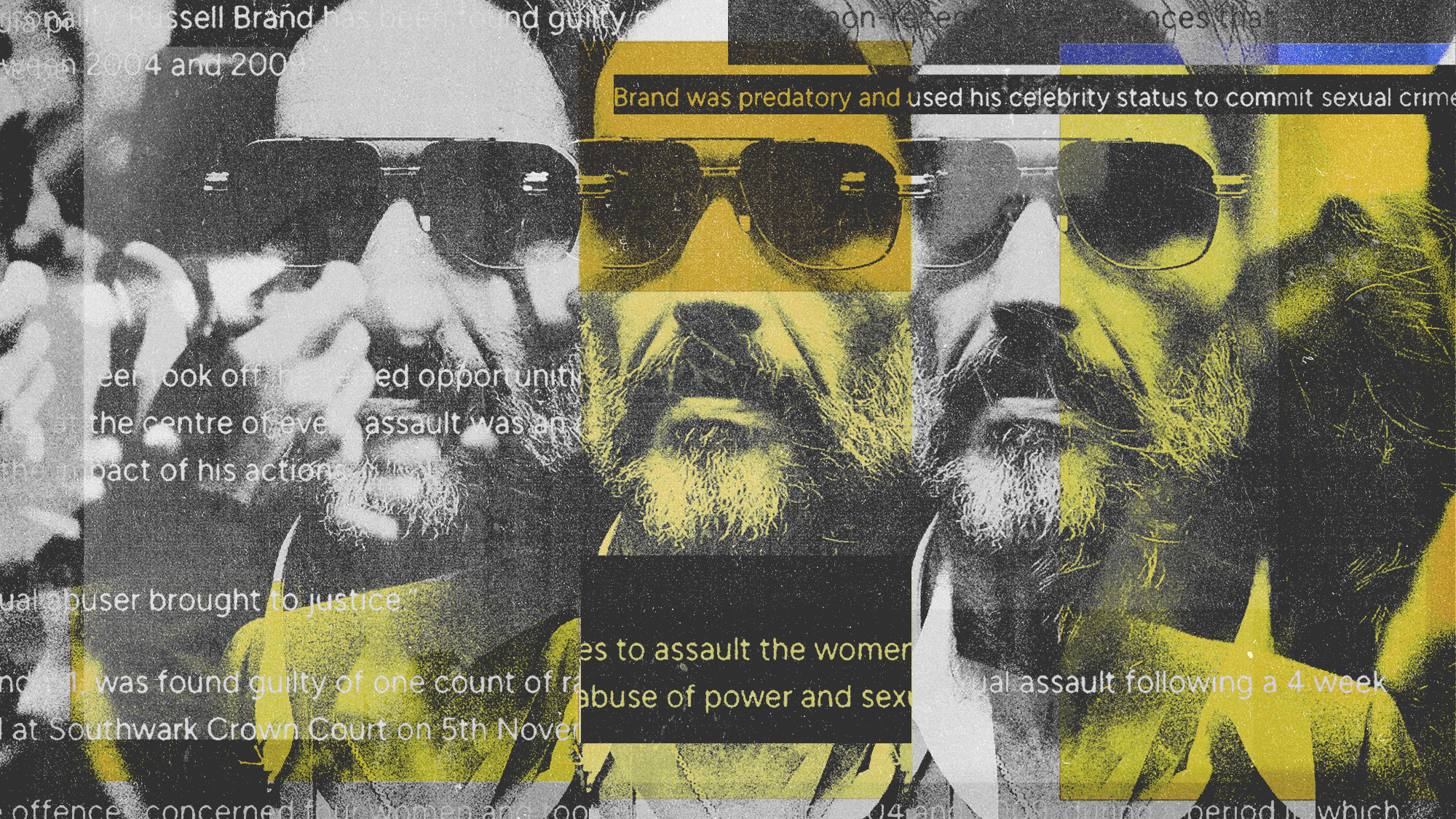
    Russell Brand was today sentenced to 10 years and six months in prison, with the judge calling him a “sexual predator” who displayed “staggering arrogance”.

    Given expectations that more women will come forward with allegations against Brand, attention is turning to what comedy writer Rachael Healy described in The Guardian as “the ultimate open secret” in the industry: that, for too long, it’s turned a blind eye to celebrity sexual predators.

    What did the commentators say?
    The trial has been “surreal” to follow, “verging at times from the harrowing to the bizarre”, said Rachel Cunliffe in The New Statesman. Over four weeks, the court “travelled back in time to the toxic nexus of pre-MeToo celebrity culture in the late Nineties and Noughties, where famous men felt emboldened to demand a massage off a stranger or paw the breasts of a woman they had just met”.

    The “context around Brand’s offending is everything”, said Libby Brooks in The Guardian. From “the media circus, the tired tropes, the threats of litigation, the enablers and the institutional cultures of silence that protect powerful perpetrators”, the extent of Brand’s offending was matched only by “the staggering degree of enabling that accompanied it: the staff who escorted victims to his home; the colleagues who laughed along to his humiliation of other female co-workers; the executives who didn’t want to lose their cash cow”.

    Reflecting on her 2007 appearance with Brand on Channel 4’s “The Big Fat Quiz of the Year”, the singer Lily Allen put it more bluntly in an interview in 2023: “It makes me uncomfortable but I don’t think I felt that at the time because it was the culture.”

    What next?
    “We are long overdue a reckoning with the ongoing ramifications of this culture,” said Lucy Morgan in Esquire. But, given Brand was so open and blatant about his attitude to women and sex, the big question is why no one stopped him. We need answers, not just from “the producers who kept booking him” and “the TV execs who ignored complaints about his behaviour,” but also “perhaps even” from “ourselves, sitting in the audience, laughing along the entire time”.


    THE EXPLAINER

    The ‘coalition of the willing’ military exercises

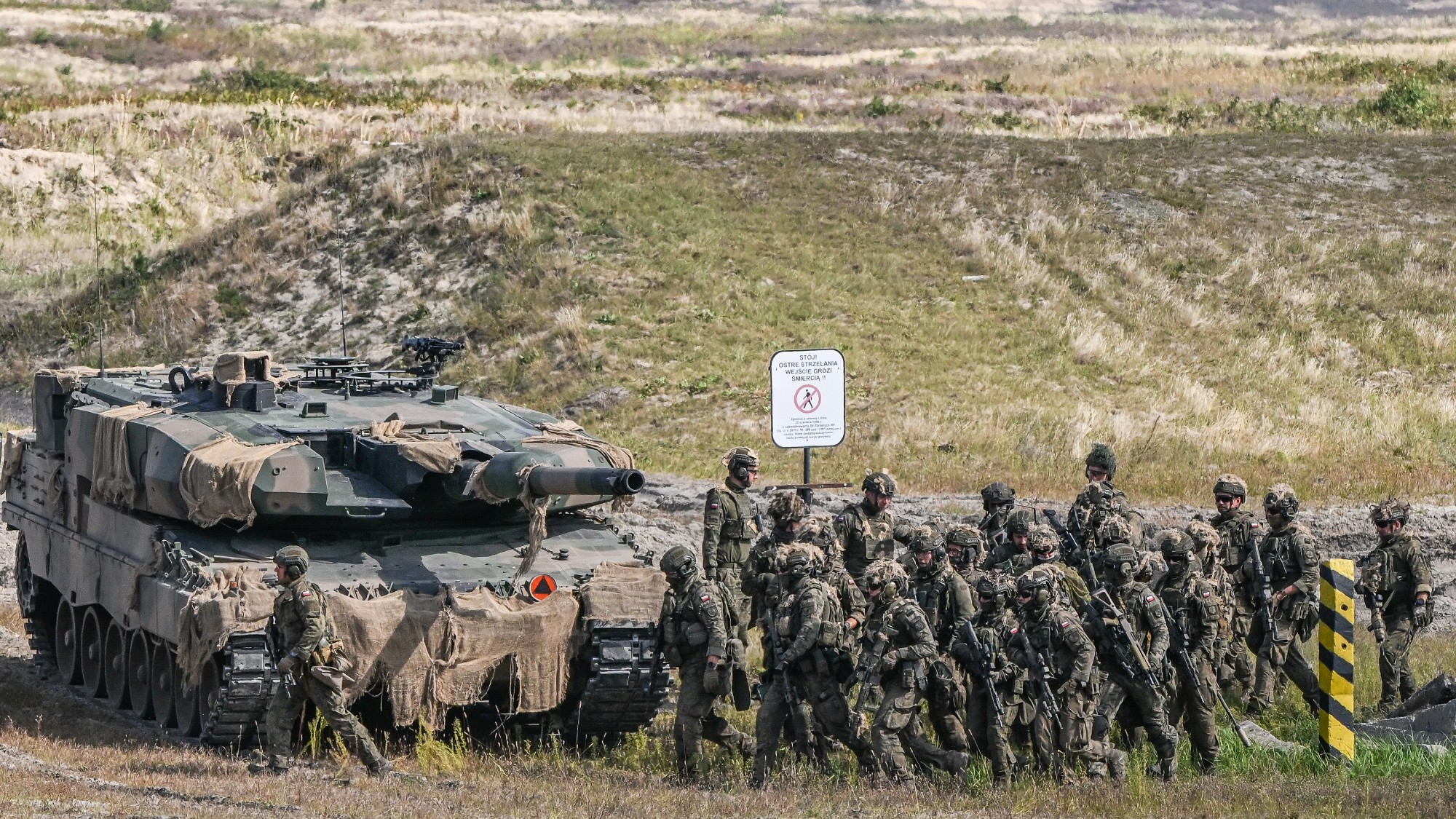
    Thousands of European troops are taking part in military exercises in Poland in the first deployment of the so-called “coalition of the willing”. The brainchild of Keir Starmer and France’s President Emmanuel Macron, the 35-nation group was established in March last year “to strengthen support for Ukraine and put economic and diplomatic pressure on Russia”, said the UK Ministry of Defence.

    Who is participating?
    Around 2,800 military personnel from 10 European nations – Belgium, Estonia, Germany, France, Lithuania, the Netherlands, Poland, Spain, Sweden and the UK – make up the Multinational Force-Ukraine, the military component of the coalition. They are taking part in the war-game rehearsal, named Exercise Koalicja (Polish for coalition), in Poland from today until 22 November.

    About 300 British personnel are participating, and RAF Typhoons will simulate how they would reassure commercial air travel once Ukraine’s skies reopen. Anglo-French led, with an HQ rotating between London and Paris, this “is not a peacekeeping or a ceasefire-monitoring force, nor is it connected to Nato”, said the MoD. The US will not be part of the mission, nor will the Multinational Force-Ukraine rely on US weapons or technology such as Elon Musk’s Starlink, an unnamed official told The Times.

    What will they be doing?
    The two-week military exercise will test the ability of this new alliance to deploy in Ukraine once the fighting between Kyiv and Russia ends. This is a “key milestone” that “will serve as a concrete demonstration of the MNF-U’s ability to be deployed as soon as hostilities have ended”, France’s General Armel Dirou, who will co-lead the exercise alongside Britain’s Lieutenant General Tom Bateman, told France 24.

    What will the force look like?
    The new force is “not designed for offensive operations”, said Bateman. “Its purpose is to provide reassurance and support the regeneration of Ukraine’s armed forces, strengthening their ability to deter and, if necessary, defend against future Russian aggression.” Russia has already voiced opposition to foreign troops being stationed in Ukraine, and President Vladimir Putin last year said they would be “legitimate targets”. Western officials have “declined to spell out the rules of engagement if any international troops were to be attacked in Ukraine”, said the BBC, but “they say the force would be able to defend itself”.


    QUOTE OF THE DAY

    “I’d like to have a haircut just like them. They look perfect, like Tom Cruise.”

    Donald Trump describes “young, handsome” US Air Force pilots who have told him about seeing UFOs and other flying “things that are very strange”. They’re “really good, solid people” with “beautiful, nice flat tops”, not “conspiracy theorists”, the president told CBS News. 


    Poll watch

    One in five US gamers would give up sex for a month for the chance to play “Grand Theft Auto VI” ahead of the game’s official release next week, while 7% would abandon their pets. According to an Unwind Media poll of 1,347 gamers, 53% would go a month without booze for a week of early access, and 43% would forego smoking.


    IN THE SPOTLIGHT

    The rise of the religious left in America

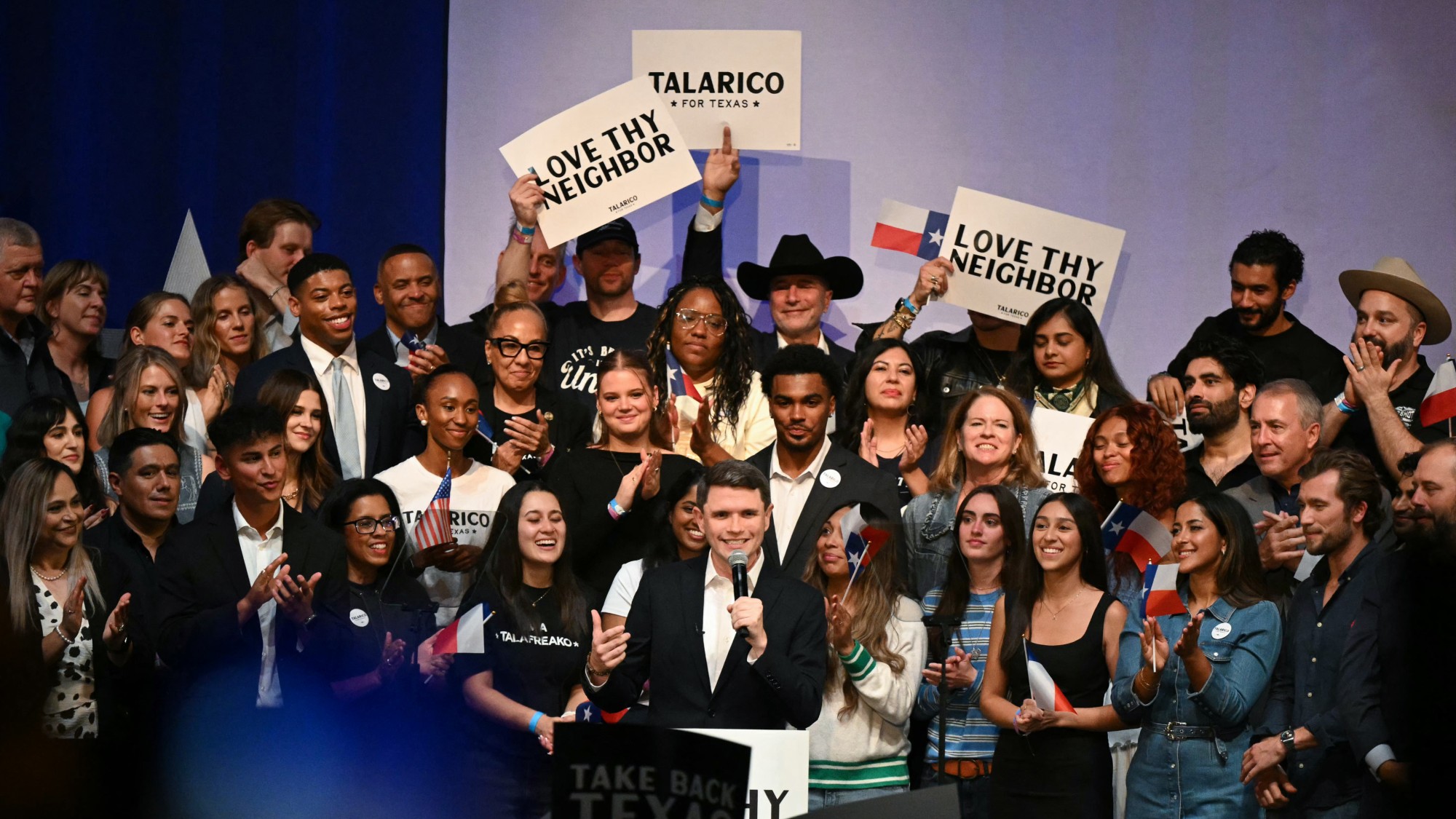
    Religion in the US has long been seen as the “preserve of the right, with Republicans traditionally viewed as the party of Christian values”, said The Telegraph. But significant wins in the midterms for religious Democrats, such as James Talarico (pictured above) in Texas, has set up faith as a new “political battleground” in the lead-up to the 2028 presidential election.

    ‘Inclusive’ Christianity
    Scripture was the “rallying cry” of the left in these midterms, said The New York Times. References to Matthew 25 – where Jesus speaks of caring for the vulnerable – were a “favourite” among Democrats looking to “earn trust” from their state or district’s more moderate Christian voters. This religious messaging stopped them being labelled as “godless”, as well as appealing “to people frustrated with the cost of living”, the war in Iran, and divisions over immigration and healthcare. It was an “inclusive”, progressive push that reaped dividends.

    Politicians on the Christian left have been trying to break through for a long while, “but were mostly drowned out in primaries before they came close to reaching the national stage”, said Rolling Stone. But then, in just a few years of “profound corruption” and “incompetence”, Donald Trump, who once enjoyed support from many with a strong Christian faith, “accomplished what otherwise may have taken generations”: he “opened a door for the religious left to make incredible inroads”.

    Earning trust of moderates
    It may, though, be “too early to say whether this election marks the start of a realignment” among voters of faith, said The Wall Street Journal. For a Democratic Party that’s “long been wary” of mixing religion and politics, these victories by “unapologetically faith-based candidates” certainly mark a change of direction, but the party’s broad support for abortion and transgender rights “still remain unpalatable” to many socially conservative voters.

    To be successful in the 2028 presidential election, the Democrats will need to keep winning over moderate Republicans for whom religion is important, said The New York Times. Candidates such as Talarico have shown that their faith and “scriptural fluency” can achieve that. Running on “duty to care for one another”, the core principle of many religions, could just be the party’s “new path to the White House”.


    Good day 🐁

    … for dormice, which may be benefiting from Britain’s warmer springs and summers. According to new data from the People’s Trust for Endangered Species, populations of the sleepy creature have risen by nearly 10% in the past five years, following decades of decline, as higher temperatures and lower rainfall boost their food supplies and breeding opportunities.


    Bad day 👹

    … for forgiving, which may be less satisfying than revenge, new research suggests. A meta-analysis of 54 studies involving around 14,600 people found that both imagining and enacting small acts of pettiness produced feelings of pleasure. But those feelings quickly faded, the researchers said in the journal Nature, and were only associated with small acts of retaliation rather than serious vendettas.


    PICTURE OF THE DAY

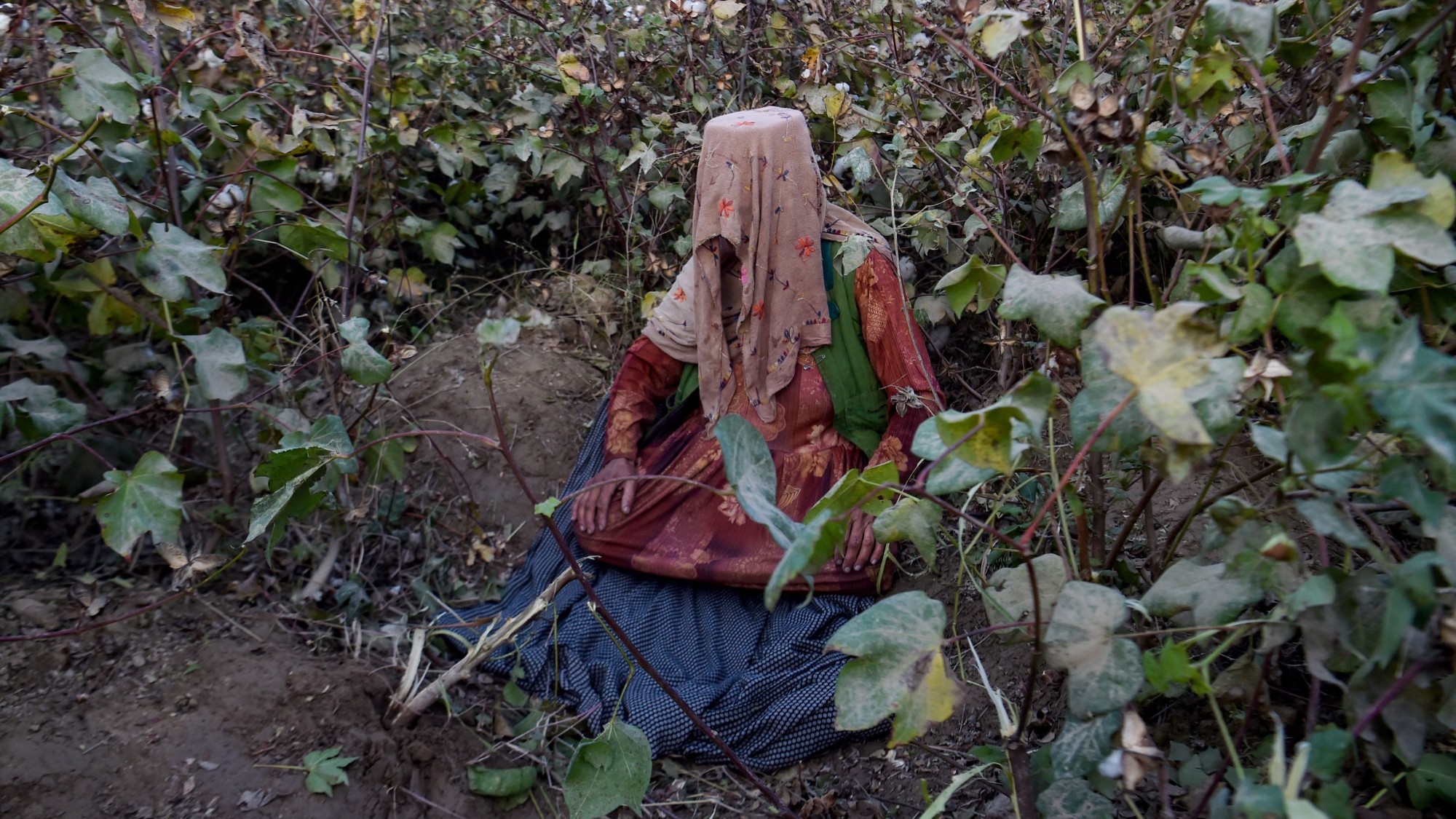
    Lost in prayer

    A woman performs the afternoon Asr prayer in a cotton field in northern Afghanistan. Since the ruling Taliban regime imposed a nationwide ban on poppy cultivation in 2022, many farmers have switched to growing crops such as cotton and wheat. 

    Atif Aryan / AFP / Getty Images


    Puzzles

    Chain Word

    Try The Week’s daily word challenge in our puzzles and quizzes section, which also includes sudoku and Guess the Number

    Play here


    THE WEEK RECOMMENDS

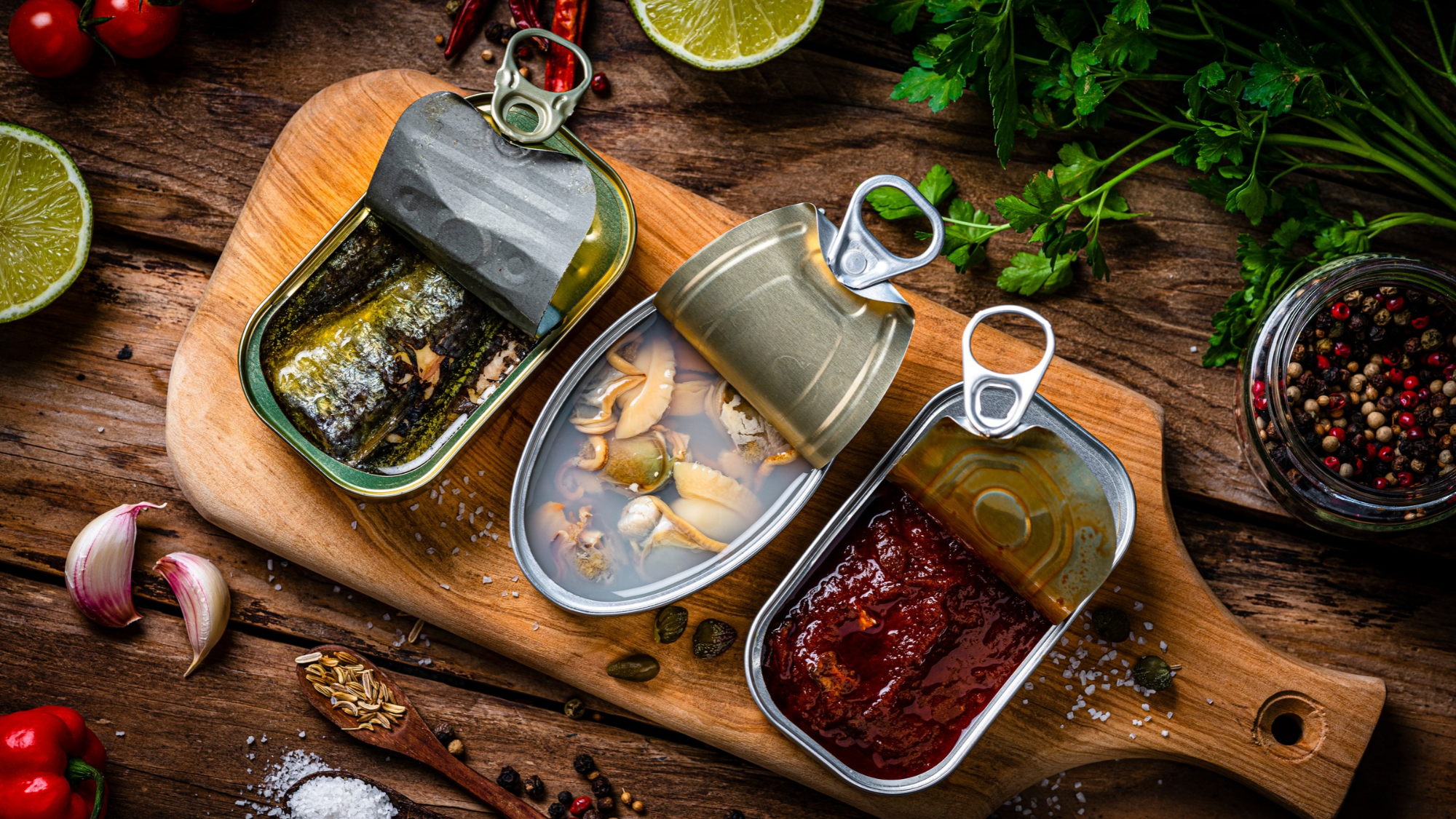
    Tasty tinned food to boost your stockpile

    Tinned food is flying off the shelves as Brits follow advice to keep emergency stockpiles in case of extreme weather, conflicts or cyberattacks.  Here are some of the tastiest and most useful options to add to your shopping list.

    Beans
    Tinned beans are “already cooked, which is a bonus”, and can be eaten warm or cold, said The Telegraph. They’re rich in fibre, magnesium, vitamins and iron, and are also a good secondary protein source. “They’re filling too.”

    Tomatoes
    Tinned tomatoes are “essentials” that make it “incredibly easy” to turn other ingredients into a “proper meal”, nutritionist Gabriela Peacock told Metro.

    Fruit
    Tinned fruit is a “good option” to ensure “you’re going to get vitamin C” even if fresh produce runs low, said The Telegraph. From prunes to mandarin oranges, go for tinned fruits in juice to get the most nutrients and vitamins. 

    Fish
    Tinned fish can have a shelf-life of at least two years and is packed with essential protein, particularly tuna and sardines. As an added bonus, tinned fish is in “culinary vogue” right now, said The Times. 


    Statistic of the day

    Nine: How many hours a cruise ship pianist spent treading water before being rescued after falling overboard into the Pacific Ocean. The Royal Caribbean Cruises employee was taken to hospital in a stable condition after being spotted 20 miles off the California coast by two anglers, who credited his survival to unusually warm ocean temperatures. 


    instant opinion

    Today’s best commentary

    What the AI doomsters get wrong
    Wolfgang Munchau on UnHerd
    “Europe still doesn’t get AI,” writes financial journalist Wolfgang Munchau. We’ve “sidelined ourselves by enacting a raft of disastrous anti-tech regulation” that’s created a “massive and unbridgeable” gap from the US and China. European economists who think “AI is just another bubble” have “no idea what it does and how it works”. They don’t see what a “substantial and measurable” impact it will have on productivity and the labour market. This isn’t just “another investment fad”; “this time, it really is different”.

    Farage’s Reform lieutenants are trading dog whistles for foghorns
    Sonia Sodha in The i Paper
    There’s a growing “whiff of nastiness” about Reform, writes Sonia Sodha. The party has drawn a clear dividing line with the Conservatives on race, with an ally of Nigel Farage even describing Kemi Badenoch as a “Nigerian scammer”. This “strategy of flirting with ethnonationalism” is driven by the threat from Restore Britain and “the hard-right online ecosystem”, and some in Reform’s ranks “enthusiastically welcome” it. But it won’t win more votes and will “encourage more hostility towards non-white communities”. Reform is “playing a dangerous game”.

    Britain shouldn’t be ashamed of its tarts
    Daniel Hardaker in The Telegraph
    Was there ever a “more successful culinary invasion than the pastel de nata”? writes Daniel Hardaker. The “flaky little Portuguese” pastry has “pushed” the British custard tart, “served up at the coronation banquet of Henry IV” in 1399, “to the margins”; “even Greggs stopped making them”. Yet while it’s not as “artisanal” and “Instagrammable”, our “native tart” has a “larger custard to pastry ratio” than its Portuguese cousin. Both should “stand proudly alongside” each other in our bakeries.


    word of the day

    Sandpapergate

    The 2018 cricket ball-tampering scandal, which has erupted again following the release of an autobiography by former Australia opener Usman Khawaja. An official investigation into the use of sandpaper to alter the ball during the third Test against South Africa in Cape Town blamed Australia’s captain Steve Smith, vice-captain David Warner and batter Cameron Bancroft. But, according to Khawaja, the entire team knew about the plot.


    Evening Review was written and edited by Jamie Timson, Will Barker, Chas Newkey-Burden, Elliott Goat, Rebekah Evans, Irenie Forshaw, Helen Brown, David Edwards and Kari Wilkin, with illustrations from Stephen P. Kelly.

    Image credits, from top: illustration by Stephen P. Kelly / Getty Images; Artur Widak / NurPhoto / Getty Images; Ronaldo Schemidt / AFP / Getty Images; Atif Aryan / AFP / Getty Images; fcafotodigital / Getty Images
     

    Recent editions

    • Sunday Shortlist

      A killer vacation

    • Saturday Wrap

      Curtains for Trumpism?

    • Evening Review

      What the midterms mean for Israel

    VIEW ALL
    TheWeek
    • About Us
    • Contact Future's experts
    • Terms and Conditions
    • Privacy Policy
    • Cookie Policy
    • Advertise With Us
    • FAQ
    Add as a preferred source on Google Add as a preferred source on Google

    The Week US is part of Future US Inc, an international media group and leading digital publisher. Visit our corporate site.

    © Future US, Inc. Full 7th Floor, 130 West 42nd Street, New York, NY 10036.