The Week US
https://cdn.mos.cms.futurecdn.net/flexiimages/jacafc5zvs1692883516.jpg

SUBSCRIBE & SAVE

Less than $2.50 per week

flag of US
US
flag of UK
UK
Sign in
  • View Profile
  • Sign out
  • Newsletter sign up Newsletter
    • The Explainer
    • The Week Recommends
    • Newsletters
    • Cartoons
    • From the Magazine
    • The Week Junior
    • More
      • Politics
      • World News
      • Business
      • Health
      • Science
      • Food & Drink
      • Travel
      • Culture
      • History
      • Personal Finance
      • Puzzles
      • Photos
      • The Blend
      • All Categories
    The Week Evening Review
    A national popular vote, a zoo’s reckoning, and an insightful sketch

     
    The Explainer

    Dems’ electoral sweep opens a path to end Electoral College

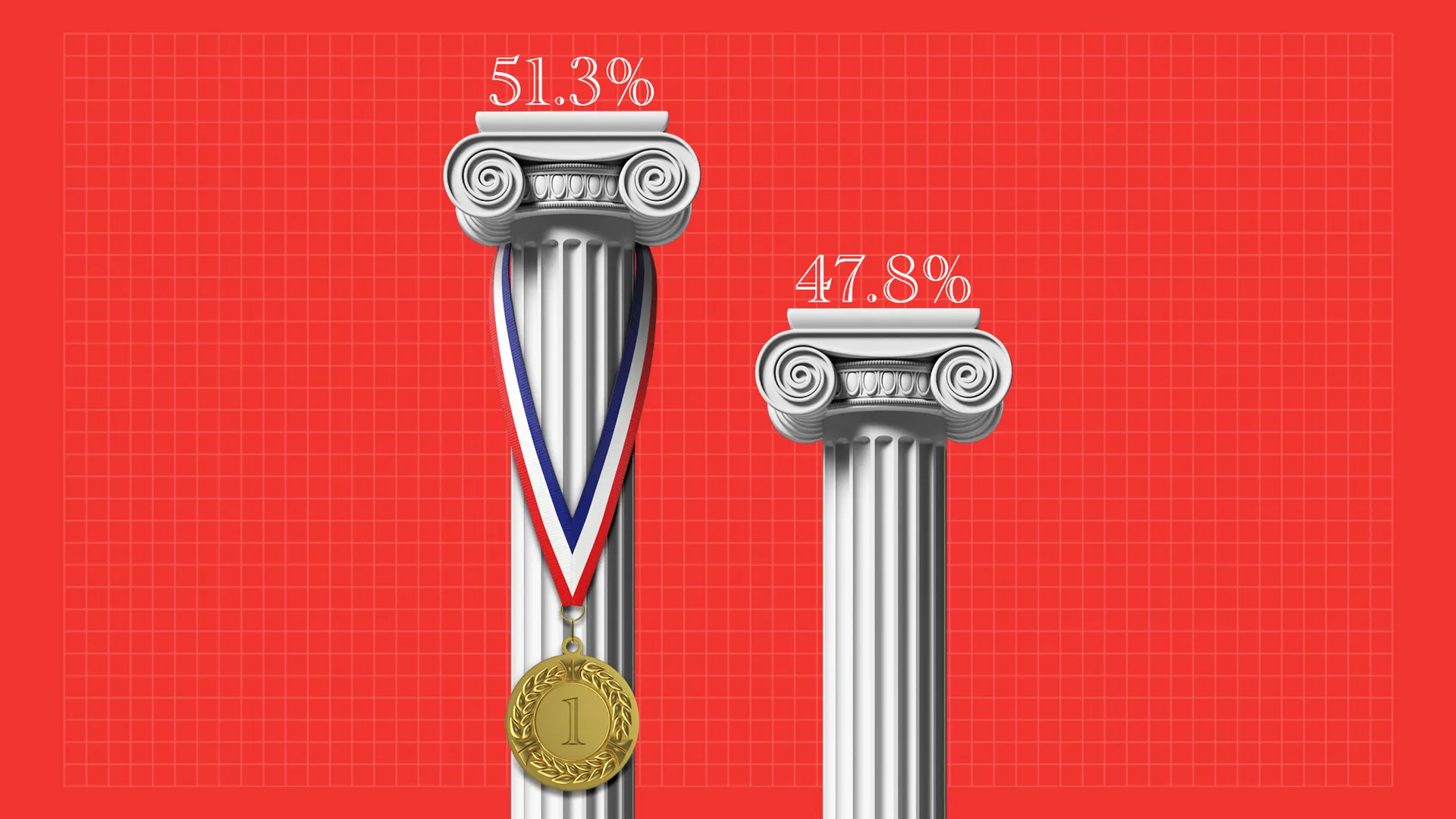
    For all the focus on Democrats’ recent gains in Congress, the biggest consequence of this month’s midterms may be a change to how the country holds elections in the future. When the new legislative session begins, Democrats will hold majorities in enough state governments to begin enacting the National Popular Vote Interstate Compact (NPV), a hotly debated plan to replace the Electoral College with a national popular vote.

    What’s the National Popular Vote Interstate Compact?
    At its core, the compact is an agreement between state governments to support whichever national candidate wins the popular vote, regardless of how that vote is split within the participating states. Although “officially abolishing” the Electoral College requires a constitutional amendment, the system would “effectively be neutralized” under the NPV, said Time. Before November, 18 states and the District of Columbia had already joined the compact under Democratic governmental trifectas.

    Why are we talking about it now?
    The compact has a “trigger” that activates only if “enough states pass it to effectively control at least 270 electoral votes,” said USA Today. With 222 Electoral College votes already committed to the compact, Democratic sweeps of both legislative chambers and gubernatorial offices in Arizona, Michigan, Nevada, Pennsylvania and Wisconsin would add 61 additional votes — “more than enough” to put the NPV into effect.

    Crucially, “no Republican-led states have joined the compact,” said NPR, and the GOP is “largely not unified on the issue.” There remain also “plenty of political, practical and legal hurdles that this effort would need to clear” before it could go into effect.

    What would need to happen?
    Each participating state in the compact must “pass legislation through both chambers of its legislature” for the governor to sign it into law, or supporters would need to “marshal a supermajority” to circumvent a veto, said Time. And even if “swing states recently gone blue” decide to join it, the compact would still face constitutional challenges, said Noah Feldman at Bloomberg. 

    Notably, though, recent polling shows “broad support” for abandoning the Electoral College, said People. A 2024 Pew Research Center poll indicated “63% of Americans would prefer presidential contests decided by the popular vote, including 46% of Republicans.”


    QUOTE OF THE DAY

    ‘Kilmar Ábrego García has left the United States a free man.’

    Attorney Simon Sandoval-Moshenberg on his client’s voluntary self-deportation to Spain, after the Trump administration mistakenly deported him to Venezuela last year, then brought him back to face criminal charges. Ábrego García has “many options to return” to the U.S. after Trump leaves office, said the lawyer.


    Talking Points

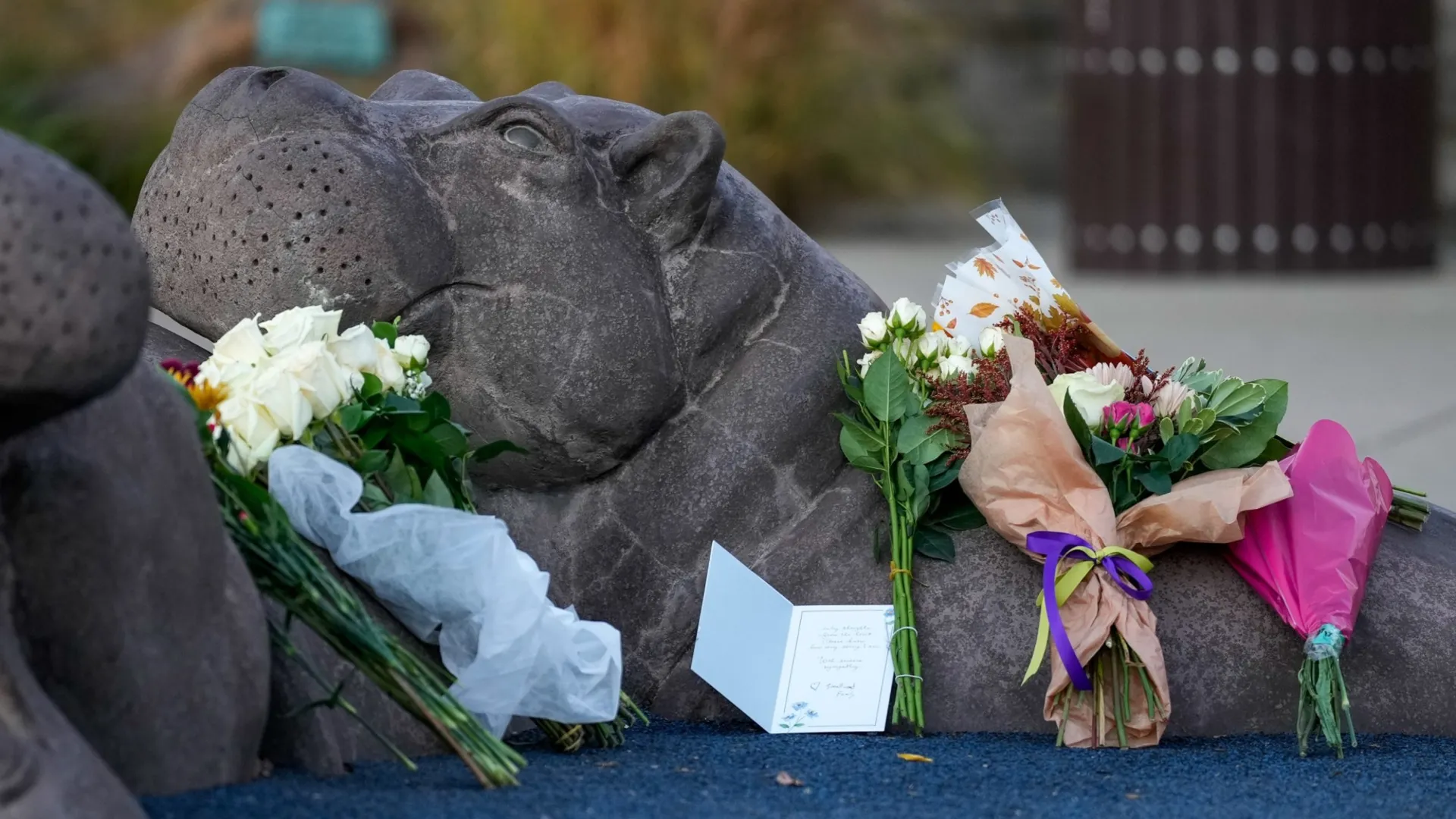
    Hippo’s death highlights zoos’ issues of safety, access

    People nationwide are still mourning Fiona, the beloved Cincinnati Zoo hippopotamus who died after ingesting a hat that accidentally got into her habitat. Her death, along with other recent incidents at zoos, has experts reconsidering the relationship between allowing the public better access and keeping zoo animals safe.

    ‘Fine balance’
    Other attacks this year have drawn similar scrutiny when humans get too close to wild animals. A man was fatally mauled at a Yorkshire, England, zoo after jumping into the tiger pen, and a three-year-old was attacked at a Cambridgeshire, England, zoo after allegedly being thrown into the crocodile enclosure. Fiona’s death also conjures memories of Harambe, the gorilla who was killed at the same zoo in 2016 after a child got into his habitat.

    It’s a “fine balance” between access and safety, said Paul Eberhart, a lecturer of human-animal studies at Aurora University, to WKRC-TV Cincinnati. At some point, zoos have to determine: “When do you stop putting nets up? When do you start putting plexiglass up? When do you let that exhibit kind of flow into the public area a little bit more?” But zoos also want to have a “connection between the guest and the animal,” and the more security features there are, the “weaker that connection is going to be.”

    Accidents happen
    Some tragic scenarios can’t be avoided. “Accidents happen at zoos every day,” and the deadliest encounters usually happen because of visitors “failing to read signs or heed instructions from zoo staff to avoid certain areas that would put them into dangerous proximity to potentially aggressive animals,” said Devan Schowe at Born Free USA. The “one common thread between these potential accidents? Zoos are at fault for all of them,” as it’s a zoo’s job to “ensure that visitors remain safe.”

    While Fiona’s death may have been a “tragic accident, social media mobs are desperate to find someone to blame,” said Arwa Mahdawi at The Guardian. Perhaps sometimes parents should be “held accountable for their offspring’s actions.” Several states have “introduced legislation to explicitly prohibit zoo trespassing in response to a rise in incidents,” said Pennsylvania State Rep. Melissa Shusterman (D) in a memo introducing a law to make entering zoo enclosures illegal.


    Statistic of the day

    2,000: The number of migrants who arrived yesterday in Spain’s Canary Islands, a single-day record for the archipelago. “Sadly, this is a historic day,” said regional leader Fernando Clavijo. The influx took place a week before Spanish national elections in which immigration is a major issue.


    In the Spotlight

    ‘Sister’ sketch on ‘SNL’ strikes nerve over gender roles

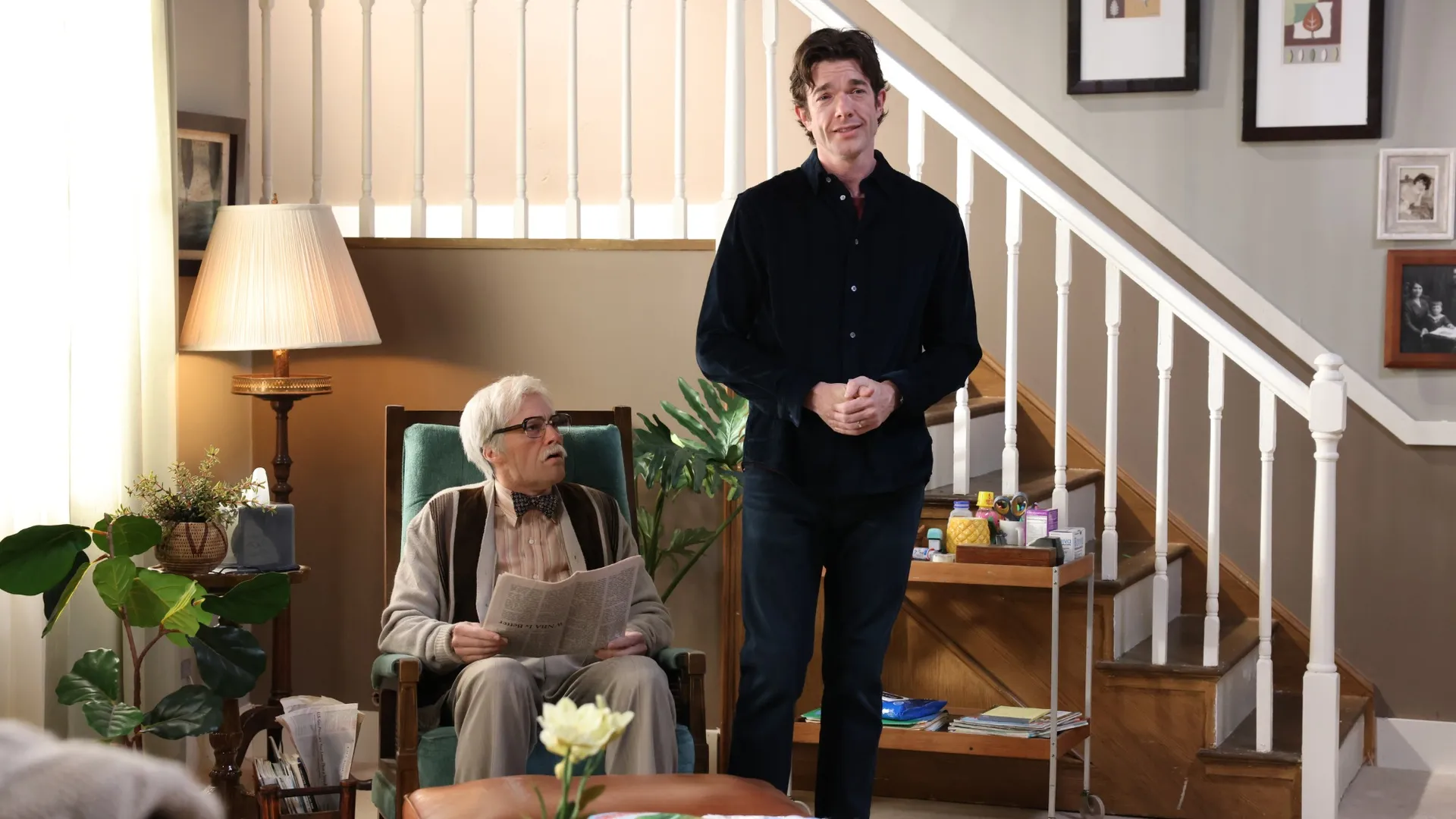
    John Mulaney’s viral “Sister” sketch on “Saturday Night Live” earlier this month satirizes the disproportionate burden women often shoulder in caring for their aging parents. And since its airing, the absurdist infomercial has sparked a broader conversation about the need for unpaid labor in eldercare and why women frequently fill that role.

    Women aren’t laughing
    The joke “hit close to home” for many families “precisely because it’s so true,” said The New York Times. Studies suggest that daughters “provide at least twice as much care as sons.” Other countries have supportive policies like “universal paid leave and cash benefits” while also providing subsidized eldercare, but the U.S. has “none of these at the federal level.” So for “most families,” the solution is “relatives.” If not spouses, they “tend to be daughters” who are “rarely paid for their efforts” and often “pay a price in their careers” and “well-being.”

    The sketch “gets to the heart” of what research “already shows to be true”: There’s a “gender and workload” imbalance in “family caregiving,” said AARP. In American families, three in five family caregivers are women, per a report by AARP and the National Alliance for Caregiving. Poking fun at an “accepted gender dynamic” that we do not “interrogate enough societally” is “brutal and entertaining in equal measure,” said Slate. 

    Men might be stepping up
    The skit may also play on an “older stereotype,” said Elliot Haspel, a senior fellow at the family-oriented think tank Capita, to The Dispatch. Some reports indicate that the caregiving “gap is shrinking.” Most Americans (74%) strongly believe that gender “does not play a role” in who’s “best suited to provide care” and that “care should be shared equally,” said a 2026 survey by New America’s Better Life Lab (BLL). Even if women end up “doing more care work,” many men are “still motivated to be part” of it, said The Dispatch.

    Discourse inspired by the sketch is an “exciting step” because it’s acknowledging the truth, said BLL Director Brigid Schulte to the Times. We are “trapped in these roles,” and then our “public policies” reinforce it, so “we are all laughing at being trapped in our own cages.”


    Good day 📰

    … for local news. Al Gore is purchasing the Carthage Courier, the newspaper in his Tennessee hometown. The former vice president, who started his career as a journalist, “characterized the purchase as a move that preserves an independent local voice in Carthage and Smith County,” said The Associated Press. 


    Bad day 🔓

    … for national security. The CIA and Office of the Director of National Intelligence (ODNI) have suffered a hack affecting unclassified information, according to CNN. While there were “no disruptions to critical capabilities or classified systems,” said an ODNI official to CNN, it’s the latest in a string of cybersecurity issues across various industries.


    Picture of the day

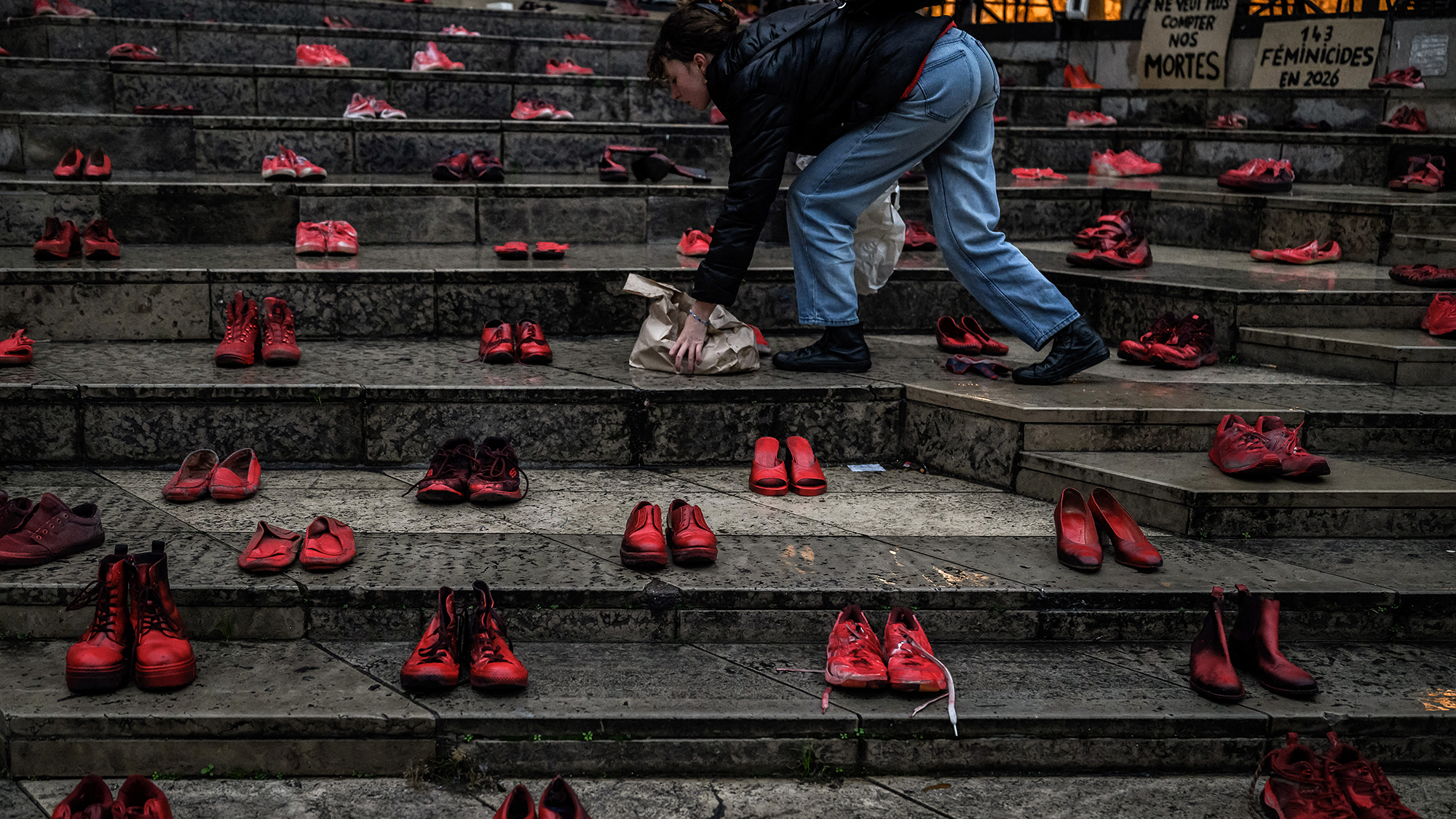
    Rouge reminder

    A member of feminist group Super Feminists of Family Planning 69 in Lyon, France, displays red-painted shoes symbolizing the number of women who have been victims of femicide across the country since the start of this year.
    Jeff Pachoud / AFP / Getty Images


    Puzzles

    Daily sudoku

    Challenge yourself with The Week’s daily sudoku, part of our puzzles section, which also includes guess the number

    Play here


    The Week recommends

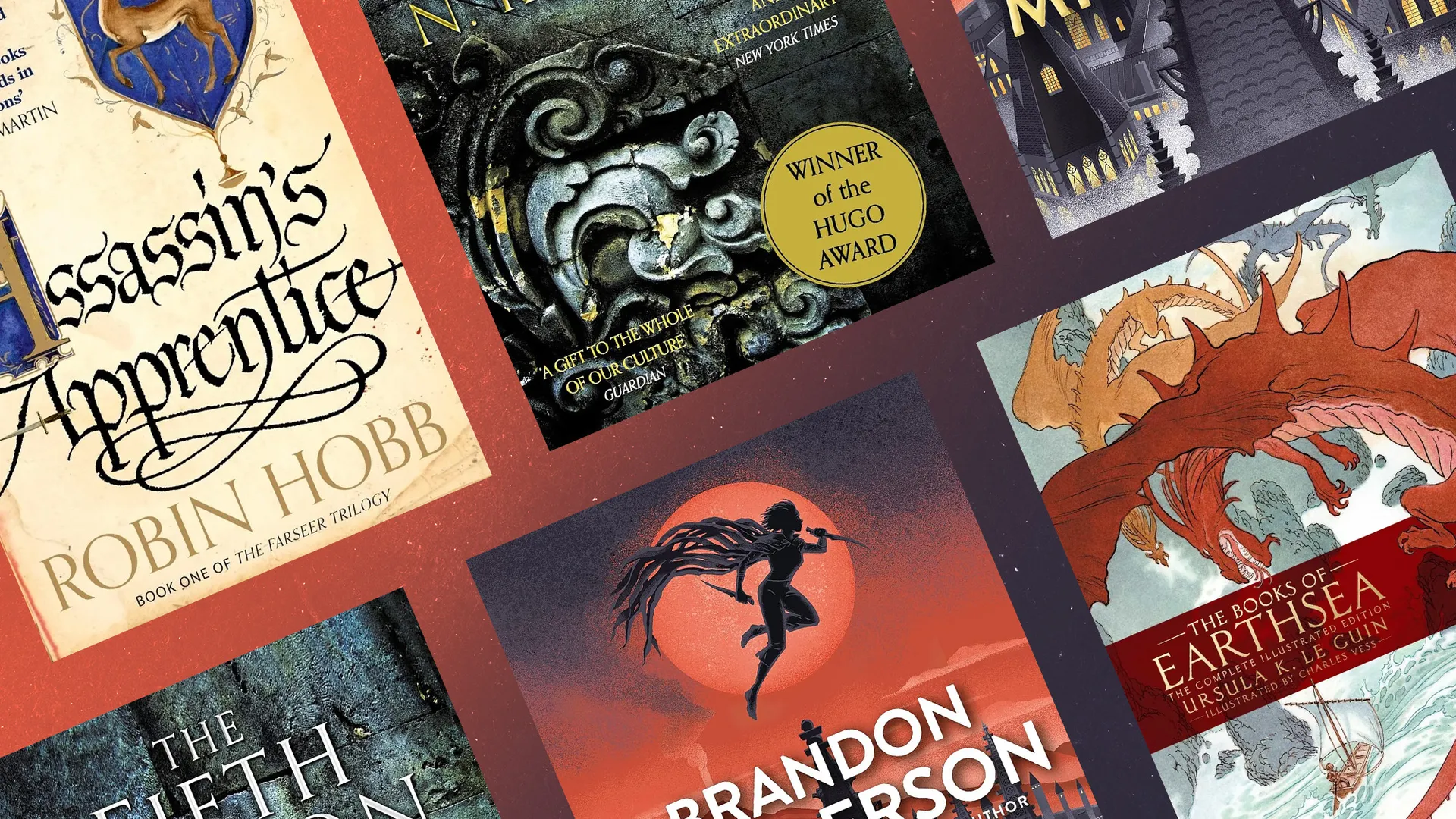
    The best fantasy book series for every fan

    At its best, the fantasy genre transcends the bounds of our world, transporting readers to magical destinations that feel as real as our own. These series are some of the most compelling the genre offers. They have captivated generations of fans. 

    ‘The Earthsea Cycle’ (1968-2001)
    Long before readers were introduced to “Harry Potter,” the first installment in the six-book “Earthsea Cycle” series features Ged, a young boy on his way to study at the “magical island of Roke’s school of wizardry,” said Time. When it was first published, Ursula K. Le Guin’s seminal series “broke down barriers” and “provided a blueprint for countless beloved fantasy properties to come.” ($105, Saga Press)

    ‘The Realm of the Elderlings’ (1995-2017)
    Robin Hobb’s worldbuilding is in a league of its own, even though it’s often compared to that of George R.R. Martin. The multiple trilogies in her “Realm of the Elderlings” series will delight “epic fantasy lovers,” said IGN. Hobb paints her “scenes and characters” masterfully, with “magical character development” and surprises that have continued to “pull in and enthrall readers” for over 30 years. ($20, Del Rey)

    ‘Mistborn’ (2006-2022)
    Over the last two decades, Brandon Sanderson has crafted the “largest interconnected fantasy universe” in literary history: the Cosmere, said Esquire. The original “Mistborn” trilogy is the perfect entry point to Sanderson’s larger Cosmere world. ($35, Tor Books)

    ‘The Broken Earth Trilogy’ (2015-2017)
    N.K. Jemisin’s “Broken Earth” trilogy “casts Earth itself” as the “antagonist to humankind,” said Entertainment Weekly. Her work is “close enough to reality to resonate” but far enough away to get readers “lost in a fully realized fictional world.” ($180, Orbit)


    WORD OF THE DAY

    synchrony

    A phenomenon in which separate lakes show the same changes at the same time. Their different properties like temperature and composition have “buffered” environmental disruptions, said a PNAS study. But “climatic and socioeconomic pressures” have synchronized the water bodies. This could trigger “parallel lake ecosystem collapses across continents” and erode the “diversity essential for ecosystem recovery and adaptation.”
     
     
    INSTANT OPINION

    Today’s best commentary

    ‘When kids don’t ask for help, school screenings fill the gap’
    Randi M. Schuster and Jessica L. Schleider at USA Today
    The Department of Education has issued “guidance reinterpreting federal law to require written parental permission for school mental health screenings,” say Randi M. Schuster and Jessica L. Schleider. But “even attentive adults can miss their children’s distress.” One in three American high school students “experienced persistent sadness or hopelessness in 2025,” and “fewer than one in three of them received counseling.” Schools are the “most scalable places for mental health support, but they cannot respond to distress they never detect.”

    ‘“Pick another protein” makes sense this Thanksgiving’
    Justin Fox at Bloomberg
    Sen. Cindy Hyde-Smith’s (R-Miss.) response to a reporter asking about the “high price of beef will go down as one of the great political own goals of all time,” says Justin Fox. But “there are other proteins to choose from, and the one that’s the focus of this week’s Thanksgiving festivities” is one of the “great remaining bargains in American life.” Turkey stays “relatively cheap” because “large quantities are kept in deep freezes and sold at a discount in November.”

    ‘How offline should a person be?’
    Jay Caspian Kang at The New Yorker
    “What’s acceptable for someone who wants to be as offline as possible while remaining employed and ‘connected’ enough?” says Jay Caspian King. As many attempt to lower their screen times, “I’m not sure that such a gentle weaning would solve the core discontent I feel about online life.” “If smartphones are destroying the minds of the youth, is some incremental adjustment really sufficient?” But as there’s “no good alternative,” technology may continue to “replace many of our brain functions.”


    Poll watch

    Most U.S. voters (59%) don’t plan to discuss politics at Thanksgiving dinner tomorrow, according to a Data for Progress survey of 1,068 likely voters. But nearly two-thirds (65%) expect to talk about the cost of living, followed by the economy and healthcare (each 49%).


    Evening Review was written and edited by Theara Coleman, Nadia Croes, Scott Hocker, Anya Jaremko-Greenwold, Justin Klawans, Joel Mathis, Summer Meza, Devika Rao and Rafi Schwartz, with illustrations by Stephen Kelly and Julia Wytrazek.

    Image credits, from top: Illustration by Stephen P. Kelly / Getty Images / Shutterstock; Sam Greene / The Enquirer / USA Today Network / Reuters; NBC / Contributor / Getty Images; Tor Books / Orbit / HarperVoyager / S&S/Saga Press
     

    Recent editions

    • Morning Report

      Nvidia scandal shifts toward White House

    • Evening Review

      Defeating measles once again

    • Morning Report

      Trump engineers Huang’s restoration

    VIEW ALL
    TheWeek
    • About Us
    • Contact Future's experts
    • Terms and Conditions
    • Privacy Policy
    • Cookie Policy
    • Advertise With Us
    • FAQ
    Add as a preferred source on Google Add as a preferred source on Google

    The Week US is part of Future US Inc, an international media group and leading digital publisher. Visit our corporate site.

    © Future US, Inc. Full 7th Floor, 130 West 42nd Street, New York, NY 10036.