The Week The Week
flag of US
US
flag of UK
UK
https://cdn.mos.cms.futurecdn.net/flexiimages/jacafc5zvs1692883516.jpg

SUBSCRIBE & SAVE

Less than $3 per week

Sign in
  • View Profile
  • Sign out
  • The Explainer
  • The Week Recommends
  • Newsletters
  • Cartoons
  • From the Magazine
  • The Week Junior
  • Student Offers
  • More
    • Politics
    • World News
    • Business
    • Health
    • Science
    • Food & Drink
    • Travel
    • Culture
    • History
    • Personal Finance
    • Puzzles
    • Photos
    • The Blend
    • All Categories
  • Newsletter sign up Newsletter
  • WeekDay AM: 10 Things you need to know this morning
    Iranian casualties, digital ID reversal, and Saudi Arabia’s love of anime

     
    today’s international story

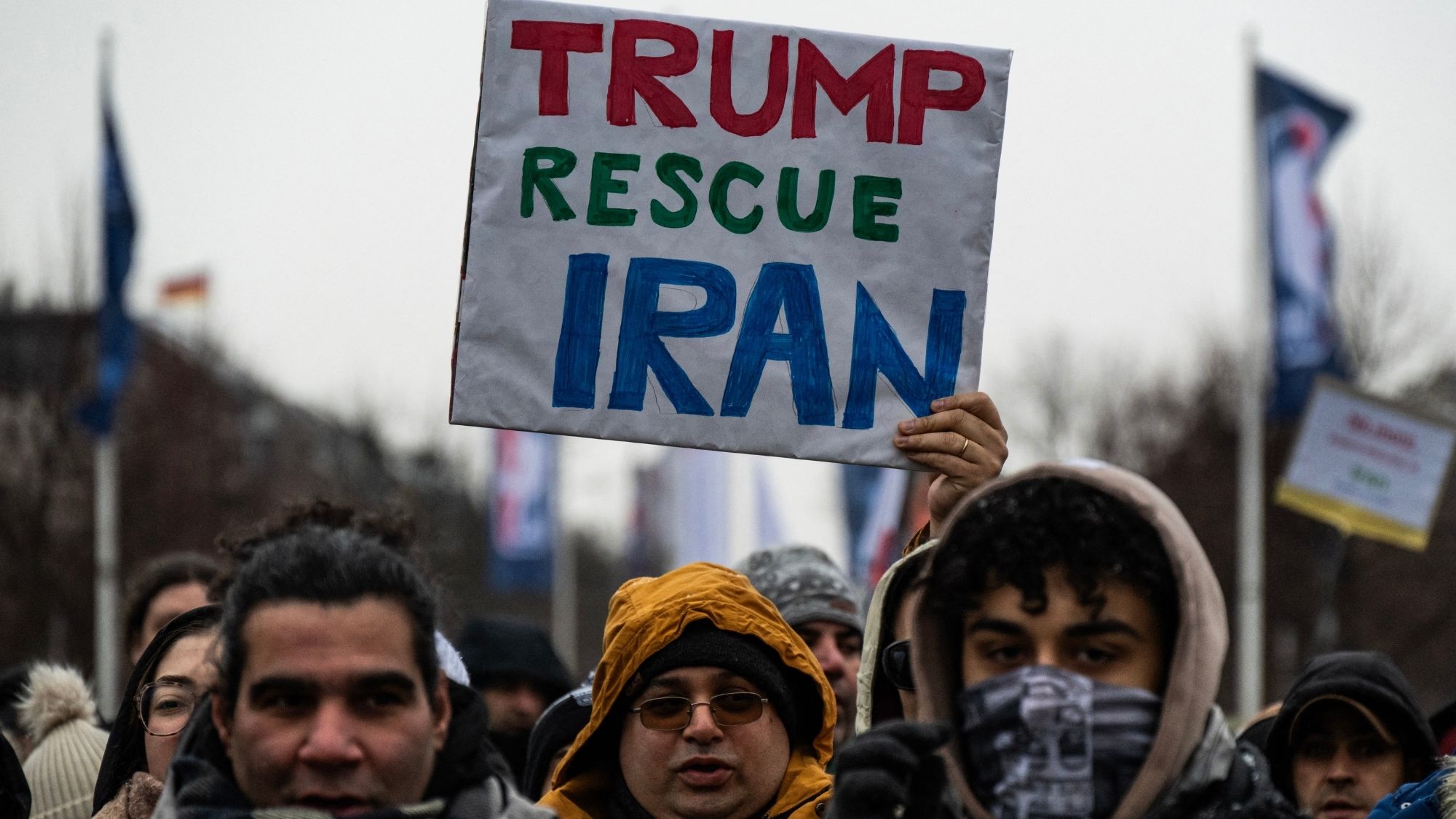
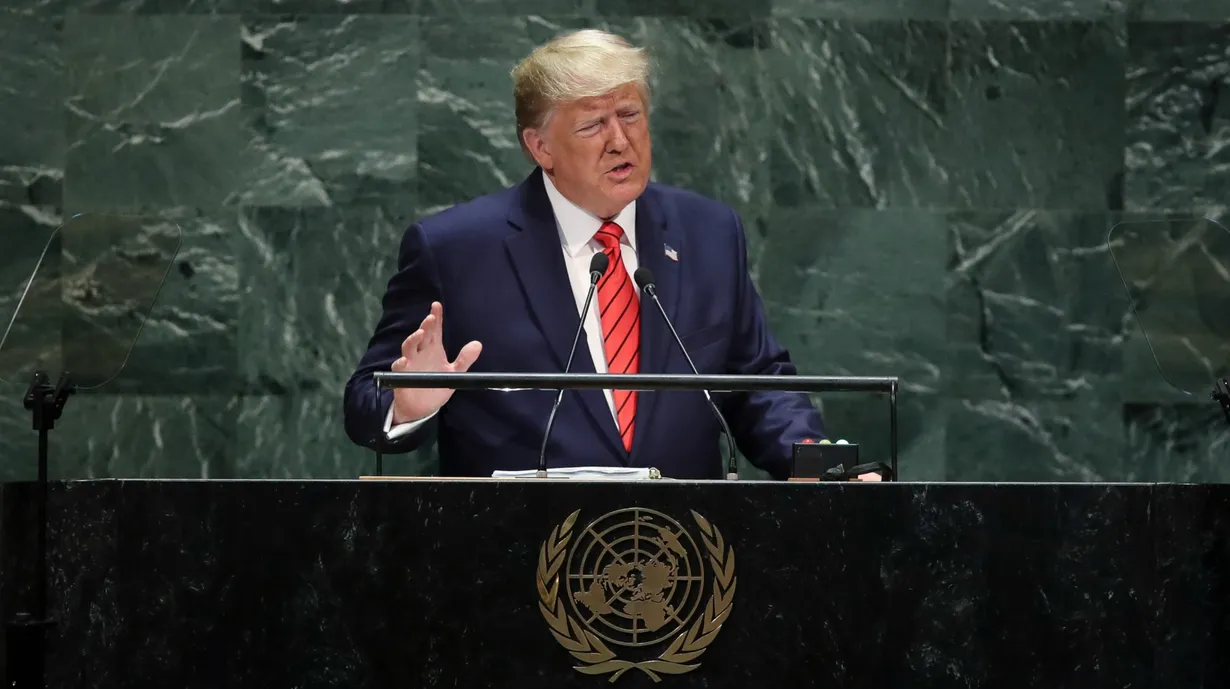
    Iran deaths mount as Trump says ‘help is on its way’

    What happened
    The death toll from Iran’s ongoing unrest has climbed sharply after security forces moved to crush nationwide demonstrations, according to rights monitors. The US-based Human Rights Activists News Agency (HRANA) reported that it had verified the killing of more than 2,000 people during just over two weeks of protests, while reviewing hundreds of additional claims. Video footage emerging online shows bodies at forensic centres and hospitals struggling to cope with the scale of casualties.

    Who said what
    Donald Trump warned that Iranian leaders would “pay a big price” and urged demonstrators to continue, adding: “HELP IS ON ITS WAY”. However, “Trump’s options are limited when it comes to using force against Iran”, said Dan Sabbagh in The Guardian. This is because “no military pre-positioning having taken place”, and any strike would risk civilian casualties is unlikely to weaken the Iranian regime, which “does not appear to be brittle or weak”.

    Strikes “may have unintended consequences”, agreed William Hague in The Times. Accordingly, “our best way to help is through truth and the prospect of justice”, against a regime that will only fall “when its coffers are empty and its unity broken”.

    What next? 
    Trump is weighing military and covert options, after already imposing new trade penalties. The UN and several governments have demanded an end to violence, restoration of internet access, and a halt to fast-track trials that could lead to executions. Rights groups warn arrests now number more than 16,000, raising fears of further bloodshed.


    today’s politics story

    Starmer drops compulsory digital worker ID

    What happened
    Keir Starmer has reversed plans to force workers to use a new digital ID to prove their right to work, deciding the scheme will instead be voluntary when it launches later this decade. The prime minister had previously pledged that the digital credential would be compulsory for anyone starting a job, but the government has now concluded that mandatory use risked overshadowing broader debate about how digital identity might function in everyday life. 

    Who said what
    A government source said making the ID compulsory “was stopping conversation about what digital IDs could be used for generally”, adding that ministers wanted to avoid people being excluded from employment because they struggled with the technology. 

    The reversal “represents Labour’s 10th about-turn since entering office”, said Genevieve Holl-Allen in The Telegraph. Dropping the mandatory requirement is a “major blow to the Government’s promotion of the scheme, which was lauded as a key tool in tackling illegal immigration”.

    What next?
    A public consultation will begin shortly to determine which digital checks should be used, ahead of the scheme’s planned introduction in 2029.


    Today’s space story

    Life in orbit alters brain anatomy, researchers say

    What happened
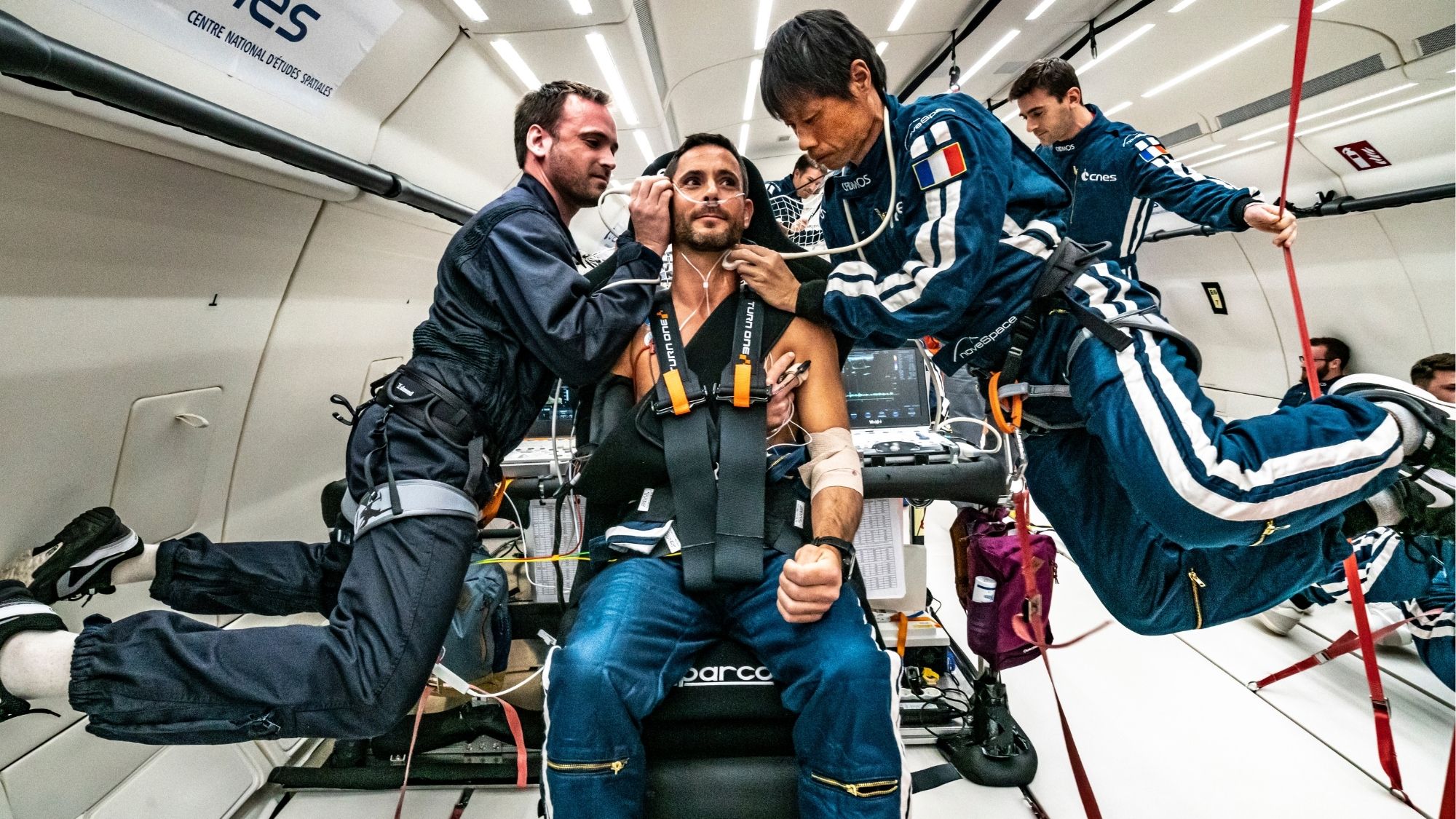
    Astronauts’ brains change shape and shift position after spaceflight, a new study has found. Researchers looked at MRI scans from 26 astronauts who had been in space for varying amounts of time, and compared them with the scans of 24 people on Earth who were put on bed rest for up to 60 days with their heads tilted back, simulating a microgravity environment.

    Both experienced similar changes in their brains’ shape and position, but the astronauts’ brains shifted upwards in the skull to a greater extent, with sensory-related and motor regions showing the biggest shifts.

    Who said what
    Most displacements and deformations recovered after six months of return to Earth, but “some persisted”, said the study, published in the journal Proceedings of the National Academy of Sciences.

    “The people who went for a year showed the largest changes,” said co-author Rachael Seidler, professor of applied physiology and kinesiology at the University of Florida. “We need to understand these changes and their impacts to keep astronauts safe and healthy and protect their longevity.”

    What next?
    The study “has implications for Nasa’s goals to conduct long-duration missions to the Moon and Mars”, said NBC News.


    It’s not all bad

    Coal-fired power generation fell in both China and India last year for the first time in more than 50 years, marking a historic shift in the world’s two biggest coal users. Analysts say the drop was driven by a record surge in clean energy, with renewables more than meeting rising electricity demand. The change raises hopes that global coal use and carbon emissions could soon peak, signalling a potential turning point in the world’s energy transition.


    under the radar

    Why Saudi Arabia is muscling in on anime

    “As anime rises in the box office ranks, Middle Eastern and American investors are circling the industry like sharks,” said The Telegraph. 

    With a sizeable Gen Z and Gen Alpha following, as well as booming merchandise opportunities, anime is an increasingly lucrative market for countries like Saudi Arabia, who are looking to invest in cultural soft power.

    Much of the interest in the industry stems from the Saudi Vision 2030 programme. Launched in 2016, the programme aims to build economic growth through means other than oil and establish the kingdom as a global leader in multiple sectors, including entertainment. 

    Crown Prince Mohammed bin Salman’s sovereign wealth fund has “set aside $1 billion” to launch Arena SNK Studios, the main purpose of which is “strip-mining the worlds of anime and video games” for new intellectual property. Meanwhile, state-backed studio Manga Productions has gone from licensing to “co-producing original content” with “major Japanese partners”, said Variety.

    Despite the Crown Prince reportedly being a “keen fan of anime” himself, many are cynical of the Saudi programme, said The Telegraph. Critics point to two main objectives of the kingdom's investment in anime (“and ‘making great art’ is neither”): to “speed-diversify a national economy”, and to “win over all the international ‘feel-good industries’” in the hope that regime’s human rights abuses will be “politely forgotten”. “What the Saudis are doing now isn’t that different from what the US did exactly a century ago: win over the world by becoming its pop culture crucible”.


    on this day

    14 January 1966

    The artist formerly known as Davy Jones releases “Can't Help Thinking About Me”, his first solo single under the name David Bowie. This week, the Heritage of London Trust revealed that Bowie’s childhood home in Bromley will be restored to its 1960s appearance, using information from archive material and the singer’s childhood friends.


    Today’s newspapers

    ‘The rail deal’

    “The rail deal” is The Mirror’s headline, reporting on the government’s “Northern Powerhouse pledge” for new lines and infrastructure. “New Starmer U-turn over compulsory digital IDs”, says The Times. “Elderly living in poverty ‘could exceed 2 million’”, says the Daily Express. “Trump: Help is on the way”, says the Daily Telegraph. “The Inn reaper”, The Sun says, reporting that pubs are expected to be hit by higher prices because of Rachel Reeves’ Budget. 

    See the newspaper front pages


    tall tale

    AI monkey business

    A troop of monkeys is running wild in a US city, but some residents are complicating efforts to capture them by posting fake AI-generated images. The vervet monkeys, first spotted in St Louis, Missouri last Thursday, are still on the loose. Their mysterious escape has sparked “rumour after rumour”, said the department of health spokesperson, Willie Springer. “It’s been a lot in regard to AI and what's genuine and what’s not. People are just having fun. I don’t think anyone means harm.”


    Morning Report was written and edited by Arion McNicoll, Harriet Marsden, Will Barker, Ross Couzens, and Chas Newkey-Burden, with illustrations by Julia Wytrazek.

    Image credits, from top: John MacDougall / AFP via Getty Images; Thomas Fuller / SOPA Images / LightRocket via Getty Images; Alexis Rosenfeld / Getty Images; Illustration by Julia Wytrazek / Getty Images.

    Morning Report and Evening Review were named Newsletter of the Year at the Publisher Newsletter Awards 2025
     

    Recent editions

    • Morning Report

      Minnesota sues over ‘federal invasion’

    • Evening Review

      An ICE investigation showdown

    • Morning Report

      Trump’s Fed fight heats up

    VIEW ALL
    TheWeek
    • About Us
    • Contact Future's experts
    • Terms and Conditions
    • Privacy Policy
    • Cookie Policy
    • Advertise With Us
    • FAQ
    Add as a preferred source on Google

    The Week is part of Future US Inc, an international media group and leading digital publisher. Visit our corporate site.

    © Future US, Inc. Full 7th Floor, 130 West 42nd Street, New York, NY 10036.