The Week The Week
flag of US
US
flag of UK
UK
https://cdn.mos.cms.futurecdn.net/flexiimages/jacafc5zvs1692883516.jpg

SUBSCRIBE & SAVE

Less than $3 per week

Sign in
  • View Profile
  • Sign out
  • The Explainer
  • The Week Recommends
  • Newsletters
  • Cartoons
  • From the Magazine
  • The Week Junior
  • Student Offers
  • More
    • Politics
    • World News
    • Business
    • Health
    • Science
    • Food & Drink
    • Travel
    • Culture
    • History
    • Personal Finance
    • Puzzles
    • Photos
    • The Blend
    • All Categories
  • Newsletter sign up Newsletter
  • The Week Evening Review
    A muddled foreign policy doctrine, a battle in Texas, and a nefarious use of AI

     
    Talking Points

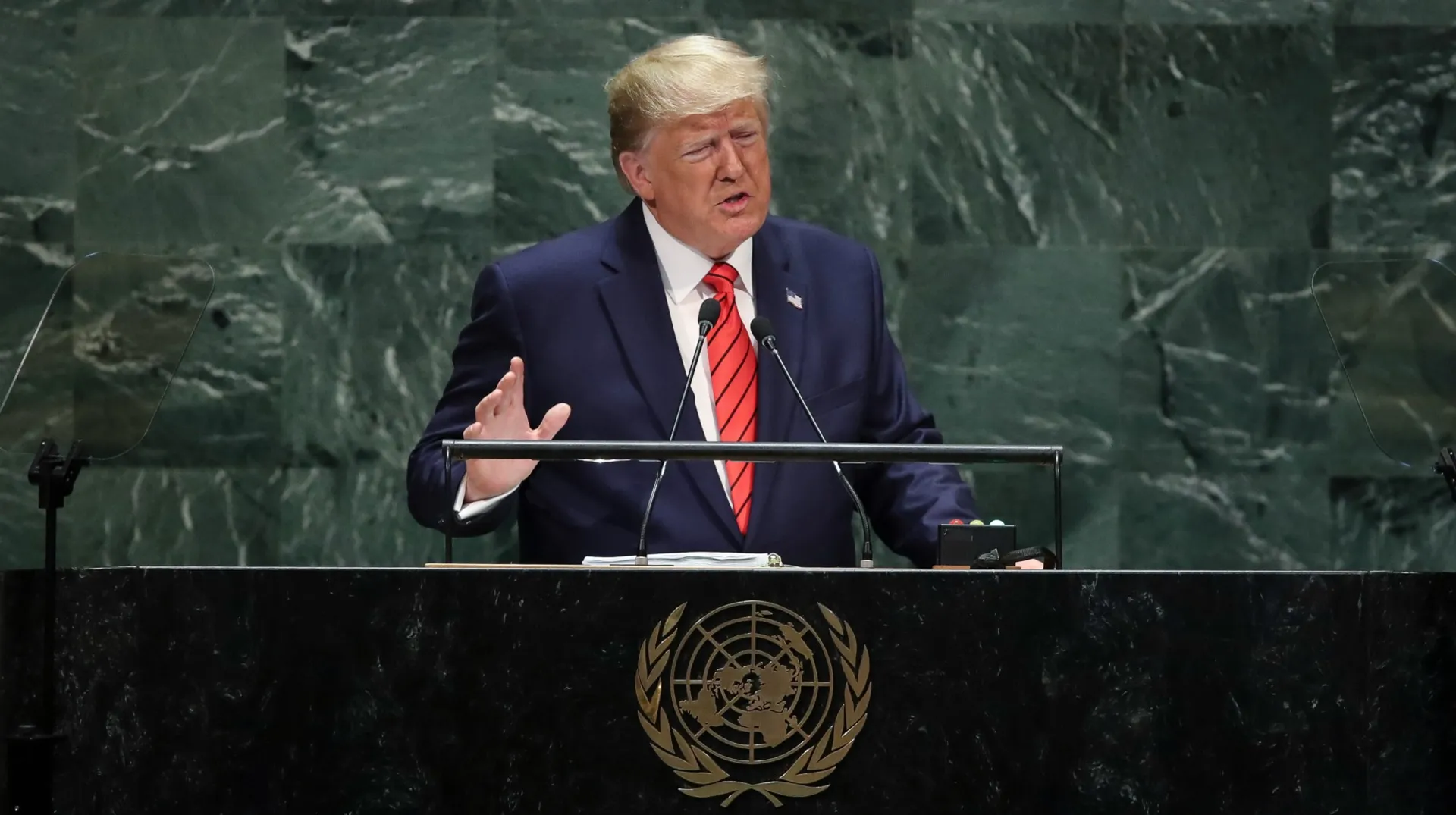
    Trump’s jumbled doctrine of global force

    After months of saber-rattling, President Donald Trump made good on his longstanding threat to take military action against Iran. In this, his biggest military action to date, the man who ran for office on a platform of “no new wars” has shown an emerging new doctrine for the use of military force. While there’s little question that Trump’s attack on Iran is intended as a message for the rest of the world, the specifics and logic of that message remain muddy.

    ‘Coherent and prudent’ strategy
    Gone is the philosophy that war should only be undertaken as a last resort after exhausting other options and in “pursuit of a clear objective with a clear exit strategy and with public support,” said Foreign Affairs. Trump’s doctrine holds that military action is merely “one of several tools available” to be used to “increase leverage, maximize surprise and produce outcomes.” 

    This new doctrine’s use of “tailored, overwhelming force to maximize deterrence and achieve long-term strategic benefits” marks a “coherent and prudent” strategy, said The Wall Street Journal. By “systematically pressuring exposed adversaries” such as Venezuela or Iran, the “influence of strategic rivals is undercut.”

    Trump’s ordering of military operations has been seen as an “escalating cycle of force,” said the National Post. The “common thread,” however, is “not escalation but political opportunism,” wherein force is applied solely when “political and military costs appear low” and in “pursuit of quick wins that serve a limited foreign policy agenda.” Trump’s doctrine is designed to “project strength” while avoiding the “political costs of sustained engagement.”

    National interests made personal
    The new Trump doctrine is about “removing foreign leaders who threaten the U.S. without being drawn into a military quagmire,” said Sen. Lindsey Graham (R-S.C.) to “Meet The Press.” But critics contend that Trump is “creating the worst of both approaches to intervention,” said MS Now. He’s “using U.S. military force aggressively and recklessly” while simultaneously counting on his adversaries to “capitulate.”

    Under this iteration of Trump’s rule, America is “not a state looking after itself” but “one leader” tapping national resources to “serve his very individual and selfish interests,” said Phillips O’Brien, an international studies professor at the University of St. Andrews, on Substack. The U.S.’s war on Iran is a “war of choice, chosen by Trump to meet some very personal needs.”


    QUOTE OF THE DAY

    ‘I don’t want to see no ICE ever again. When I looked at the guest list, I took off Ice Cube, Ice-T, Ice Spice.’

    Comedian and actor Deon Cole, while hosting the 57th NAACP Image Awards, on his dislike of the Immigration and Customs Enforcement agency. “I don’t want no ice cream, I don’t want no ice in my drink,” he added.


    TODAY’S BIG QUESTION

    Can Democrats win a Senate campaign this year? 

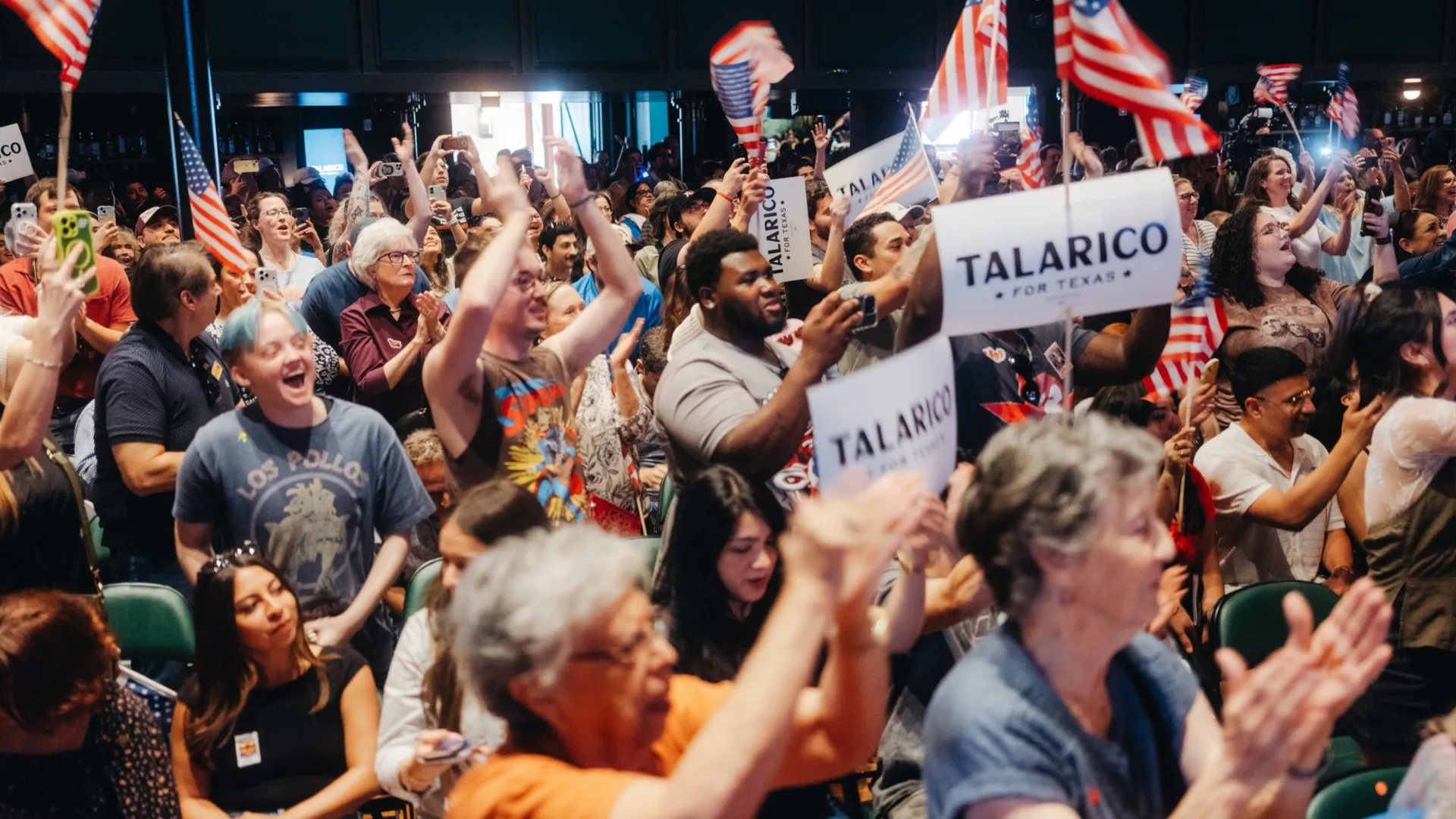
    Democrats have long fantasized about winning a statewide campaign in deep-red Texas. Just as it did when Beto O’Rourke ran, the party is dreaming big, with a U.S. Senate primary election this week setting the stage for the next attempt in November.

    Texas Democrats are “itching for a fight” in the Senate election, said NBC News. Voters this week will decide if State Rep. James Talarico or U.S. Rep. Jasmine Crockett will be the party’s nominee. Talarico is trying to “energize voters across the political spectrum” against elites, while Crockett is attempting to harness Democrats’ “core supporters in a fight against Trump.” The winner of the primary will “provide some clues” about how rank-and-file Democrats want to win back power in an era of GOP dominance.

    Republicans, meanwhile, are “freaking out” about their primary battle, said Politico. Texas Attorney General Ken Paxton is challenging incumbent Sen. John Cornyn. And a third Republican candidate, U.S. Rep. Wesley Hunt, may make it impossible for either to win an outright GOP majority.

    What did the commentators say?
    Democrats are “going wild” over the possibility of a Texas victory in November, said Bud Kennedy at The Fort Worth Star-Telegram. And there are “bright signs” for the party. Of the million who have already voted in the primary, “one-fourth are completely new to any party primary.” But winning a statewide race will take “heavy turnout of Democrats, plus a sweep of independent voters,” as well as GOP defections. Talarico “could get there,” but Crockett has “yet to strike a chord with independent voters.” 

    Texas will be “ground zero” in the 2026 midterm elections, said Ed Kilgore at New York magazine. The differences between Talarico and Crockett are “more a matter of style and strategy than of ideology,” while the divisions between Paxton and Cornyn are “more deep-seated.” A general election between Crockett and Paxton would be “wild, loud and unpredictable.”

    What next?
    Crockett has a “double-digit lead” over Talarico in pre-primary polling, said The Texas Tribune. But Republicans believe Crockett would be a “weaker opponent” in the general election, said The Downballot. That’s why Gov. Greg Abbott (R) is running ads “pretending to attack the GOP’s preferred candidate while actually hoping to boost her with Democrats.” The primary election is tomorrow.


    Statistic of the day

    364 feet: The length of the world’s largest known coral colony, which has just been identified on the Great Barrier Reef by a mother-and-daughter team of citizen scientists. The colony off the coast of Australia is “among the most significant coral structures ever recorded in the area, said conservation organization Citizens of the Reef.


    In the SPotlight

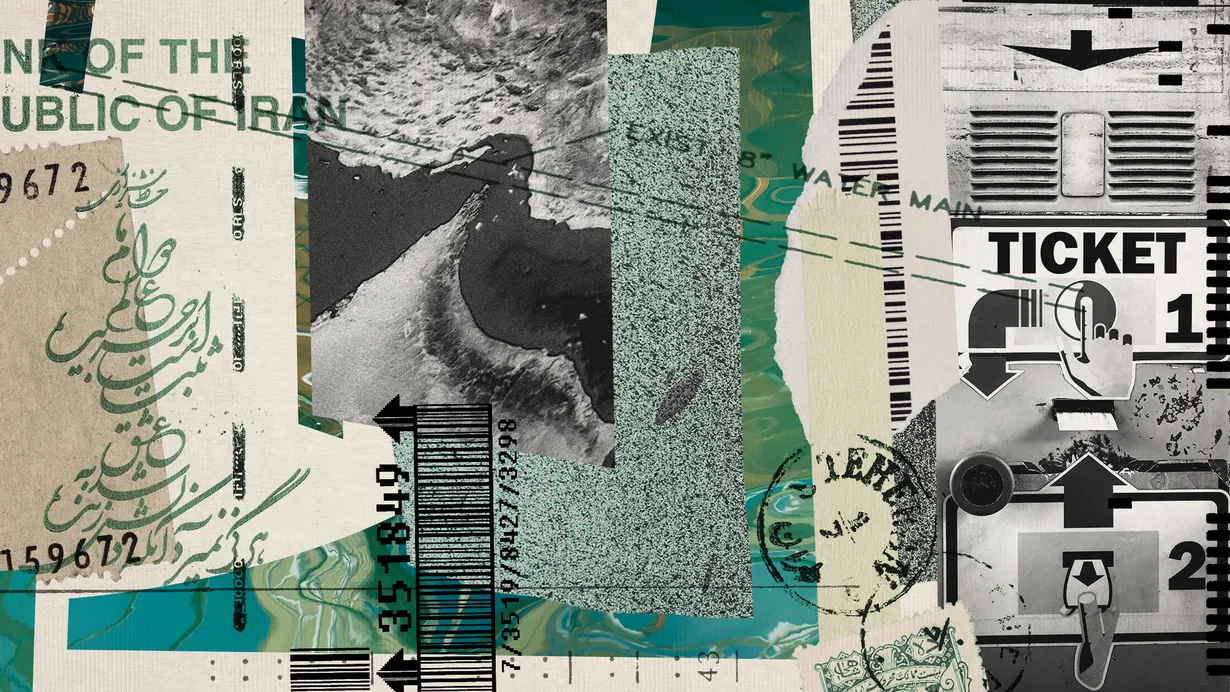
    China could be co-opting ChatGPT to stop dissidents

    While it’s no secret that artificial intelligence can be used for nefarious purposes, China is working with AI on an unprecedented scale and using it to target its enemies, according to a report from OpenAI. This is just one way that China is employing AI behind the scenes to disrupt global operations.

    ‘Sprawling Chinese influence operation’
    The report claims that China is using OpenAI’s chatbot, ChatGPT, as a “diary to document the alleged covert campaign of suppression,” said CNN. A “sprawling Chinese influence operation” is being employed largely for “intimidating Chinese dissidents abroad, including by impersonating U.S. immigration officials.” 

    OpenAI’s report “offers one of the most vivid examples yet of how authoritarian regimes can use AI tools to document their censorship efforts,” said CNN. In the case of China impersonating U.S. officials, this was done to “warn a U.S.-based Chinese dissident that their public statements had supposedly broken the law.” ChatGPT “served as a journal for the Chinese operative to keep track” of their own covert operations.

    ChatGPT fights back
    China’s AI use is heavy-handed, but there are signs that some of ChatGPT’s built-in safeguards are working. In October, the chatbot “refused to assist an individual associated with Chinese law enforcement in planning an online campaign to discredit” Japanese politician Sanae Takaichi, said Bloomberg. The user allegedly asked ChatGPT to create a “plan that would amplify negative comments” about Takaichi, who became Japan’s prime minister later that month. But ChatGPT “refused to provide advice on this plan,” said OpenAI’s report, and the user was forced to abandon their efforts to wield the platform. 

    OpenAI’s report “clearly demonstrates the way that China is actively employing AI tools to enhance information operations,” Michael Horowitz, a former Pentagon official and professor at the University of Pennsylvania, said to CNN. The AI competition between China and the U.S. is “continuing to intensify,” and this is “not just taking place at the frontier but in how China’s government is planning and implementing the day-to-day of their surveillance and information apparatus.”


    Good day 👓

    … for privacy. An app has been developed that warns people when someone nearby is wearing smart glasses like Meta’s Ray-Bans. The developer of the Nearby Glasses app, Yves Jeanrenaud, created it after reading 404 Media’s coverage of people filming others without consent. The tool is a “tiny part of resistance against surveillance tech,” he said.


    Bad day 🚢

    … for charity. A large portion of donated clothes is packed into bales and shipped overseas, according to a study in Nature Cities that tracked donations in nine wealthy cities. Charities have been “unable to fully handle the volume of donated clothes for a long time now,” Yassie Samie, of RMIT University in Melbourne, said to Earth.com.


    Picture of the day

    Prize-winning performance

    Rosalía performs “Berghain” at the BRIT Awards in Manchester, England. The Spanish singer was crowned International Artist of the Year, triumphing over artists like Bad Bunny, Chappell Roan, Lady Gaga and Taylor Swift. 
    JMEnternational / Getty Images


    Puzzles

    Daily sudoku

    Challenge yourself with The Week’s daily sudoku, part of our puzzles section, which also includes guess the number

    Play here


    The Week recommends

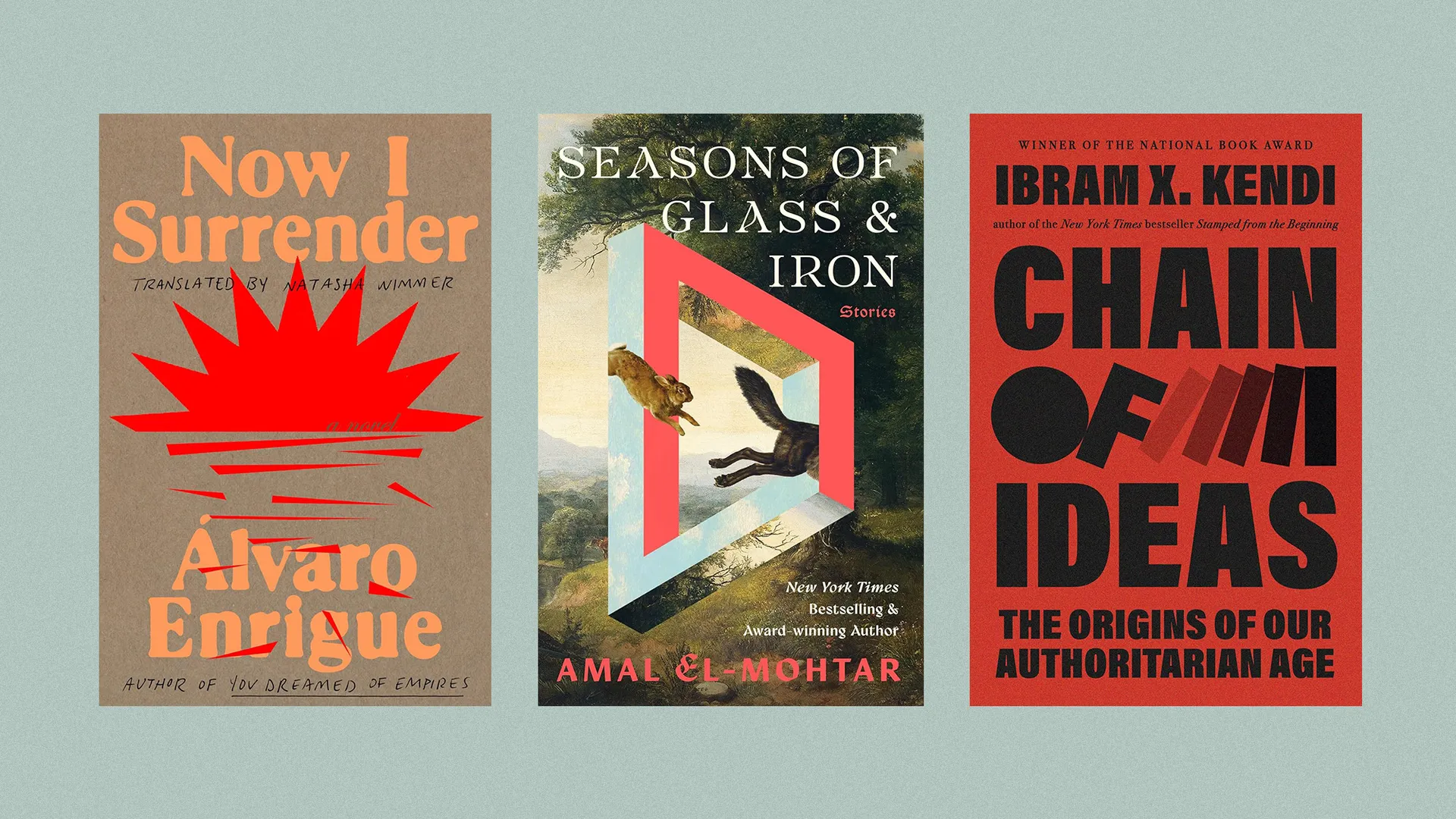
    New books that look at the past and (potential) future 

    It has been an unbearable winter in some pockets of the country, with people ready for spring. Along with somewhat warmer weather this month, some highly anticipated book releases are arriving to brighten or enlighten your day. 

    ‘Now I Surrender’
    Described as “part epic, part alt-Western,” Álvaro Enrigue’s latest novel reimagines a 19th-century war between the Apaches, Mexico and the U.S. Enrigue’s approach to the story “isn’t so much to lament the end of Apachería” so much as to “admire the steeliness of a tribe that survived centuries-long attempts to subdue it,” said Kirkus Reviews. (March 3, $30, Penguin Random House)

    ‘Chain of Ideas: The Origins of Our Authoritarian Age’
    The author of “Stamped from the Beginning” and “How to Be an Antiracist,” Ibram X. Kendi is back with another book about the “state of Western bigotry,” said The New York Times. This time, he focuses on the “great replacement theory,” the concept of an “elite conspiracy to nudge white people in Europe and the United States off the map” by encouraging “low birthrates and promoting an influx of Black and brown immigrants.” (March 17, $35, Penguin Random House)

    ‘Seasons of Glass & Iron: Stories’
    The acclaimed science fiction writer Amal El-Mohtar presents a collection of previously published short stories and poetry. The book features a variety of formats, such as letters, diary entries and folktales and blends “fantasy, magical realism and speculative fiction” rooted in “history, myth or legend,” said Publishers’ Weekly. (March 24, $25, Macmillan)

    Read more


    Poll watch

    Just over half of U.S. teens (54%) have used chatbots for help with schoolwork, according to a Pew Research Center survey. Of the 1,458 teens questioned, 57% have used them to search for information, and 47% have done so for fun or entertainment.


    INSTANT OPINION

    Today’s best commentary

    ‘Tariffs, a hidden tax that hits Main Street first’
    Ronell Smith at The Dallas Morning News
    The Supreme Court’s “rebuke of President Donald Trump’s tariff policy cannot undo the damage already done” to businesses and the “customers they serve,” says Ronell Smith. Trump “framed tariffs as a boon to American industry. That’s certainly not how they are landing on Main Street.” Businesses are “dealing with simpler, unforgiving math: raise prices and risk losing customers, or hold prices steady and accept thinner margins, often while cutting staff, hours or investment to stay afloat.”

    ‘Censoring network TV is outdated. America needs free speech.’
    Neil Brown at USA Today
    Stephen Colbert’s “recent attempt to broadcast an interview with James Talarico, a Texas Democratic state representative running for the U.S. Senate, set off a fresh round of anger and angst about the state of freedom of speech,” says Neil Brown. Are equal-time rules “antiquated in 2026? Absolutely. Who do we think those old rules are protecting?” People who “create and distribute content should embrace the gray realities of life and put value on purposefully helping audiences get comfortable with conflict.”

    ‘The glorious birds we saved’
    Margaret Renkl at The New York Times
    “To see a whooping crane in the wild is to be reminded that we nearly killed something miraculous, and then, almost unbelievably, we didn’t,” says Margaret Renkl. The “question is whether we still have the wisdom to save what we have the ability to save.” At a “species level, it’s nothing less than suicidal to believe that human beings are exempt from the ravages that human beings keep subjecting the earth to.”


    WORD OF THE DAY

    fibermaxxing

    A social media trend that encourages maximizing daily fiber intake to optimize gut health. Fiber “needed its moment, so this is a good thing,” dietitian Priya Tew said to the Guardian. Still, some in the #fibermaxxing crowd have set their sights higher than the recommended amount, which can become problematic. 


    Evening Review was written and edited by Theara Coleman, Nadia Croes, Scott Hocker, Justin Klawans, Joel Mathis, Summer Meza, and Rafi Schwartz, with illustrations by Stephen Kelly and Julia Wytrazek.

    Image credits, from top: Drew Angerer / Getty Images; Christopher Lee / Bloomberg / Getty Images; Marcin Golba / NurPhoto / Getty Images; Penguin Random House / Macmillan
     

    Recent editions

    • Morning Report

      Iran war spreads across Middle East

    • Sunday Shortlist

      Love and leather

    • Saturday Wrap

      Trump’s Iran ambitions

    VIEW ALL
    TheWeek
    • About Us
    • Contact Future's experts
    • Terms and Conditions
    • Privacy Policy
    • Cookie Policy
    • Advertise With Us
    • FAQ
    Add as a preferred source on Google

    The Week is part of Future US Inc, an international media group and leading digital publisher. Visit our corporate site.

    © Future US, Inc. Full 7th Floor, 130 West 42nd Street, New York, NY 10036.