The Week The Week
flag of US
US
flag of UK
UK
https://cdn.mos.cms.futurecdn.net/flexiimages/jacafc5zvs1692883516.jpg

SUBSCRIBE & SAVE

Less than $3 per week

Sign in
  • View Profile
  • Sign out
  • The Explainer
  • The Week Recommends
  • Newsletters
  • Cartoons
  • From the Magazine
  • The Week Junior
  • Student Offers
  • More
    • Politics
    • World News
    • Business
    • Health
    • Science
    • Food & Drink
    • Travel
    • Culture
    • History
    • Personal Finance
    • Puzzles
    • Photos
    • The Blend
    • All Categories
  • Newsletter sign up Newsletter
  • WeekDay AM: 10 Things you need to know this morning
    Greenland tensions, military withdrawal, and why pesticides are making florists sick

     
    today’s diplomacy story

    Denmark rebuffs US over Greenland

    What happened
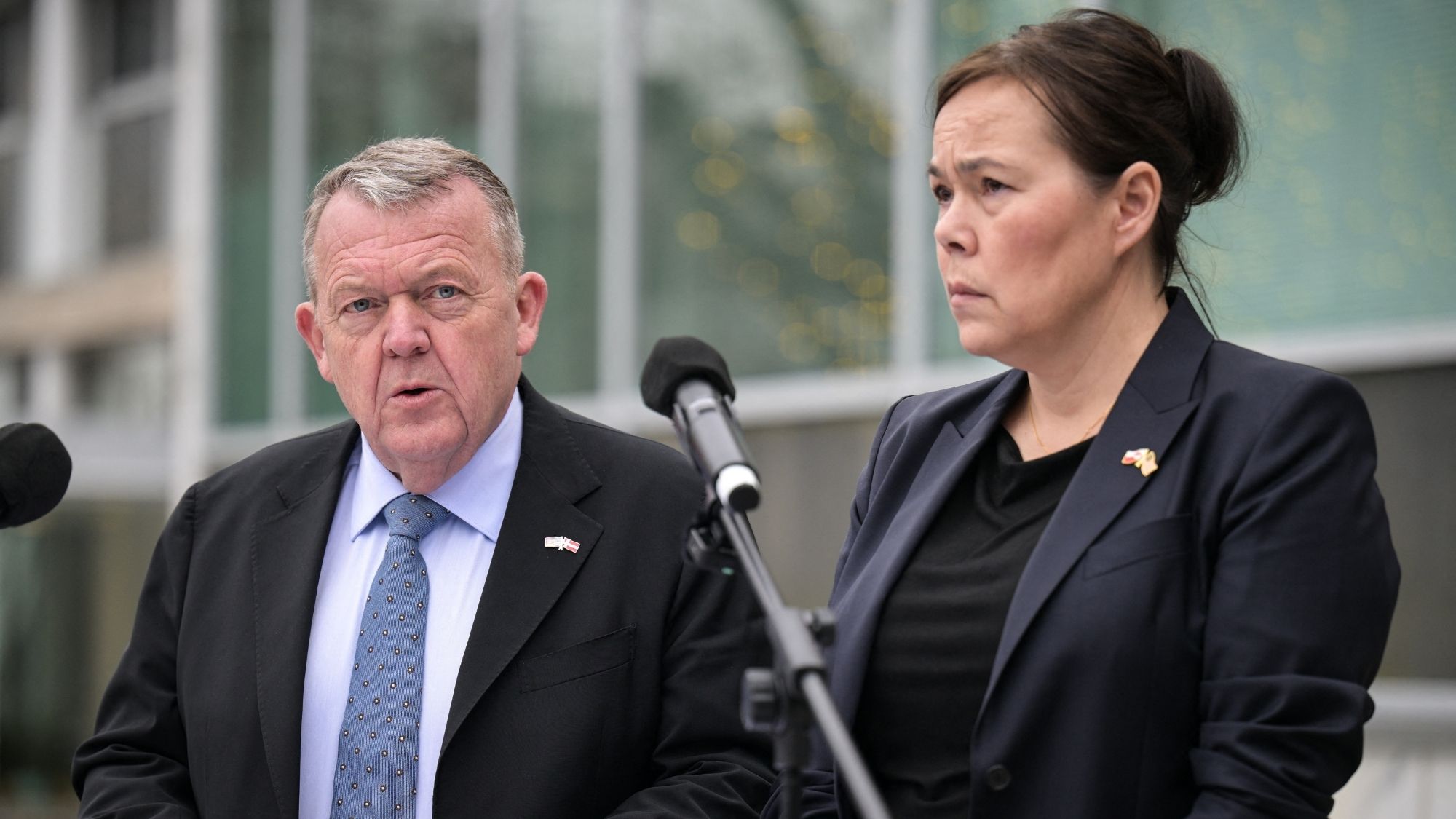
    Denmark has said there is a “fundamental disagreement” with the US over Greenland following high-level talks at the White House, as Washington renewed its interest in taking control of the Arctic territory. The hour-long meeting brought together Danish Foreign Minister Lars Lokke Rasmussen and his Greenlandic counterpart Vivian Motzfeldt (pictured above) with US Vice-President JD Vance and Secretary of State Marco Rubio, with Greenland’s future at the centre of discussions. 

    After the talks ended, Denmark along with allies Germany, Norway and Sweden announced that they would deploying troops, ships and aircraft to Greenland, ahead of a broader exercise dubbed “Operation Arctic Endurance”.

    Who said what
    Any suggestion of “conquering” Greenland is “totally unacceptable”, Rasmussen said after the meeting. “We made it very, very clear that this is not in the interest of [Denmark]”. Donald Trump later repeated his position, telling reporters: “We need Greenland for national security.”

    “Since decapitating the Maduro regime in Venezuela on 3 January, Trump has doubled down on his pursuit of Greenland”, said Oliver Moody in The Times. He has said that he felt a “psychological need” to obtain the territory. His aspirations “have come up against widespread resistance across Europe”, said Maira Butt in The Independent, with the European Commissioner Andrius Kubilius saying that a takeover would spell the “end of Nato”.

    What next? 
    A newly agreed working group is expected to meet in the coming weeks to search for areas of compromise. 


    today’s defence story

    US and UK scale back Qatar presence amid Iran crisis

    What happened
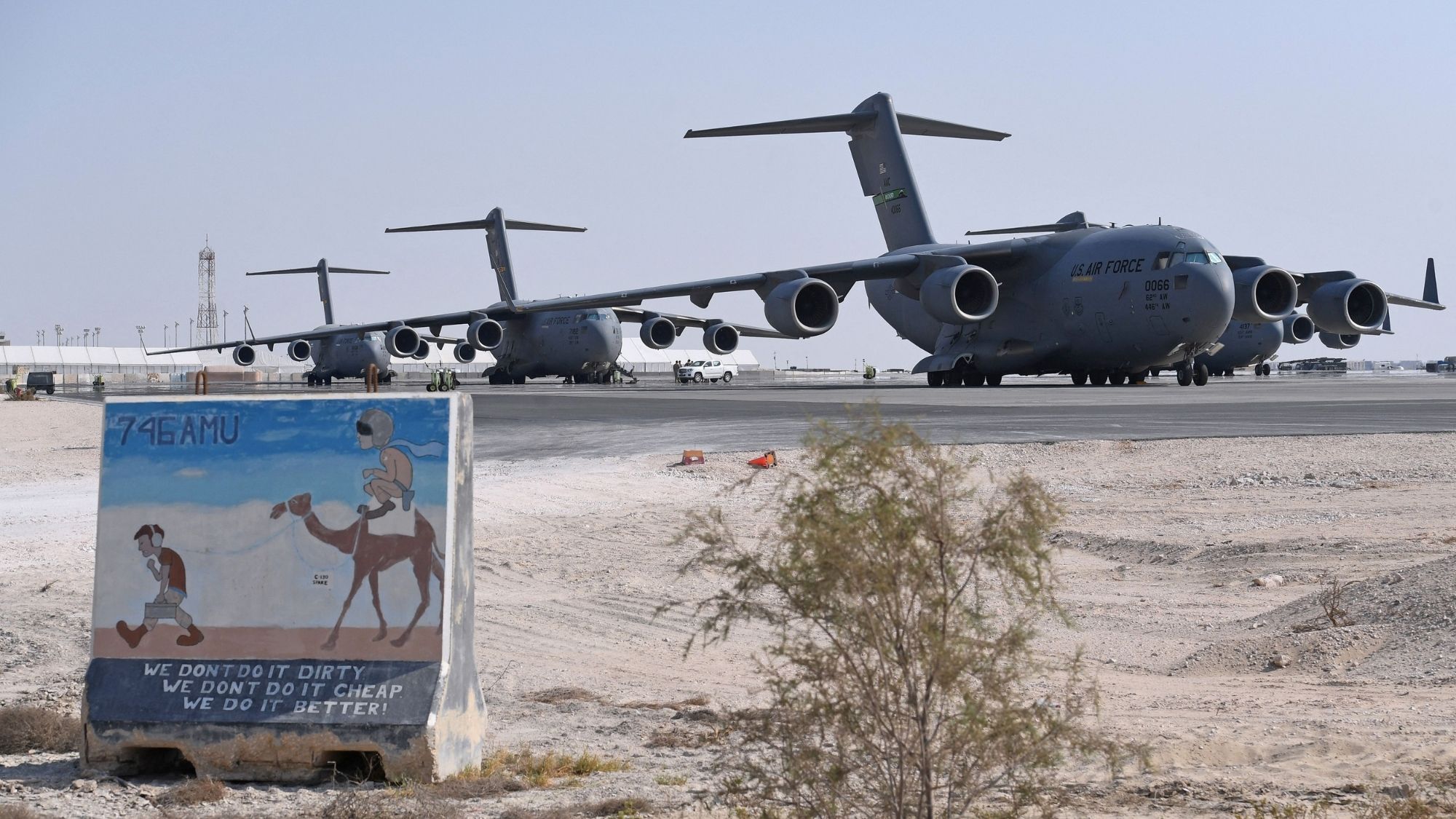
    The US and UK are reducing the number of personnel at the Al-Udeid air base in Qatar as Donald Trump weighs possible action against Iran over its violent suppression of anti-government protests. Separately, the UK has temporarily shut its embassy in Tehran, which will now operate remotely.

    Who said what
    Trump warned earlier this week of “very strong action” if Iran executed protesters, but later said he had been told the killing was easing, adding: “We’re going to watch and see what the process is.”

    Iran has “repeatedly said it will retaliate against US military sites in the region should America attack”, said Sky News. Tehran’s “prestige was severely damaged” last year by US and Israeli strikes, said George Bunn on GB News. European countries then triggered the restoration of UN sanctions over Iran's nuclear programme, “worsening an economic crisis”.

    What next?
    While no mass evacuation from Al-Udeid has yet been reported, Western governments have issued travel warnings and urged citizens to leave Iran. 


    Today’s hospitality story

    Tax hike accelerates waves of pub closures

    What happened
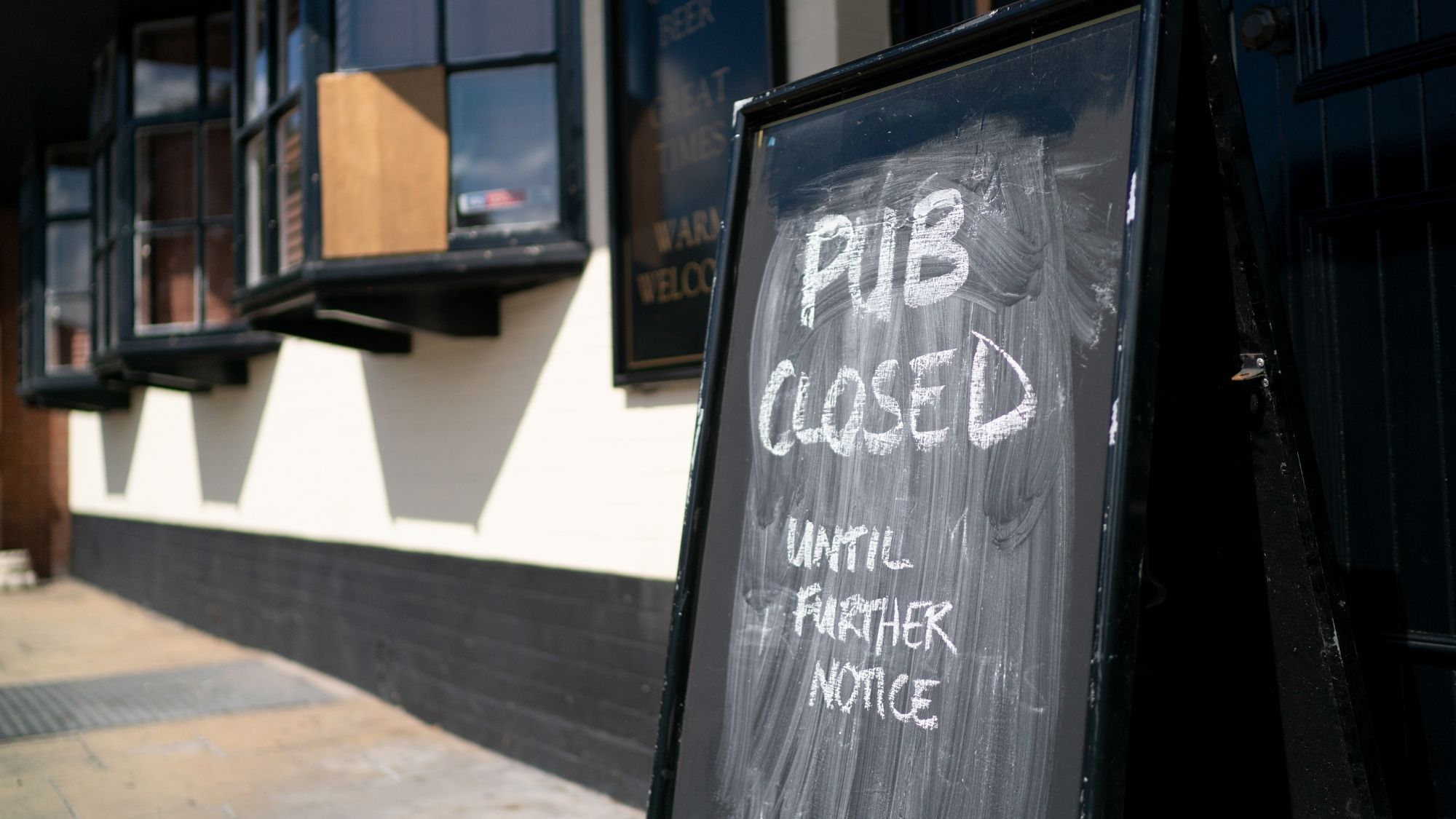
    It could be last orders for many pubs after MPs backed the government’s proposed increase in alcohol duty in line with inflation. One pub closed every day in England and Wales last year, according to analysis of government data by tax specialists at Ryan. Another 540 pubs are set to close this year, according to new modelling from UK Hospitality.

    Who said what
    “Pubs have faced a toxic cocktail in recent years,” said Sky News. Increases to employers’ National Insurance contributions and the minimum wage, rising energy costs, business rates and inflation has “left many venues operating on very low margins, if any at all”, said Labour MP Jacob Collier.

    The hospitality industry is being “punished” by the government, who are “layering costs upon costs”, said shadow treasury minister James Wild. Treasury minister Lucy Rigby defended the move, saying continuing the freeze on alcohol duty would mainly benefit shops and supermarkets rather than the hospitality sector. The government wants pubs to “thrive” and will work with the sector on what support is required.

    What next?
    The rise will take effect on 1 February as part of the government’s Finance Bill.


    It’s not all bad

    The UK government has awarded subsidy contracts to offshore wind projects capable of powering more than 12 million homes, marking a major boost to its plan for a clean electricity system by 2030. Eight new windfarms secured support in the country’s most competitive renewables auction to date, after ministers doubled available funding. The £22 billion investment is expected to create 7,000 skilled jobs and reduce reliance on gas, helping to lower energy bills over time.


    under the radar

    Are pesticides making florists sick?

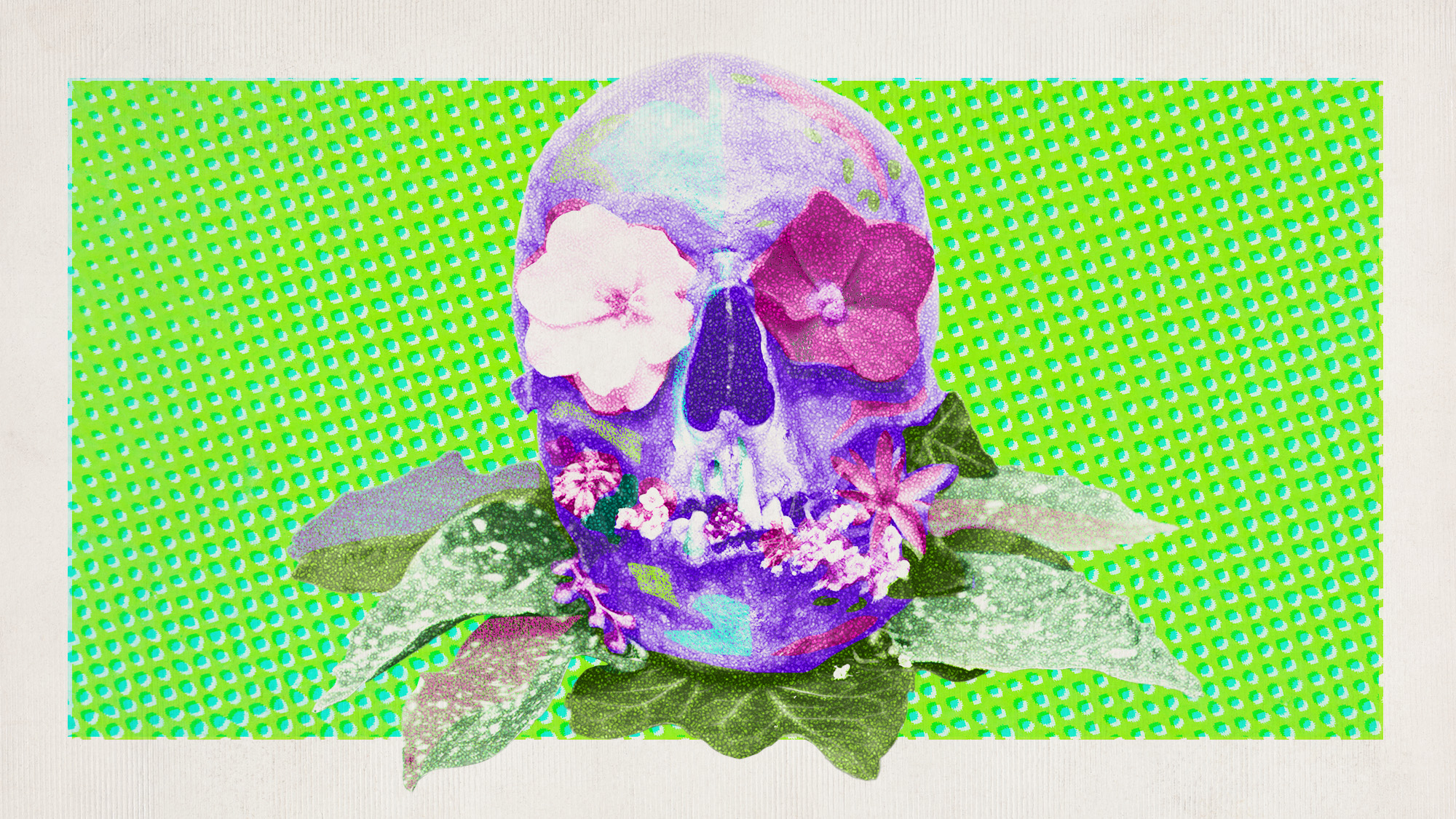
    “If someone had warned me, my daughter would still be here,” florist Laure Marivain told Le Monde. Her 11-year-old child, Emmy, died in 2022 after seven years battling leukaemia. In a landmark case two years later, French officials acknowledged a link between Emmy’s death and her exposure to pesticides during her mother’s pregnancy, when Laure was working as a florist. Now, said The Guardian, voices from within the industry are “raising the alarm”. 

    Unlike food, there is “no upper limit” on the residue levels from pesticides sprayed onto cut flowers in the UK, EU or US, said The Guardian. And our bouquets are bursting with them. According to the British Florist Association, the UK imports around 85% of its flowers, often from countries like Ethiopia and Ecuador where pesticide regulations are limited. 

    A cocktail of chemicals protects flowers from disease and pests, helping to give customers “perfect blooms, year-round”. But for the people working with flowers for hours each day, pesticides can be “absorbed through skin contact or inhalation”. Buying a bouquet at your local shop “won’t necessarily put you at risk” – that is borne by the growers and florists. 

    For florists in particular, avoiding pesticides is extremely challenging. There are no “occupational hazard guidelines” available and many florists only learn about the risks through “word of mouth”, said The Guardian. Most florists “buy ‘blind’” from wholesalers as the labels often “lack clear information about chemical usage, origin and labour practices”. And with the cost of cut flowers soaring to “sky-high prices” and shrinking margins, it’s understandable that some may not want to address “something as insidious as pesticides. After all, you can’t see them, so it’s easy to pretend they’re not there.”


    on this day

    15 January 1759

    The British Museum opens in Montague House, London. This year the Bayeux Tapestry is returning to the UK for the first time in almost a millennium. The 70-metre-long tapestry will be displayed in the British Museum from September 2026 until July 2027


    Today’s newspapers

    ‘World on the brink’

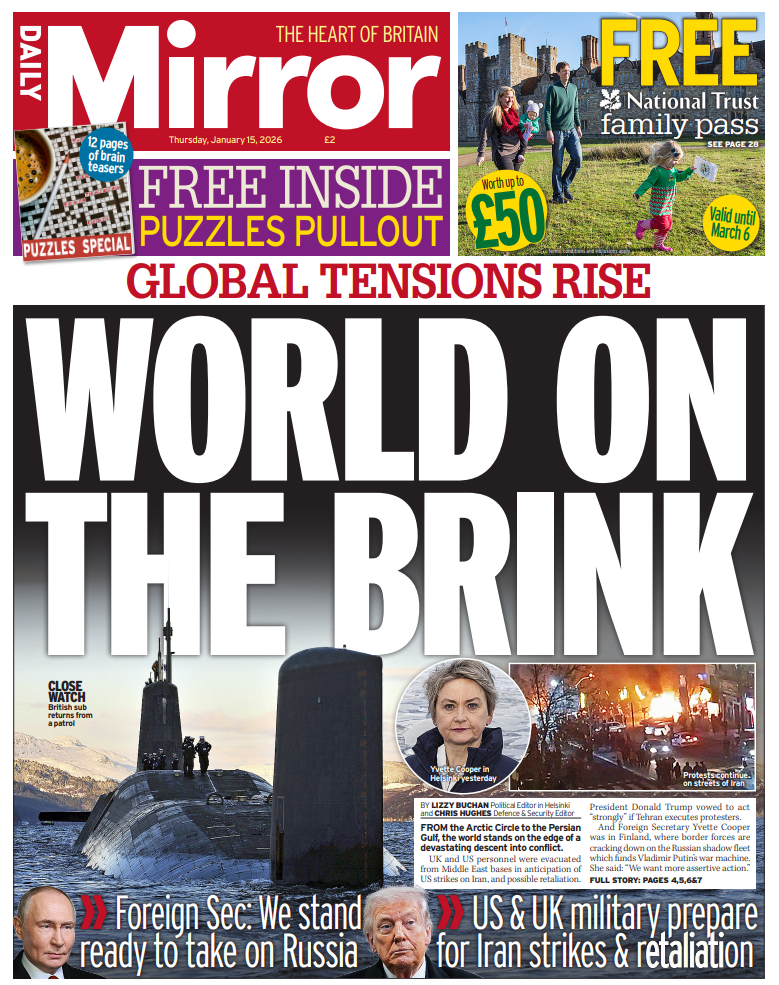
    “World on the brink”, says The Mirror, as “global tensions rise”. The UK military is preparing for an “American strike on Iran”, says The i Paper. “Shameless”, the Daily Mail says, as the chief constable of West Midlands Police is in an “unprecedented standoff” with the home secretary, but the “fan row police chief won’t quit”, The Times says. “4 million denied the right to vote”, says The Telegraph. “Cheryl stalker nicked again”, says The Sun.

    See the newspaper front pages


    tall tale

    Sealed and delivered

    A seal pup is being rehabilitated at an RSPCA centre after it was found lying outside the front door of a house in Norfolk. The baby seal, which weighs 11.8kg, has been nicknamed Cold Call after it was discovered by a postman in Gorleston. Dan Goldsmith, from Marine and Wildlife Rescue, who brought the pup to the centre, said it was between one and two weeks old and “bright and alert”. The pup has joined 31 other baby grey seals at the wildlife centre.


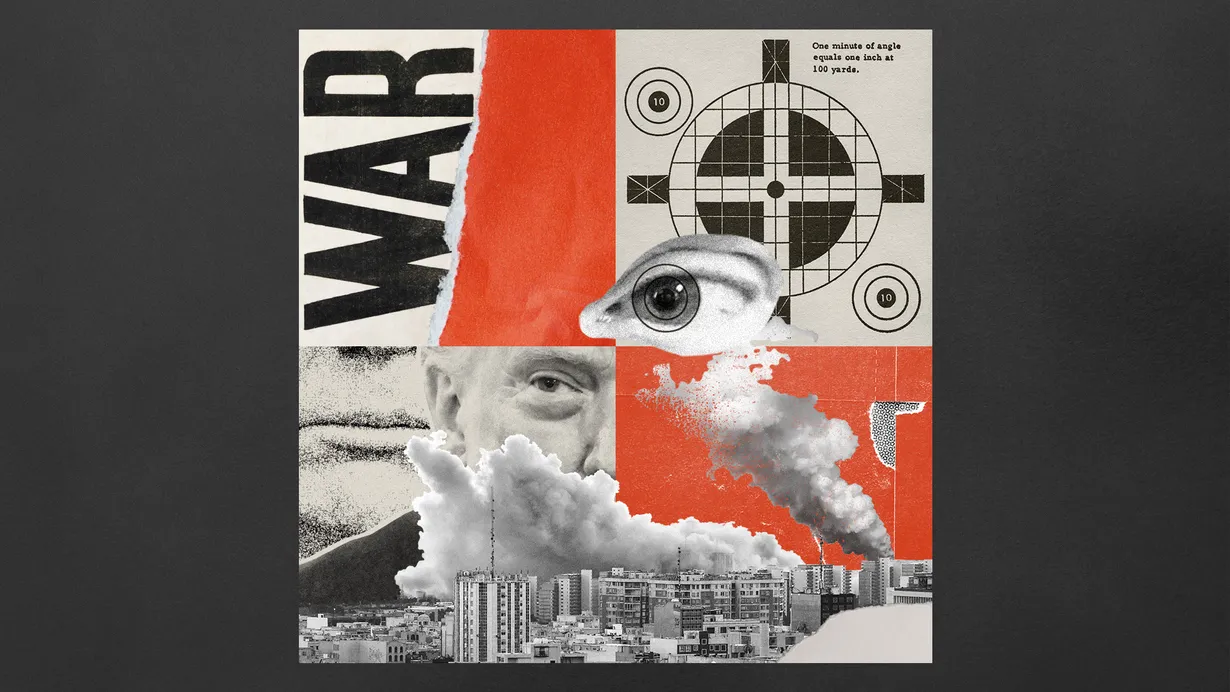
    Morning Report was written and edited by Arion McNicoll, Jamie Timson, Harriet Marsden, Irenie Forshaw, and Chas Newkey-Burden, with illustrations by Julia Wytrazek.

    Image credits, from top: Oliver Contreras / AFP via Getty Images; Olivier Douliery / Pool / AFP via Getty Images; Christopher Furlong / Getty Images; Illustration by Julia Wytrazek / Getty Images.

    Morning Report and Evening Review were named Newsletter of the Year at the Publisher Newsletter Awards 2025
     

    Recent editions

    • Morning Report

      Prosecutors quit over Good investigations

    • Evening Review

      Putting the pressure on defense firms

    • Morning Report

      Minnesota sues over ‘federal invasion’

    VIEW ALL
    TheWeek
    • About Us
    • Contact Future's experts
    • Terms and Conditions
    • Privacy Policy
    • Cookie Policy
    • Advertise With Us
    • FAQ
    Add as a preferred source on Google

    The Week is part of Future US Inc, an international media group and leading digital publisher. Visit our corporate site.

    © Future US, Inc. Full 7th Floor, 130 West 42nd Street, New York, NY 10036.