The Week The Week
flag of US
US
flag of UK
UK
https://cdn.mos.cms.futurecdn.net/flexiimages/jacafc5zvs1692883516.jpg

SUBSCRIBE & SAVE

Less than $3 per week

Sign in
  • View Profile
  • Sign out
  • The Explainer
  • The Week Recommends
  • Newsletters
  • Cartoons
  • From the Magazine
  • The Week Junior
  • Student Offers
  • More
    • Politics
    • World News
    • Business
    • Health
    • Science
    • Food & Drink
    • Travel
    • Culture
    • History
    • Personal Finance
    • Puzzles
    • Photos
    • The Blend
    • All Categories
  • Newsletter sign up Newsletter
  • WeekDay AM: 10 Things you need to know this morning
    Social media ban, Greenland tariffs, and why films need to be shorter

     
    today’s politics story

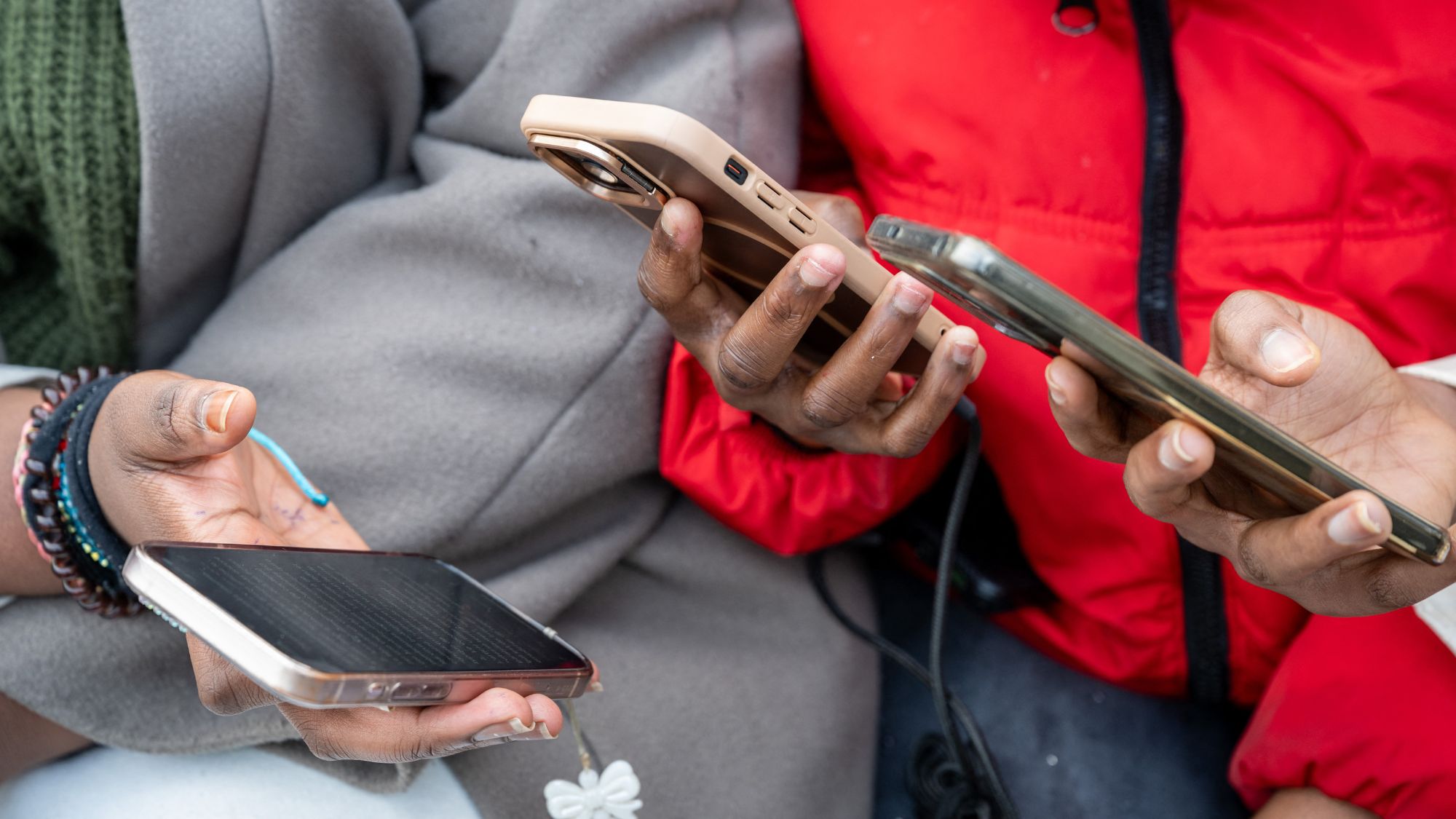
    Government to consult on social media ban for children

    What happened
    The government has opened a public consultation on whether children under 16 should be barred from social media, alongside broader steps aimed at reducing young people’s reliance on smartphones. The move was announced by Technology Secretary Liz Kendall yesterday, just two days before peers are due to vote on a proposed change to legislation that would impose an age ban within a year. The consultation will examine options including enforcing restrictions, limiting data collection on minors and curbing design features seen as habit-forming. Ministers also want schools to operate without phones as standard, with inspectors asked to comment on policies during routine visits. 

    Who said what
    Kendall said existing online safety laws had improved protections but acknowledged parents remained uneasy, adding that she was “prepared to take further action”. Keir Starmer said the government was considering a wide range of approaches and was closely watching developments overseas, noting: “no options are off the table”. 

    The move is “partly intended to buy the government time” before peers will vote tomorrow on a proposal by the Conservative peer Lord Nash to set an age limit for social media at 16, said Kiran Stacey in The Guardian. The consultation is “more dither and delay” from Labour, said Kemi Badenoch, who has already said her party would introduce a social media ban for under-16s if it was in power.

    What next? 
    The government said it will respond to the consultation in the summer.


    today’s international story

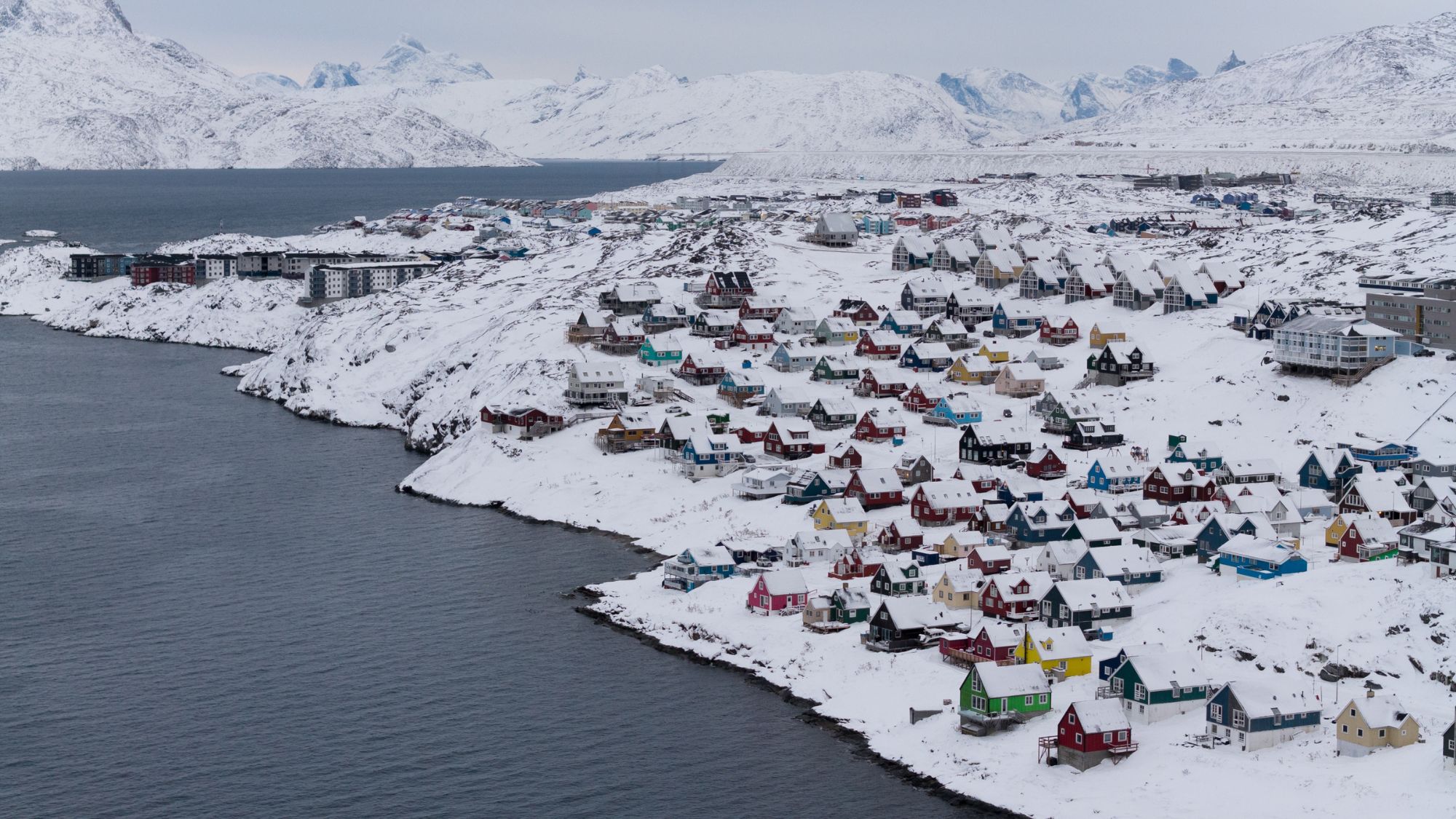
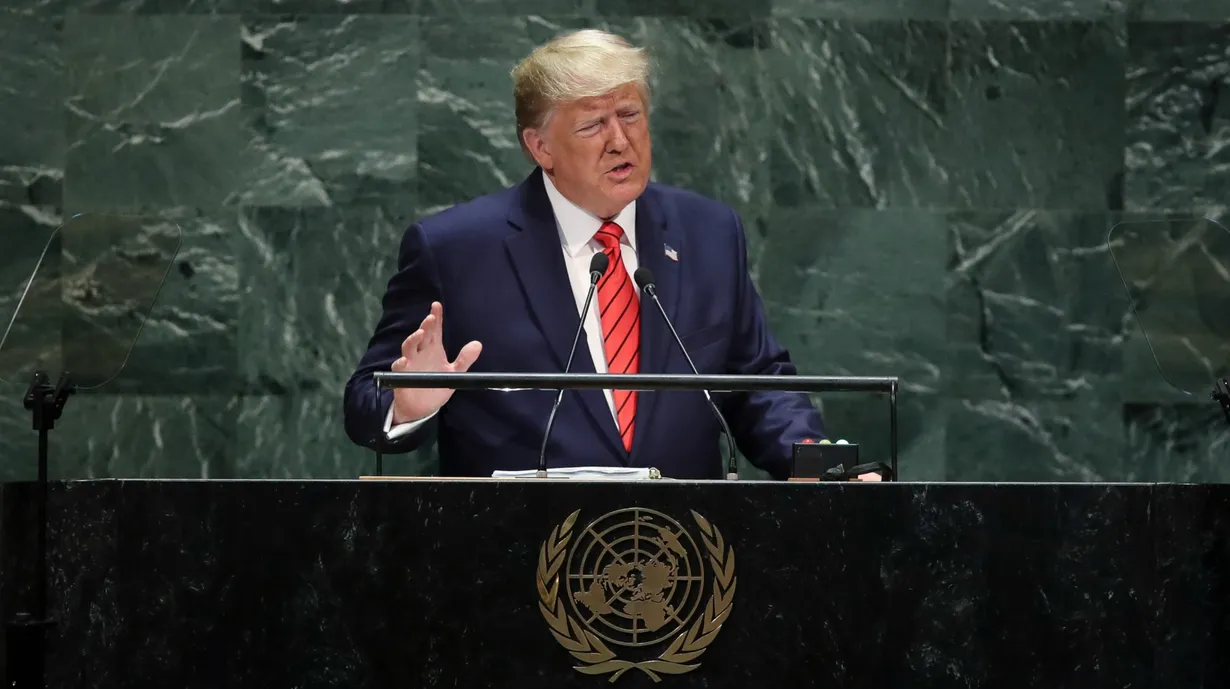
    Trump doubles down on Greenland tariffs

    What happened
    Donald Trump has vowed to "100%" follow through on his threat to impose sweeping tariffs on a group of European allies unless they agree to negotiations over Greenland’s future. In an interview yesterday, the US president said he would proceed with duties on imports from the UK and seven other Nato members, beginning in February and rising sharply by mid-year. He also declined to rule out military action when asked directly. 

    Who said what
    Foreign Secretary Yvette Cooper said decisions about Greenland belonged to “Greenlanders and for the Danes alone”. 

    For all Trump’s “bluster about restoring American strength”, his attempt to bully European allies over Greenland “reveals a deeper weakness”, said The Guardian’s editorial board: “coercive diplomacy only works if people are afraid to resist”. And Europe’s united response and pushback “shows the fear is fading”.

    What next?
    “However you slice it, America has more leverage over Europe than vice versa”, said The Economist, “except, maybe, in football”. European and South American countries “are the star turns” at this year’s American-hosted Fifa World Cup. Staying away would be a “blow to Mr Trump’s pride, at little economic cost”.


    Today’s cinema story

    Films need to be shorter, says Picturehouse boss

    What happened
    Films are too lengthy and are putting off cinemagoers. That's the view of Clare Binns, the creative director of Picturehouse Cinemas, who has said that directors and film companies should shorten the lengths of their films.

    Named this year’s winner of the Bafta award for outstanding British contribution to cinema, she said this is a “wake-up call to directors”. “If they want their films in cinemas, people have to feel comfortable about what they’re committing to”.

    Who said what
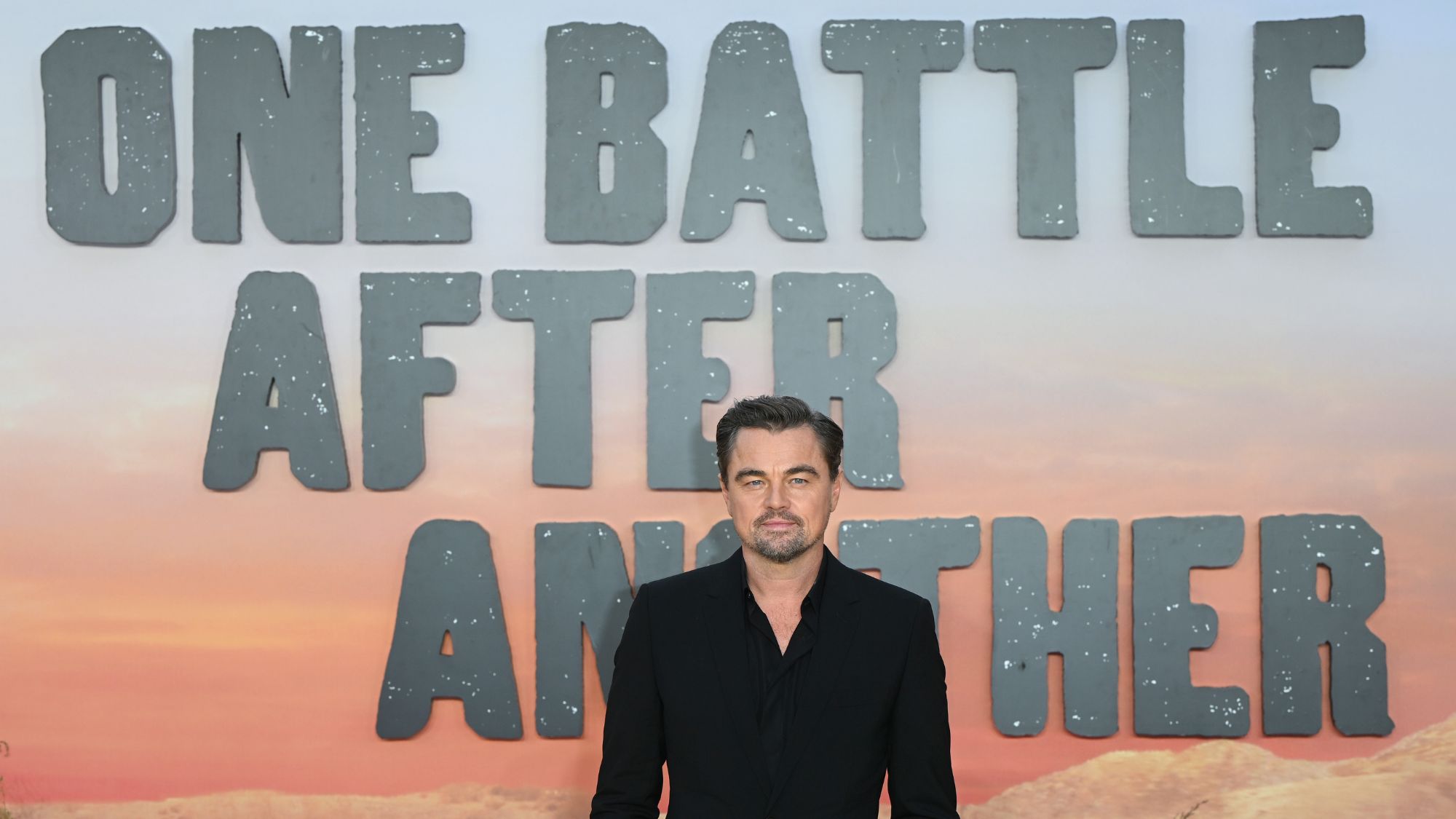
    Binns isn't the only high-profile complainer on this subject. Following the release of “One Battle After Another”, Leonardo DiCaprio told The Times that he questioned whether audiences have the “appetite” for longer-form film viewing, fearing that “cinemas become silos”, or “like jazz bars”.

    “Concerns also remain about industry consolidation”, said Nadia Khomami in The Guardian, including Netflix’s bid to buy Warner Bros Discovery. However, “people have predicted the end of cinema many times – when television arrived, when we went digital. We’re still standing,” said Binns.

    What next?
    The Bafta Film Awards ceremony will be hosted by Alan Cumming on 22 February.


    It’s not all bad

    Scientists say a tool-using Austrian cow may change how humans treat livestock. Veronika, a 13-year-old brown Swiss, was shown to deliberately select and adjust tools to scratch different parts of her body, a skill previously unseen in cattle. Researchers say the discovery suggests cows are more adaptable and intelligent than assumed, opening the door to improved welfare, better farming practices and a reassessment of how animals long viewed as simple actually think.


    under the radar

    Why scientists want to create self-fertilising crops 

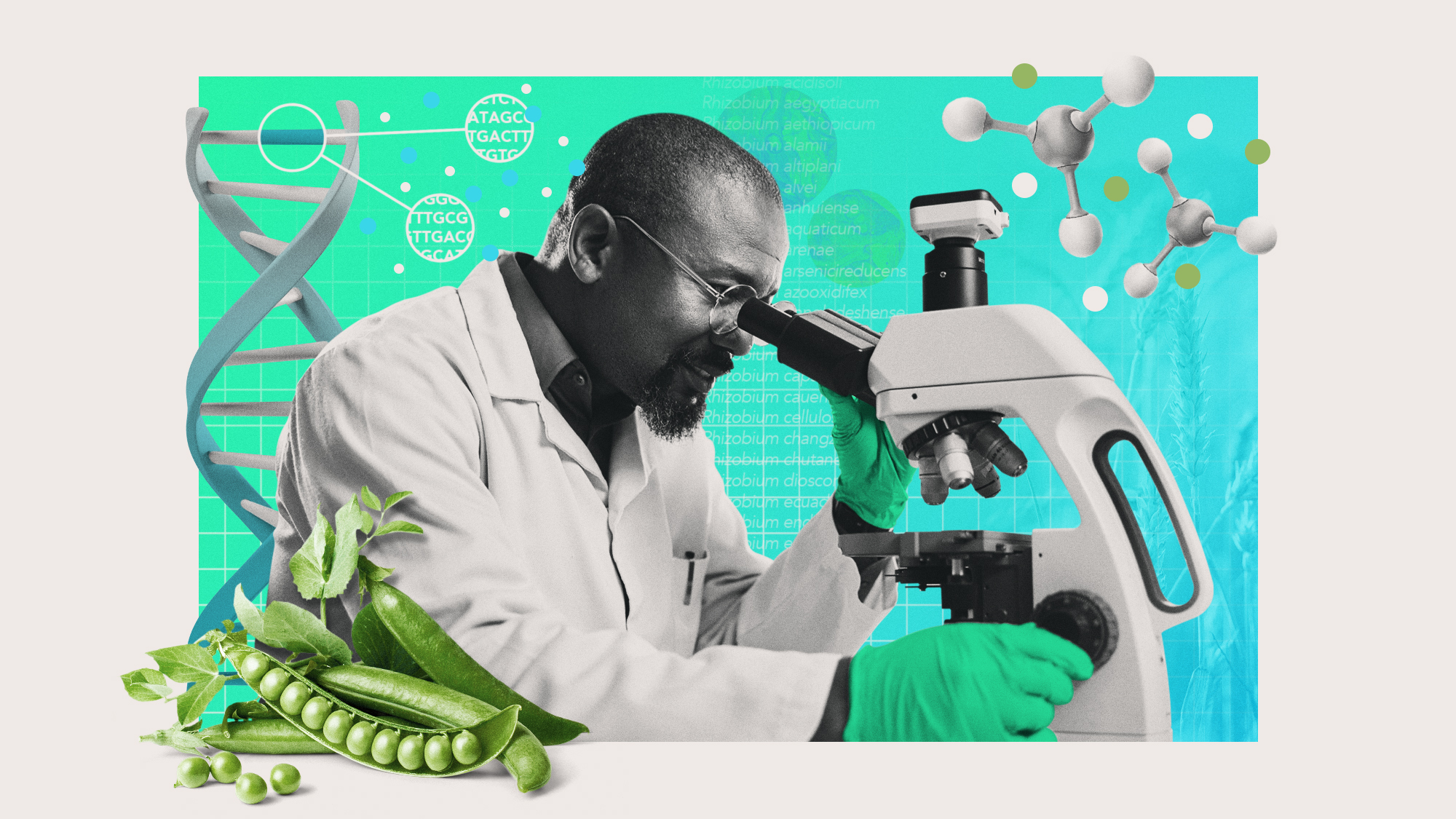
    Excessive fertiliser use can be expensive and bad for the environment, but plants require nutrients to grow. To combat this problem, scientists have been attempting to use genetic engineering to help crops control their own fertilisation, making them cooperate with nitrogen-fixing bacteria. The new method could fight food insecurity and save waterways. 

    Plants need nitrogen to grow, and most crops require fertiliser to obtain it. However, a “small group of plants, including peas, clover and beans, can grow without added nitrogen” by “forming a partnership with specific bacteria that turn nitrogen from the air into a form the plant can absorb,” said a release by Aarhus University about a study published in the journal Nature. 

    Taking a page from those plants’ books, researchers have been working on developing self-fertilising crops, and major strides have already been made. In August 2025, scientists were able to use the gene editing tool CRISPR to make wheat crops produce their own fertilizer, according to a study published in Plant Biotechnology Journal. The edits enabled the wheat to “assist specific soil bacteria in nitrogen fixation,” which meant the “plants can absorb necessary nutrients without the reliance on synthetic fertilisers,” said Sustainability Times. 

    Self-fertilizing crops are a “fundamental redesign of how modern agriculture works,” Steve Cubbage, a precision agriculture consultant and farmer, said in a piece for The Scoop. “Reduced fertiliser dependence means lower exposure to global supply disruptions, energy price shocks and geopolitical risk,” as well as a “resilience strategy that should be taken as seriously.”


    on this day

    20 January 1972

    The number of people out of work and claiming unemployment benefit in the UK rose to over 1 million. This week, the government announced it was closing a loophole which allowed convicted criminals – who are ineligible for state benefits – to receive monthly welfare payments if they were receiving treatment as patients in secure psychiatric hospitals.


    Today’s newspapers

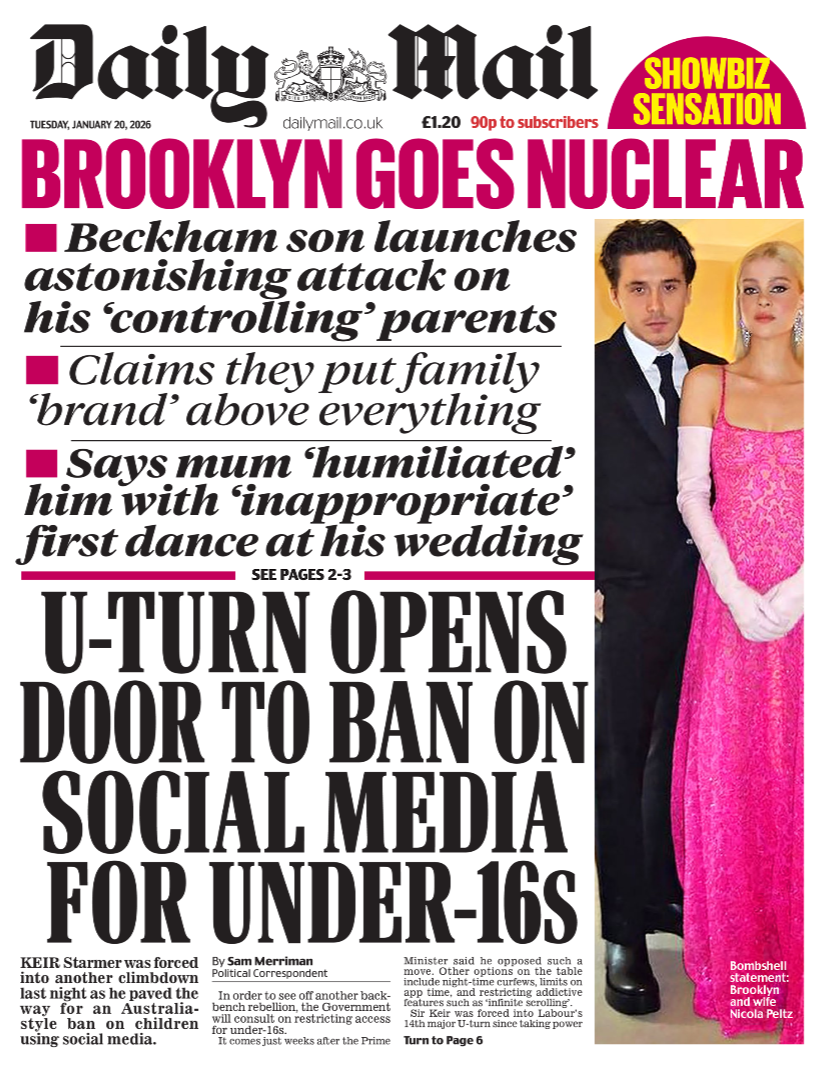
    ‘Nuclear Brooklyn’

    “Brooklyn goes nuclear”, say the Daily Mail and The Sun, as David Beckham’s son “blasts Posh & Becks”, reports the Daily Star. The US has failed to “rule out taking Greenland by force”, The Times says. Trump has linked “Greenland threats” to “Nobel snub”, says The Guardian. “A prize idiot”, says Metro. The “British and US relationship” is now at its “lowest ebb since the 1956 Suez crisis”, says The i Paper. “We will never be silenced for telling truth”, nurses tell the Daily Express. 

    See the newspaper front pages


    tall tale

    Call waiting

    A shopkeeper in Libya has finally received his Nokia phones, 16 years after he ordered them. Due to the country’s civil war in 2011, and resulting trade complications, the handsets had been stranded in a warehouse, despite the sender and receiver located “only a few kilometres apart in Tripoli”, said OBDaily. Upon opening the box, he questioned whether the contents were “mobile phone or artefacts”, with the phones likely to be worth more as collectors’ items.


    Morning Report was written and edited by Arion McNicoll, Will Barker, Devika Rao, Ross Couzens, and Chas Newkey-Burden, with illustrations by Stephen Kelly.

    Image credits, from top: Bertrand Guay / AFP via Getty Images; Lokman Vural Elibol / Anadolu via Getty Images; Stuart C. Wilson / Getty Images; Illustration by Stephen Kelly / Shutterstock via Getty Images.

    Morning Report and Evening Review were named Newsletter of the Year at the Publisher Newsletter Awards 2025
     

    Recent editions

    • Morning Report

      Trump floats lengthy Iran war

    • Evening Review

      Trump’s true doctrine

    • Morning Report

      Iran war spreads across Middle East

    VIEW ALL
    TheWeek
    • About Us
    • Contact Future's experts
    • Terms and Conditions
    • Privacy Policy
    • Cookie Policy
    • Advertise With Us
    • FAQ
    Add as a preferred source on Google

    The Week is part of Future US Inc, an international media group and leading digital publisher. Visit our corporate site.

    © Future US, Inc. Full 7th Floor, 130 West 42nd Street, New York, NY 10036.