The Week The Week
flag of US
US
flag of UK
UK
https://cdn.mos.cms.futurecdn.net/flexiimages/jacafc5zvs1692883516.jpg

SUBSCRIBE & SAVE

Less than $3 per week

Sign in
  • View Profile
  • Sign out
  • The Explainer
  • The Week Recommends
  • Newsletters
  • Cartoons
  • From the Magazine
  • The Week Junior
  • Student Offers
  • More
    • Politics
    • World News
    • Business
    • Health
    • Science
    • Food & Drink
    • Travel
    • Culture
    • History
    • Personal Finance
    • Puzzles
    • Photos
    • The Blend
    • All Categories
  • Newsletter sign up Newsletter
  • WeekDay AM: 10 Things you need to know this morning
    US destroys Iranian drone, Artemis II mission delayed, and the 98% mortgage

     
    today’s international story

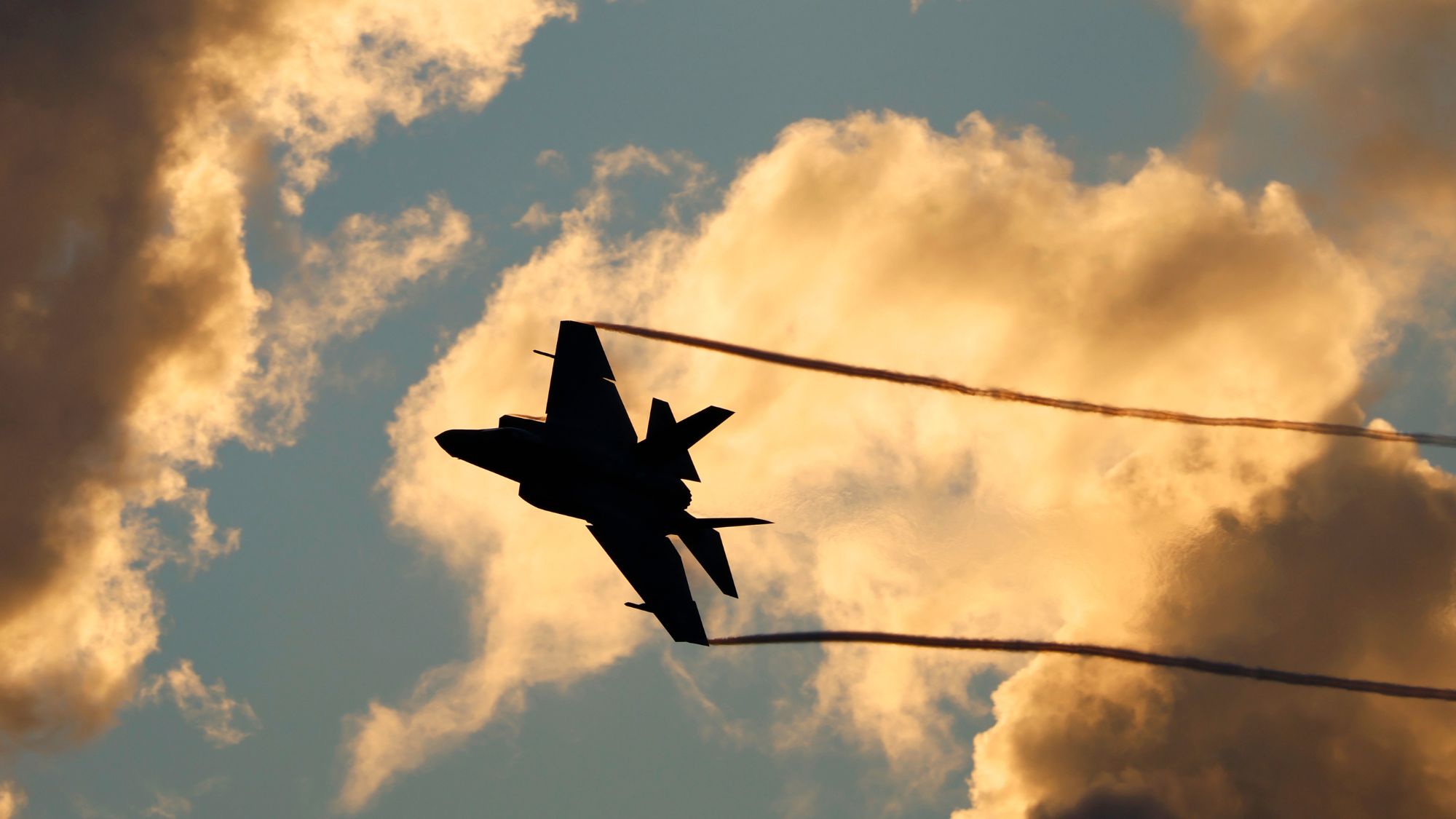
    US stealth fighter downs Iranian drone

    What happened
    A US carrier-based jet has destroyed an Iranian unmanned aircraft in the Arabian Sea after it moved towards the ship, US officials said. The incident was followed hours later by a separate confrontation in the Strait of Hormuz involving an American-operated tanker.

    According to the US military, the drone was intercepted by an F-35C jet while the USS Abraham Lincoln was sailing in international waters, roughly 800 kilometres from Iran. Later that same day, two fast Iranian patrol boats repeatedly circled a US-flagged chemical tanker and issued a radio warning that it could be boarded. A second Iranian drone was also observed in the area. US naval and air forces intervened, escorting the tanker away and defusing the situation. No injuries were reported in either episode.

    Who said what
    Captain Tim Hawkins, a spokesperson for US Central Command, said the drone “continued to fly towards the ship despite de-escalatory measures” and was destroyed to protect the carrier and its crew. He described the later tanker incident as “unprofessionalism and aggressive behaviour” that increased the risk of miscalculation.

    The confrontations come as the US “continues to build up a military presence in the region, with tensions high between Washington and Tehran”, said Ian Aikman on the BBC.

    What next?
    The downing of the drone “did not appear to alter plans” for talks, which are “expected to take place on Friday”, said Al Jazeera. But US President Donald Trump has warned that failure to reach an agreement could lead to “bad things”.


    today’s royals story

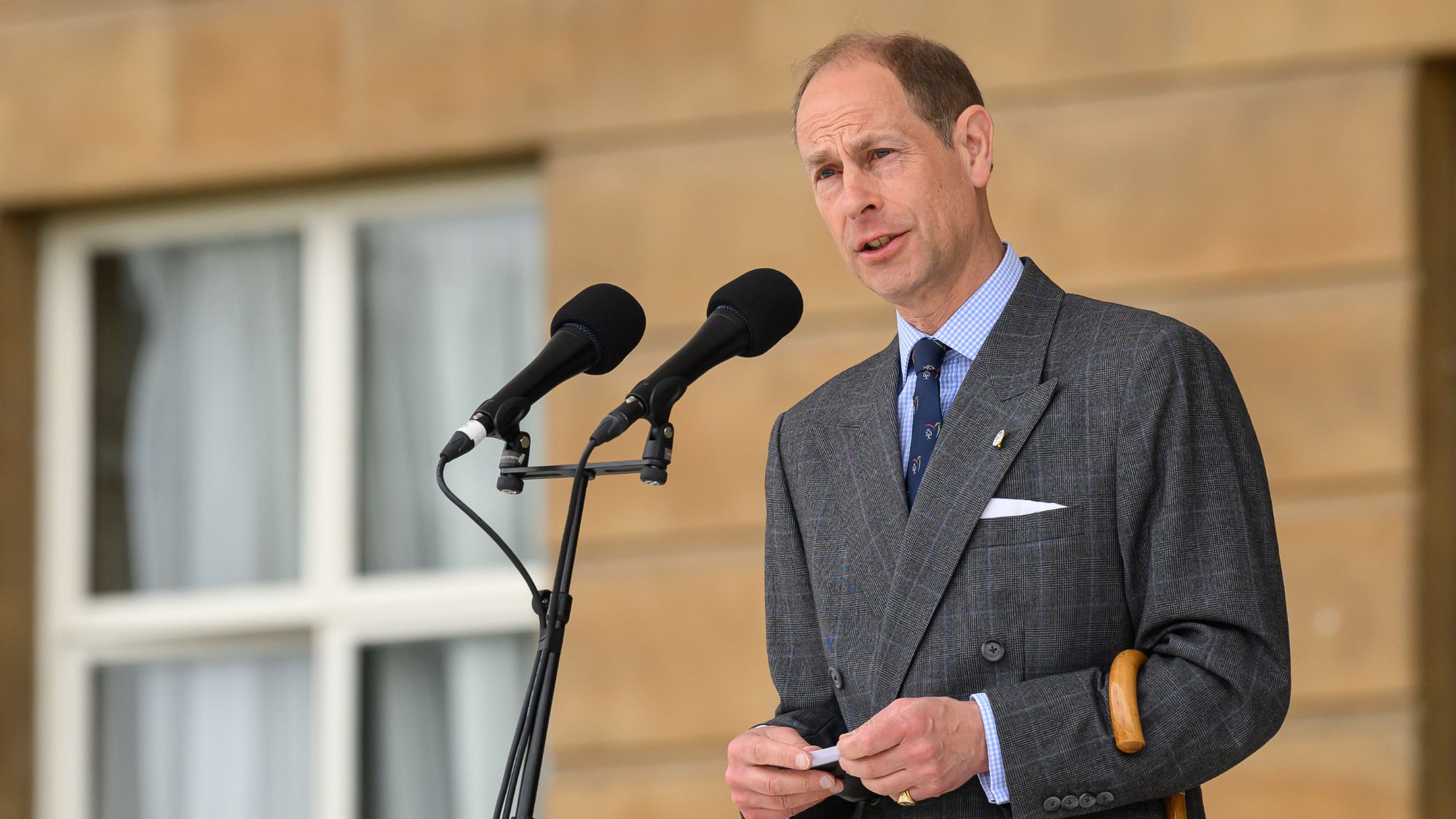
    Prince Edward urges focus on Epstein victims

    What happened
    The Duke of Edinburgh has stressed the need to centre attention on those harmed by Jeffrey Epstein as renewed scrutiny falls on his brother Andrew Mountbatten-Windsor. The remarks follow the release of further US court files connected to Epstein that include photographs and correspondence referencing Andrew and his former wife Sarah Ferguson.

    Who said what
    Speaking at the World Governments Summit in Dubai, Prince Edward said it was “really important, always, to remember the victims”.

    “This is not just a political scandal,” agreed Marina Hyde in The Guardian. It is a “time to refocus on the horrific mistreatment of women and girls”.

    What next?
    Andrew, who lost his royal titles and previously settled a civil case while denying any wrongdoing, has not responded publicly to the latest allegations. Pressure is growing for him to give evidence to US authorities amid questions about whether he will do so voluntarily.

    Meanwhile, the US justice department said it had removed thousands of Epstein-related documents and media from circulation yesterday after mistakenly releasing material containing possible victim-identifying details, blaming the lapse on a technical or human error.


    Today’s space story

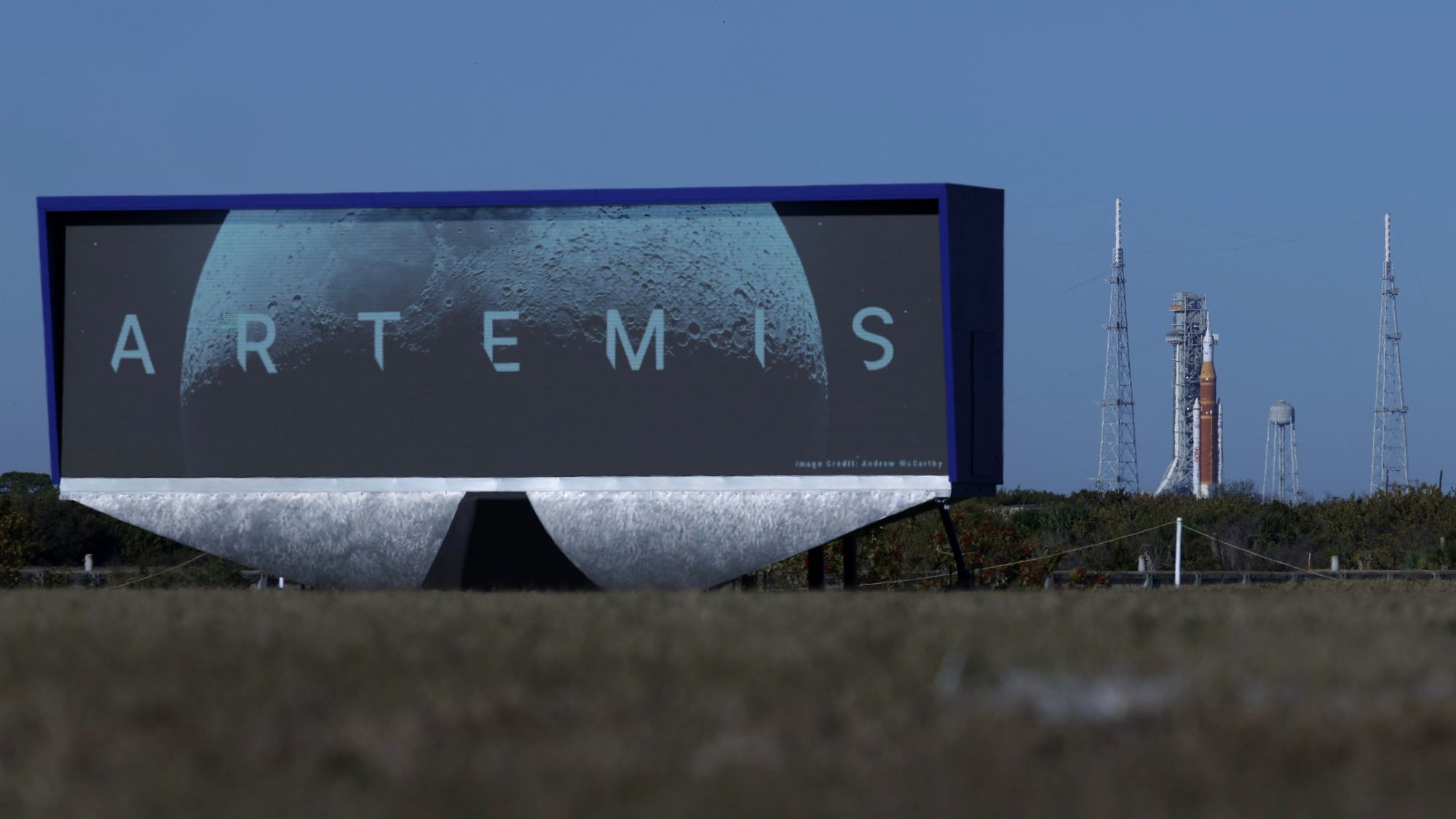
    Nasa pushes Artemis II launch date back

    What happened
    The launch of Artemis II, the first manned mission to the Moon in more than 50 years, has been delayed until next month after hydrogen leaks were discovered during testing “designed to identify problems and provide Nasa with an opportunity to fix them before launch”, according to science website Ars Technica.

    Who said what
    Engineers had “pushed through several challenges” during the two-day test and “met many of the planned objectives”, said Nasa officials in a statement. But the agency has decided to conduct a “second wet dress rehearsal”, meaning the launch will not go ahead this month as originally planned.

    “As always, safety remains our top priority, for our astronauts, our workforce, our systems and the public”, said Nasa administrator Jared Isaacman. “We will only launch when we believe we are ready to undertake this historic mission.”

    What next?
    Artemis II’s four astronauts will be released from the quarantine they entered on 21 January and resume training. The next launch opportunity for the mission is 6 March. Artemis II will not land on the Moon directly, but will travel around it before returning to Earth 10 days later.


    It’s not all bad

    One of Britain’s biggest banks has unveiled a new mortgage that allows first-time buyers to borrow up to 98% of a home’s value in a move hailed by brokers as a major boost for aspiring homeowners. Santander says the deal breaks the long-standing 95% limit and could help people who are struggling to save up large deposits. With a minimum £10,000 deposit and loans of up to £500,000, the bank claims that the product could open the door to home ownership for thousands.


    under the radar

    Metal-based compounds may be the future of antibiotics

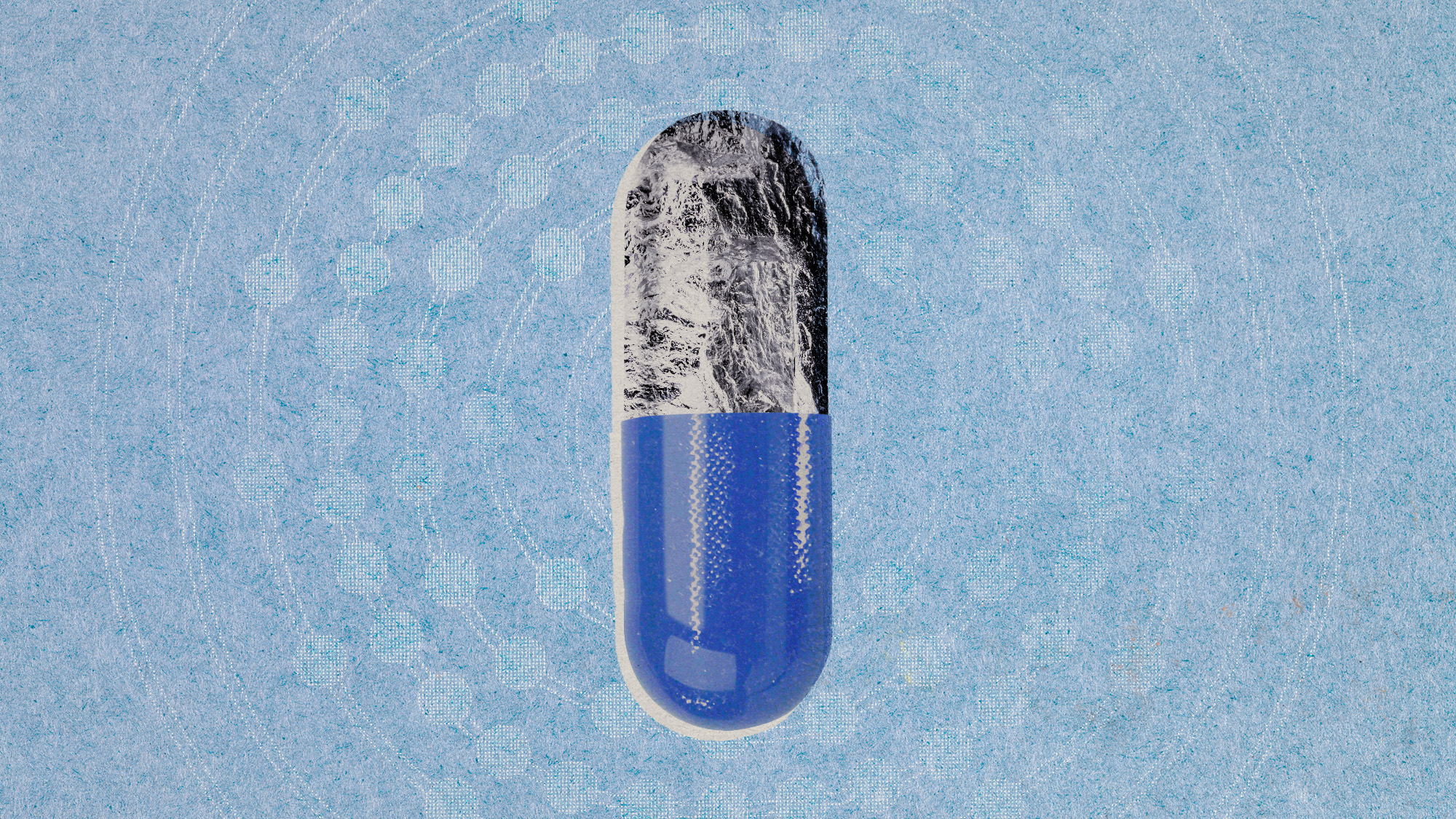
    Scientists are putting the pedal to the metal in the race to develop new antibiotics. Metal-based drugs could open up a new world of medicine, especially as antimicrobial resistance is growing. Researchers have also found a way to create and test these metal compounds much faster than before through the use of robots.

    Robotic chemistry can be used to produce and trial metal-based antibiotics, according to a study published in the journal Nature Communications. Most modern antibiotics are organic or carbon-based and tend to interact with bacteria in predictable ways. However, metal-containing compounds have a unique geometry that “allows them to interact with bacteria in completely different ways, potentially overcoming the resistance mechanisms that defeat current drugs”, said a release about the study.

    An iridium metal complex was specifically identified as a promising antibiotic drug. It “demonstrated high effectiveness against bacteria, including strains similar to the deadly MRSA (Methicillin-resistant Staphylococcus aureus), while displaying low toxicity to human cells”, said the release.

    The findings come at a time when antibiotic resistance is becoming more of a danger. “The pipeline for new antibiotics has been running dry for decades,” Dr Angelo Frei, the lead author of the study, told Live Science.

    Still, because bacteria evolve quickly, there is a risk of resistance developing to these compounds over time. The good news is that robotic chemistry can significantly speed up research. “The iridium compound we discovered is exciting, but the real breakthrough is the speed at which we found it,” said Frei. “This approach could be the key to avoiding a future where routine infections become fatal again.” The method could also be used beyond antibiotics to help further several other areas of biomedical research.


    on this day

    4 February 2004

    Mark Zuckerberg launched Facebook – originally TheFacebook – from his Harvard University dormitory room. This week Facebook’s parent company, Meta, announced that it would trial premium subscriptions for Instagram, Facebook and WhatsApp users in the coming months, giving them access to features including expanded artificial intelligence capabilities.


    Today’s newspapers

    ‘Civil war’

    “Oh, Lord”, says Metro, after Peter Mandelson told parliamentary authorities he intends to resign from the House of Lords. “He let his country down”, says The Independent, quoting the prime minister, and Mandelson is “facing full criminal investigation”, says The Times. “Inexcusable”, says The Mirror, quoting Gordon Brown who described Mandelson’s actions as “inexcusable and unpatriotic”. There will be “faster tests for cancer with choice of hospital”, The i Paper says. “Musk ties xAI to rocket drive”, the Financial Times says.  

    See the newspaper front pages


    tall tale

    From Hyytiäinen to Hollywood

    The city of Helsinki has launched an ad campaign offering to help Pamela Anderson rediscover her Finnish roots. The “Baywatch” star last year told Vogue Scandinavia that her grandfather had changed his surname from Hyytiäinen when he arrived in Canada from Finland in 1908. Billboard ads sponsored by Helsinki’s tourist board have appeared close to Anderson’s Vancouver Island home, urging her to visit the ancestral homeland and even offering to help her restore the family surname.


    Morning Report was written and edited by Arion McNicoll, Will Barker, Elliott Goat, Devika Rao, Ross Couzens and Chas Newkey-Burden, with illustrations by Julia Wytrazek.

    Image credits, from top: Kevin Carter / Getty Images; Leon Neal / Getty Images; Joe Raedle / Getty Images; Illustration by Julia Wytrazek / Getty Images.

    Morning Report and Evening Review were named Newsletter of the Year at the Publisher Newsletter Awards 2025
     

    Recent editions

    • Morning Report

      California’s deadliest avalanche

    • Evening Review

      Democrats’ DHS endgame

    • Morning Report

      Colbert and CBS clash over FCC politics policing

    VIEW ALL
    TheWeek
    • About Us
    • Contact Future's experts
    • Terms and Conditions
    • Privacy Policy
    • Cookie Policy
    • Advertise With Us
    • FAQ
    Add as a preferred source on Google

    The Week is part of Future US Inc, an international media group and leading digital publisher. Visit our corporate site.

    © Future US, Inc. Full 7th Floor, 130 West 42nd Street, New York, NY 10036.