“If you look backward in this business, you will be crushed,” said Apple co-founder and CEO Steve Jobs in 2008, a year after he changed the world forever with the release of the first iPhone. “You have to look forward.” And though the company may be “allergic to nostalgia,” it’s “begrudgingly engaging in a series of concerts and commemorations” to mark its 50th anniversary, said Steven Levy at Wired, and “we are being blitzed by books, articles and oral histories” about the tech giant’s origins.
Tariffs take a bite
Launched by Jobs from his California garage along with Steve Wozniak in 1976, Apple went on to pioneer the personal computer, transform the music market and revolutionize how people use phones and technology in the internet age. The company is now valued at more than $3.6 trillion, and 27% of the global population — about 2.2 billion people — use one or more of its products.
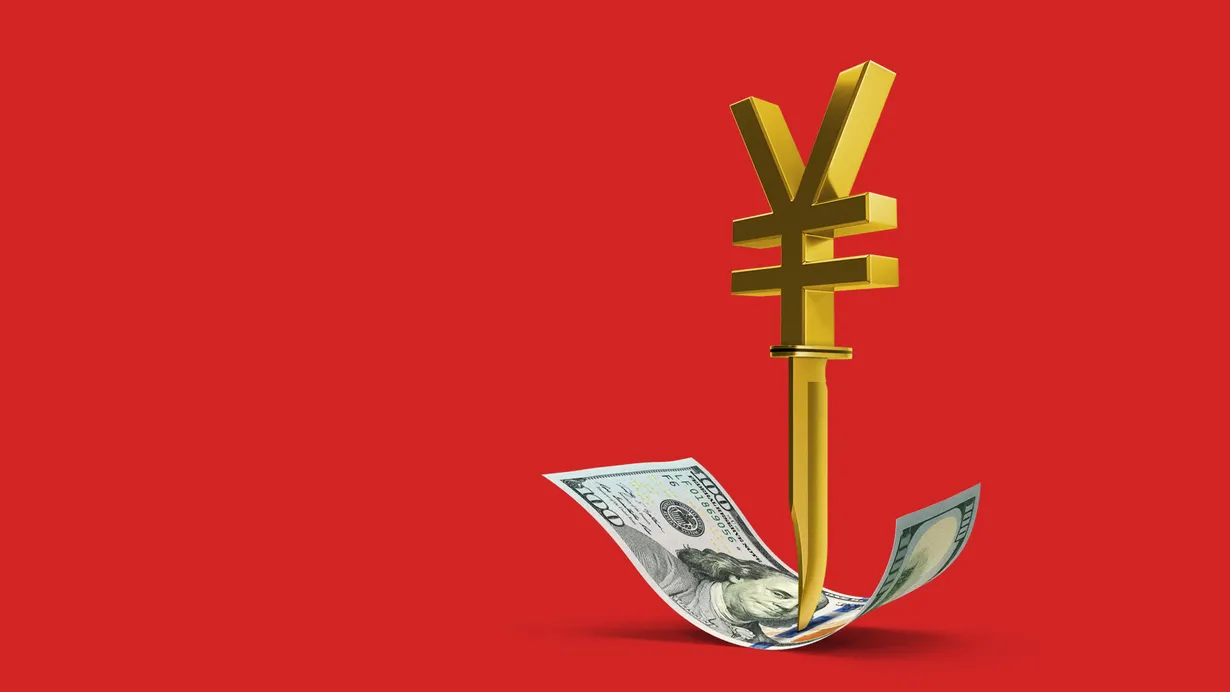
“No country has been more central to Apple’s rise or more fraught for its future than China,” said France 24. After taking over as CEO following Jobs’ death from pancreatic cancer in 2011, Tim Cook made China the primary manufacturing base for Apple devices.
China is also one of Apple’s largest consumer markets, but the company “faces mounting pressure” on two fronts, said the outlet. Trade tensions and tariffs have “accelerated efforts to diversify manufacturing” to elsewhere in Asia, while “competition from domestic rivals such as Huawei has eaten into Apple’s Chinese market share.”
‘The future belongs to AI’
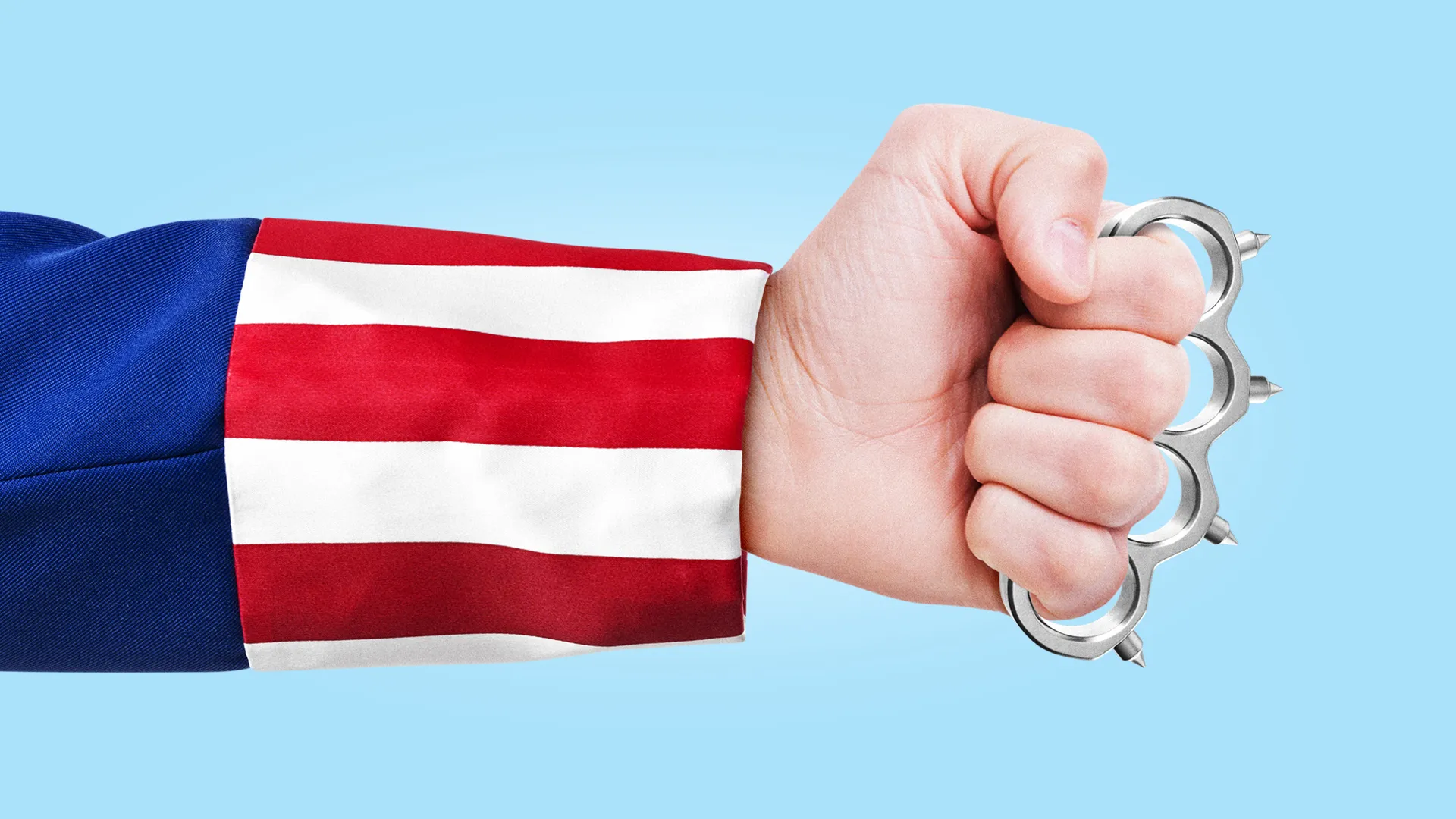
“The world in which Apple once thrived no longer exists,” said Lionel Barber, a former editor of the Financial Times, at The New Statesman. A “25-year-long process of hyperglobalization in which money, technologies and ideas have flowed freely” is “now fading amid economic nationalism driven, in part, by a technological arms race between the U.S. and China” and a “global tariff offensive” led by President Donald Trump.
Apple is also facing a threat to its dominance closer to home with a series of antitrust cases against it. And while the company may have “absolutely owned” the internet and mobile era, the “future belongs to AI,” a category in which Apple seems to have been lacking, said Wired.
Apple’s “obsession with user privacy” has made it hard to perfect an AI system, yet this focus could help position the company as the driver behind personalized AI, said France 24. Making that profitable is a “goal that has proved elusive for much of the AI industry.” |