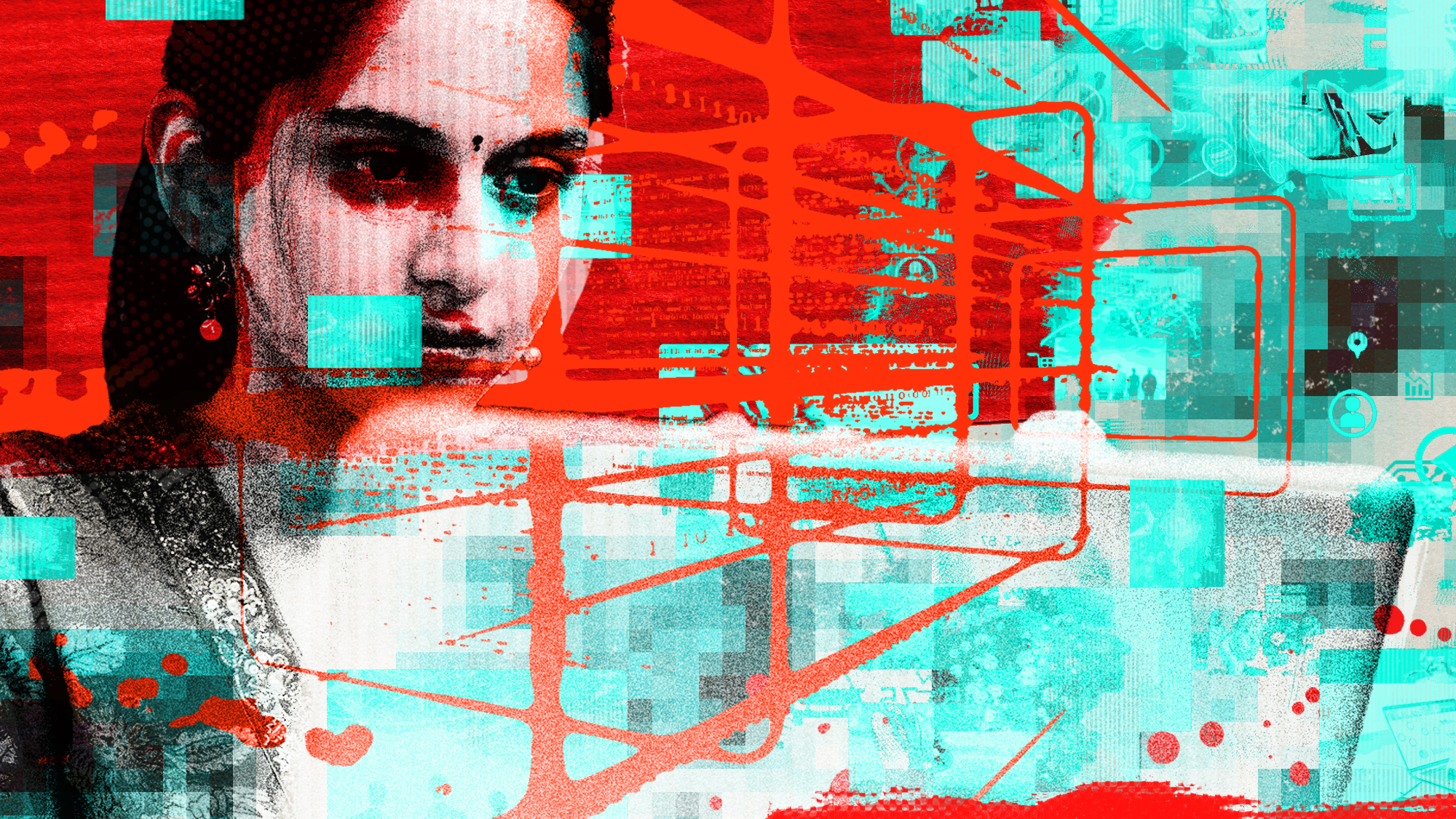
India has long been a “centre for outsourced IT support”, but, with the arrival of AI, there are rising concerns for the welfare of female workers in the industry.
As tech companies move to reap the benefits of using remote workers or employing people at a lower cost in smaller towns and rural areas, more and more Indian women are finding work as data annotators, according to the BBC. They help “fine tune” the behaviour of AI models, said Business Insider, by labelling content as “helpful” and “natural-sounding”, or flagging it as “wrong, rambling, robotic, or offensive”. Much of the content they must view is violent, abusive and disturbing.
“Women form half or more of this workforce,” said The Guardian. Annotator roles are “promoted aggressively online”, promising “easy” or “zero-investment” job opportunities that are flexible and require minimal skills or training. In reality, annotators are exposed to about 800 videos a day, many containing pornography, sexual assault, child abuse and graphic violence.
“The world sees cleaner feeds” as a result, but remains largely blind to the women who must absorb “the trauma” so that the machines can learn what to block, said India Today. They are exposed to the “internet’s darkest material”.
Such exposure can lead to disrupted sleep patterns, distorted social relationships and a protective “emotional numbness” that is “rarely acknowledged”. There is “limited mental health support” for the workers, even though “images linger long after shifts end”. Often working remotely while balancing other aspects of life, these women are left “unseen, unheard and exhausted”. |