The Week The Week
flag of US
US
flag of UK
UK
https://cdn.mos.cms.futurecdn.net/flexiimages/jacafc5zvs1692883516.jpg

SUBSCRIBE & SAVE

Less than $3 per week

Sign in
  • View Profile
  • Sign out
  • The Explainer
  • The Week Recommends
  • Newsletters
  • Cartoons
  • From the Magazine
  • The Week Junior
  • Student Offers
  • More
    • Politics
    • World News
    • Business
    • Health
    • Science
    • Food & Drink
    • Travel
    • Culture
    • History
    • Personal Finance
    • Puzzles
    • Photos
    • The Blend
    • All Categories
  • Newsletter sign up Newsletter
  • WeekDay AM: 10 Things you need to know this morning
    Iran strikes Qatar, emergency meningitis response, and Trump’s ill-fitting shoe gifts

     
    today’s international story

    Iranian missile strike hits major Qatar gas hub 

    What happened
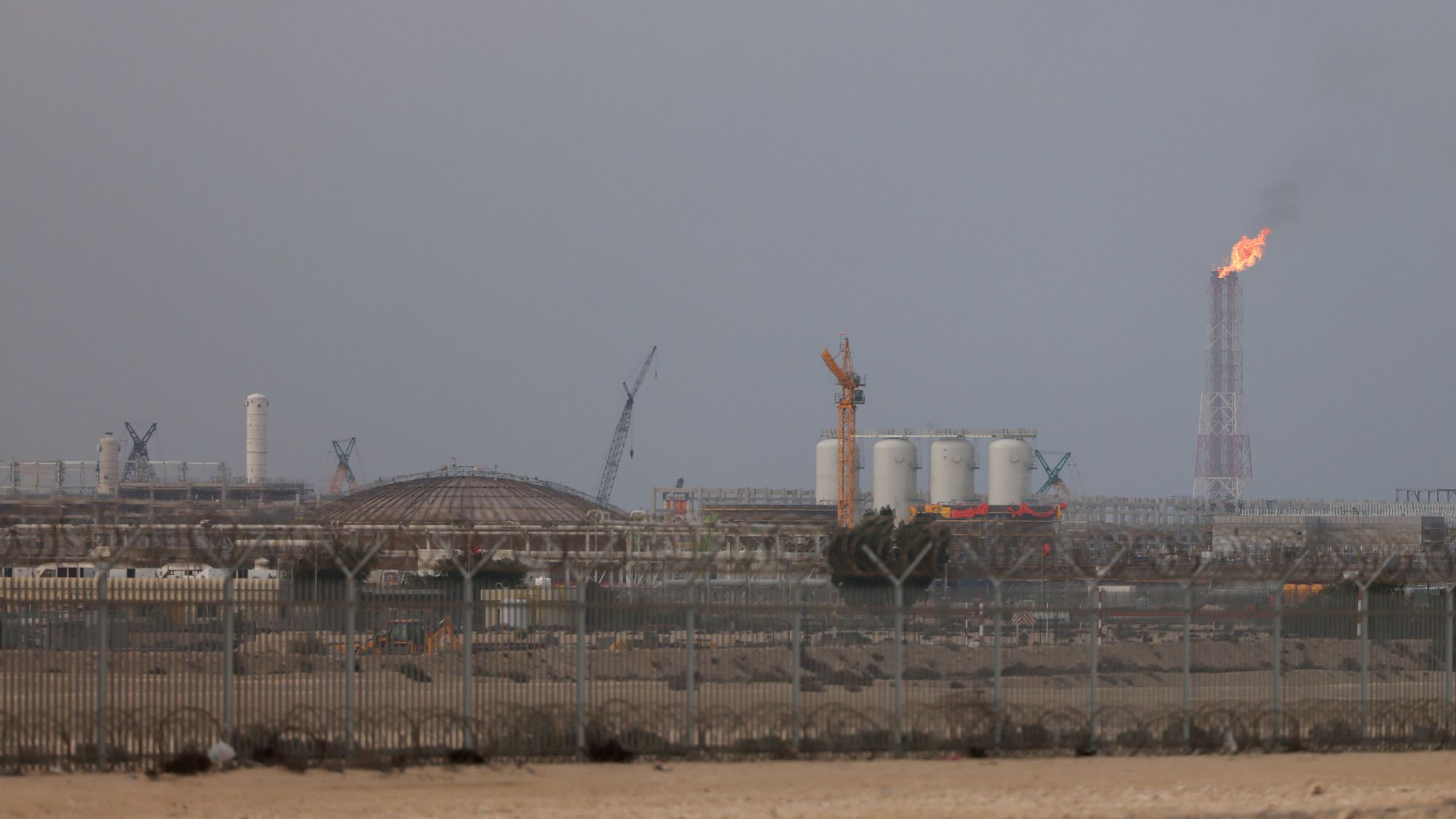
    Iran has launched an attack on a key liquefied natural gas (LNG) installation in Qatar, igniting a blaze and disrupting a site central to global energy supply. Qatari authorities confirmed that the missile strike hit the Ras Laffan industrial complex (pictured above), a facility that accounts for roughly 20% of worldwide LNG output. Energy markets reacted swiftly, with crude oil prices climbing above $110 a barrel.

    Who said what
    Officials in Doha said the attack had caused “extensive damage”. The strike followed warnings from Tehran that it would target energy assets across Persian Gulf states after its own facilities were hit.

    The escalation raises fears of further disruption to critical energy infrastructure across the region. However, ​​The Wall Street Journal, citing unnamed US officials, said Donald Trump supported the initial attack on Iran’s South Pars field, but was against further strikes. According to the report: “The president believes Iran got the message and is now against attacks on Iranian energy infrastructure, the officials said.” However, it added: “Trump could once again be open to targeting more Iranian energy facilities depending on Tehran’s future actions in the Strait of Hormuz.”

    What next?
    “Unlike Trump, Iran’s regime has been plotting this war for decades,” said Sam Kiley in The Independent. The Tehran regime has a system known as the “mosaic defence”, which is the principle that the chain of command can survive its links being broken because each link is autonomous. “For Iran’s long-term planners, victory will be a war that Trump has no idea how to end,” added Kiley.


    today’s health story

    Meningitis outbreak triggers emergency response

    What happened
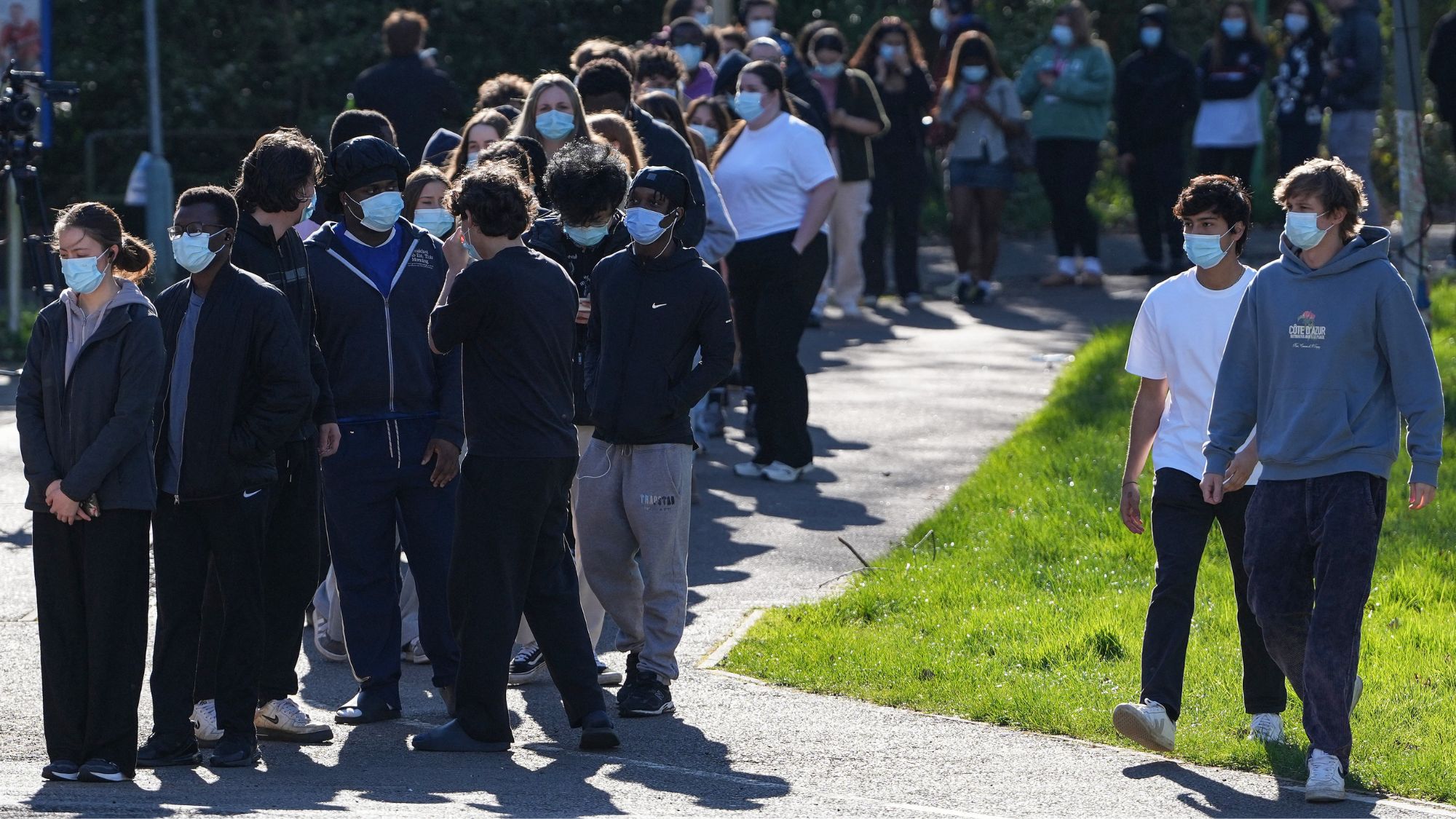
    Health authorities have now issued a rare nationwide alert over the fast-moving meningitis outbreak centred on Canterbury in Kent. Two young people have died and about 20 cases have been identified or are under investigation. A large-scale response is under way, including vaccinations for thousands of students at the University of Kent and widespread antibiotic distribution. The outbreak has also reached Canterbury Christ Church University and several local schools, while one related case has been reported in France.

    Who said what
    Health Secretary Wes Streeting described the rate of spread as “unprecedented”. UK Health Security Agency chief executive Susan Hopkins said officials were trying to gain an understanding of the speed of transmission.

    When meningitis strikes, “a quick response is the difference between life and death”, said The Telegraph’s health editor Laura Donnelly, which is why “officials are facing questions over the hold-up in rolling out their full-scale response”.

    What next?
    Vaccination clinics are expanding, while antibiotics remain the primary treatment as authorities work to prevent additional cases.


    Today’s sport story

    Bolton tees up shot at golf’s biggest showpiece

    What happened
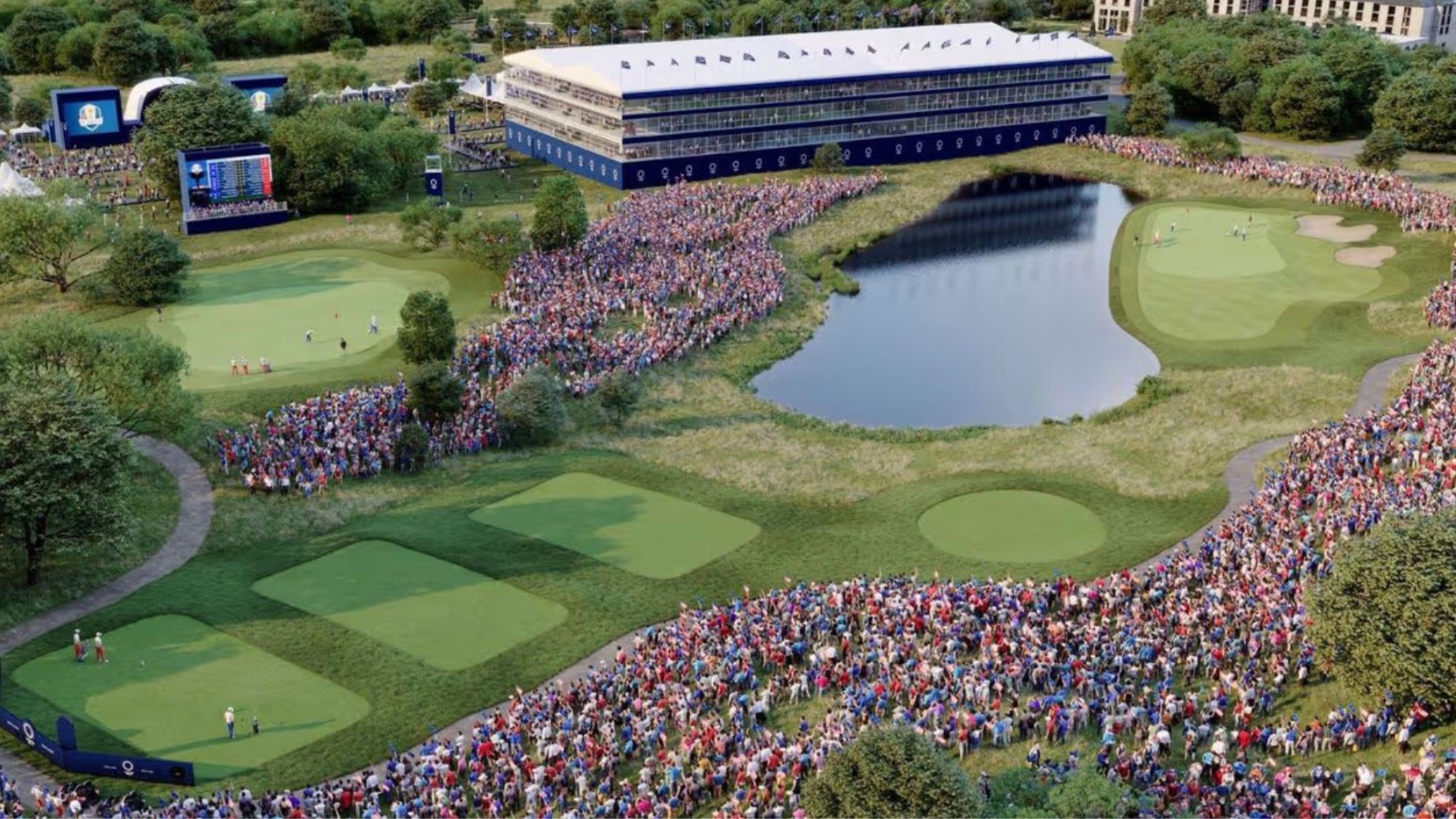
    Bolton is bidding to host the 2035 Ryder Cup – and be the first English course to welcome the competition since 2002. The plans for a golf resort development also include a new £70 million M61-M6 link road.

    Who said what
    There are “more than a few obstacles”, said The Guardian – namely that the “the £250 million course is not yet built”. The plans for Hulton Park were first raised in 2018, but they met with “fierce opposition” from residents and conservationists.

    This bid is “not pie in the sky”, said Greater Manchester Mayor Andy Burnham, but it cannot happen without “without major investments in infrastructure in the area”.

    Professional golfer Tommy Fleetwood, part of last year’s successful European team at Bethpage Black in the US, said hosting the “biggest sporting event in the world” in the “north-west of England, where I’m from, would be amazing”, adding: “We have so much to offer.”

    What next?
    The decision to award the 2035 event is “not expected until around 2029”, according to The Guardian. Council bosses stressed that the development would only go ahead if Hulton Park’s bid was successful.


    It’s not all bad

    Imagine being able to plug in your mobile phone or electric car and charge it almost instantly. That dream has come a step closer thanks to Australian researchers who have built an early stage quantum battery. Although still experimental, it demonstrates a new approach that could dramatically reduce charging times compared with existing batteries. Lead researcher Dr James Quach of the Commonwealth Scientific and Industrial Research Organisation (CSIRO), the country’s science agency, said: “It’s the first prototype that does a full cycle of a battery: in other words, you charge it, you store energy, and you can discharge it.”


    under the radar

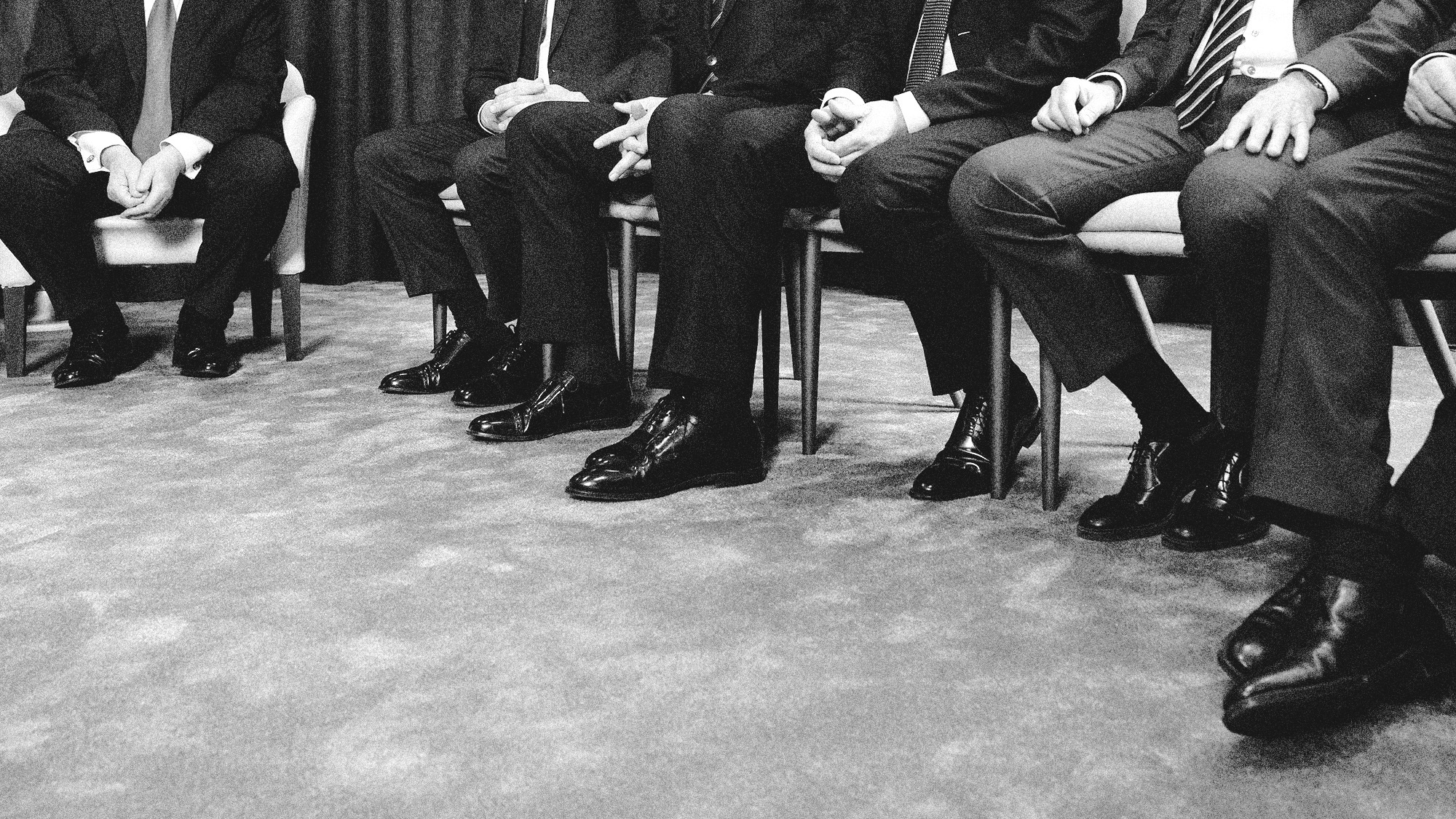
    If the shoe doesn’t fit: Trump and his footwear

    When US Secretary of State Marco Rubio made the case for Donald Trump’s war in Iran, there was one obvious problem: his shoes were “at least two sizes too big”, wrote Séamas O’Reilly in the New Statesman.

    The shoes had been given to him by Trump. The US president has gifted pairs of the same shoes to several colleagues who are reportedly too scared to not wear them – even if they don’t fit.

    Trump is handing out Florsheim Oxfords, which cost $145 (£109). This new “stylistic choice” has “caught the public’s eye”, said CNN, after Rubio and Vice President J.D. Vance were pictured wearing “black dress shoes with visible gaps between the shoe’s collar and the wearer’s foot”, which leaves the ankle to “dangle loose in the opening like the clapper in a bell”.

    Trump has “taken to guessing people’s shoe size in front of them”, asking an aide to “put in an order” and then, a week later, a brown Florsheim box “arrives at the White House”, according to The Wall Street Journal. The president “sometimes signs the box or attaches a note of gratitude”, sources told the broadsheet.

    “You can tell a lot about a man by his shoe size,” said Trump, but the shoes he gave the men are “clearly too big”, menswear expert Josh Peskowitz told CNN. So perhaps Rubio and Vance “prefer the ideal of the feet they wish they had to the reality rattling around inside their new shoes”, said the broadcaster.


    on this day

    19 March 2003

    President George W. Bush ordered air strikes on Baghdad, marking the start of the Iraq War. This week Iranian rocket and drone missile strikes have been reported at the US embassy compound in Baghdad, as well as at a US diplomatic facility near the city’s international airport.


    Today’s newspapers

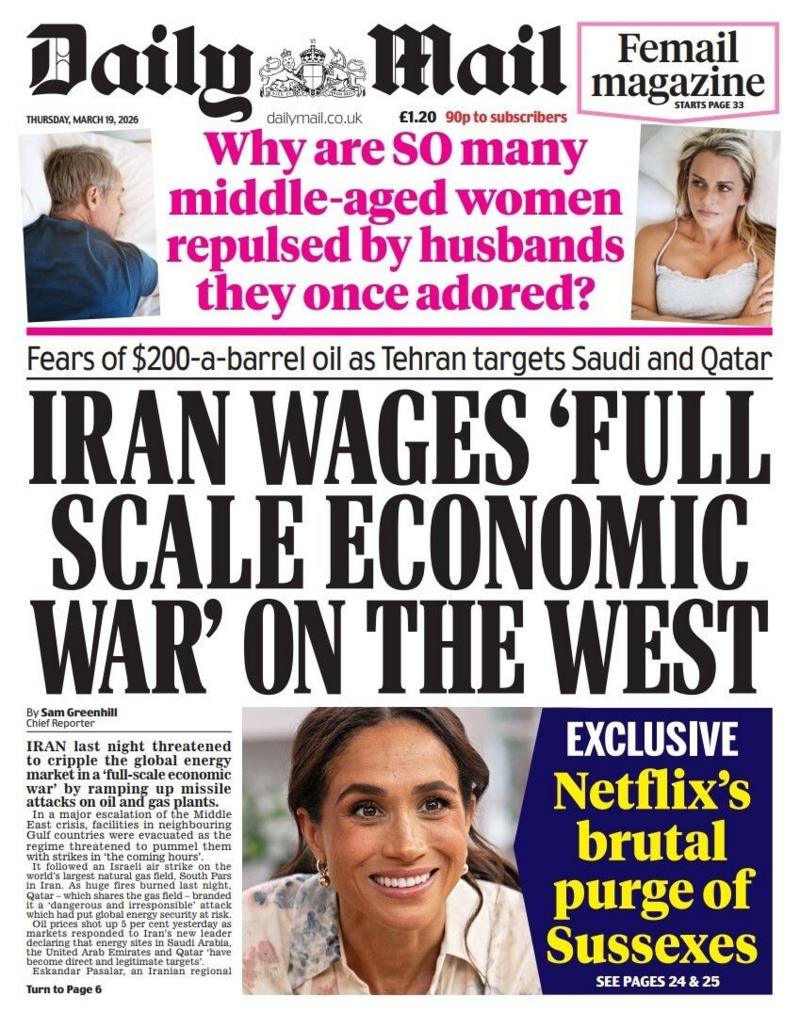
    ‘Economic war’

    Iran is threatening a “full scale economic war”, says the Daily Mail. The British military is sending officers to the US to help negotiate how to “reopen the Strait of Hormuz”, says The Times. Downing Street has “refused to say” whether it will keep plans to double how long migrants must wait for permanent residence, says The Telegraph. The Federal Reserve plans cuts as Jay Powell warned it’s “too soon to know the scope and duration” of the Iran war’s economic impact, says the Financial Times.

    See the newspaper front pages


    tall tale

    Cereal thriller

    West Yorkshire Police have seized 20kg of cornflakes during raids that uncovered £750,000 worth of drugs. The cereal stash, which is thought to have been stolen, was discovered in searches of properties in Pontefract and Darrington. Officers also found about £10,000 in cash along with several Rolex watches valued at up to £120,000. Four men, aged between 23 and 47, have been charged with drug offences.


    Morning Report was written and edited by Arion McNicoll, Rebecca Messina, Will Barker, Ross Couzens and Chas Newkey-Burden, with illustrations by Julia Wytrazek.

    Image credits, from top: Getty Images; Carlos Jasso / AFP / Getty Images; @HultonPark / X; Illustration by Julia Wytrazek / Getty Images.

    Morning Report and Evening Review were named Newsletter of the Year at the Publisher Newsletter Awards 2025
     

    Recent editions

    • Morning Report

      Iran loses 2 more leaders to Israeli airstrikes

    • Evening Review

      Poland’s economy booms

    • Morning Report

      RFK Jr.’s vaccine crusade thwarted in court

    VIEW ALL
    TheWeek
    • About Us
    • Contact Future's experts
    • Terms and Conditions
    • Privacy Policy
    • Cookie Policy
    • Advertise With Us
    • FAQ
    Add as a preferred source on Google Add as a preferred source on Google

    The Week is part of Future US Inc, an international media group and leading digital publisher. Visit our corporate site.

    © Future US, Inc. Full 7th Floor, 130 West 42nd Street, New York, NY 10036.