The Week The Week
flag of US
US
flag of UK
UK
https://cdn.mos.cms.futurecdn.net/flexiimages/jacafc5zvs1692883516.jpg

SUBSCRIBE & SAVE

Less than $3 per week

Sign in
  • View Profile
  • Sign out
  • The Explainer
  • The Week Recommends
  • Newsletters
  • Cartoons
  • From the Magazine
  • The Week Junior
  • Student Offers
  • More
    • Politics
    • World News
    • Business
    • Health
    • Science
    • Food & Drink
    • Travel
    • Culture
    • History
    • Personal Finance
    • Puzzles
    • Photos
    • The Blend
    • All Categories
  • Newsletter sign up Newsletter
  • WeekDay AM: 10 Things you need to know this morning
    Healey quits, SpaceX floats, and the World Cup kicks off in style

     
    today’s politics story

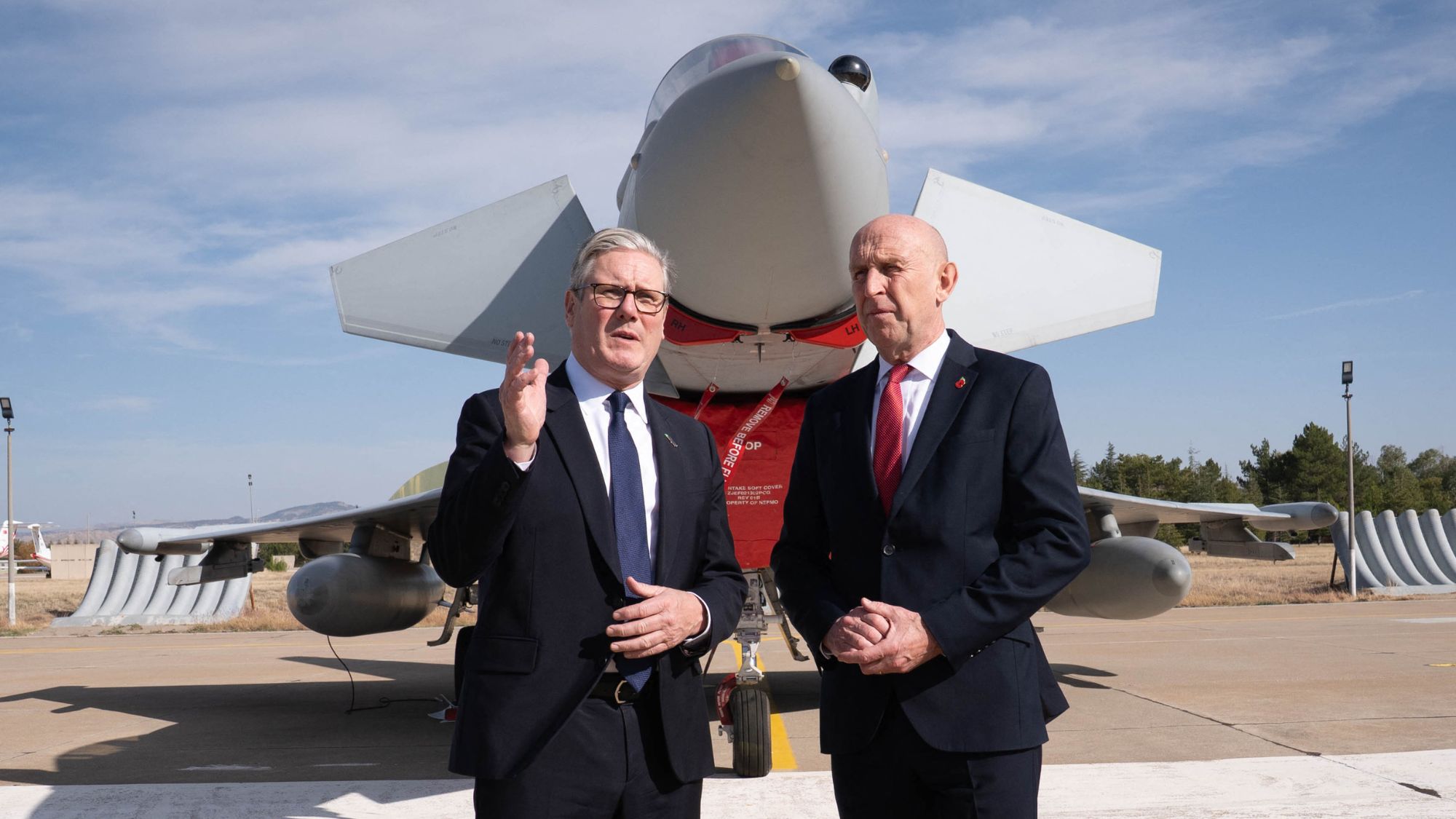
    Starmer in crisis after defence secretary quits

    What happened
    In a major blow to Keir Starmer, Defence Secretary John Healey resigned yesterday over the government’s new defence investment package, which he believes does not provide enough funding to meet the growing security threats.

    The dispute centres on a long-awaited spending strategy that reportedly increases military funding by £13.5 billion. Critics argue that the boost falls short of what is needed as European governments face pressure to strengthen their armed forces amid concerns about Russia and wider global instability.

    Who said what
    In his resignation letter, Healey said the prime minister was “unable” and the Treasury “unwilling” to provide sufficient resources for defence. He wrote that the settlement “falls well short of what is required for defence and the country at this dangerous time”.

    Healey’s “eloquent and damning” letter “lays bare a year-long power struggle over defence”, said Gordon Rayner in The Telegraph. It reads like a “timeline of the dither and delay within Downing Street” that leaves Starmer “closer to the exit than ever”.

    The funding crisis “has been a long time coming”, said Dan Sabbagh in The Guardian. “It leaves an already weak Keir Starmer without a defence strategy less than a month before a Nato summit and an unresolved row about spending as Donald Trump threatens to restart the bombing of Iran.”

    What next?
    Starmer wasted no time in appointing Security Minister Dan Jarvis as Healey’s replacement. Jarvis now now faces the “daunting task of helping Sir Keir finalise a defence investment plan that his predecessor had said ‘could make the country less safe’ in its current form”, said Joshua Nevett on the BBC.


    today’s international story

    SpaceX set for sky-high stock market launch

    What happened
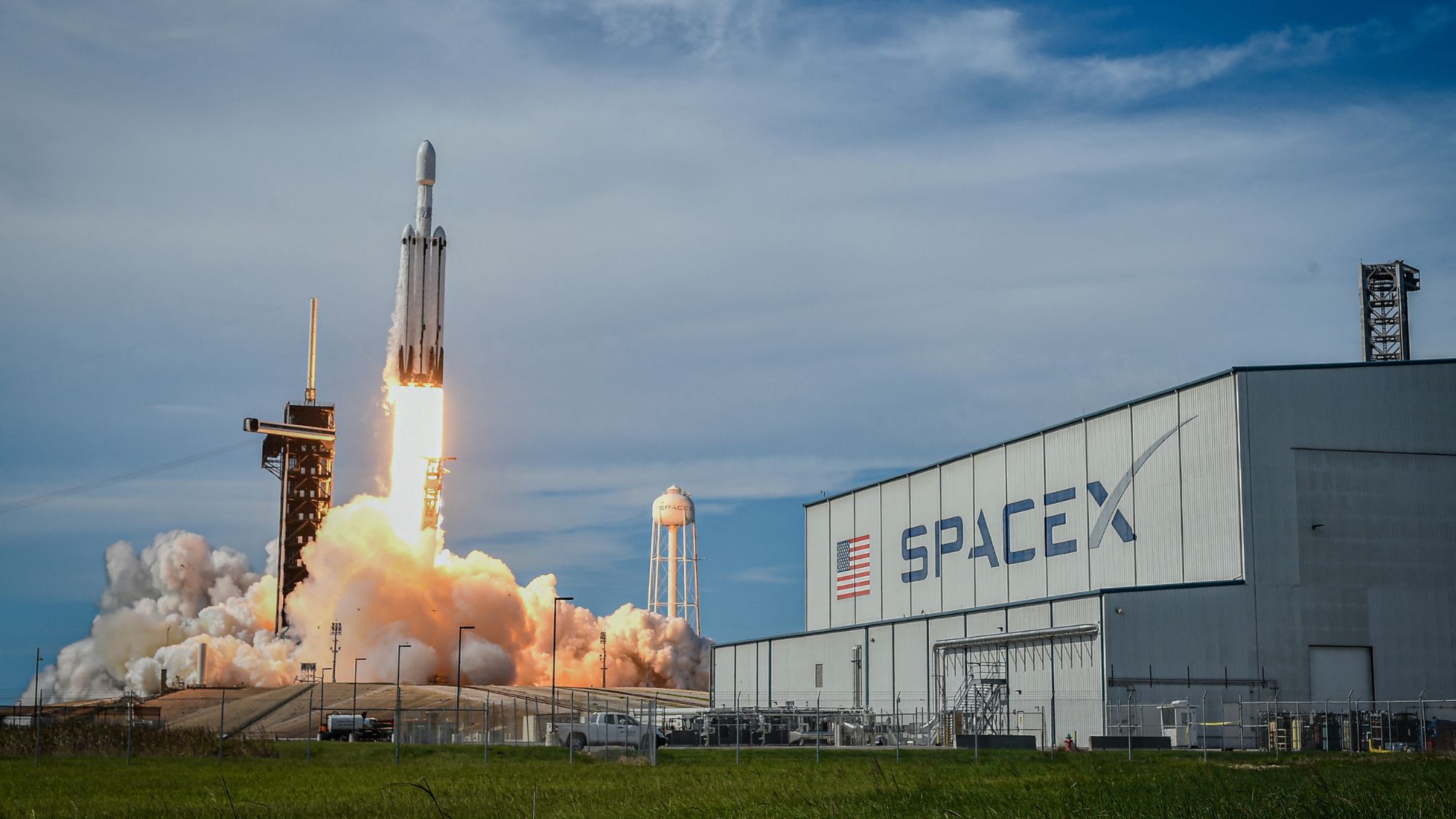
    Space exploration and artificial intelligence company SpaceX has raised $75 billion (£56 billion) ahead of its long-awaited stock market debut, a move expected to give it an initial valuation of almost $1.8 trillion (£1.3 trillion).

    The company sold shares at $135 each, matching forecasts and setting the stage for what could become the largest public listing in history. Trading is due to begin on the Nasdaq exchange today.

    If investors are willing to buy shares at or above the offering price, SpaceX will immediately rank among the world’s most valuable listed companies.

    Who said what
    Investor enthusiasm appears strong, with several analysts predicting that the shares could climb higher once trading begins. Brokerage firm Oppenheimer has set a target price of $190 a share. Yet “Elon Musk’s history of overpromising” has some investors increasingly worried that SpaceX “may burn them”, said Ryan Mac and Mike Isaac in The New York Times.

    What next?
    Despite becoming a publicly traded company, chief executive Elon Musk will retain overwhelming control through a special share structure that gives him more than 84% of voting power. If the float goes to plan it will make Musk the world’s first trillionaire.


    Today’s property story

    Climate change causing mass subsidence

    What happened
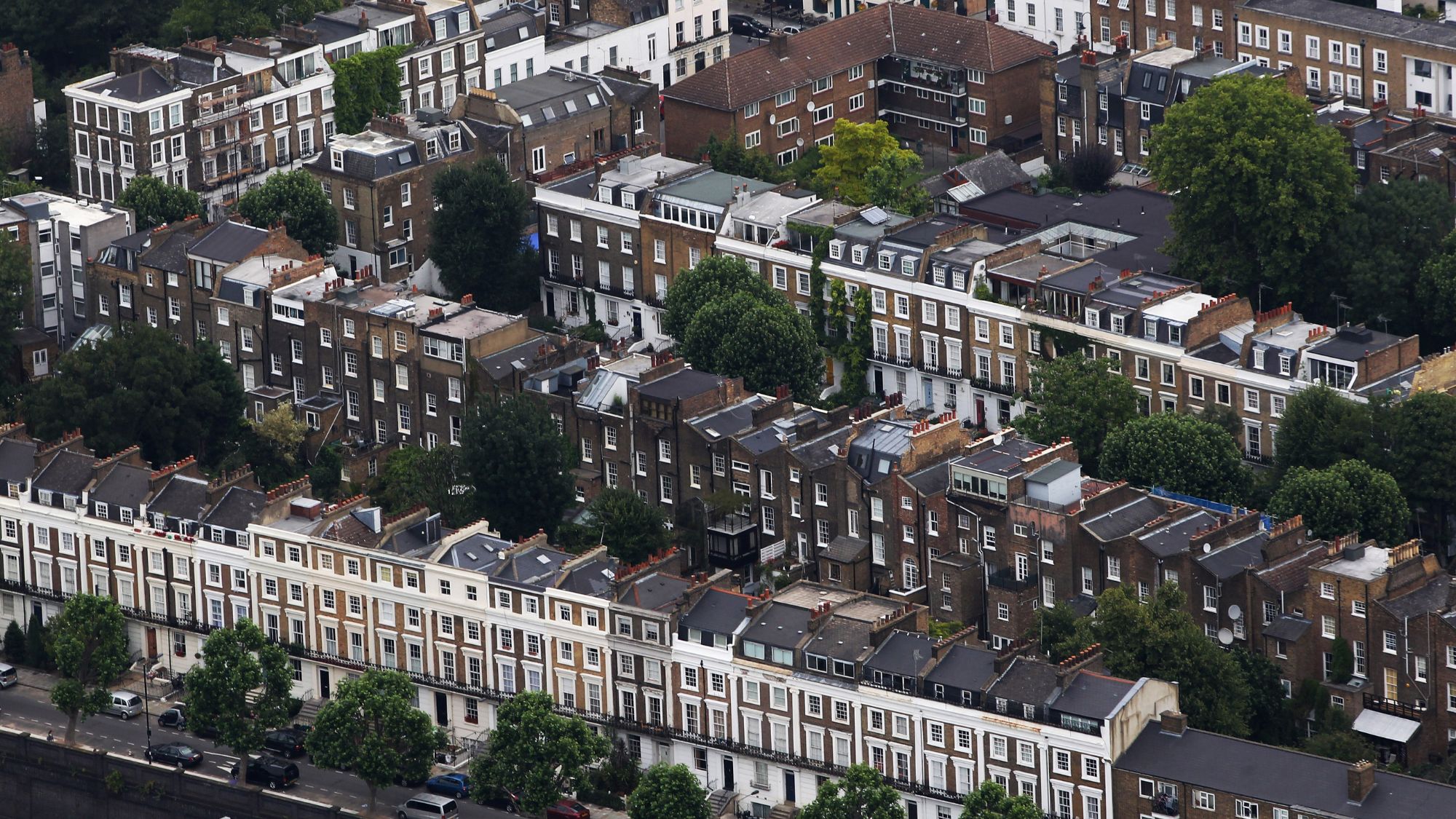
    Global warming is putting millions of homes at risk of subsidence-related shrink-swell, a new analysis has found. Hotter, drier summers can shrink the ground under buildings and drag down foundations, causing cracks and sloping floors, and substantially reducing a property’s value. The most vulnerable areas include highly populated parts of north London, as well as Essex, Kent and large swathes of the east coast, according to scientists at the British Geological Survey (BGS).

    Who said what
    By combining potential volume change with projected rainfall and temperatures, we have been able to identify the places “most likely to become susceptible to shrink-swell subsidence”, said BGS scientist Anna Harrison. “Most are in the London area and that’s also where you’re going to see bigger changes in rainfall and temperature. It’s a double whammy.”

    Last spring was the UK’s warmest on record and “the driest in more than 50 years”, said The Guardian. In just the first six months of last year there were £153 million worth of subsidence-related insurance claims.

    What next?
    The number of properties likely to be affected in London will exceed 26% by 2070.


    It’s not all bad

    Mexico has kicked off the 2026 World Cup in style, defeating South Africa in the tournament’s opening match after a colourful opening ceremony at Mexico City’s iconic Estadio Azteca. More than 80,000 fans packed the stadium for performances by Shakira, J Balvin and other international stars, while dancers celebrated Mexico’s culture and heritage. Despite a challenging build-up that included protests and security concerns, football took centre stage as supporters saw the host nation begin its Cup campaign with a memorable 2-0 victory.


    under the radar

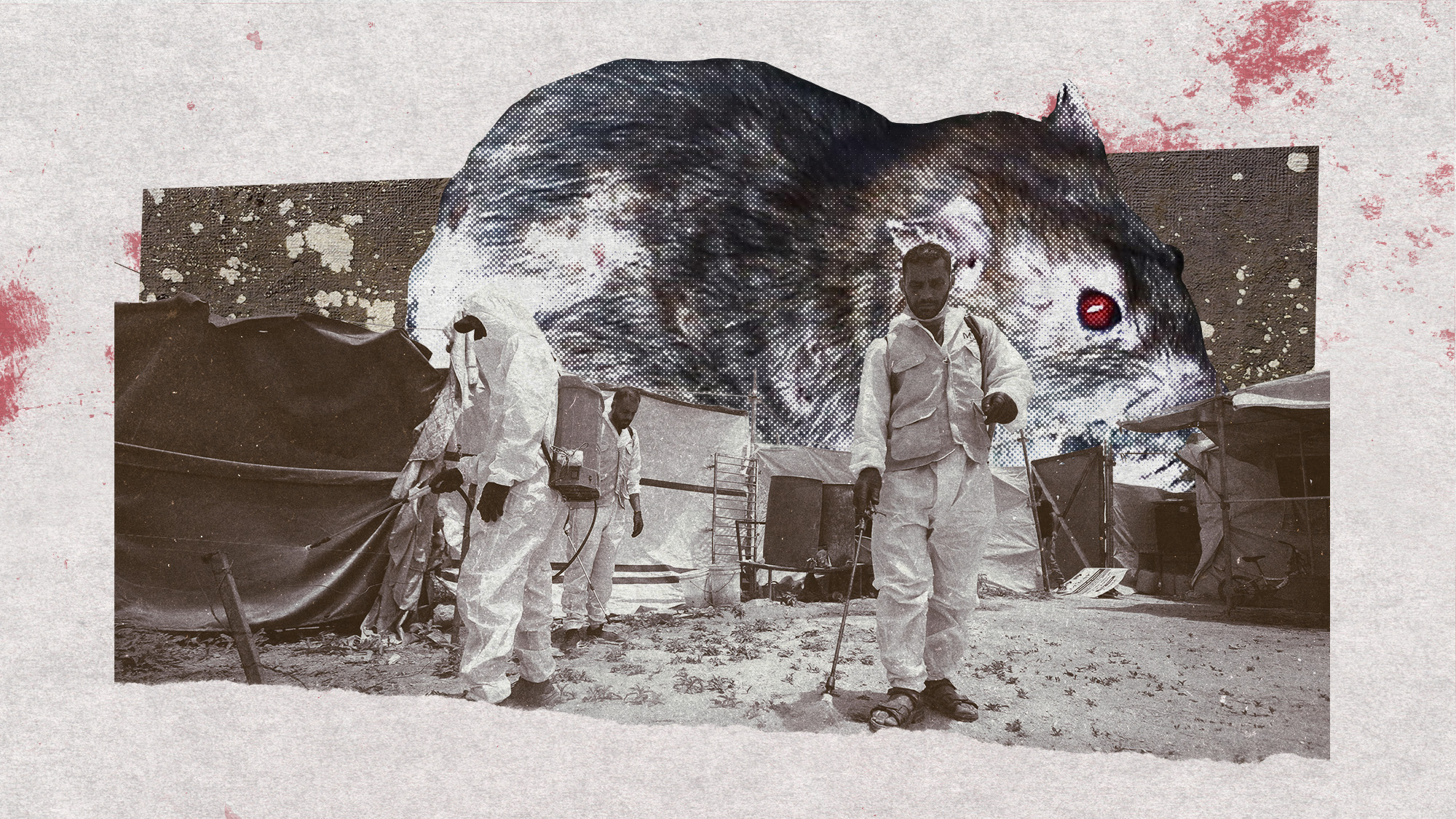
    The ‘plague’ of rats ‘terrorising’ Gaza

    For the people of Gaza, “fear is no longer linked only to what falls from the sky”, but also to “what crawls from below”, according to Prospect.

    Rats and other rodents have “taken over everything in a frenzy” and, with summer approaching, their numbers are expected to soar even higher.

    A “plague” of rodents is “terrorising” the area, said the Financial Times, as rats and weasels “chew their way into tents, biting children and contaminating food”. A Unicef spokesperson who visited Gaza this month said rodents were becoming “a huge, huge problem because of accumulated rubble everywhere”.

    The threat they pose is more than psychological. Rats transmit diseases through urine and waste, causing fever and other serious issues. Diabetic patients are particularly vulnerable to rodent bites as they may not feel it happening and serious complications can occur.

    More than 72,000 Palestinians have been killed in Israel’s war in Gaza, and rats began “eating human bodies under the rubble”, Samah al-Dabla, who was displaced from Beit Lahiya in northern Gaza, told Al Jazeera.

    Rats are now appearing in the tents where many Gazans live. Al-Dabla has tried to buy rat poison, but the prices are too high and she already struggles to afford enough food for her family. And any food that she does manage to obtain tends only to attract more rats.

    Cogat, the Israeli Ministry of Defense body that monitors aid access to Gaza, said “nearly 170 tons of pesticides and thousands of traps for rats, mosquitoes and other pests have been brought into the Gaza Strip in recent weeks”.


    on this day

    12 June 2018

    Kim Jong-Un and Donald Trump met in Singapore, the first time a North Korean leader and a sitting US president had ever come face to face. Last week analysts in South Korea suggested that a third Trump-Kim summit could take place as soon as this year.


    Today’s newspapers

    ‘Starmer’s endgame’

    “Endgame nears for Starmer”, says The Independent. “Healey torpedoes Starmer”, says The Telegraph. Healey’s “shock resignation leaves Starmer on the brink”, says The Guardian. “Cash row costs PM his defence ministers”, says The Times. “God help us!” says the Daily Mail. “Thanks but no tanks”, says The Sun. Meanwhile, the Daily Star reports on Mexico beating South Africa in the opening match of the World Cup. “Joy of Mex” is their headline.

    See the newspaper front pages


    tall tale

    Evacuee evacuated

    A Second World War child evacuee has disappeared from a railway museum – although luckily it was only a mannequin. The doll, known as Annie, usually sits with her mother on one of the Blue Anchor station platforms, but went missing during a West Somerset Railway gala. She is thought to have been taken by a “group of lads” on a stag do. She was later found alone in a carriage at Minehead station with a can of cider in her hand. “Given her inebriated state, they put her in a wheelchair and delivered her back on the next train,” said Robin Whichard, the Blue Anchor station master.


    Morning Report was written and edited by Arion McNicoll, Jamie Timson, Harriet Marsden, Ross Couzens and Chas Newkey-Burden, with illustrations by Julia Wytrazek.

    Image credits, from top: Stefan Rousseau / Pool / AFP / Getty Images; Miguel J. Rodriguez Carrillo / AFP / Getty Images; Tom Shaw / Getty Images; Illustration by Julia Wytrazek / Getty Images.

    Morning Report and Evening Review were named Newsletter of the Year at the Publisher Newsletter Awards 2025
     

    Recent editions

    • Morning Report

      Iran and US veer toward war as talks stall

    • Evening Review

      Masculinity in the Texas Senate race

    • Morning Report

      Platner primary win sets up key Senate showdown

    VIEW ALL
    TheWeek
    • About Us
    • Contact Future's experts
    • Terms and Conditions
    • Privacy Policy
    • Cookie Policy
    • Advertise With Us
    • FAQ
    Add as a preferred source on Google Add as a preferred source on Google

    The Week is part of Future US Inc, an international media group and leading digital publisher. Visit our corporate site.

    © Future US, Inc. Full 7th Floor, 130 West 42nd Street, New York, NY 10036.