A needle-free universal vaccine may soon be on the horizon. Scientists have successfully run the first trial, which showed the vaccine can safely elicit an immune response to several viruses. But more research is needed before it’s approved for widespread use, so larger trials are now planned.
How was the vaccine developed?
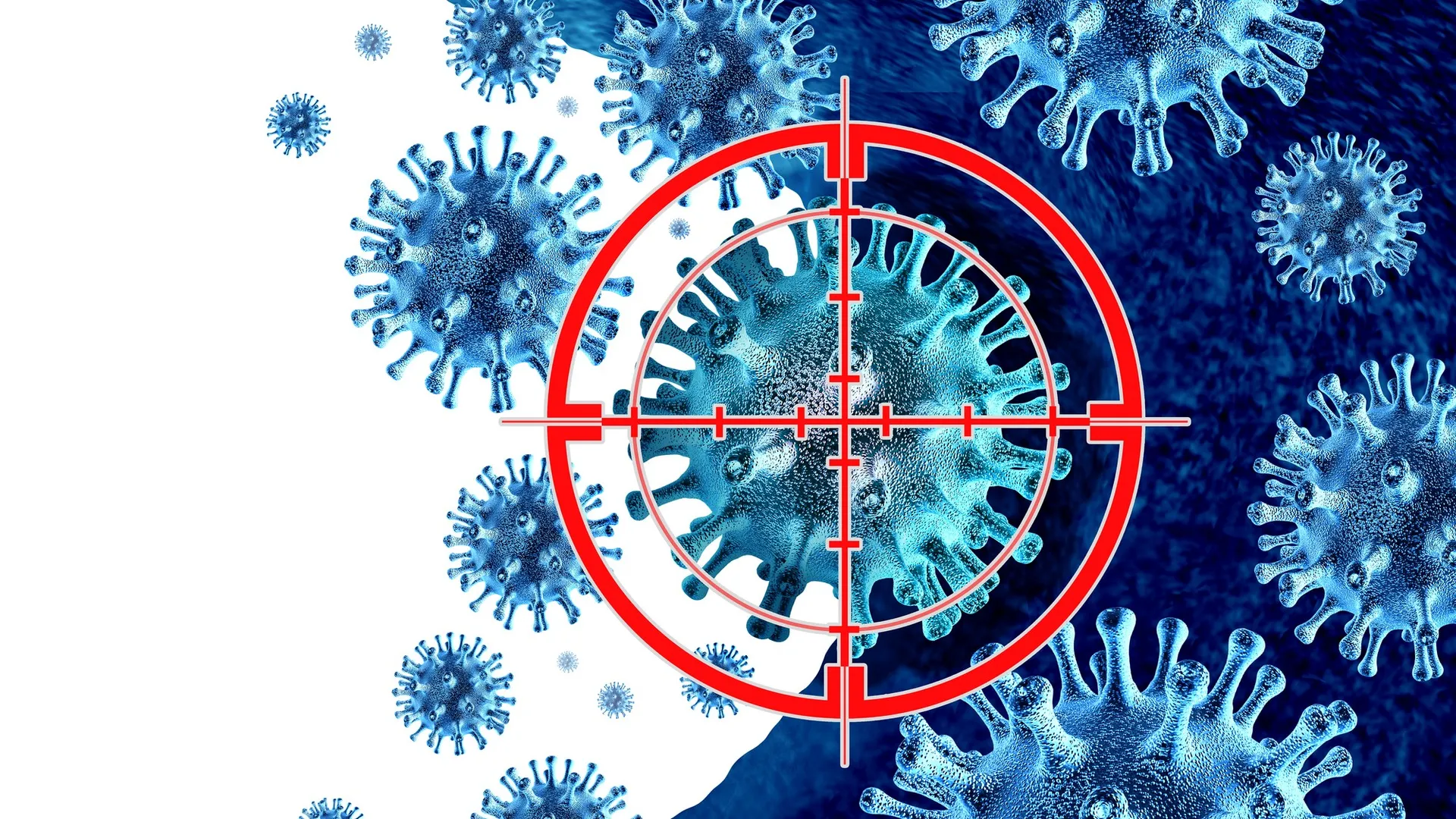
This is the first human-tested inoculation in which the active component was designed by computer simulations, according to a study published in the Journal of Infection. The vaccine has an AI-created “super-antigen,” a “protein that mimics shared features across multiple coronaviruses, rather than targeting a single specific strain, which can trigger the body’s immune system to fight a broad array of pathogens,” said Euronews.
“Viruses like influenza, coronaviruses and the Ebola group are evolving continuously, and by the time vaccines are rolled out, they may be poorly matched,” said the study’s chief investigator, Saul Faust, in a news release. But this new universal vaccine is “future-proofed,” as it not only protects “against many variants simultaneously” but also “potentially against related viruses that haven’t yet emerged.”
The vaccine is needle-free, administered through a microfluidic jet that “uses a high-pressure, hair-thin stream of liquid to push vaccine blueprints directly into skin cells,” said Sky News. Without needles, it has greater “global applicability,” said Euronews. And it doesn’t have to be kept as cold as traditional vaccines, making it “well-suited for use in low- and middle-income countries.”
Is it effective on humans?
The vaccine has already shown promise in humans. In the first clinical trial, it was “well tolerated at all four doses with no significant safety concerns elicited,” said the study. It also “triggered immune responses in the volunteers not only to SARS-CoV-2 and SARS” but also to “related bat viruses that could potentially jump from animals to humans and cause future pandemics,” said the release.
However, the “magnitude of the response was limited and did not increase predictably with higher doses,” though this is likely influenced by prior Covid-19 exposure and vaccination history among participants, said the study. A larger Phase 2 trial will “assess the vaccine’s ability to induce immune responses in a wider and more diverse population,” said the release. |