The Week The Week
flag of US
US
flag of UK
UK
https://cdn.mos.cms.futurecdn.net/flexiimages/jacafc5zvs1692883516.jpg

SUBSCRIBE & SAVE

Less than $3 per week

Sign in
  • View Profile
  • Sign out
  • The Explainer
  • The Week Recommends
  • Newsletters
  • Cartoons
  • From the Magazine
  • The Week Junior
  • Student Offers
  • More
    • Politics
    • World News
    • Business
    • Health
    • Science
    • Food & Drink
    • Travel
    • Culture
    • History
    • Personal Finance
    • Puzzles
    • Photos
    • The Blend
    • All Categories
  • Newsletter sign up Newsletter
  • WeekDay AM: 10 Things you need to know this morning
    Heatwave peaks, England’s bore draw, and the US military presence Down Under

     
    today’s weather story

    UK braces for searing temperatures

    What happened
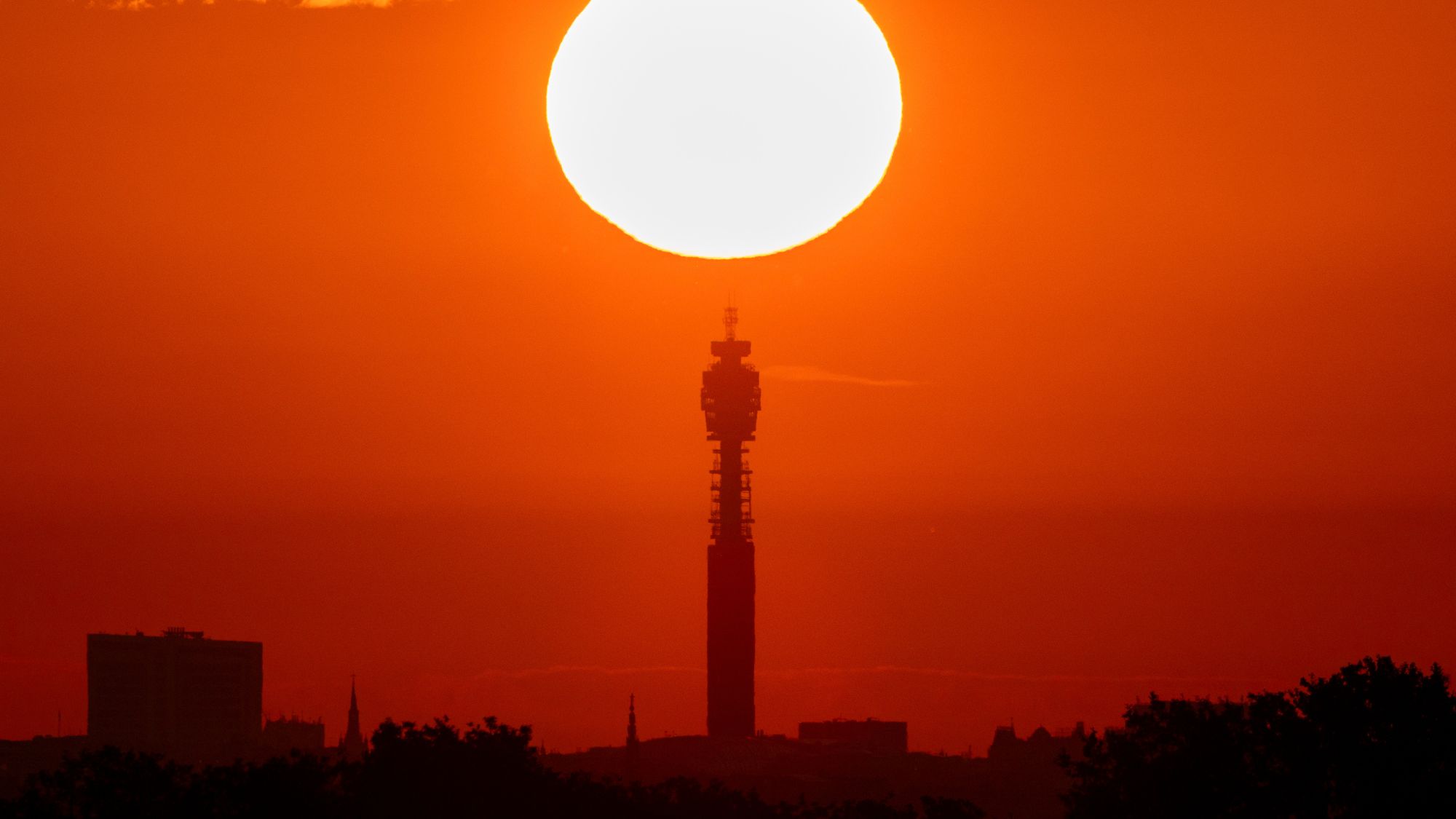
    Britain is facing a day of travel chaos and school closures as temperatures continue to climb, with forecasts suggesting that parts of south-east England could reach 39C this week. Such temperatures would surpass the UK’s existing June record and approach the national high of 40.3C set in 2022.

    The severe conditions have disrupted daily life, with rail operators slowing or cancelling services, hospitals postponing some appointments and hundreds of schools in southern England and Wales shortening hours or closing altogether. Water suppliers have also introduced restrictions, including a hosepipe ban in parts of south-east England.

    The Met Office has issued a rare red weather warning for today and tomorrow, alongside a red heat health alert for England.

    Who said what
    Speaking at London Climate Action Week, UN Secretary-General António Guterres said the city was “cooking”. The scorching temperatures in London even led to the cancellation of a climate event on the topic of extreme heat.

    Temperatures of 40C in June “must be wake-up call on climate crisis”, said Nick Ferris in The Independent. “Scientists are warning that politicians are failing to appreciate the magnitude of the climate crisis.”

    What next?
    Forecasters expect the hottest conditions to be felt today and tomorrow, with authorities warning that transport disruptions, pressure on health services and risks to vulnerable people could intensify. Climate experts have also warned that prolonged heatwaves exceeding 40C could become increasingly common in the coming decades.


    today’s sport story

    England come crashing back to Earth with Ghana draw

    What happened
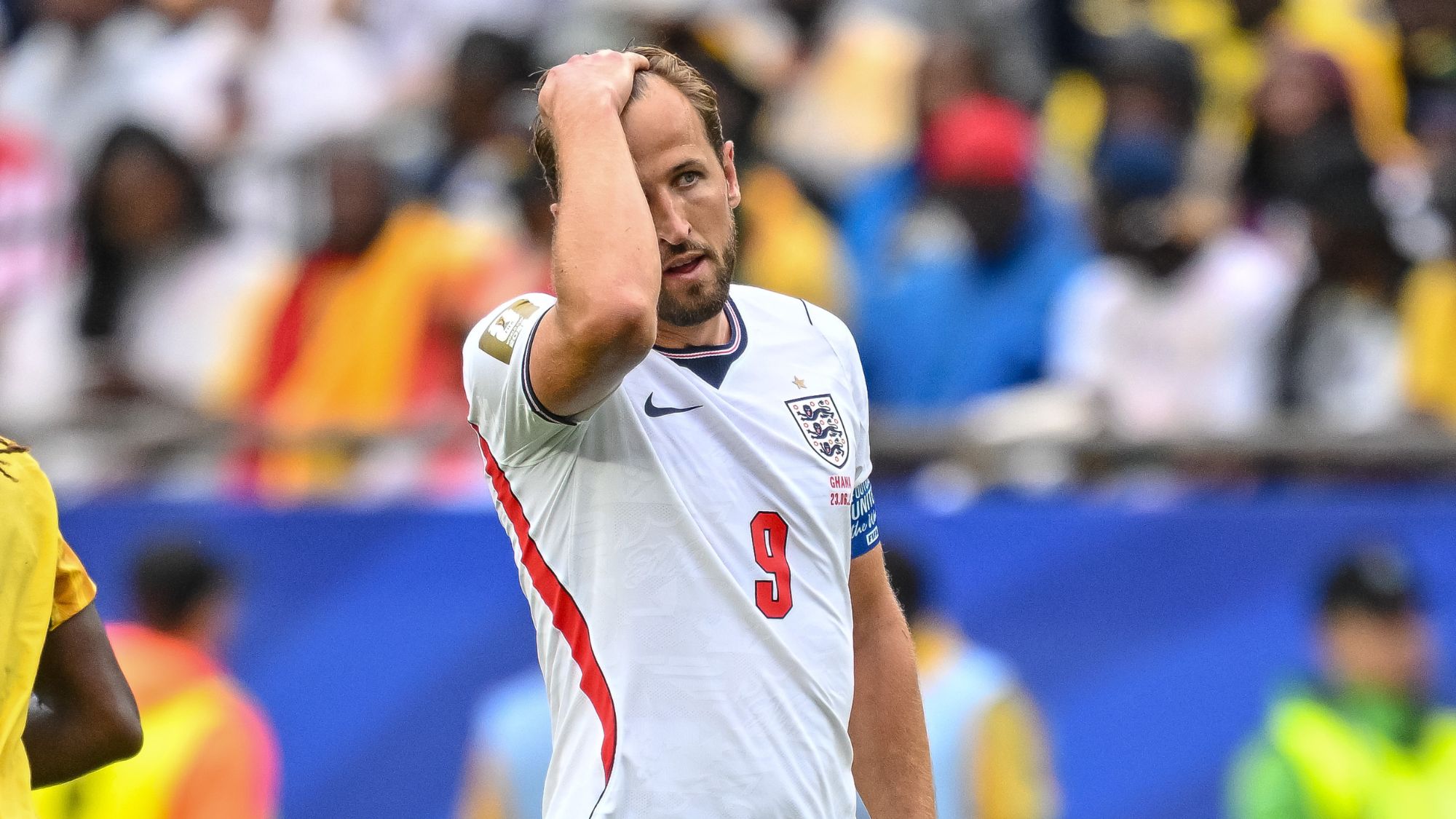
    England were held to a goalless stalemate by Ghana in their second World Cup group match, missing the opportunity to secure early qualification for the knockout stage.

    Despite dominating possession and territory, England struggled to create clear-cut chances against a well-organised Ghanaian defence. The best opening came late in the match when substitute Nico O’Reilly headed against the crossbar, with Harry Kane sending the rebound high and wide.

    Who said what
    England assistant coach Anthony Barry described Ghana’s defensive approach as “deep, deep, deep”.

    England have been “brought down to earth” by this “frustrating stalemate”, said Jason Burt in The Telegraph. “No he Kan’t”, said Martin Lipton in The Sun. “Lifeless and listless, limited and lame”, this was “the sort of England tournament performance we’ve witnessed too many times before.”

    What next?
    “Ultimately, these games can happen,” said Jacob Steinberg in The Guardian. “The frustration for England is they still have to win the group and may not be able to rest certain players against Panama on Saturday.”


    Today’s health story

    NHS approves drug that can hold off type 1 diabetes

    What happened
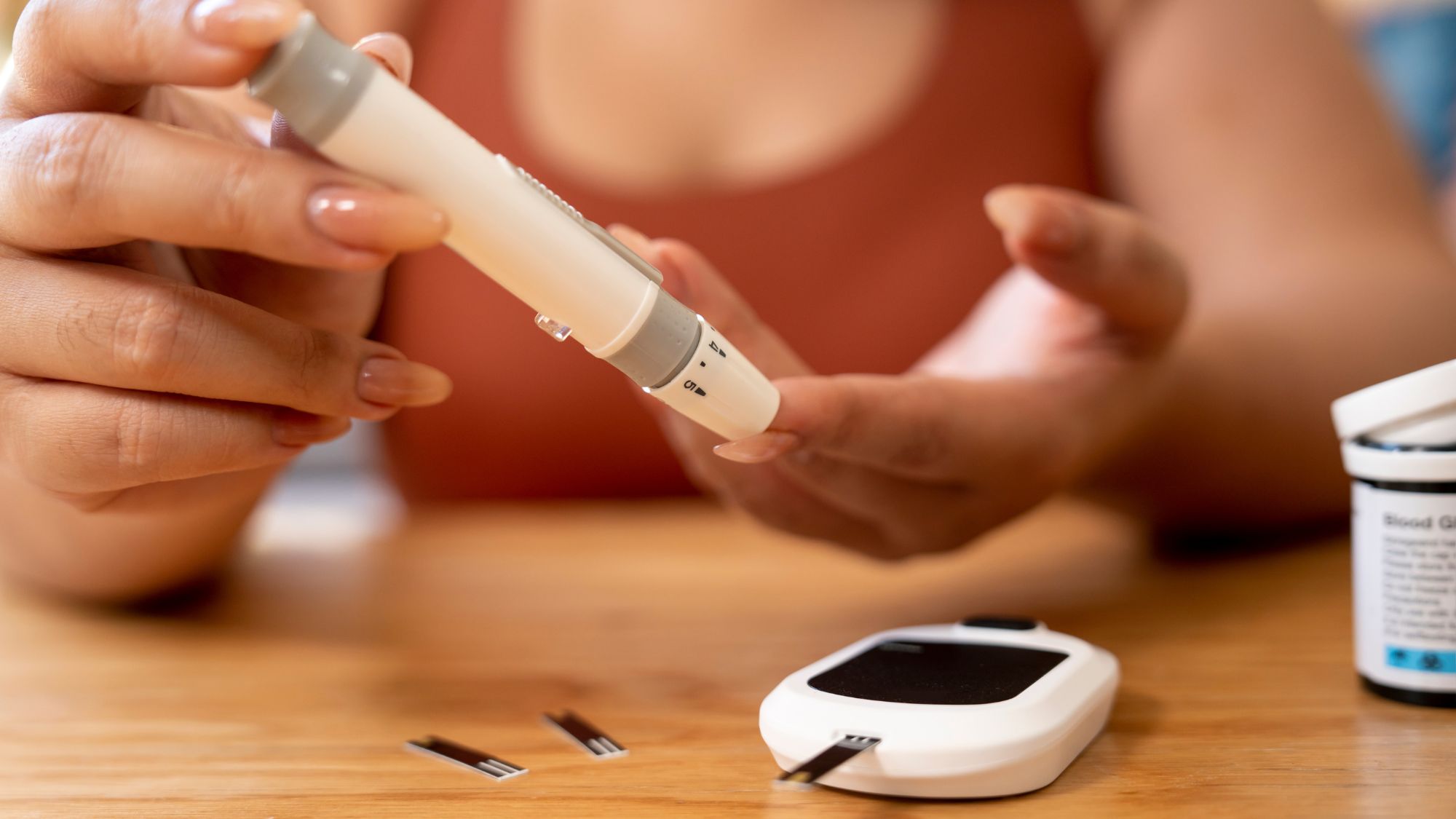
    A new drug, shown to delay the onset of type 1 diabetes by up to three years, has been given the green light by the NHS.

    Teplizumab, which is administered via a drip, is suitable for adults and children, and trains the immune system to stop attacking insulin-producing cells in the pancreas.

    Who said what
    “For the first time in 100 years we are moving beyond insulin,” said Dr Elizabeth Robertson, director of research at Diabetes UK. This “landmark” approval “represents a shift towards a future where type 1 diabetes can be prevented altogether”.

    People diagnosed at an early stage can be given “precious extra time” before they need to manage the condition, said Helen Knight of the National Institute for Health and Care Excellence. The organisation estimates that about 1,100 adults and children could be eligible to receive the drug in its first year of availability.

    What next?
    The focus now is on “ensuring fair and equitable access for everyone who is eligible”, added Robertson.

    The published price of teplizumab works out at about £150,000 per course of treatment, although the NHS has reportedly negotiated a confidential discount with the drugmaker Sanofi.


    It’s not all bad

    Ed Miliband has hailed a £100 billion surge in private investment in the UK’s clean energy sector, saying it will create jobs and drive economic growth. Government figures show that companies have pledged billions for offshore wind, solar power and electricity grid upgrades across the country. The investment, drawn from both UK and overseas firms, is expected to support industries nationwide. Experts say the boom demonstrates that renewable energy can boost growth while reducing reliance on fossil fuels and lowering long-term energy costs.


    under the radar

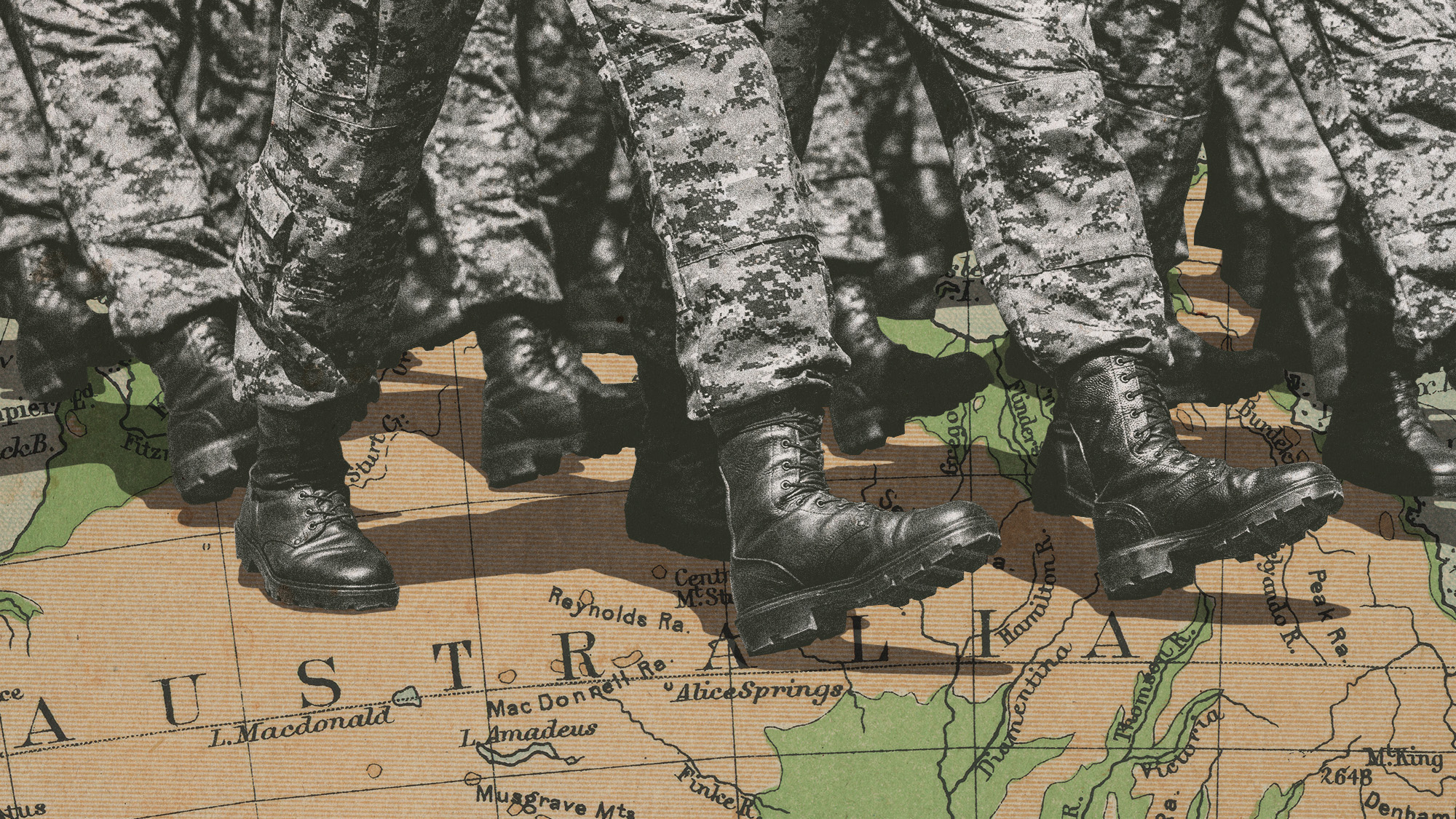
    The growing US military footprint in Australia

    The US military will include Australia in a global pre-positioning programme for weapons, ammunition and vehicles for the first time, according to reports.

    There is a “growing US footprint in Australia”, said Defence Minister Richard Marles, which is “important in terms of building our own military capability”. But critics have asked whether Australia is “acting like America’s 51st state”.

    Although Australia does not permit foreign military bases on its soil, it hosts US Marines on exercises for six months of the year in the northern city of Darwin, and a “rotating force” of US-commanded submarines will arrive in Western Australia next year, according to France 24.

    If the US and China “come to blows over Taiwan”, the naval base in Western Australia “offers a berth” that would bring American nuclear-powered submarines “close to the fight” – and provide a “haven if things go wrong”, said The Wall Street Journal.

    There is “little political appetite” for a “massive increase in Australian defence expenditure”, said Australian National University professor of international security John Blaxland, so “facilitating greater US investment in Australian real estate is widely considered to be the most prudent approach to take”.

    There are “precedents” for close allies withdrawing permission for US access to jointly operated military bases and airspace. Spain, Saudi Arabia and Kuwait have all restricted Washington’s use of such facilities. So Australia “could, if it so chose, do the same”, said international affairs expert Professor James Curran of the University of Sydney in the Australian Financial Review. But is the country “even considering this might be an option in the future?”


    on this day

    24 June 1440

    Eton College was founded by King Henry VI. Kensington Palace recently confirmed that Prince George, aged 12 and second in line to the throne, will attend the school from September, following in the footsteps of his father, the Prince of Wales, and his uncle, the Duke of Sussex. The boarding school’s fees are about £63,000 a year.


    Today’s newspapers

    ‘Killer heat’

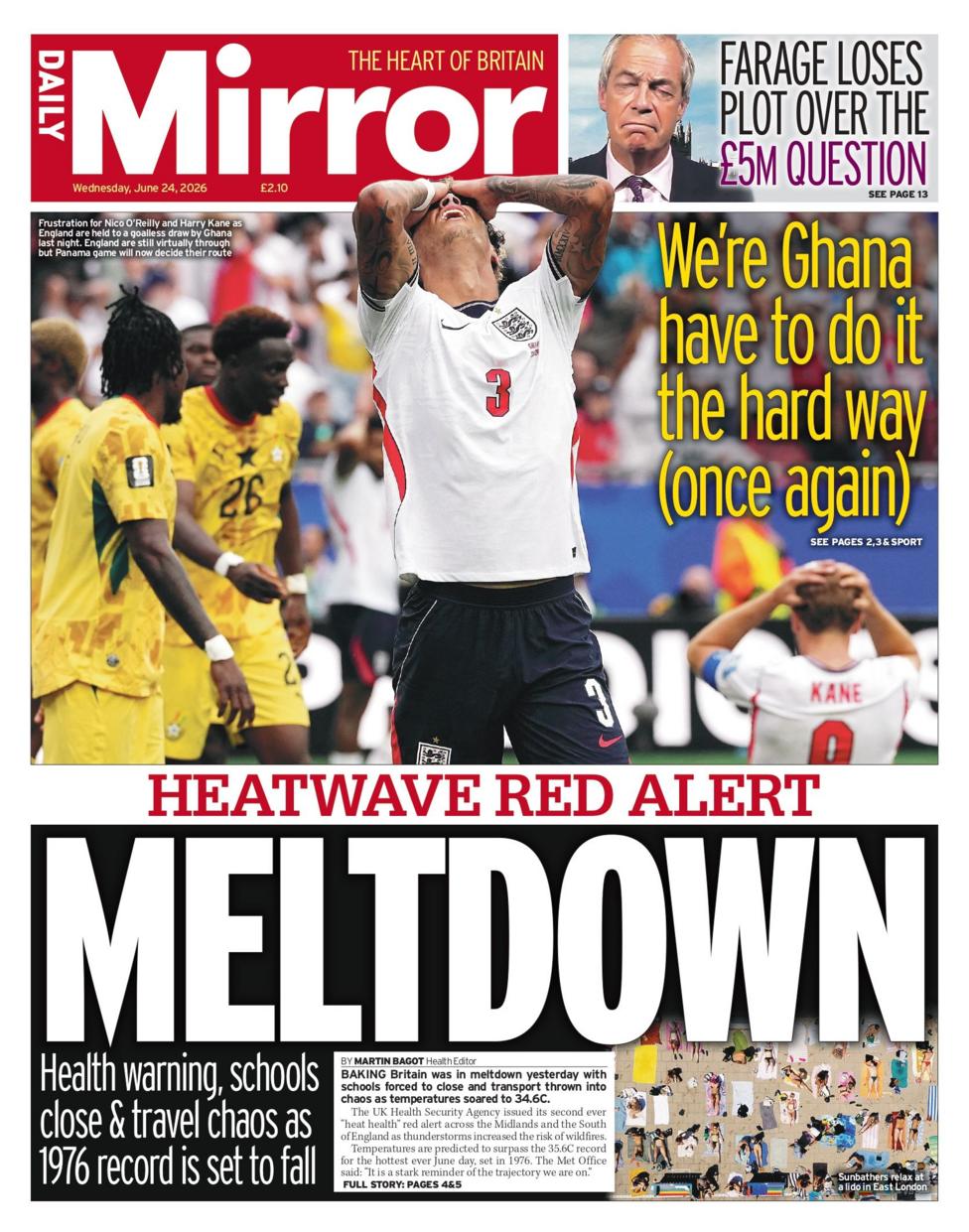
    “Meltdown”, says The Mirror. There are “killer heat warnings”, says Metro. “Schools, rails and hospitals suffer as heat engulfs UK”, says The Guardian. “Britain set to break 50-year heat record”, says The i Paper. “Starmer risks clash with Burnham over defence investment blueprint”, says the Financial Times. “Opium of the masses is a miraculous painkiller”, The Times reports, looking at a study which suggests that attending church can help people deal with pain.

    See the newspaper front pages


    tall tale

    Plucky mascot

    A pet duck who’s become Mexico’s unofficial World Cup mascot has met the country’s president Claudia Sheinbaum. Two-year-old Merlin was “unfazed by the high-profile” press conference and “punctuated the event with a few characteristic quacks”, said The Independent. Sporting shoes gifted to him by a fan to protect his little webbed feet, he was first spotted among crowds celebrating Mexico’s 2-0 opening-day win against South Africa. He has been a “symbol of the World Cup”, said Sheinbaum, and “of who we are as Mexican families”.


    Morning Report was written and edited by Arion McNicoll, Will Barker, Ross Couzens and Chas Newkey-Burden, with illustrations by Julia Wytrazek.

    Image credits, from top: Brook Mitchell / Getty Images; Harry Langer / DeFodi Images / Getty Images; Seksan Mongkhonkhamsao / Getty Images; Illustration by Julia Wytrazek / Getty Images.

    Morning Report and Evening Review were named Newsletter of the Year at the Publisher Newsletter Awards 2025
     

    Recent editions

    • Morning Report

      A rare bipartisan win on housing

    • Evening Review

      Musk’s wealth spurs backlash

    • Morning Report

      Vance, Iran claim ‘progress’ in talks

    VIEW ALL
    TheWeek
    • About Us
    • Contact Future's experts
    • Terms and Conditions
    • Privacy Policy
    • Cookie Policy
    • Advertise With Us
    • FAQ
    Add as a preferred source on Google Add as a preferred source on Google

    The Week is part of Future US Inc, an international media group and leading digital publisher. Visit our corporate site.

    © Future US, Inc. Full 7th Floor, 130 West 42nd Street, New York, NY 10036.