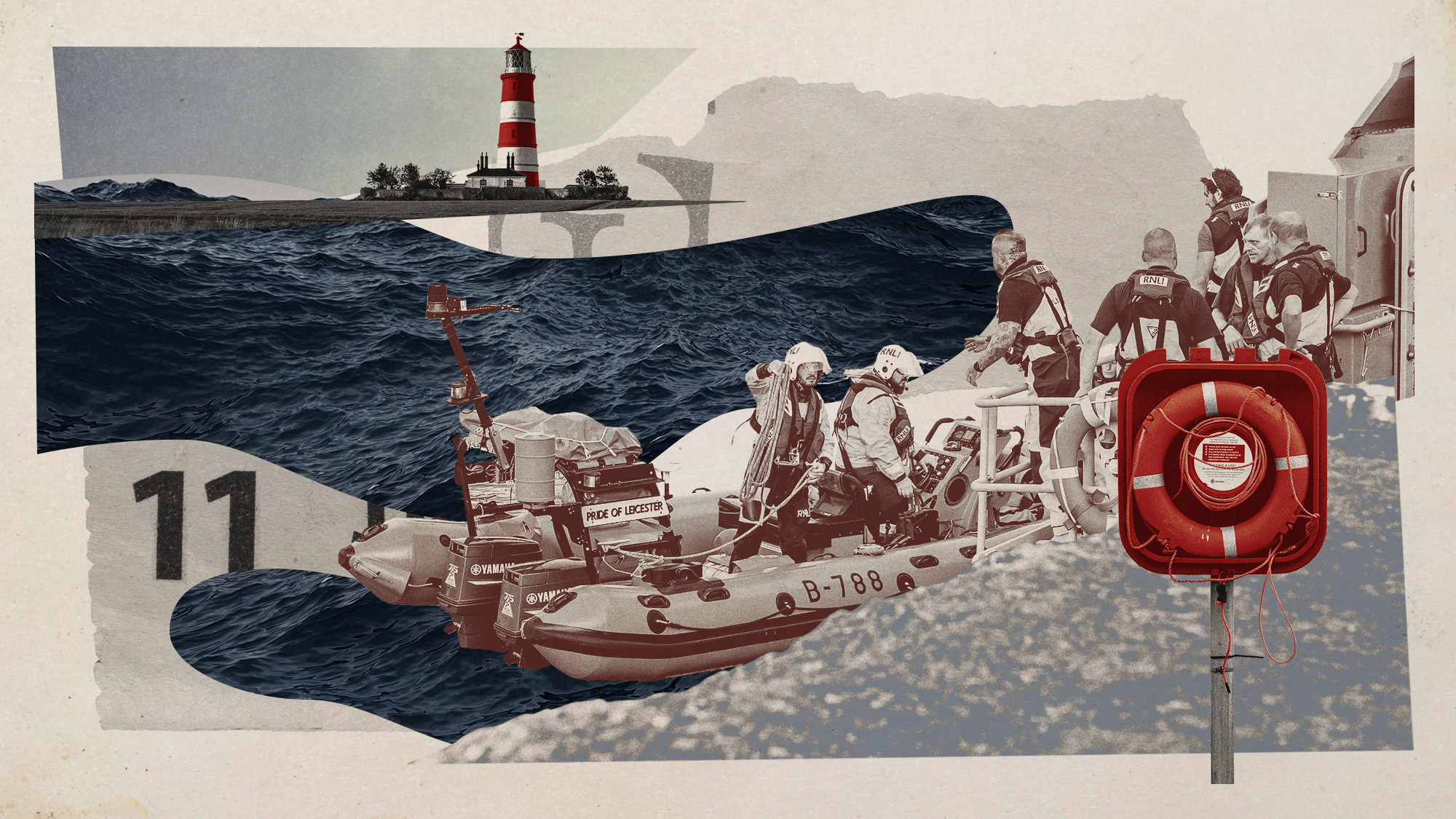
“If we want a strong, resilient Coastguard for the future, we must make sure that those who step forward are supported, not penalised,” said Lynsay Mackay of the GMB Union. And yet the callout payments for the 3,500 highly trained volunteers who operate on Britain’s coasts have been controversially scrapped.
Coastguard rescue officers are fighting to get the payments restored, with the GMB’s help. But, in the meantime, many are thinking of leaving the service. And with temperatures soaring and tourists flocking to beaches, seaside communities fear for the strength of any emergency response.
As volunteers, coastguard rescue officers work for free, but there has been a long-standing agreement that they can claim expenses for callouts and training exercises. These amount to roughly £11 an hour, below the minimum wage. In January a Court of Appeal judge upheld an employment tribunal ruling that they were “workers” and not “volunteers” – because the need for them to attend callouts and training constituted a contract. This means that they are entitled to the minimum wage and other benefits.
That might sound good – and it was a success for former coastguard officer Martin Groom and the GMB union, who brought the case to court. But rather than respect the rescue officers’ worker status, the Maritime and Coastguard Agency announced that it would have to “change how the service operates” and scrap the hourly payments.
In Scotland, 53 MSPs have written to the UK government, calling on ministers to “intervene” to encourage the Maritime and Coastguard Agency “to pause its plans”, said The Scotsman. First Minister John Swinney has also committed to writing to the UK government on the issue. MPs from Cornwall and Norfolk have raised concerns, too. Coastguard rescue officers, aided by the GMB union, are due to hold a meeting with supportive MPs in Westminster next week. |