The Week The Week
flag of US
US
flag of UK
UK
https://cdn.mos.cms.futurecdn.net/flexiimages/jacafc5zvs1692883516.jpg

SUBSCRIBE & SAVE

Less than $3 per week

Sign in
  • View Profile
  • Sign out
  • The Explainer
  • The Week Recommends
  • Newsletters
  • Cartoons
  • From the Magazine
  • The Week Junior
  • Student Offers
  • More
    • Politics
    • World News
    • Business
    • Health
    • Science
    • Food & Drink
    • Travel
    • Culture
    • History
    • Personal Finance
    • Puzzles
    • Photos
    • The Blend
    • All Categories
  • Newsletter sign up Newsletter
  • WeekDay AM: 10 Things you need to know this morning
    Ukraine defence upheaval, controversy over Miliband, and why roads are becoming safer

     
    today’s international story

    Zelenskyy dismisses Ukraine’s army chief

    What happened
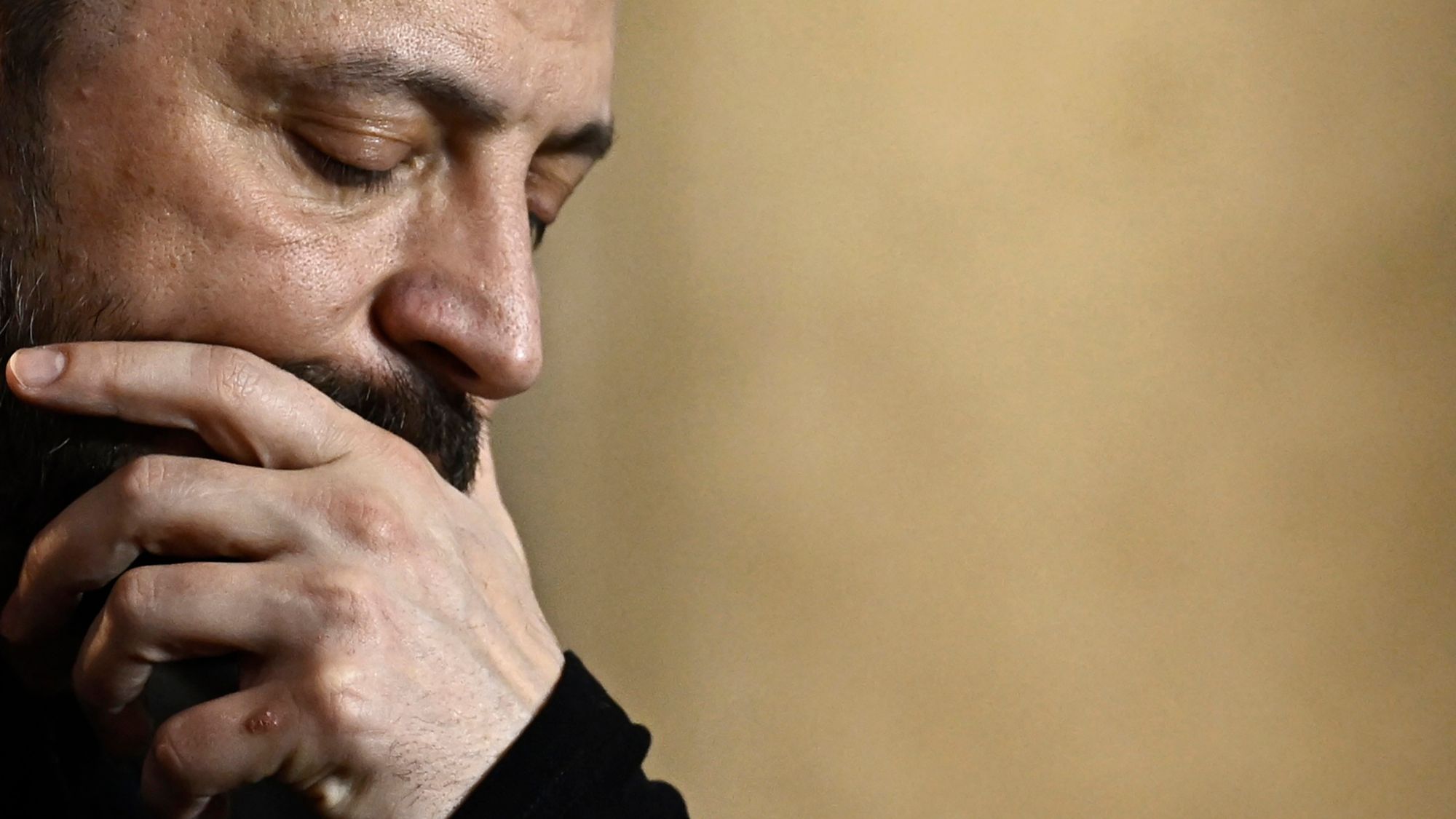
    Ukrainian President Volodymyr Zelenskyy has removed army commander-in-chief Oleksandr Syrskyi – days after replacing Defence Minister Mykhailo Fedorov – in a shake-up that has sparked nationwide protests. The move follows reports of tensions between the two senior figures. Syrskyi will be succeeded by General Mykhailo Drapatyi, a frontline commander regarded as a younger and more reform-minded military leader.

    Who said what
    In a video address, Zelenskyy thanked Syrskyi for his service, highlighting his leadership during the successful defence of Kyiv in the opening stages of Russia’s 2022 invasion. The Ukrainian leader also said he had met with Fedorov and offered him another “worthy position in power”.

    Syrskyi’s removal comes amid “swelling public protests and growing concerns that the national unity that had helped the country survive nearly five years of war was in danger of fracturing”, said Marc Santora in The New York Times. Zelenskyy will be “hoping that his radical reshuffle of the army’s leadership will assuage protesters who have taken to the streets demanding Syrskyi’s removal”, said Luke Harding in The Guardian.

    What next?
    The upheaval coincides with a “conscription crisis”, said Sarah Rainsford on the BBC. The reasons that people have for resisting joining the army “appear to range from plain fear of the front line” to a “reluctance to sign up for a war that has no end in sight”.

    Acting Defence Minister Yevhen Khmara and Drapatyi have been asked to prepare a new strategy focused on military reform, weapons procurement and drone capabilities. Syrskyi has not commented publicly since his dismissal.


    today’s politics story

    White House ‘furious’ about Miliband appointment

    What happened
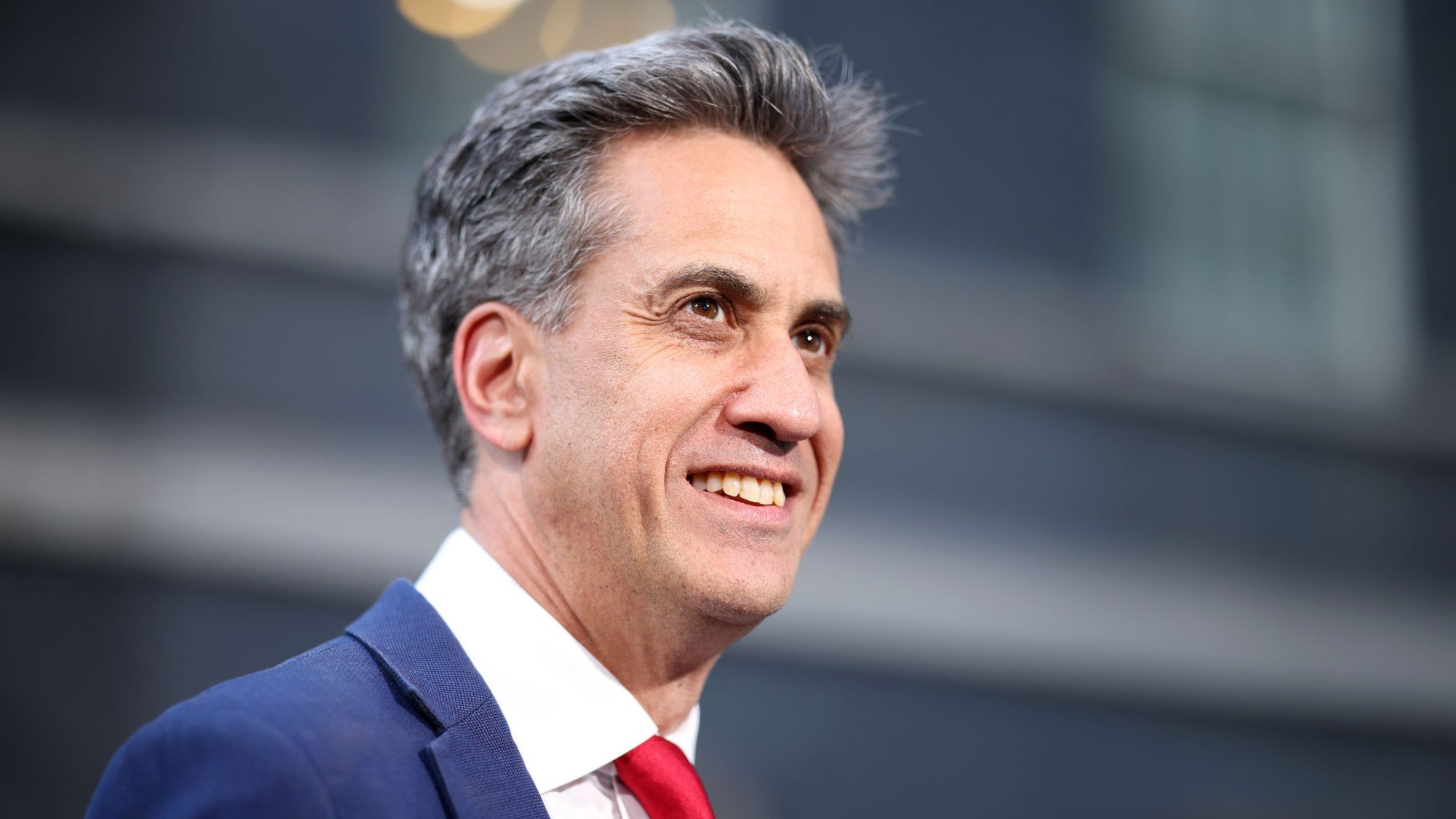
    Donald Trump is reportedly concerned by Andy Burnham’s decision to make Ed Miliband Britain’s new foreign secretary, with allies of the US president pointing to the Labour politician’s long history of criticising him. Miliband has previously condemned Trump over climate policy, democracy and his conduct, while Trump has repeatedly attacked Miliband’s environmental agenda.

    Who said what
    One source close to the US president told The Independent that there was “genuine anger” over the appointment, adding that: “Trump doesn’t forget. He will not forget. Miliband has some serious diplomatic repairs to undertake.”

    Former prime minister Boris Johnson has also criticised the decision, writing on X: “The failure to stand up to Bashar al-Assad – for which Miliband bears much guilt – led directly to Putin’s first invasion of Ukraine. An appalling choice for foreign secretary. The Kremlin will be delighted.”

    What next?
    Assessing what British foreign policy could look like under Burnham, political researcher Nick Whittaker said on The Conversation the former Manchester mayor has “hinted at being less warm towards a full rapprochement with the EU than Starmer”. Before taking office, Burnham also said his party “didn’t get it right” over Gaza, but “he may well follow the status quo of hedging”. And while Trump has hardly welcomed the incoming prime minister, “Burnham’s affability will surely allow for at least a good level of rapport with Trump”.


    Today’s history story

    Letter expected to fetch Titanic price

    What happened
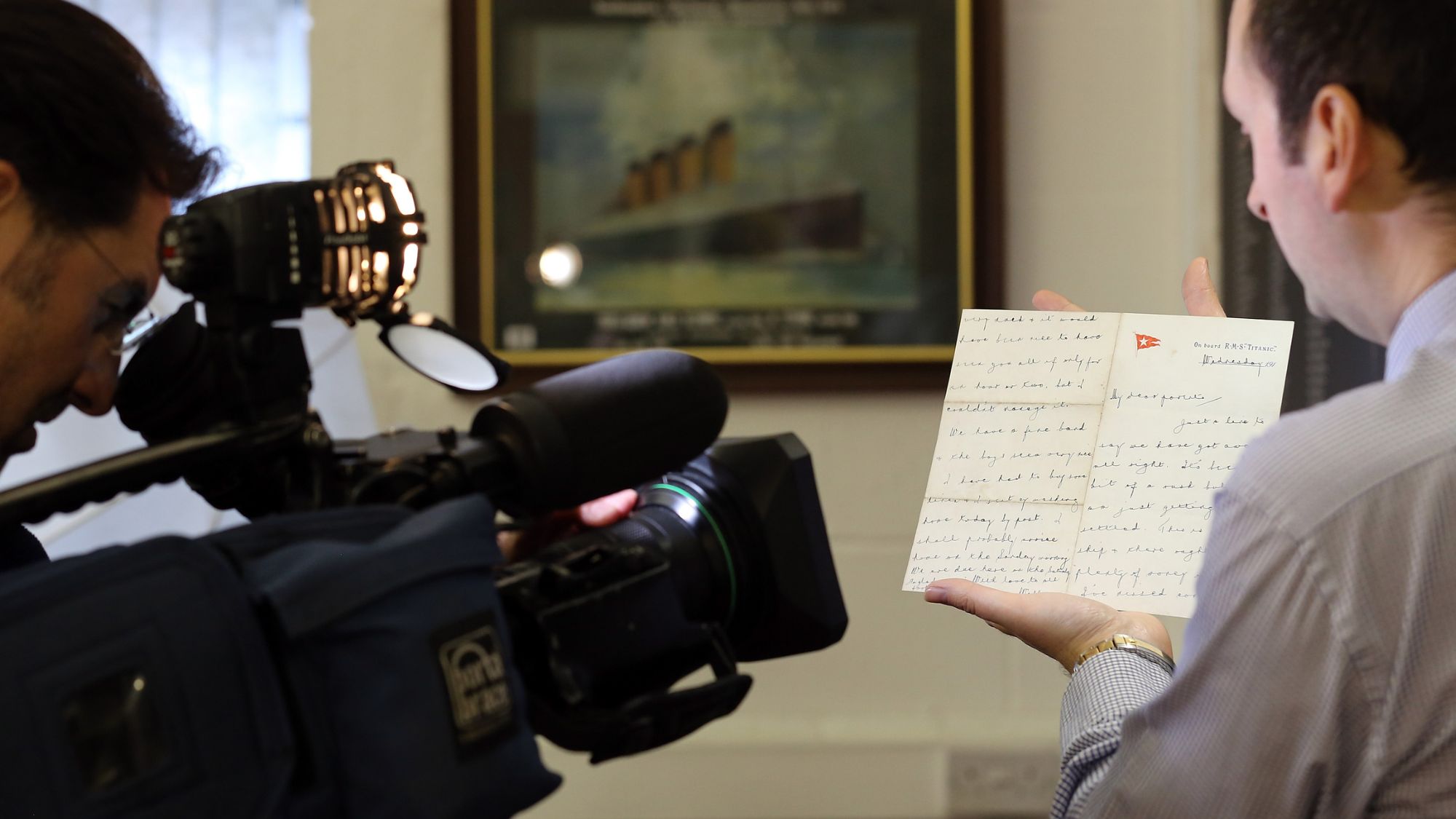
    A letter written by a passenger on the Titanic days before he died in the disaster is expected to sell for up to £35,000 at auction. Henry Price Hodges, travelling in second class from Southampton to visit relatives in Boston, wrote to his friend Hector Young about the good weather and atmosphere on board. The letter, dated 10 April, 1912, is postmarked from Queenstown, Co. Cork: the ship’s final port of call (on April 11) before she sank on 15 April.

    Who said what
    “The weather is very fine,” wrote Hodges in the missive. “On the top deck there are about 200 boys (from 20 upwards) marching round & singing, others are playing dominoes & cards in the saloons, some reading, some writing, everything is quite different to what you would expect to see at sea.”

    Auctioneer Andrew Aldridge (pictured above holding a different letter) said letters written by Titanic’s second-class passengers were among the rarest and “give us a historically priceless snapshot” of life onboard.

    What next?
    The “historic item” will go under the hammer at Henry Aldridge and Son of Devizes in Wiltshire on Sunday, said The Independent.


    It’s not all bad

    Roads are becoming safer worldwide, with injuries and deaths falling by more than 30% since 1990, according to a new study published in the Lancet Public Health journal. Separate figures from the World Health Organization showed that road traffic deaths had dropped 21% since 2011. Experts credit the huge improvement to changes such as better seatbelts, greater helmet use, stricter child restraint laws, lower speed limits and tougher enforcement of drink- and drug-driving laws. While 1.2 million people still die in crashes each year, the long-term downward trend is encouraging.


    under the radar

    Iran war is harming rare wildlife

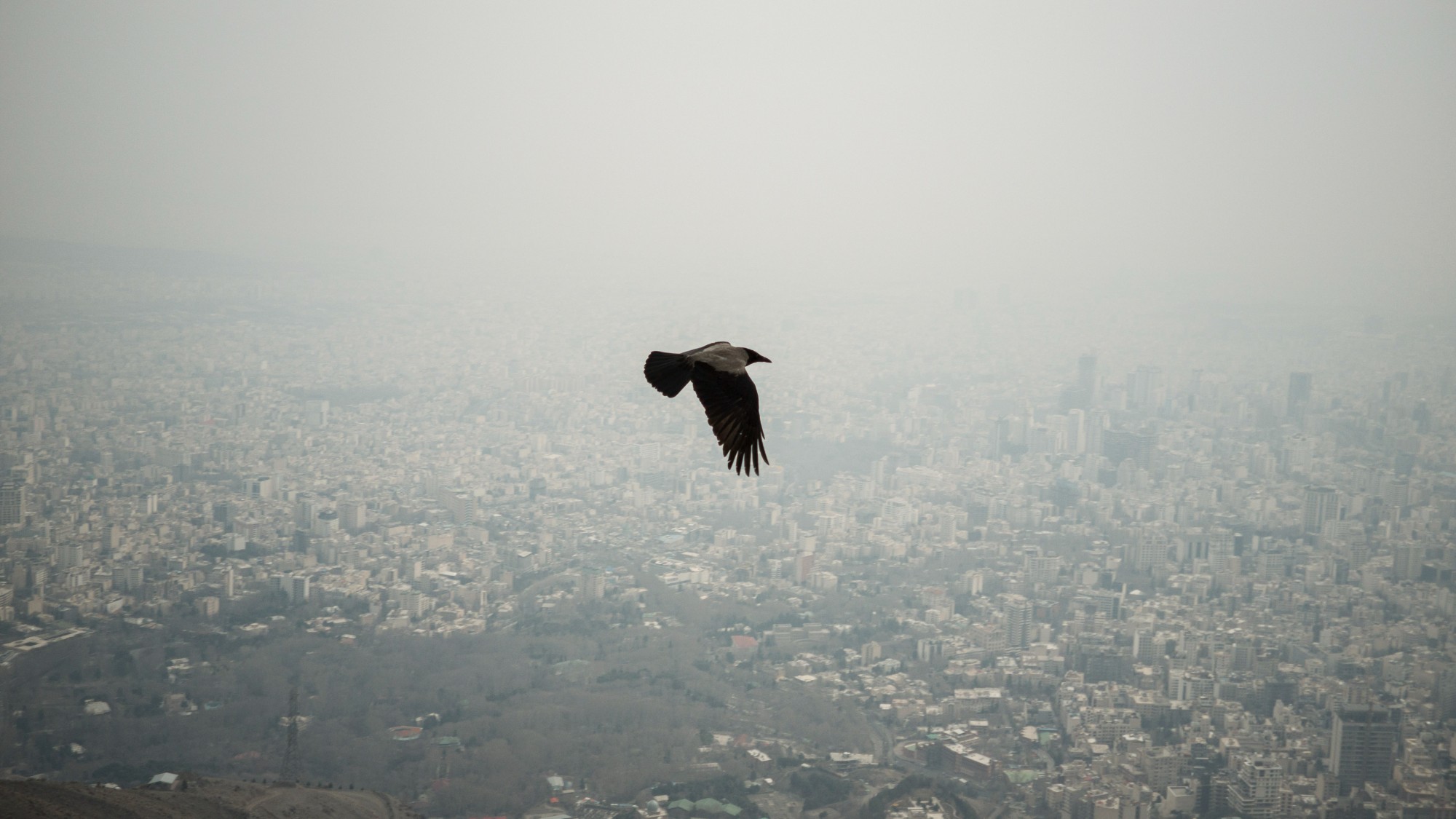
    As the US and Iran continue to trade blows in the Middle East, the consequences of the intense bombings are threatening Iran’s already “fragile biodiversity”, according to The Associated Press.

    Historically, Iran’s had a “deep connection” with its wildlife, being one of the first countries to form an environmental protection agency, although “decades of mismanagement and years-long drought” has placed a strain on conservationist work.

    The onset of war this year has seen US and Israeli strikes on remote military facilities in deserts and mountain ranges cause “habitat degradation”, leading to “water and land pollution, soil contamination” and “destruction of land cover”, US-based Iranian wildlife expert Jamshid Parchizadeh told The Associated Press. And an animal population driven away from its habitat, like mountain-dwelling Persian leopards and brown bears, “forever leaves that area from fear”.

    Land ecosystems are not the only ones at risk. The “highly contested” Strait of Hormuz is home to the “most diverse” coral population in the region, said CNN. Greenpeace researchers have been able to “regularly detect oil slicks” in the water following attacks on tankers passing through the strait.

    While most of the attention has been on the urban and economic consequences of the war, the country’s animal species are “less visible victims”, said Iranian news agency Wana.

    “The war has caused serious environmental degradation in a country reeling from a range of climate-related crises, water stress and air quality issues,” said the non-profit US news organisation Truthout, and Iran’s “fragile” ecosystems now face an uncertain future. When it comes to “post-conflict reconstruction”, environmental rehabilitation “often doesn’t take priority”.


    on this day

    22 July 1969

    Spain’s parliament ratified dictator Francisco Franco’s choice of successor: Juan Carlos, grandson of the last king before the abolition of the monarchy. Juan Carlos reigned as king from Franco’s death in 1975 until 2014, when he was forced to abdicate in favour of his son following multiple scandals, later going into self-imposed exile.


    Today’s newspapers

    ‘Andy’s largesse’

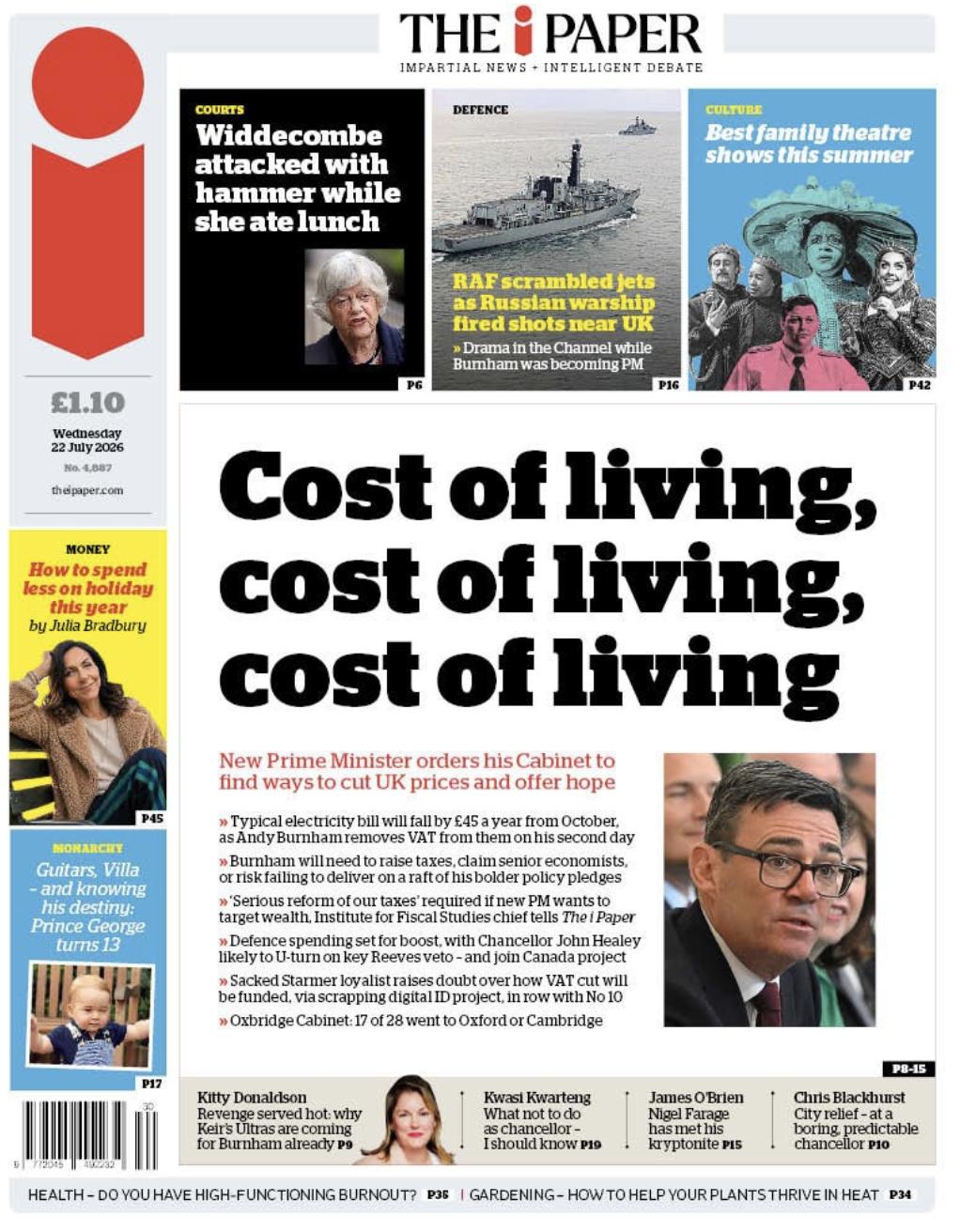
    “Cost of living, cost of living, cost of living”, says The i Paper, reporting on Andy Burnham’s priorities as PM. “Who’s going to pay the bill for Andy’s largesse?” asks the Daily Mail. “Burnham signals cuts to pay for spending pledges”, says The Times. “Trump furious at foreign secretary role for Miliband”, says The Independent. “PC Harper’s killers set for early release”, says The Telegraph, noting that that two people jailed for the death of a policeman in 2019 are set to be released halfway through their sentences under an early-release scheme

    See the newspaper front pages


    tall tale

    Lightsaber comes in handy

    Luke Skywalker’s lightsaber from “The Empire Strikes Back” has sold at auction for $3.75 million (£2.8 million). Used on screen by actor Mark Hamill in his “I am your father” fight scene with Darth Vader in the 1980 film, it comes with Luke’s severed hand prop clutching the handle. The price is the highest ever fetched for a “Star Wars” prop. The item’s buyer and seller have both chosen to remain anonymous.


    Morning Report was written and edited by Arion McNicoll, Harriet Marsden, Elliott Goat, Lea Tran, Ross Couzens and Chas Newkey-Burden.

    Image credits, from top: Julien De Rosa / AFP / Getty Images; Dan Kitwood / Getty Images; Matt Cardy / Getty Images; Morteza Nikoubazl / NurPhoto / Getty Images.

    Morning Report and Evening Review were named Newsletter of the Year at the Publisher Newsletter Awards 2025
     

    Recent editions

    • Morning Report

      Trump hits Canada with new class of tariff

    • Evening Review

      Cancel culture for cancer research?

    • Morning Report

      US deaths mount in renewed Iran war

    VIEW ALL
    TheWeek
    • About Us
    • Contact Future's experts
    • Terms and Conditions
    • Privacy Policy
    • Cookie Policy
    • Advertise With Us
    • FAQ
    Add as a preferred source on Google Add as a preferred source on Google

    The Week is part of Future US Inc, an international media group and leading digital publisher. Visit our corporate site.

    © Future US, Inc. Full 7th Floor, 130 West 42nd Street, New York, NY 10036.