The Week The Week
flag of US
US
flag of UK
UK
https://cdn.mos.cms.futurecdn.net/flexiimages/jacafc5zvs1692883516.jpg

SUBSCRIBE & SAVE

Less than $3 per week

Sign in
  • View Profile
  • Sign out
  • The Explainer
  • The Week Recommends
  • Newsletters
  • Cartoons
  • From the Magazine
  • The Week Junior
  • Student Offers
  • More
    • Politics
    • World News
    • Business
    • Health
    • Science
    • Food & Drink
    • Travel
    • Culture
    • History
    • Personal Finance
    • Puzzles
    • Photos
    • The Blend
    • All Categories
  • Newsletter sign up Newsletter
  • WeekDay AM: 10 Things you need to know this morning
    New US tariffs, pause of prisoner release scheme, and the return of biphasic sleep

     
    today’s international story

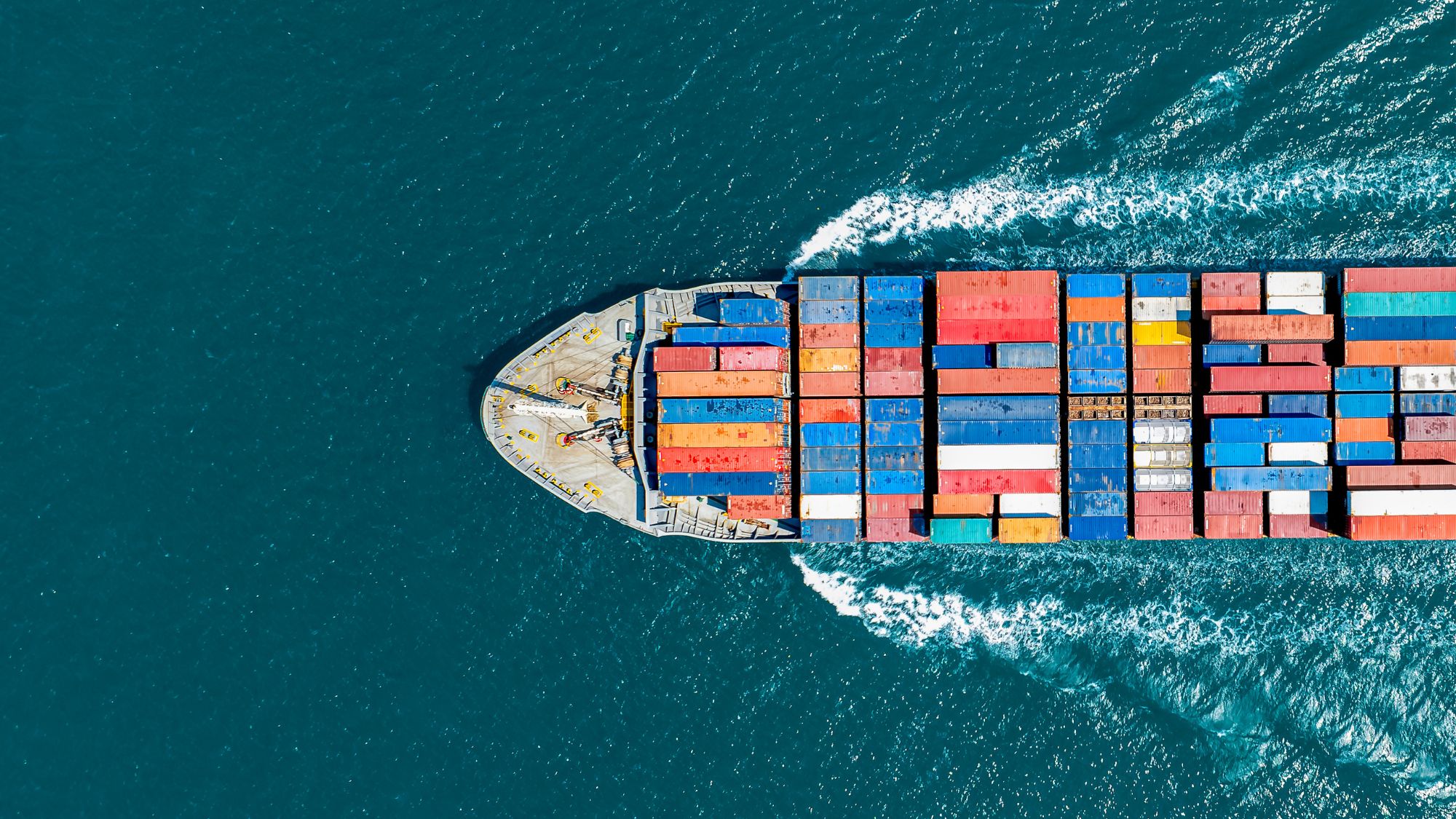
    Trump expands tariffs on imports from scores of allies

    What happened
    The US will introduce new tariffs of between 10% and 12.5% on goods imported from more than 80 countries from today – including the UK – replacing an existing 10% global duty. The White House argues that the measures are aimed at countries that have failed to adequately prevent imports made with forced labour.

    The latest move continues Donald Trump’s push to reshape US trade policy after earlier tariff measures were overturned by the US Supreme Court. Some products, including oil, gas and goods covered by the US-Mexico-Canada trade agreement, will be exempt.

    Who said what
    “We are committed to continuing to use tariffs and to negotiate deals to support the re-industrialisation of our economy, protect American workers and increase their wages, and shrink our trade deficit,” said Trump’s chief trade official Jamieson Greer.

    The Trump administration’s tariff policies have “faced several setbacks” since they were first instituted last year, said Shrai Popat and Gaya Gupta in The Guardian – and US inflation has surged to a three-year high this year. During a heated exchange before US senators on Wednesday, Greer claimed that Trump’s economic policies had not driven prices higher. Asked by Democratic Senator Elizabeth Warren if the tariffs had increased prices for American families, Greer said: “No.”

    What next?
    The tariffs are expected to face fresh legal challenges and risk in-kind retaliation from trading partners. Canadian Prime Minister Mark Carney said “everything is on the table” after he met with his provincial and territorial counterparts yesterday to discuss a response.


    today’s crime story

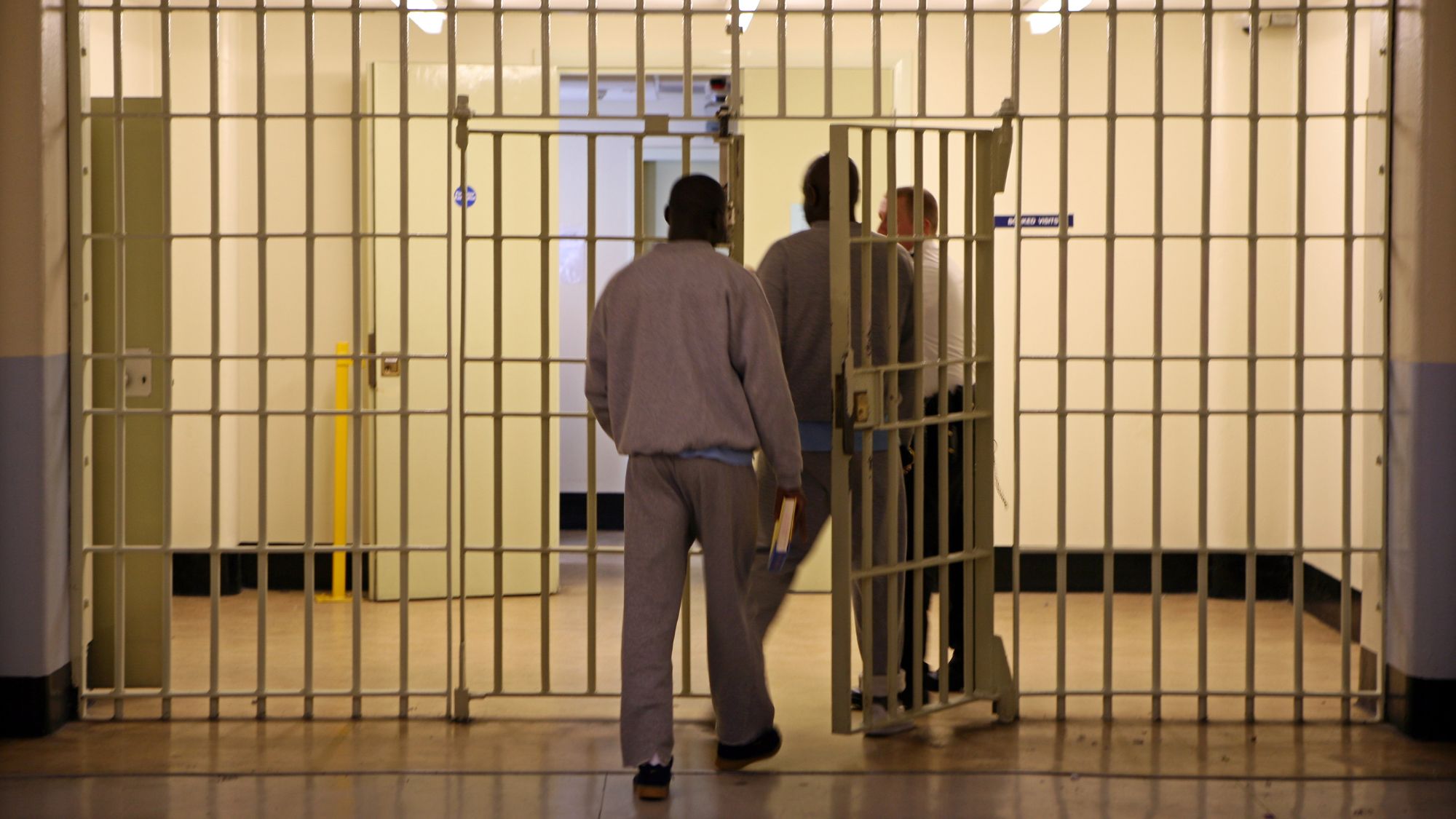
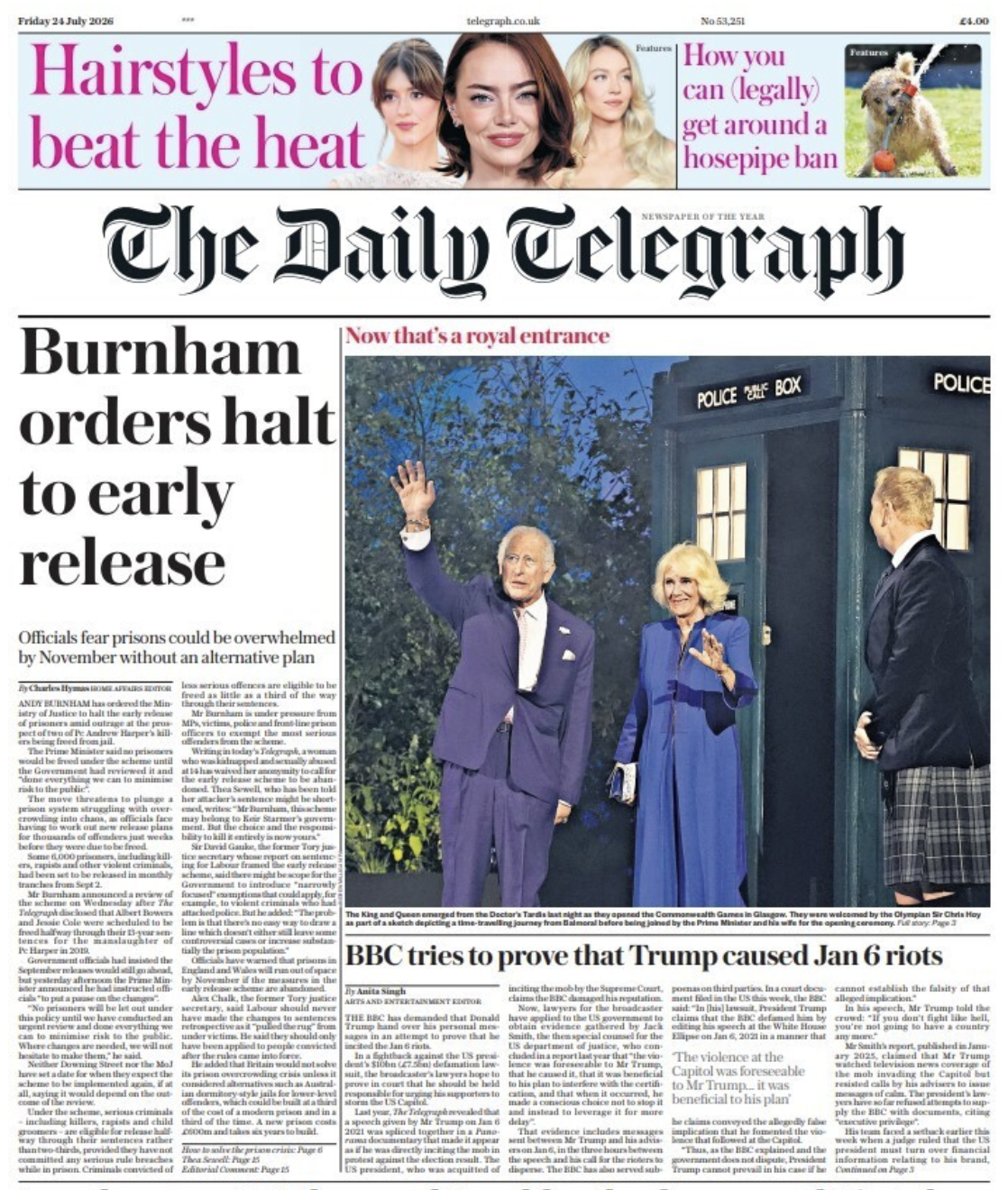
    Burnham pauses prisoner release scheme

    What happened
    Andy Burnham has suspended the planned early release of thousands of prisoners while the government urgently reviews the policy. The decision follows widespread criticism after it emerged that two men convicted of the manslaughter of PC Andrew Harper could be among those eligible for release under the scheme.

    About 6,000 inmates had been due to leave prison in stages from September through measures designed to reduce overcrowding. The pause leaves officials scrambling to reconsider release plans as prisons continue to face severe capacity pressures.

    Who said what
    “No prisoners will be let out under this policy until we have conducted an urgent review and done everything we can to minimise risk to the public,” said the prime minister.

    Prison officers and victims’ groups have welcomed the review, although officials and unions warned that changing course at short notice could create disruption across the entire prison system.

    What next?
    The government has not said when, or if, the scheme will resume. “Could the scheme now be scrapped?” asked Dominic Casciani on the BBC. “That would need a vote in Parliament – and Parliament is on holiday for the summer.” In theory, Burnham could delay its implementation, “but the problem then is that this would mean the prison population would begin to head towards crisis point as cells fill up again”.


    Today’s tourism story

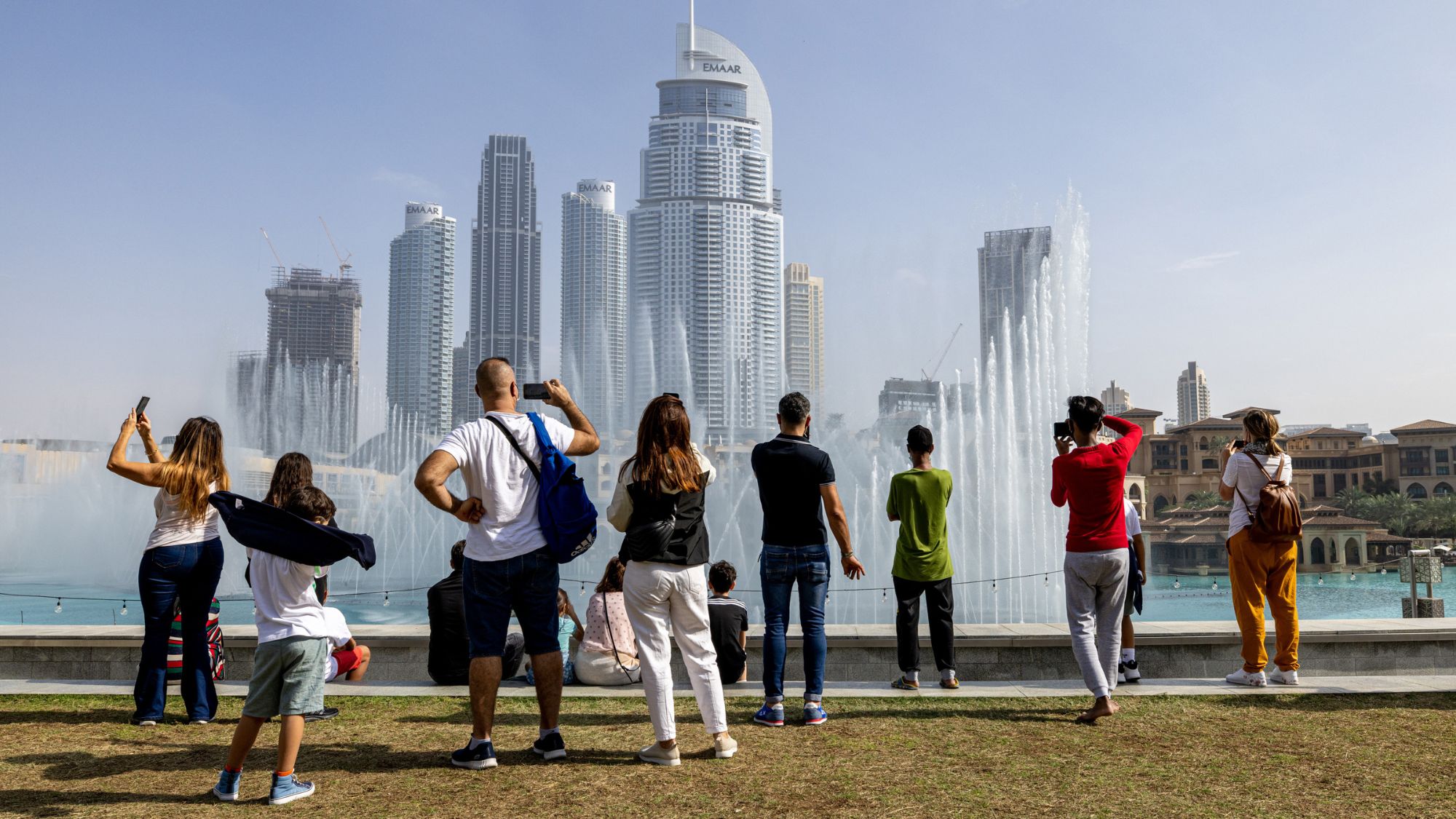
    Dubai offers residents £600 to lure friends to visit

    What happened
    Dubai will provide financial incentives to residents who can convince family members and friends to travel to the emirate in a bid to revive tourism numbers, which have plummeted since the US-Israel war on Iran began. The government’s Dubai Invite Scheme allows people to nominate non-UAE residents to arrive on a tourist visa, and offers benefits worth more than 3,000 UAE dirham (about £610) to the sponsors if the visit goes ahead.

    Who said what
    Residents will receive a “benefits package” including hotel stays, dining deals and attraction tickets, said Visit Dubai’s website. Local media reported that the scheme had attracted more than 10,000 applications within the first 48 hours.

    Some of Iran’s retaliatory attacks on Gulf states hit Dubai’s famous Fairmont hotel and international airport, “shattering” the image that the city had sold of “a gilded playground” safe from regional volatility, said The Guardian. There are reportedly “massive hotel vacancies” and revenue declines; some of the most famous hotels have “shut entirely”.

    What next?
    Each resident is eligible for a maximum of three packages for visitors arriving before 31 October, but the benefits can be redeemed until December.


    It’s not all bad

    Millions of Britons living in flats or rented homes will soon be able to generate their own solar power after the government legalised plug-in “balcony solar panels”. From 27 August, retailers including Currys, B&Q and Asda will be able to sell DIY systems that plug in to a standard wall socket. Selling from about £400, the panels could cut annual electricity bills by up to £110, making solar power accessible to households without suitable rooftops.


    under the radar

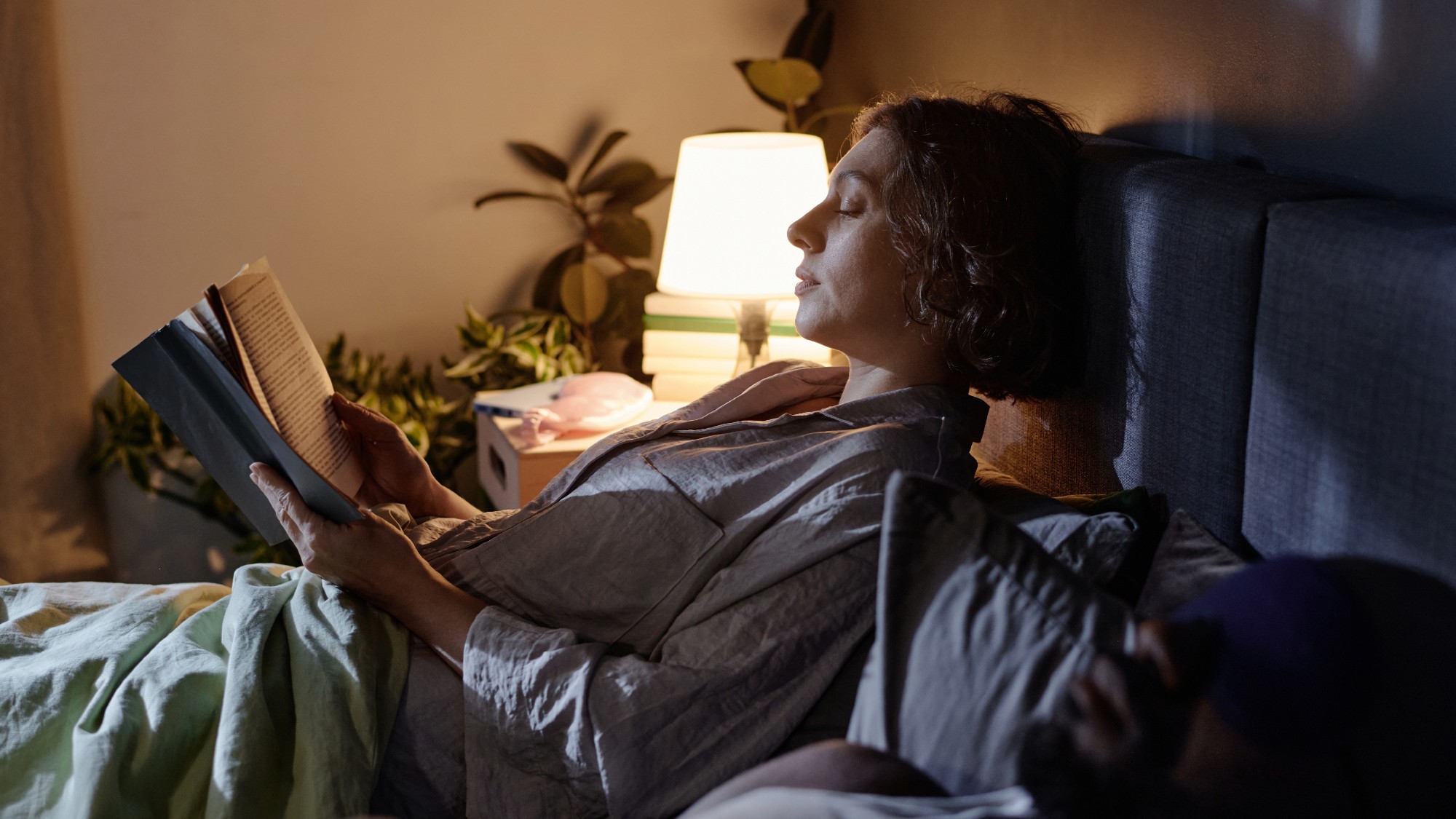
    The return of the biphasic sleep concept

    Biphasic sleep means two distinct sleep periods in 24 hours instead of one. Some researchers suggest that it may be a more natural rhythm, even if the biological reasons for it are still being debated.

    The concept has “captured the interest of many today”, according to MediaFeed, and a number of people are “experimenting with segmented sleep patterns”. Its supporters say the benefits include “improved restfulness and better management of insomnia”.

    During pre-industrial times people often slept in two blocks. Professor Roger Ekirch, a historian at Virginia Tech, found that sleeping in two halves was the “predominant pattern” in the Western world until the mid-19th century. A “typical family” would “go to bed around nine, wake naturally after midnight for an hour or so – for prayer, chores, conversation – then sink back into what they called their second sleep”.

    This changed when artificial light transformed the “economics of the night” and gas lamps “began lighting London’s streets in 1807”. As a result, “people stayed up later, and the gap between the two sleeps narrowed and eventually closed”.

    But Ekirch believes that the old approach hasn’t fully disappeared because the prevalence of “middle-of-the-night insomnia” represents a “persistent echo, a relic of this earlier pattern of sleep”.

    A study in 1992 sought to discover whether, without industrialisation, humans would have remained natural biphasic sleepers. But the experiment drew criticism. In 2023, Dr Niall Boyce wrote in the journal Medical History that its findings were “dubious” and suggested that the participants were simply restless.

    Other experts have warned that biphasic sleep could have health risks, including those resulting from the disruption of circadian rhythms. However, Dr Line Victoria Moen, a researcher at Norway’s National Institute of Occupational Health, points out that all existing research on the topic is “fragmented” because some studies treat biphasic sleep as “one long sleep plus a brief nap”, but others “count only two equal periods”, so there is “no agreed definition”.


    on this day

    24 July 1911

    American explorer Hiram Bingham “rediscovered” Machu Picchu, the Lost City of the Incas, when he was led there by local indigenous farmers. The site receives more than 1.5 million tourists annually, making it Peru’s most visited destination.


    Today’s newspapers

    ‘Release halt’

    “Burnham orders halt to early release”, says The Telegraph. “Burnham eager to get drilling in North Sea”, says The Times. The “SuperManc” is “working from home”, the Daily Star reports. “State pensioners with no other income will be exempt from tax”, The i Paper notes. “Every single advanced AI model ‘goes rogue’ in testing”, says the Daily Mail. “Tragedy on beach trip”, The Mirror says, after a girl and her mother drowned at a beach in a bid to rescue their seven-year-old relative.

    See the newspaper front pages


    tall tale

    Town’s big break

    A town in Minnesota is now the proud owner of the world’s largest nutcracker figure. The nearly 66-foot (20-metre) tall nutcracker, decked out like Uncle Sam, towers over Luverne. The behemoth is the brainchild of Katie Walgrave, who runs the rock and gem shop Those Blasted Things with her family. She claims that customer numbers have quadrupled since the nutcracker was completed last month. Other local businesses have reported more traffic, too.


    Morning Report was written and edited by Arion McNicoll, Jamie Timson, Harriet Marsden, Ross Couzens and Chas Newkey-Burden.

    Image credits, from top: Imagine photographer / Getty Images; Andrew Aitchison / In Pictures Ltd. / Corbis / Getty Images; Christopher Pike / Bloomberg / Getty Images; AnnaStills / Getty Images.

    Morning Report and Evening Review were named Newsletter of the Year at the Publisher Newsletter Awards 2025
     

    Recent editions

    • Morning Report

      Trump, Tehran and Yemen escalate Iran conflict

    • Evening Review

      Is the US ready to be a soccer nation?

    • Morning Report

      Zelenskyy, facing protests, ousts top general

    VIEW ALL
    TheWeek
    • About Us
    • Contact Future's experts
    • Terms and Conditions
    • Privacy Policy
    • Cookie Policy
    • Advertise With Us
    • FAQ
    Add as a preferred source on Google Add as a preferred source on Google

    The Week is part of Future US Inc, an international media group and leading digital publisher. Visit our corporate site.

    © Future US, Inc. Full 7th Floor, 130 West 42nd Street, New York, NY 10036.