The Week The Week
flag of US
US
flag of UK
UK
https://cdn.mos.cms.futurecdn.net/flexiimages/jacafc5zvs1692883516.jpg

SUBSCRIBE & SAVE

Less than $3 per week

Sign in
  • View Profile
  • Sign out
  • The Explainer
  • The Week Recommends
  • Newsletters
  • Cartoons
  • From the Magazine
  • The Week Junior
  • Student Offers
  • More
    • Politics
    • World News
    • Business
    • Health
    • Science
    • Food & Drink
    • Travel
    • Culture
    • History
    • Personal Finance
    • Puzzles
    • Photos
    • The Blend
    • All Categories
  • Newsletter sign up Newsletter
  • The Week Evening Review
    Soccer’s US popularity, the GLP-1 economy, and heat waves’ gendered consequences

     
    TODAY’S BIG QUESTION

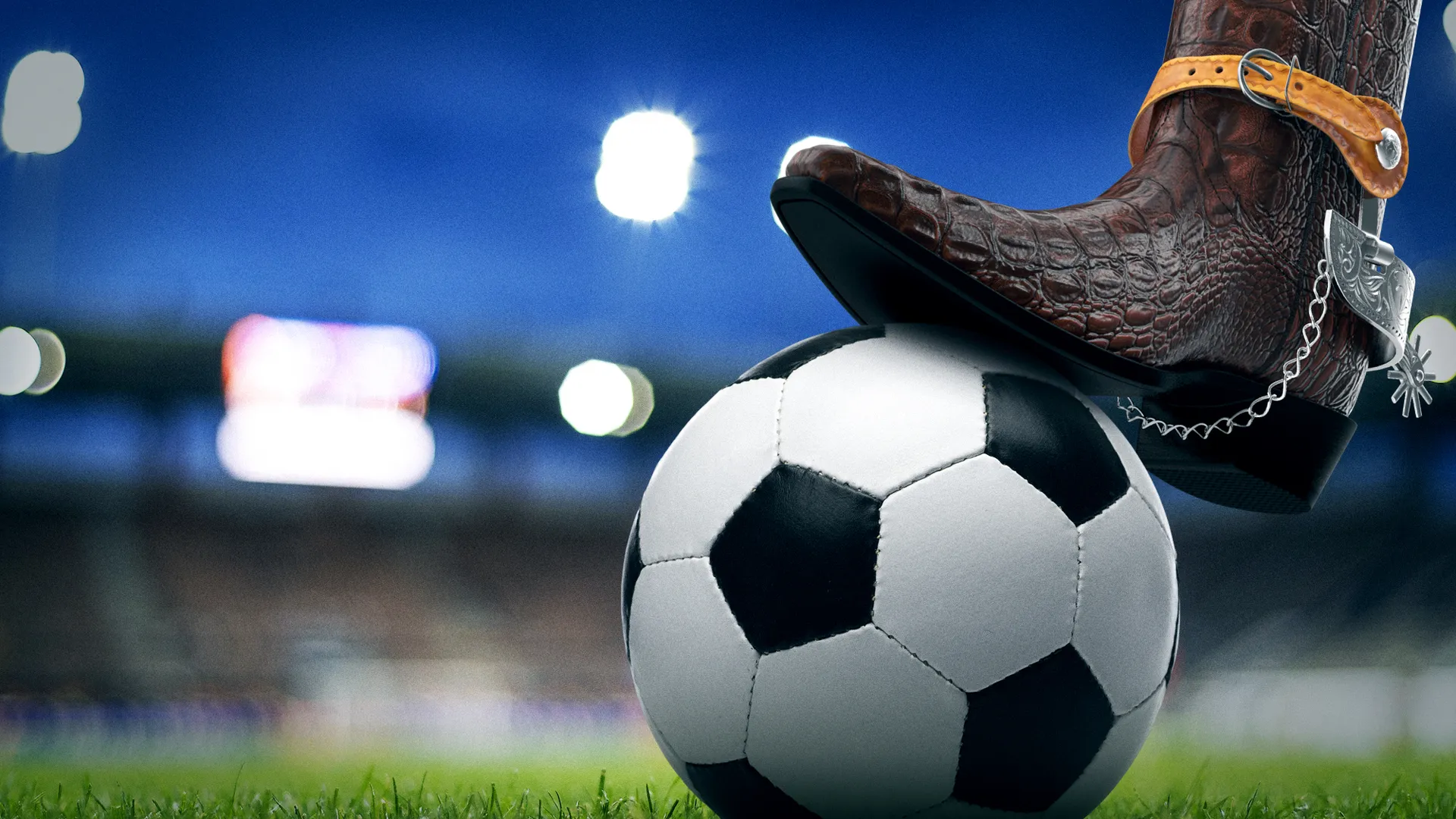
    Has the World Cup spiked soccer’s US popularity?

    The end of the 2026 FIFA World Cup marks a major inflection point for soccer in the U.S. While cohosting duties helped soccer’s status explode this summer, the sport has never maintained long-term popularity in the country on the same level as other professional sports. But some say that may all be changing.

    What did the commentators say?
    The arrival of the tournament always brings up the “quadrennial question: Can this be the World Cup that finally converts U.S. sports fans to soccer fanatics?” said Forbes. In 2026, the “answer might be yes or at least closer than ever.” Many Americans have shied away from soccer because what they “find electrifying is the possibility and manifestation of drastic change” and large comebacks, like those often seen in football and baseball. Soccer’s “low-scoring structure makes such reversals rare.”

    A similar surge of enthusiasm happened when the U.S. hosted the 1994 World Cup. Three decades later, though, the nation has created “not just the soccer-specific stadiums and training grounds but also the academies and pathways that led to a generation of players,” said The Athletic. Despite the U.S.’s loss to Belgium, the “next Christian Pulisic or Leo Messi somewhere along the way might have attended a game” and may “say ‘wow, I want that to be me,’” said Don Garber, the commissioner of Major League Soccer (MLS), the country’s top professional soccer league, to The Athletic.

    Others believe that MLS helped ingrain soccer into the U.S. even before this year’s World Cup. MLS is an “established, stable American sports league” whose “franchises keep increasing in value,” said The Tennessean. There’s also the U.S. Women’s National Team, a dominant force that has “won four World Cups since 1991.”

    What next?
    More than half of Americans, 57%, think the World Cup will “increase America’s general interest in soccer,” according to an Ipsos survey of 1,027 adults. The excitement about soccer is particularly strong among Gen Zers, as the sport is “already disproportionately popular among this demographic,” said YouGov. 

    Gen Z adults “make up nearly a fifth of all soccer followers compared to just a 10th of the overall U.S. population (18% versus 10%),” said the research firm. The World Cup was a primer to “make America a soccer nation,” said Forbes.


    QUOTE OF THE DAY

    ‘We will not let you destroy that museum, no matter how long it takes, how many battles are required, how much effort is needed.’

    Rep. Kweisi Mfume (D-Md.) on the National Museum of African American History and Culture during a House subcommittee hearing questioning the director of the National Museum of American History, Anthea Hartig. They would have to “kill all of us and walk over our bodies to change history,” he added.


    IN THE SPOTLIGHT

    How weight-loss drugs are impacting major industries

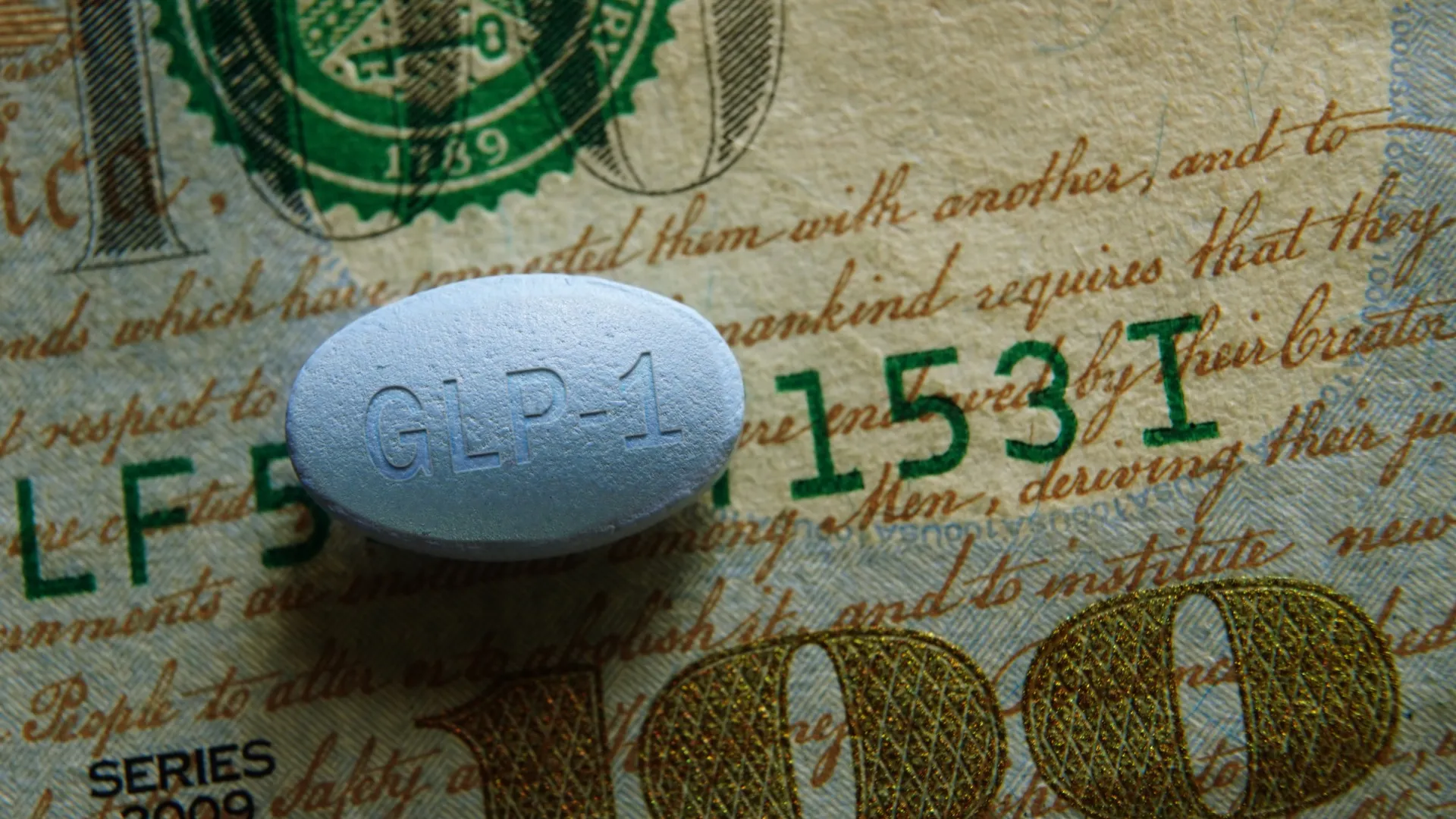
    GLP-1 drugs like Ozempic have undoubtedly made their mark on healthcare. But they have also begun to shape the broader economy.

    While there are those “salivating at the prospect of where AI can go in the years ahead,” perhaps the “bigger leap in the near term” is the “technological miracle that’s stopping us salivating at all,” Jim Reid, the global head of macro and thematic strategy at Deutsche Bank, said in a commentary. Perhaps the GLP-1 is the “real short-term general-purpose technology for a wider range of consumers, especially in the U.S." In other words, the age of the Ozempic economy has arrived. 

    Groceries
    Because GLP-1’s help eliminate “food noise,” which can “lead to bingeing and distracting thoughts about eating,” patients are “cutting back on snacks and spending more on healthy items,” said The Washington Post. Compared with non-GLP-1 households, GLP-1 users “reduced their spending by 10%” over a year across “100 categories including groceries, quick-service restaurants and tobacco,” according to data company Numerator. Researchers increasingly see a “shift away from volume” with customers’ grocery shopping and instead note a move toward what economists call “premiumization,” said research firm Benzinga. 

    Retail
    Sales of smaller-sized clothing for both men and women have increased, according to a study by Impact Analytics. Credit and debit card data, according to Consumer Edge, also shows that “formal-wear sales surged 80%” and sporting goods “jumped 24%” in the first six months of 2025 compared with the same period last year. The shift could indicate a “need” or “desire to buy new clothing and accessories after undergoing a positive life change,” said Michael Gunther, the head of insights at Consumer Edge.

    Workforce
    This shift is not so much about consumer spending, but it has an economic impact linked to changes in workforce potential associated with GLP-1 use. For nonworking women, those who use GLP-1s are 27% more likely to start a job within 18 months of their weight loss than those who aren’t using GLP-1s but want to, according to a study published by Harvard economics professor Rebecca Diamond.

    Read more


    Statistic of the day

    2.8 million: The number of overseas visitor arrivals to the U.S. last month during the World Cup — a 1.8% decrease from the previous June, which followed a “3.4% annual decline,” said travel news outlet Skift. Despite the tourism downturn in the U.S., the tournament “appeared to bolster visitation from certain markets” like the U.K.


    THE EXPLAINER

    The gendered consequences of heat waves

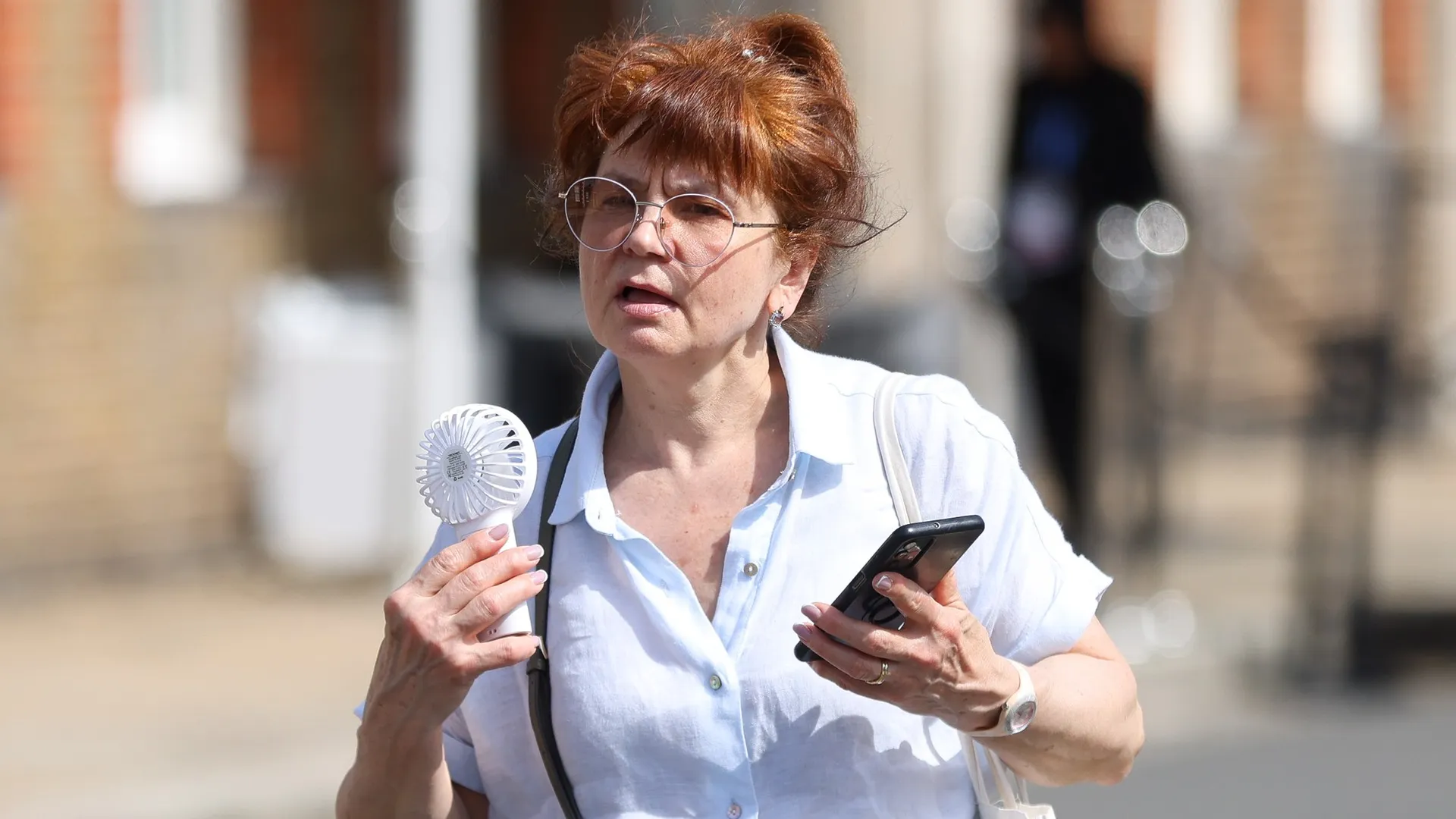
    The heat waves afflicting regions around the world this summer have been some of the worst ever. And these high temperatures can exacerbate gender inequality, said The Guardian, and women, particularly in low-income families, are “at the sharp end.”

    Why are women more impacted?
    Women are more at risk of health complications during a heat wave for two main reasons, said Nighat Arif, a U.K. doctor who specializes in women’s health, to the BBC. First, women respond differently to heat than men do. They sweat less and start sweating at a higher temperature. These thresholds make it harder for women to “quickly shed excess heat,” and fewer visible indications mean women can find it hard to judge how much their bodies are “under burden,” said the outlet. 

    The second reason is hormone regulation. Levels of estrogen and progesterone shift “substantially” during the menstrual cycle, pregnancy and menopause and can knock the brain’s temperature regulation systems “out of kilter,” said the BBC.

    How does this present itself socially?
    “How people experience heat is often gendered,” said researchers Febe De Geest and Sergio Jarillo at The Conversation. In domestic settings, particularly across Africa, Asia and Oceania, women tend to spend more time indoors in “poorly ventilated homes,” acting as primary caregivers. 

    There’s also a “seasonal upswing in violence associated with hot weather,” even in countries typically associated with better provisions for the heat, said The Guardian. This could be due to the “temperature-aggression theory,” in which hot weather increases “discomfort, frustration, impulsivity and aggression, all of which make violence more likely.” Or it could be linked to greater alcohol consumption, which in turn “increases the opportunities for interpersonal conflicts and subsequent violence.”

    What can be done?
    In practical terms, it’s important that women drink “at least six to eight cups of nonalcoholic, noncaffeinated transparent-liquid drinks” to help with temperature regulation during periods of extreme heat, said U.K. doctor Anisha Patel to ITV. They should make sure to continue taking prescribed medication as normal, including HRT or other drugs designed to help with menopause.

    Making sure women can cope with heat is “not a woman’s problem,” said Arif to the BBC. “This is a societal problem. If we get it right for women, we get it right for everyone.”


    Good day ✏️

    … for side hustles. A food delivery rider in China has won one of the country’s top literary honors. Wang Jibing has bagged the Lu Xun Literary Prize with his poetry collection “Low Flight,” which he wrote on slips of paper between deliveries. It was inspired by conversations with other gig workers about the everyday challenges they face.


    Bad day 🛂

    … for foreign students and journalists. The Department of Homeland Security has instituted a “fixed time period” of no more than four years for F visas for international students, J visas for cultural exchange visitors to work in the U.S., and I visas for journalists, said Reuters. The I visa would be up to 240 days or, “in the case of Chinese nationals, 90 days.”


    Picture of the day

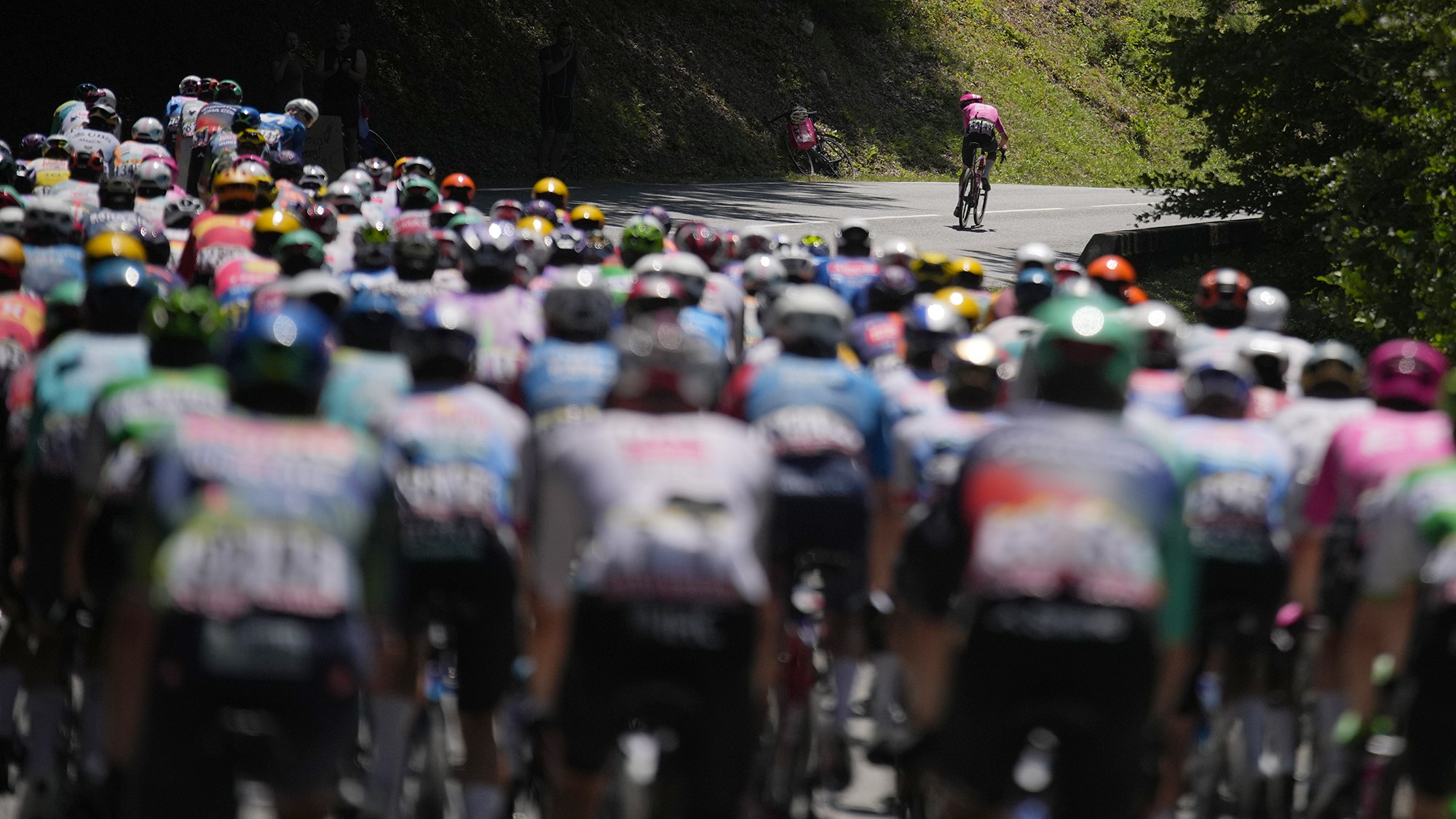
    Ahead of the pack

    Irish cyclist Ben Healy of Team EF Education-EasyPost rides out in front of the peloton during the 17th stage of the Tour de France in the hills outside Voiron, France. Belgian cyclist Jasper Philipsen won the day’s stage.
    Mosa’ab Elshamy / AP Photo


    Puzzles

    Daily sudoku

    Challenge yourself with The Week’s daily sudoku, part of our puzzles section, which also includes guess the number

    Play here


    The Week recommends

    The biggest pools around the world

    Your eyes do not deceive you. These colossal hotel swimming pools are as gigantic as they look. Some are historic, and some are modern wonders, but all are architectural marvels.

    The Biltmore, Coral Gables, Florida
    Guests have been diving into this property’s massive pool that covers 23,000 square feet and holds 600,000 gallons of water since 1926. Surrounded by “grand Mediterranean architecture and classical statues,” the pool is an opulent spot for “doing laps or having a leisurely float,” said Secret Miami. Esther Williams once used it as her stage, putting on aquatic shows before starstruck crowds.

    Marina Bay Sands, Singapore
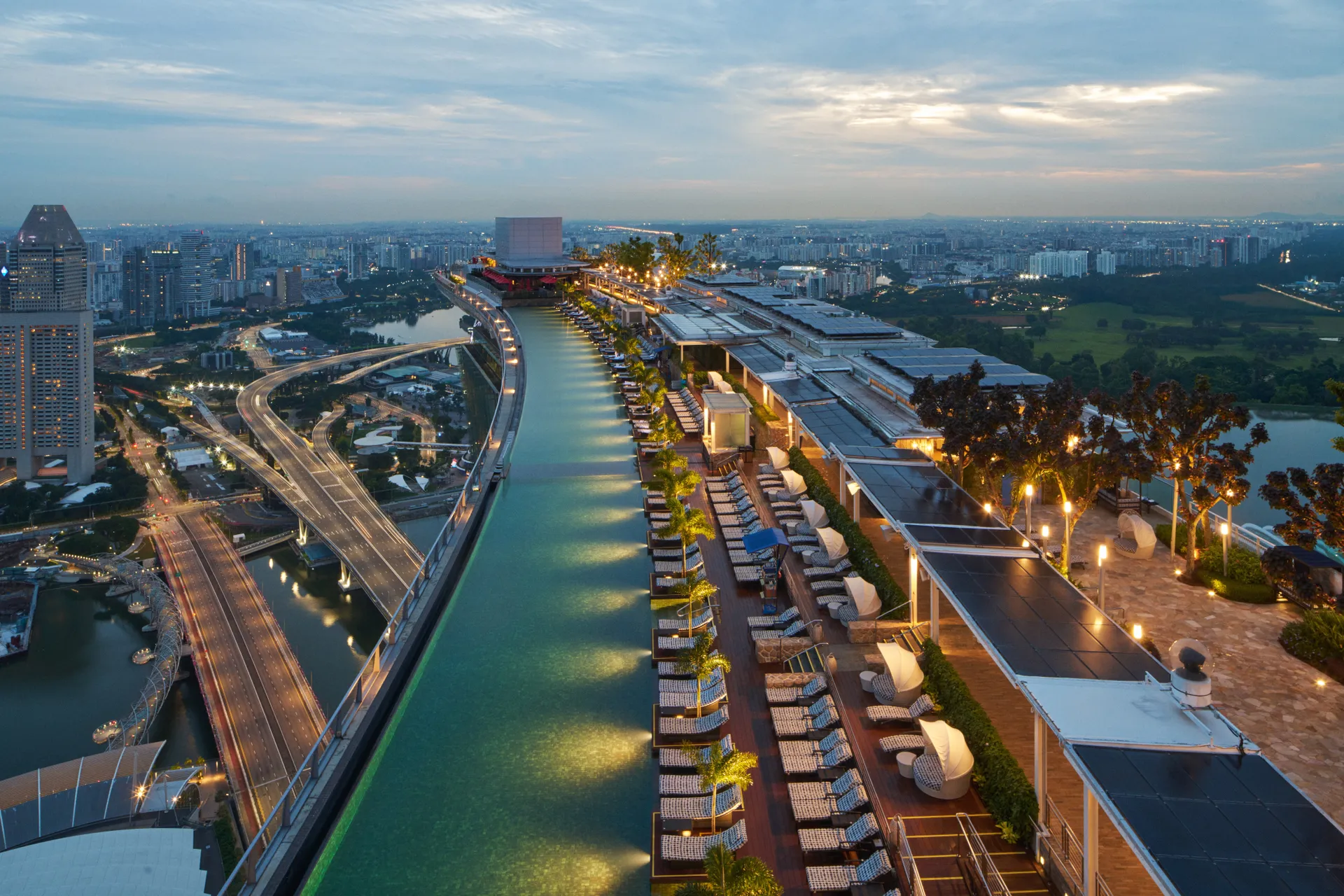
    Think of Singapore, and its distinctive Marina Bay Sands hotel will likely come to mind. The property — three towers with a rooftop infinity pool “balanced” across the 57th floors (pictured above) — is a “fixture of every postcard rack and travel brochure,” said Travel and Leisure. At 492-feet long, it’s the world’s largest infinity pool. Only open to hotel guests, the views from the deck are phenomenal, and it’s “obligatory” to take a selfie with the skyscrapers behind you.

    The Oberoi Udaivilas, Udaipur, India
    At this “glamorous” hotel, the long pool that stretches past its suites is an “architectural work of wonder,” said Condé Nast Traveler. Guests can slip into the water from their patios or relax on a lounger, gazing out at the pool “sandwiched between views of the garden and ocean.” For the ultimate stay, book one of the extravagant accommodations that comes with its own private pool.

    Read more


    Poll watch

    Americans’ net approval for Trump’s decision to attack Iran has fallen to -30%, according to an Economist/YouGov survey of 1,616 adults. While 27% believe it was the right move, 57% disagree. The war in Vietnam took “six years to become as reviled as the Iran war has become in six months,” said The Economist.


    INSTANT OPINION

    Today’s best commentary

    ‘Where did all the computer science professors go?’
    Lila Shroff and Rose Horowitch at The Atlantic
    AI companies are “turning into something like mini-universities,” say Lila Shroff and Rose Horowitch. As AI has “taken center stage, Silicon Valley has intensified its efforts to recruit star researchers and looked beyond computer science departments.” While “plenty of research is still happening within universities,” the “result is a flywheel.” As “more academics get sucked up by industry, the center of AI research moves further from academia, thus increasing the incentive for remaining researchers to leave.”

    ‘He may be Trump’s only real friend. He’s quietly transforming the world.’
    Andrea Bernstein at Slate
    Special Envoy to the Middle East Steve Witkoff “seems like Trump, a New York real estate developer turned world dealmaker,” says Andrea Bernstein. But in an administration that “privileges snarling visages, Witkoff is nearly universally described as kind or nice, a quality he has used to good diplomatic effect.” As Witkoff “presided over a tenuous ceasefire deal with Hamas and Israel, he surrounded those talks with meetings with big-name Gulf leaders.” He’s “unabashed about performing diplomacy through a business lens.”

    ‘We are taking hobbies too far’
    Meehika Barua at Time
    Having hobbies shows that you “have the time, money and energy to spend on them,” says Meehika Barua. But we have “turned hobbies from optional leisure activities into a marker of identity.” Hobbies are “increasingly sold as a route to becoming a more interesting or successful person rather than simply a way to spend free time.” This can “leave people feeling guilty if they prefer quieter pursuits” or “discover they don’t enjoy the hobby that everyone else seems to love.”


    WORD OF THE DAY

    Franken-trout

    Supersized wild trout in Scotland’s lakes. Fish feed leaking from salmon-farm cages has created artificially enlarged trout, with some up to 20 times bigger than average, who gorge on it, according to activists. “These monster wild trout grow to a size nature never intended,” said Dale Vince, the founder of the environmental group Green Britain Foundation, to The Telegraph.


    Evening Review was written and edited by Will Barker, Theara Coleman, Nadia Croes, Catherine Garcia, Scott Hocker, Justin Klawans and Summer Meza with illustrations by Stephen Kelly and Julia Wytrazek.

    Image credits, from top: Illustration by Stephen P. Kelly / Shutterstock / Getty Images; zimmytws / Getty Images; Dinendra Haria / SOPA Images / LightRocket / Getty Images; Marina Bay Sands
     

    Recent editions

    • Morning Report

      Zelenskyy, facing protests, ousts top general

    • Evening Review

      The data center midterms

    • Morning Report

      Trump hits Canada with new class of tariff

    VIEW ALL
    TheWeek
    • About Us
    • Contact Future's experts
    • Terms and Conditions
    • Privacy Policy
    • Cookie Policy
    • Advertise With Us
    • FAQ
    Add as a preferred source on Google Add as a preferred source on Google

    The Week is part of Future US Inc, an international media group and leading digital publisher. Visit our corporate site.

    © Future US, Inc. Full 7th Floor, 130 West 42nd Street, New York, NY 10036.