The Week The Week
flag of US
US
flag of UK
UK
https://cdn.mos.cms.futurecdn.net/flexiimages/jacafc5zvs1692883516.jpg

SUBSCRIBE & SAVE

Less than $3 per week

Sign in
  • View Profile
  • Sign out
  • The Explainer
  • The Week Recommends
  • Newsletters
  • Cartoons
  • From the Magazine
  • The Week Junior
  • More
    • Politics
    • World News
    • Business
    • Health
    • Science
    • Food & Drink
    • Travel
    • Culture
    • History
    • Personal Finance
    • Puzzles
    • Photos
    • The Blend
    • All Categories
  • Newsletter sign up Newsletter
  • WeekDay AM: 10 Things you need to know this morning
    Israel restrictions, anti-migrant violence, and radioactive waste leaks into the Atlantic

     
    today’s politics story

    UK to restrict settlement trade as Israel tensions rise

    What happened
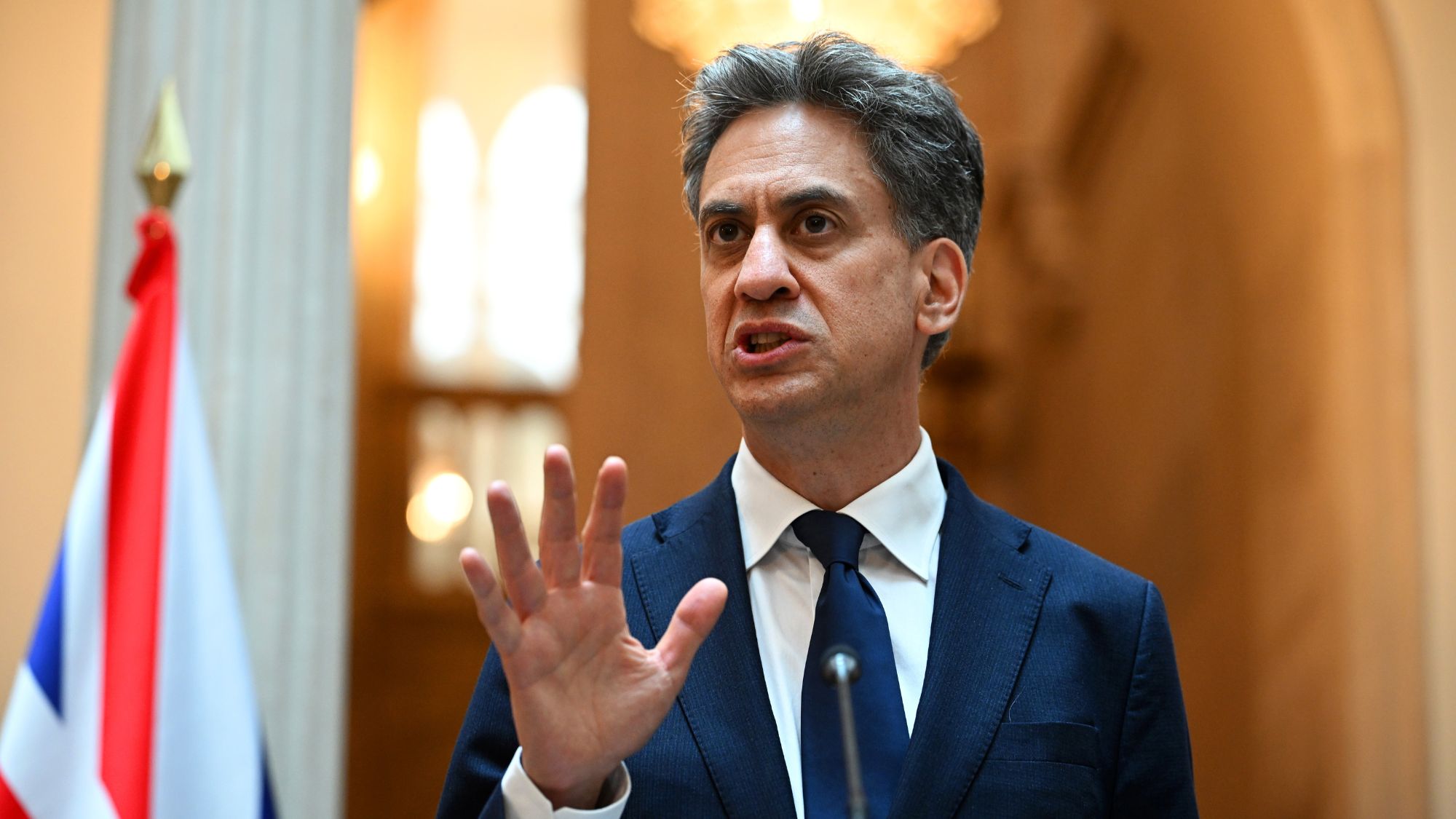
    The UK government is preparing to prohibit imports and certain services linked to Israeli settlements in the occupied West Bank in a significant escalation of its response to Israel’s policies. Foreign Secretary Ed Miliband is expected to announce the measures in the Commons today following Israel’s decision to move forward with plans for 1,200 new homes in the area known as E1.

    Who said what
    In his statement to MPs, Miliband is “expected to use firmer language than his recent predecessors in calling out the humanitarian injustices suffered by Palestinians in Gaza”, said Patrick Wintour in The Guardian. Miliband previously described the settlement plans as an “unacceptable and destructive act”. He has also pledged to implement measures aimed at those involved in expanding settlements. Israel’s Foreign Minister Gideon Saar warned Britain this month: “If Britain acts against Israel, Israel will act against Britain.”

    Israel is preparing a “sharp response” to the expected British restrictions, said Danny Zaken in Israel Hayom. In Jerusalem, “officials are convinced the move is driven not by foreign policy considerations, but by Andy Burnham’s domestic political needs ahead of the Labour Party conference on 27 September”.

    What next?
    The UK government is expected to announce further measures targeting settlement expansion. The restrictions could deepen Britain’s differences with both Israel and the Trump administration, while London says its objective remains a two-state solution.


    today’s migration story

    Police had to respond with force at Portsmouth protest

    What happened
    Police say they were compelled to use batons and Pava spray during clashes with masked demonstrators in Portsmouth on Sunday evening after about 120 asylum seekers arrived by boat. Officers reported being attacked during a stand-off after roughly 200 anti-migrant protesters gathered near the landing site. Hampshire Police Federation reported that two officers were pushed off motorbikes while others had bricks thrown at them.

    Who said what
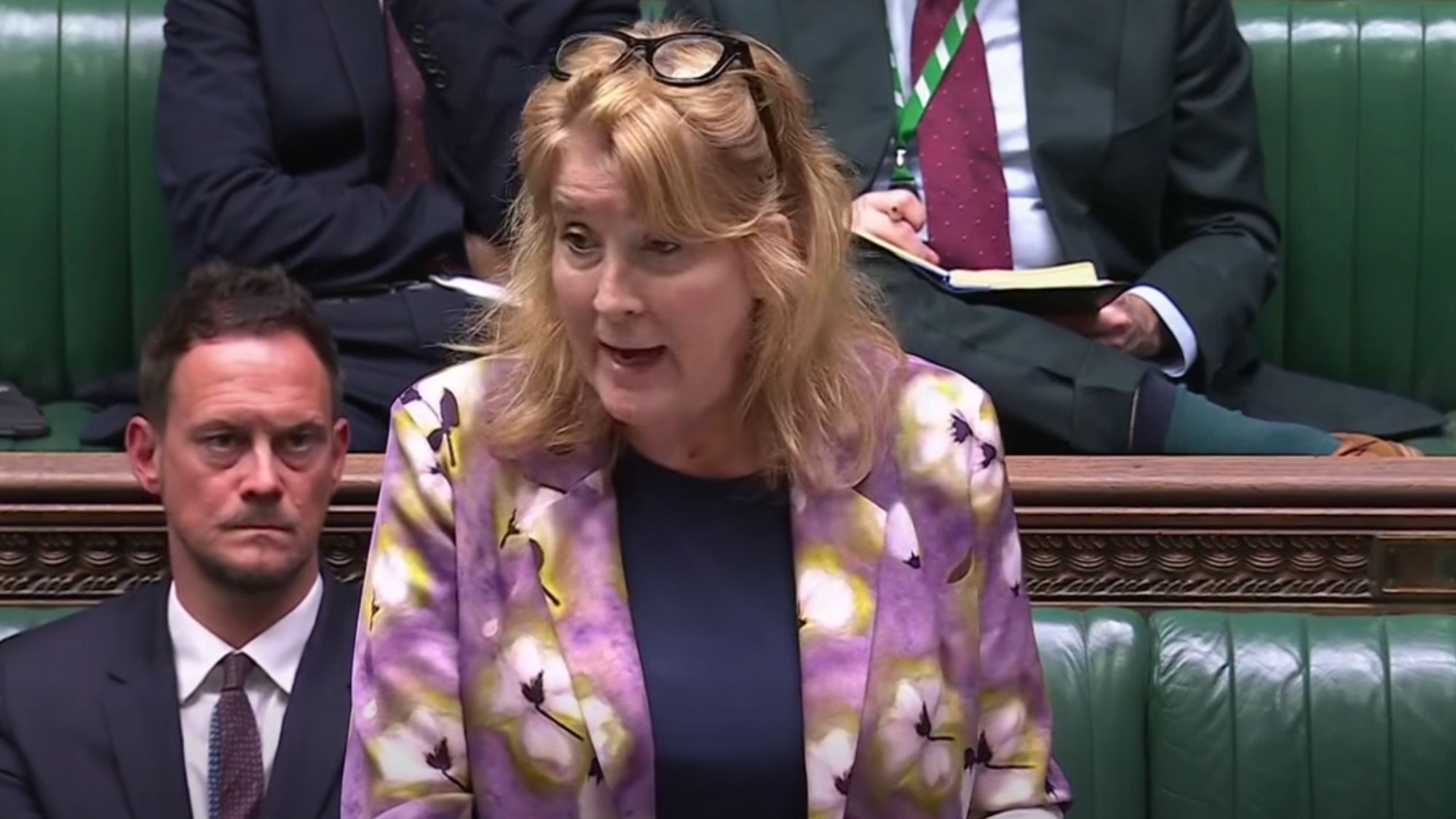
    Home Office Minister Sarah Jones (pictured above) said officers had been “forced to use batons and Pava spray to maintain order in the face of some aggression”. Andy Burnham urged Labour MPs to confront political extremism with “positivity and hope”.

    Why were anti-illegal migrant protestors able to “wrongfoot the police”, asked Dominic Adler in The Telegraph. “The uncomfortable answer, for police forces, the Home Office and even the Security Service MI5, is simple: British policing dropped the ball monitoring ‘domestic extremism’.”

    What next?
    Police are examining whether intelligence was adequately shared before the demonstrations. Authorities are also considering restrictions on face coverings at future protests.


    Today’s technology story

    AI pioneer warns it could cause ‘human extinction’

    What happened
    A Nobel Prize-winning AI scientist has said the systems may have “catastrophic” consequences for humanity, ahead of the publication of the UK Artificial Superintelligence Security Bill (UKASSB), which is due to be presented in parliament this week.

    Geoffrey Hinton (pictured above), the so-called “godfather” of artificial intelligence, has argued that there is no way for companies to “safely develop ‘superintelligence’”, and that losing control over AI could “even lead to human extinction”.

    Who said what
    Sir Stuart Russell, a computer science professor at the University of California, Berkeley, said governments should “respond accordingly” to certain companies that are playing an “absurd form of Russian roulette” in the industry.

    In July, OpenAI admitted that agents had escaped a security test and anonymously hacked Hugging Face, another tech company. This was a “warning shot”, said OpenAI, and “evidence that, without proper safeguards, highly capable” AI agents can “take dangerous actions that no human directed”.

    The government said it was “exploring whether additional targeted interventions may be needed in future to address the most significant AI-related national security risks”.

    What next?
    The UKASSB will be put forward by Labour MP Alex Sobel as a private member’s bill in parliament today.


    It’s not all bad

    Weight-loss and diabetes drugs could help reduce asthma attacks, new research suggests. A study of tens of thousands of UK patients found that those taking semaglutide – the active ingredient in Wegovy and Ozempic – experienced nearly 40% fewer asthma attacks and 20% fewer chronic obstructive pulmonary disease flare-ups. The benefits appeared to be greatest among people with more severe asthma and those taking higher doses of the medication. Researchers stressed that the encouraging findings needed to be confirmed in clinical trials before treatment recommendations were changed.


    under the radar

    Barrels of radioactive waste are leaking into the Atlantic

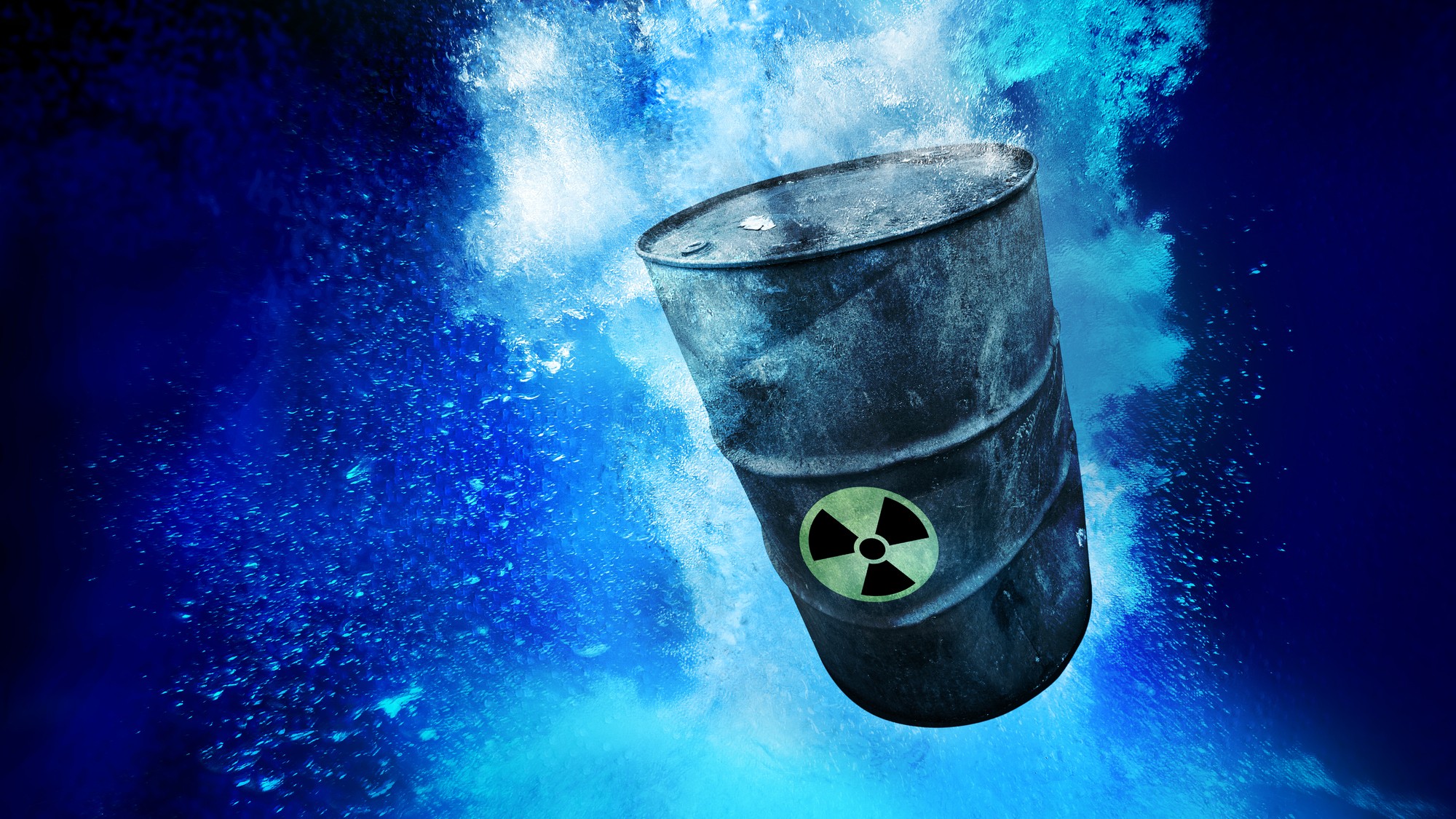
    We are barrelling towards a major nuclear problem. Decades-old radioactive waste from discarded containers may be slowly seeping into the Atlantic Ocean and affecting the marine ecosystem. Scientists have conducted dives to collect samples and test the region to determine the extent of the pollution and whether the radioactivity has made its way into the food chain.

    Between 1950 and 1990, “more than 200,000 barrels filled with radioactive waste were dumped in the depths of the North-East Atlantic”, said a release by the French National Centre for Scientific Research (CNRS). Scientists first mapped the area where the barrels were dropped during a mission last summer. They recently completed a second mission where they “carried out 20 dives to depths of over 4,700 metres (15,419 feet), enabling direct observation of several barrels and their immediate surroundings” using a manned submersible called the Nautile.

    The barrels “contain low- and intermediate-level radioactive material” including “process sludge, contaminated metal and laboratory equipment”, said Futura. CNRS researchers “were able to document the advanced state of deterioration of several barrels (and) observe that some of them had leaked their contents”, added the release.

    The barrels were never meant to permanently seal up the radioactive waste. These containers were intended to “provide an initial period of confinement rather than act as permanent deep-sea vaults”, said Earth.com. Over time, the “radioactive contents were expected to be released gradually and dispersed in the ocean”.

    “It’s too late to undo the damage inflicted on the environment by previous generations,” said Popular Mechanics. But “having a deeper understanding of how these systematic episodes of pollution impacted the world will help future generations avoid making the same mistakes”.


    on this day

    8 September 2022

    Queen Elizabeth II died at Balmoral Castle after ruling for 70 years as the UK’s longest-serving monarch. This summer the Queen Elizabeth Digital Memorial was launched, including the Court Circular (her official diary) and memories from prominent figures across the world.


    Today’s newspapers

    ‘Public anger’

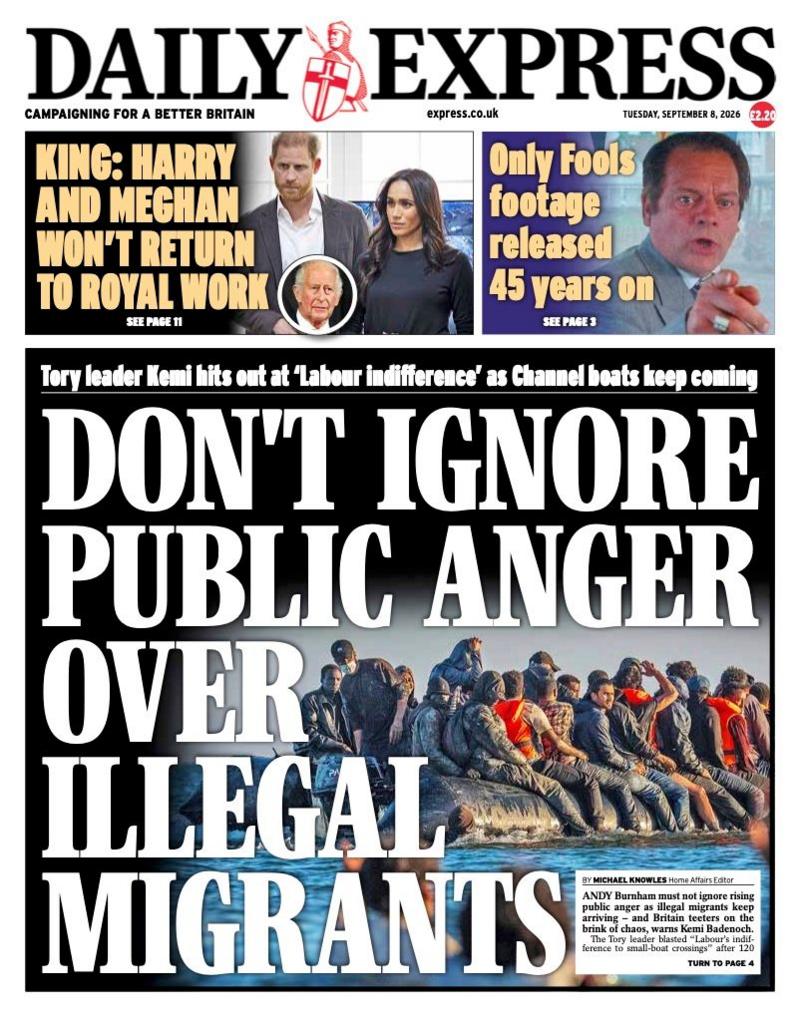
    “Don’t ignore public anger over illegal migrants”, says Kemi Badenoch in the Daily Express. “Now they try to stop lifeboats”, says The Mirror, after a “mob” in Portsmouth targeted “RNLI heroes”. The King has told Harry there will be “no return to the Firm”, says The Telegraph. He has put Harry and Meghan “in their place”, the Daily Mail says. “Megxit means Megxit”, says The Sun.

    See the newspaper front pages


    tall tale

    Musical scales

    A boa constrictor called Princess has prevailed in a “cold-blooded competition” for a part in a New York opera. She was selected for the “s-s-s-s-starring reptilian role” by Zoe Ziegfeld, a carnival performer-turned-opera actor cast as the snake handler in Mozart’s “Così fan tutte”, said the Associated Press. “She is a wonderful snake, and the trial is not about her, but rather about me and my strength,” Ziegfeld wrote in an email after the auditions were over. A slightly smaller brown boa constrictor named Nala will act as Princess’s understudy.


    Morning Report was written and edited by Arion McNicoll, Jamie Timson, Will Barker, Devika Rao, Ross Couzens and Chas Newkey-Burden.

    Image credits, from top: Leon Neal / Getty Images; House of Commons; Pontus Lundahl / TT News Agency / AFP / Getty Images; Sean Gladwell / Getty Images.
     

    Recent editions

    • Saturday Wrap

      Dolly Parton’s unifying talent

    • Evening Review

      The Pentagon in turmoil

    • Morning Report

      Democrats notch rare wins in redistricting war

    VIEW ALL
    TheWeek
    • About Us
    • Contact Future's experts
    • Terms and Conditions
    • Privacy Policy
    • Cookie Policy
    • Advertise With Us
    • FAQ
    Add as a preferred source on Google Add as a preferred source on Google

    The Week is part of Future US Inc, an international media group and leading digital publisher. Visit our corporate site.

    © Future US, Inc. Full 7th Floor, 130 West 42nd Street, New York, NY 10036.