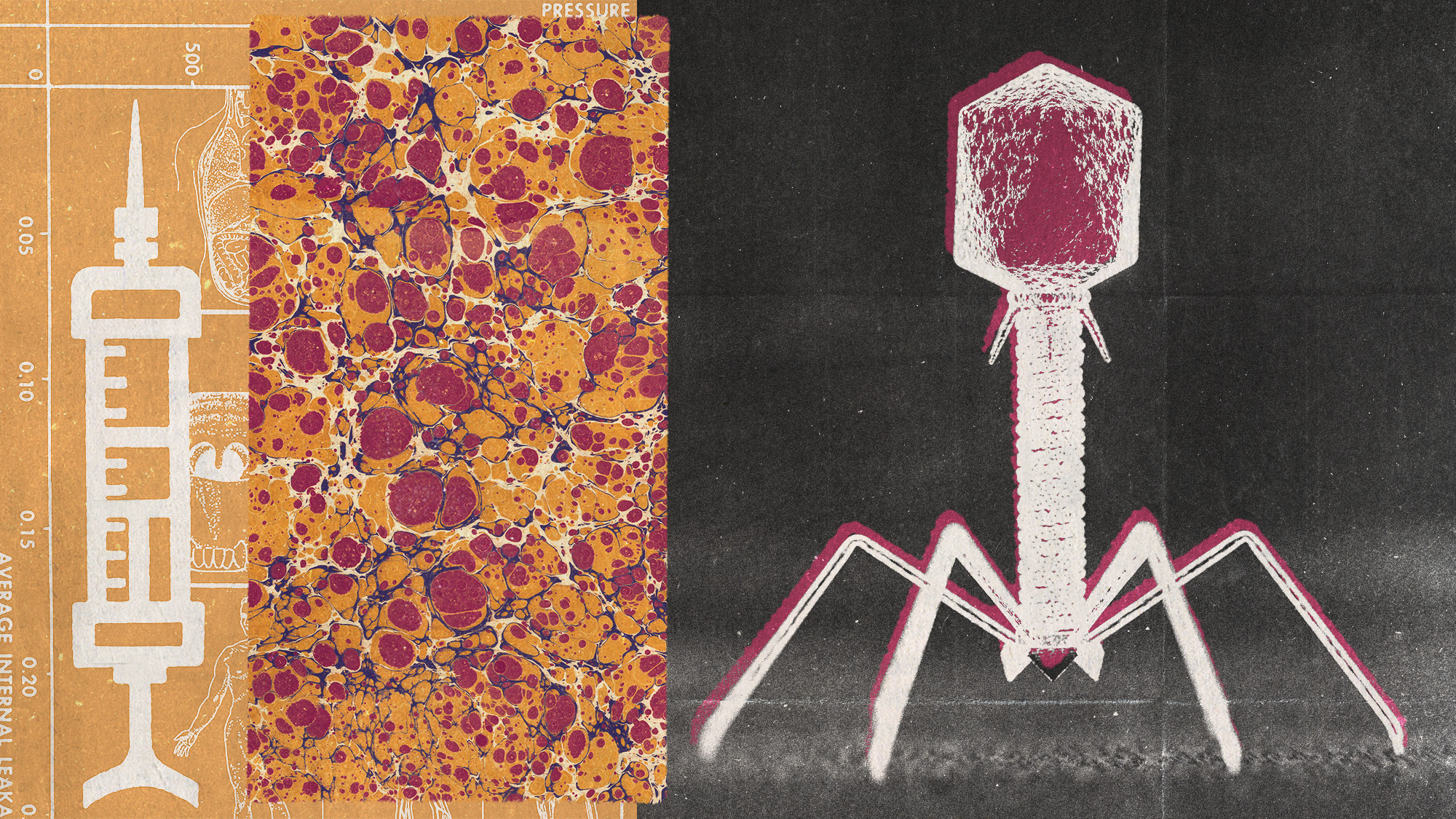
A California startup has used artificial intelligence to create a virus that is reportedly capable of fighting off a bacterial infection. The method, if proven to be effective, could help people combat disease without worsening antibiotic resistance.
Researchers at Radical Numerics administered the AI bacteriophage – through a model called Omnii-1 – to a patient “suffering from a deadly bacterial infection” in the hope that the virus would “kill the microbes causing the infection”, said The New York Times. If successful, the process could “point to a new way to use AI in medicine”.
Phage therapy existed long before AI, although it can be time-consuming. Using AI instead “can lead to rapid, on-demand generation of phages that meet patient requirements, accelerating the timeline for treatment”, said The Independent.
“If it works, that’s incredible,” Michael Baym, a microbiologist at Harvard University, told the Times. “My impulse is to be skeptical.” Radical Numerics has not revealed the clinical outcomes of the patient who was given the AI virus and the study has yet to be peer reviewed. Eric Nguyen, the CEO of Radical Numerics, told the Times the company aimed to “protect patient confidentiality and maintain the trust” of clinical partners, but that it intended to publish the results in the future.
Widespread phage therapy could help combat antibiotic resistance. Phages “do not infect human cells, and phage therapy is generally considered safe”, according to Radical Numerics. “Unlike broad-spectrum antibiotics, phages can target particular bacteria with remarkable specificity.” |