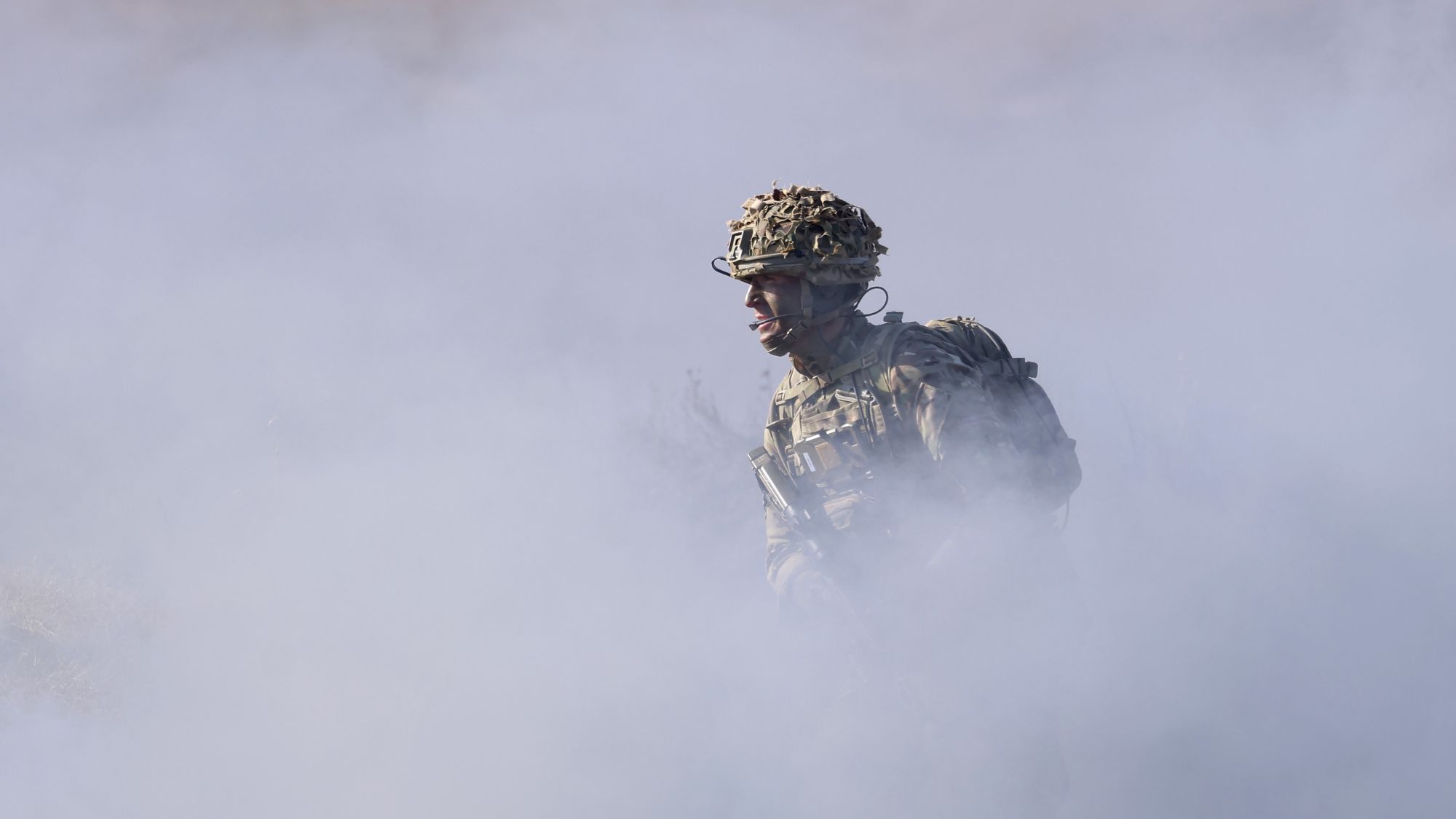
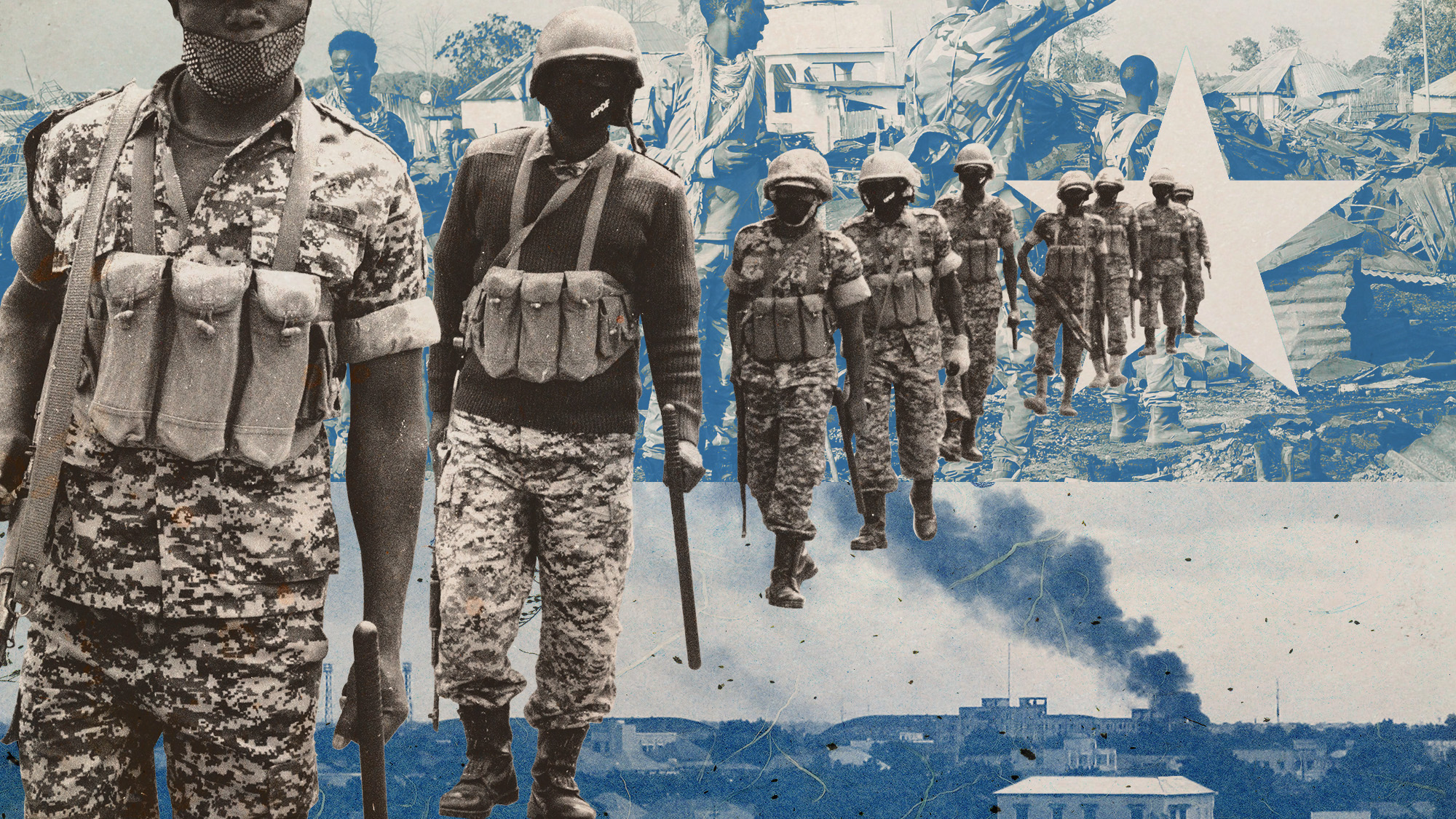
Uganda has started withdrawing its forces from Somalia as part of a “phased drawdown that will end an almost two-decade deployment” in the country, according to Reuters.
The first 109 soldiers left at the end of last month and all 4,500 that are currently deployed will permanently return to Uganda by the end of next year.
“Things are not dire now,” said Somalia’s Foreign Affairs Minister Ali Omar. But in a country facing the threat of Al Shabab, an Al Qaeda-linked insurgency, a sudden withdrawal could “create problems”.
Uganda was the first African country to deploy forces to Somalia in 2007 under the African Union Mission in Somalia (Amisom) to protect the transitional government from “attacks by Islamist militants”, said the BBC. Since then these Ugandan troops have been key players in the fight – alongside the Somali National Army – to “recapture strategic territory and secure key government installations”.
From the start of last year they have been part of the African Union Support and Stabilisation Mission in Somalia (Aussom), which has “focused on strengthening Somalia’s security institutions and preparing its forces to take full responsibility for the country’s security”.
But the future of Aussom has been “thrown into doubt” after US authorities decided to cancel funding for a UN logistics office, which is integral to the operation, said Deutsche Welle. This has prompted mounting fears that Al Shabab could exploit the “security vacuum” left behind, said The Associated Press.
It also comes at a “politically sensitive juncture” for Somalia, according to the Somali Guardian. Political divisions and differing priorities among groups within the government “risk diverting attention and resources from military operations and the broader campaign against insurgency”. This is not a “routine change of command”, it is a “test” of the Somali National Army’s “preparedness to assume a greater share of the country’s security responsibilities”. |