The Week The Week
flag of US
US
flag of UK
UK
https://cdn.mos.cms.futurecdn.net/flexiimages/jacafc5zvs1692883516.jpg

SUBSCRIBE & SAVE

Less than $3 per week

Sign in
  • View Profile
  • Sign out
  • The Explainer
  • The Week Recommends
  • Newsletters
  • Cartoons
  • From the Magazine
  • The Week Junior
  • Student Offers
  • More
    • Politics
    • World News
    • Business
    • Health
    • Science
    • Food & Drink
    • Travel
    • Culture
    • History
    • Personal Finance
    • Puzzles
    • Photos
    • The Blend
    • All Categories
  • Newsletter sign up Newsletter
  • Saturday Wrap, from The Week
    Trump’s ‘miscalculated’ war, Iran’s Revolutionary Guard, and the ‘pugnacious’ new Nepalese PM

     
    controversy of the week

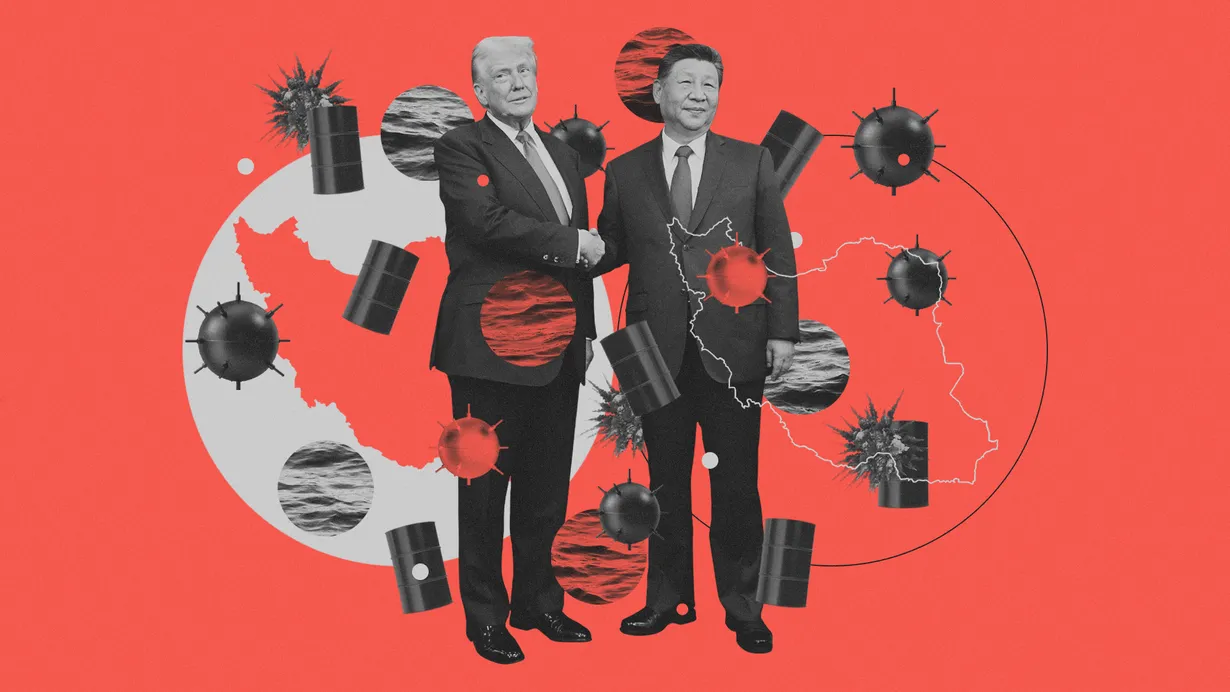
    Donald Trump’s mistakes in Iran

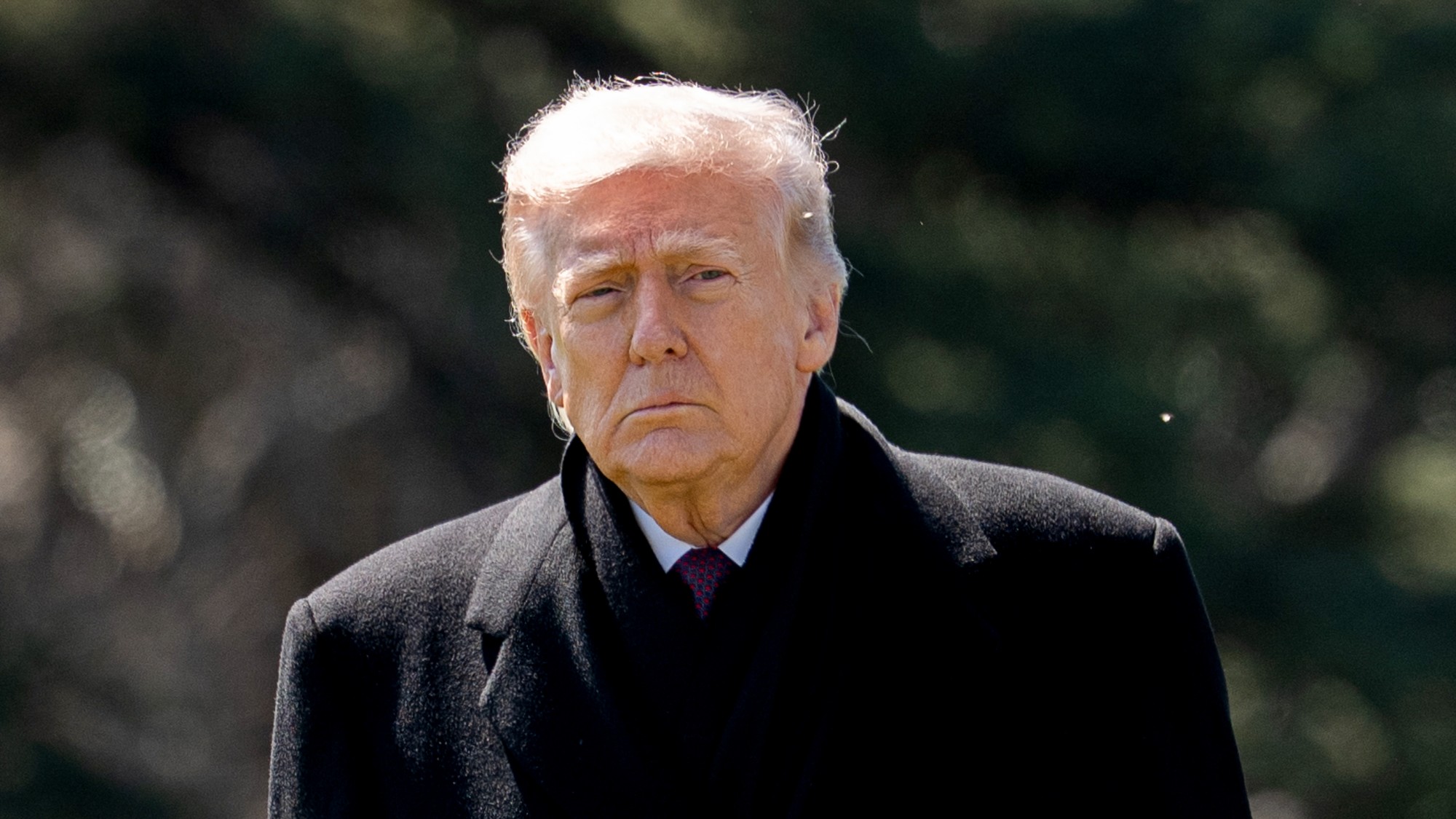
    Three weeks into this war, “it is clearer than ever that Donald Trump miscalculated”, said The Independent. “If he was warned that Iran might close the Strait of Hormuz, he ignored it.” The president seems surprised that the odious Islamic regime has still not fallen; and America’s allies in the region are bearing the brunt of its furious response. Trump seems to have no realistic policy for dealing with the resulting global oil shock. He is “a man without a plan”, said Simon Tisdall in The Guardian, and “hasn’t the foggiest what to do next”. The costs for the US – 13 dead, 200 wounded, $11 billion spent in the first week alone – are mounting. Trump sought a “swift, painless victory from the air”; instead, “another forever war” looms. 

    Even with its leadership decapitated, “the Iranians fight on”, said David Patrikarakos in the Daily Mail. But then they have spent 20 years preparing for this moment. Their strategy, the Decentralised Mosaic Defence (DMD), is built around a “single brutal principle” – the “body” keeps fighting even if the “head” is cut off. Local commanders can “launch missile strikes, drone swarms, and even harass ships without seeking approval from above”. The idea was to never “give the enemy a single target whose destruction can end the fight”. To some degree, it is working. Iran continues to deploy relatively cheap drones, which are expensive to intercept. Meanwhile, the US and Israel have burned through years’ worth of munitions.

    If, as seems likely, the regime survives, it will only become more militant and hostile, said Jonathan Freedland in The Guardian – with “every reason to double down on its nuclear ambitions”. Iran’s increasingly paranoid leaders are cracking down even harder on internal dissent, said Tom Ball in The Times. The Basij paramilitary unit has been deployed into residential areas of Tehran. Thousands of people are thought to have been arrested or “disappeared” since the campaign began. 

    The broad consensus seems to be that the US intervention is “unwise, unjust, is going very badly and certain to fail”, said Gerard Baker in The Times. But consider the facts. In just a few weeks, the US has achieved “remarkable progress” in wreaking “destruction on the capacity of a mortal enemy to wage war”. The strikes have wiped out an estimated 60% of Iran’s missile launch facilities. Tehran’s rate of missile and drone fire has been drastically reduced. Its navy and air force have been effectively destroyed. Iran’s desperate decision to lash out at its neighbours and close the Strait of Hormuz has left it isolated. Key leaders – including security chief Ali Larijani, seen as Iran’s day-to-day ruler – have been killed. Trump’s critics behave as if “the costs of inaction were zero”, said Muhanad Seloom on Al Jazeera. “They were not.” The regime is drenched in blood. Left unchecked, it would certainly have developed nuclear weapons, making it capable of holding the region hostage “indefinitely”. War is never clean, and the execution of this one has been far from perfect. “But the strategy is working.”


    Briefing of the week

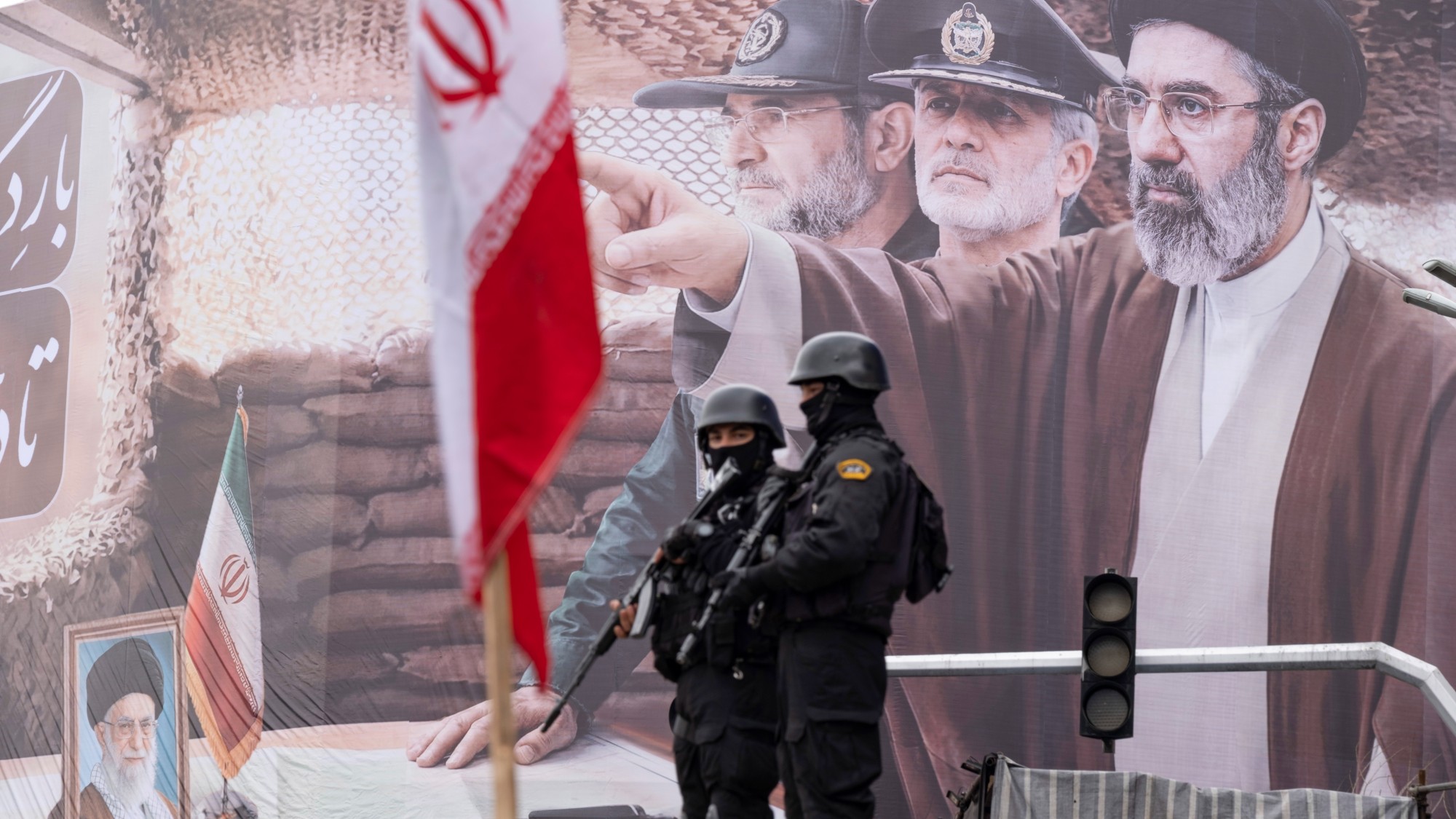
    Iran’s Revolutionary Guard: why it is so important

    The Islamic Revolutionary Guard Corps (IRGC) is both the backbone of the theocratic regime, and a state within the Iranian state 

    Why is the IRGC so important? 
    One of the most powerful and feared organisations in Iran, the IRGC plays central roles in the country’s internal security, economy and foreign policy; it runs Iran’s ballistic missile programme; and directs support to its network of allies. The IRGC was founded soon after the Iranian Revolution of 1979, as Islamists, nationalists and leftists competed to set the course of the new republic. Initially, it was a street militia, designed to protect Ayatollah Ruhollah Khomeini’s leadership from the army and the police, which he did not trust. After a referendum, Iran became a constitutional republic, with universal suffrage, a president and a parliament, but one wrapped in a theocracy; ultimate authority rests with the supreme leader. The IRGC began to operate as a sort of parallel state, bypassing the government and answering directly to the leader. 

    How did it grow? 
    The Iran-Iraq War (1980-1988) transformed the IRGC into a conventional fighting force, with a structure similar to that of a Western military. Its soldiers fought alongside the regular army, the Artesh, supported by units from the Basij, the youth volunteer militia set up by the IRGC in 1980. The Guard and the Basij became known for their “human wave” attacks, in which waves of religiously inspired Iranian teenagers overran better-equipped Iraqi positions, incurring massive casualties (in some units, more than 40% of troops were “martyred”). By the end of the war, the IRGC had built up great engineering and construction capabilities, for military logistics. To prevent a post-war collapse and to keep the IRGC funded, the government tasked it with rebuilding the nation. The result was Khatam-al Anbiya (“Seal of the Prophets”), today one of Iran’s largest construction and industrial contractors. 

    How is the IRGC structured? 
    There are five main branches. It has about 200,000 troops in the three wings of its military service: ground forces, navy – which has a special responsibility for patrolling the Strait of Hormuz – and the aerospace force, which runs Iran’s ballistic missile programme. In addition, there’s the Basij paramilitary force, which claims it can mobilise some 600,000 volunteers, and the Quds Force, an elite unit tasked with spreading the influence of Iran and the Islamic Revolution abroad. 

    What does the Basij do? 
    It is best known in the West for enforcing Islamic codes and suppressing dissent: masked Basij gunmen on motorbikes patrol streets during periods of unrest. They were accused of beating, shooting, sexually assaulting and torturing Iranians during the 2009 election protests and the “Woman, Life, Freedom” protest movement in 2022. There are about 100,000 employees of the Basij, and a much larger number of volunteers. These are mostly young working-class men, who are paid cash bonuses for going on patrols, and also receive benefits comparable to those of party members in communist states: access to welfare schemes, jobs, and university places for their children, for instance. 

    And the Quds Force? 
    The Islamic Republic has a constitutional commitment to “export the revolution”, and the Quds (Jerusalem) Force is the section of the IRGC tasked with that. It began sponsoring armed groups in the region in the 1980s: first, the Shia militias that would become Hezbollah during the Lebanese Civil War; in the 1990s, the Palestinian groups Hamas and Islamic Jihad, as well as Shia groups in Bahrain and Afghanistan. After the invasion of Iraq in 2003, the Quds Force played a vital role in organising and aiding Shia militias fighting there against the US and its allies. Following the Arab Spring in 2011, the force was deployed to Syria, to prop up the rule of Bashar al-Assad; more recently, it has supported the Houthis in Yemen. 

    How about the IRGC’s economic role? 
    It controls great swathes of Iran’s economy, particularly in construction, energy and telecoms. Many of its interests are run via religious foundations, known as bonyads. US-led sanctions, since the 2000s, have actually bolstered the IRGC’s position: it has developed sophisticated black-market and smuggling networks, orchestrating the sale of oil to China and drones to Russia, as well as, reportedly, smuggling drugs and alcohol. It is estimated that upwards of a third of Iran’s GDP is controlled by the IRGC. “A lot of Revolutionary Guard commanders have become billionaire generals, more businessmen than military leaders,” opposition spokesman Shahin Gobadi told The Times. 

    What about its role in politics? 
    The IRGC is highly influential. Many former members have moved on to senior government roles – often appointed by the late supreme leader, Ali Khamenei, who was closely involved with the IRGC. At least 16% of seats in the Majlis, the parliament, are held by veterans or active commanders. Former Guards tend to advocate a hardline foreign policy, and to support Iran’s nuclear programme. Senior former IRGC officers include Ali Larijani, the head of the National Security Council, who was killed week. The IRGC’s new commander in chief, Ahmad Vahidi, is the former minister of the interior. 

    What is happening to it now? 
    At least 30 IRGC generals were assassinated in the 12-day war with Israel last year; during the current war, the Israel Defense Forces claims to have killed 6,000 Guards, including the commander-in-chief – and the Basij chief. Basij checkpoints have been attacked by drones. Even so, the IRGC has played a leading role in launching missile and drone attacks. And its influence is arguably growing: Mojtaba Khamenei is said to be the IRGC’s choice as leader. Some analysts now describe Iran as a militarised “IRGC republic”.

    Qasem Soleimani: shadow commander 
    Until his death in 2020, Qasem Soleimani was considered to be the most powerful man in Iran after the supreme leader. The son of a farmer from the province of Kerman, he was 22 when the revolution broke out and, inspired, he joined the IRGC. During the Iran-Iraq War, Soleimani rose through the ranks, was wounded, and became a war hero. He was made leader of the Quds Force in 1998, and strengthened relations with Hezbollah, which was fighting the Israeli occupation of southern Lebanon, and Hamas in Gaza. After the 2003 invasion of Iraq, he coordinated support to Shia militias. Iranian-designed roadside bombs killed at least 196 US soldiers. His task was to create an “Axis of Resistance” through the Middle East, protecting Iran from enemies and projecting influence. 

    When the Arab Spring threatened Assad’s rule in Syria, Soleimani convinced Ayatollah Khamenei to intervene; and went to Moscow to persuade Vladimir Putin to join forces. In 2019, the US general Stanley McChrystal wrote that “Soleimani is arguably the most powerful and unconstrained actor in the Middle East today”. In January 2020, President Trump had him assassinated by drone in Baghdad. About a million people attended his funeral procession in Tehran.


    Spirit of the age

    For years, Antarctica was off limit to tourists. Not any more, reports The Observer. A growing number of “content creators” are making their way to the seventh continent, and featuring their adventures in glossy reels. On TikTok, there are about 157,000 posts hashtagged Antarctica, some promoting cruise trips to the region. More than 50 companies operate these. There is even a swingers’ cruise, with a clothing-optional sundeck and an adult “playroom”.


    VIEWPOINT

    Office jargon

    “‘Reach out’, ‘going forward’, ‘circle back’, ‘deep dive’, ‘helicopter view’... It is not surprising that people try to make office life seem more exciting than it is by describing things that happen in meetings or emails with half-remembered military expressions and technological terms or phrases that suggest physical movement. And jargon, when coined, can feel exotic. Blue-sky thinking would be a striking phrase if you had not heard it a thousand times. It is by repetition that such phrases become irritating and then comical. The remedy is simple: a jargon resources officer in every company to call out the old, sandbox the new, and keep turning the page.” 

    Rob Nash in The Times


    talking point

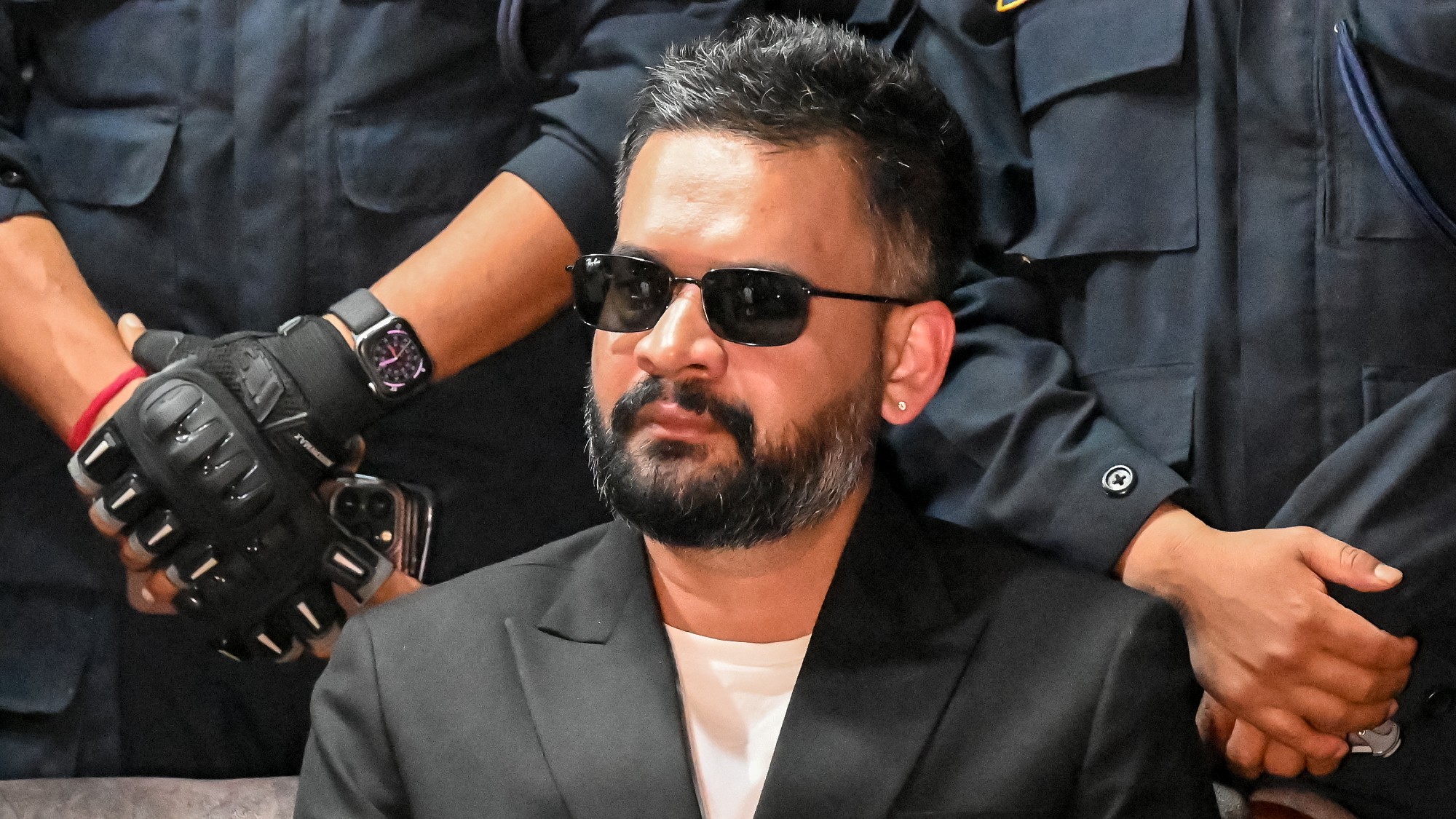
    Hip hop in the Himalayas: Nepal’s new prime minister

    Although he’s still only 35, Balendra Shah has already lived many different lives, said Hannah Beech et al. in The New York Times. He has been an engineer, a rapper and – until he stepped down this January – mayor of Nepal’s capital city, Kathmandu. But Balen (to give him the name by which he’s popularly known) now faces his biggest test yet… as Nepal’s youngest-ever prime minister. The “pugnacious” millennial – who has made a habit of ranting against his critics on social media and coming up with startling political observations (he has even praised “the managerial acumen of dictators like Hitler”) – hasn’t formally been declared the next leader of the Himalayan nation, but following the sweeping victory on 5 March of his centrist Rastriya Swatantra Party (RSP), the party he joined in December, he’s all but a shoo-in. 

    Balen’s success didn’t come out of the blue. As Kathmandu’s mayor, he cultivated the image of a no-nonsense politician keen to slash red tape. But his appeal skyrocketed after he voiced support for the violent youth demonstrations – the so-called Gen Z protests – that toppled the communist-led government of K.P Sharma Oli last September. People between the ages of 16 and 40 make up about 40% of the population – and younger voters turned out en masse for the RSP. Balen’s spectacular victory has “fundamentally changed” Nepali politics, said Biswas Baral in The Diplomat. Defying an electoral system that typically produces coalition governments, he achieved the “almost impossible” by helping the RSP, a party only founded in 2022, to win 182 out of 275 seats. The old political guard suffered a drubbing so severe that the country’s two main parties – the centre-left Nepali Congress and the Communist Party of Nepal (Unified Marxist–Leninist) – were left with just 38 and 25 seats respectively. They paid the price for endemic corruption, chronic political instability and high youth unemployment – issues Balen has promised to address.

    If anyone is to blame for the scale of their defeat, it’s Oli, said Jiba Raj Pokharel in The Himalayan Times. It was the 74-year-old communist PM who imposed the social media ban that triggered the Gen Z demonstrations last September, a ban that morphed into a broader movement against state corruption. The security forces opened fire on the crowd and, in the ensuing violence, 76 people died; parliament, the supreme court and other historic buildings were torched. By refusing to take “moral responsibility” for the killings, Oli guaranteed his own “political demise”. Balen stood against him in his seat in Jhapa and, unsurprisingly, beat him by some 50,000 votes. 

    This election should be seen as a “youthquake”, said The Kathmandu Post. For decades, Nepalese politics has been dominated by sexagenarians and septuagenarians, in a country where the median age is now just 26. But things are changing fast. In 2022, just 6% of Nepal’s politicians were aged under 40. Now 43% of the 165 directly elected MPs are (the rest are selected by parties in a PR list system). Although their election is, of course, a welcome development, this inexperienced new cohort must “transcend the lure of social media populism in favour of substantive, research-driven legislative reform”. 

    The RSP victory and the trouncing of the old guard is a boon to India and a blow to China, said the Tibetan Review. Nepal is strategically situated between Asia’s two largest powers, both of which compete for influence there. India is by far Nepal’s biggest trade partner, but under the premiership of Oli, an “unabashedly pro-China figure”, Beijing gained the upper hand. The precarious path Balen will now have to tread is maintaining “a delicate balance” between these regional super powers, said Sanjay Upadhya in the Nepali Times. “The challenge is to protect Nepal’s sovereignty while gaining the economic aid needed for growth.” It will be no easy task.


    It wasn’t all bad

    A team of tradesmen and farmers from a village in Staffordshire won a gold medal this week in the World Indoor Tug of War Championships in Taiwan. England’s team – the Sheen Farmers Tug of War Club – were considered underdogs, as seven of their eight athletes had never competed in the contest before. But in the event, they beat the Basque Country to seize the title in the 560kg category. Harry Lyons, one of the team’s front “pullers”, said he hoped their victory would help people see that the tug of war is a serious sport – and worthy of being reinstated to the Olympics.


    People

    Louis Theroux

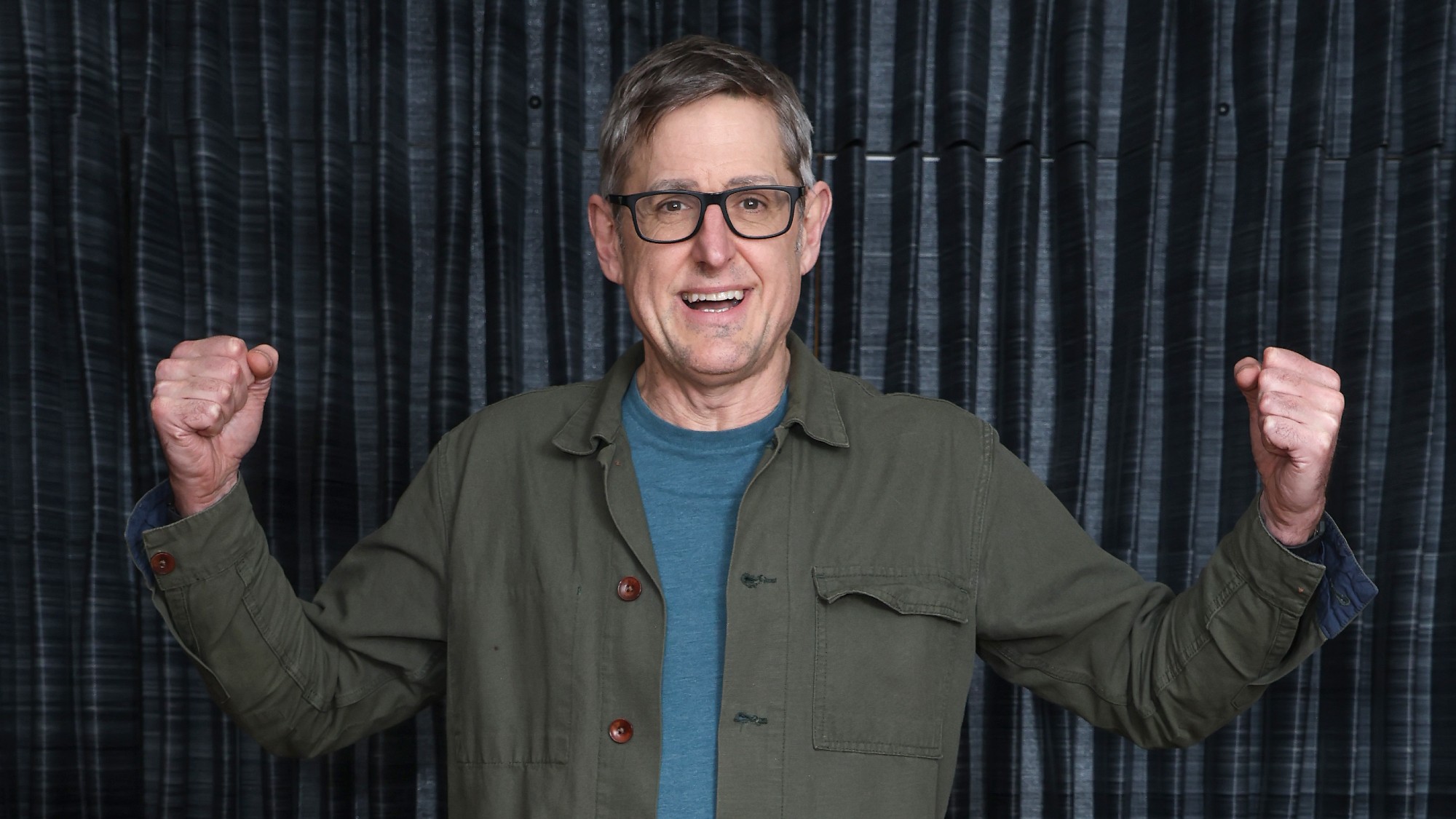
    The documentary maker Louis Theroux doesn’t cry much, he told Charlotte Edwardes in The Guardian, but he doesn’t judge those who do, and he’d like to cry more: “Sometimes, I’m like, ‘Come on!’,” he says, miming screwing his face up to cry. Things like not winning Baftas don’t get him there, but “normal relationship stuff” sometimes does.

    There was a near-miss, he says, when he dropped off his eldest son at university last September. He looked around, and saw “greying dads with glasses, dressing 10-20 years younger than they are, in skinny jeans. I was, like, ‘I’m not an individual, I’m a demographic. I’m just a vector for various sociological forces creating my identity.’ It was a strange feeling.”

    Then he had a revelation: this wasn’t just a rite of passage for his son, but for him, too. His brother Marcel told him: “‘It’s a bit like you’ve been delivered a parcel when he’s born, and then you successfully deliver it to the university and your job’s done.’ Which obviously it isn’t, life goes on, but I was, like, ‘Wow, this feels really emotional.’ And then I was, like, ‘I think I’m about to cry. I wanted to, I wanted to cry. And I felt, like, ‘It’s coming. It’s coming.’” He turned to his wife. “God, can you think back to when he was born?” he said. “‘Do you think we did a good job?’ And she’s, like, ‘Oh, knock it off.’ So we sort of aborted and I didn’t actually cry. But I think I could have done.”


    Image credits, from top: Aaron Schwartz / Bloomberg via Getty Images; Morteza Nikoubazl / NurPhoto via Getty Images; Prakash Mathema / AFP via Getty Images; Lia Toby / BAFTA / Getty Images for BAFTA
     

    Recent editions

    • Morning Report

      Congress flinches at Iran war cost

    • Evening Review

      Iran war threatens China peace

    • Morning Report

      Iran gas fields hit sparks new phase in war

    VIEW ALL
    TheWeek
    • About Us
    • Contact Future's experts
    • Terms and Conditions
    • Privacy Policy
    • Cookie Policy
    • Advertise With Us
    • FAQ
    Add as a preferred source on Google Add as a preferred source on Google

    The Week is part of Future US Inc, an international media group and leading digital publisher. Visit our corporate site.

    © Future US, Inc. Full 7th Floor, 130 West 42nd Street, New York, NY 10036.