The Week The Week
flag of US
US
flag of UK
UK
https://cdn.mos.cms.futurecdn.net/flexiimages/jacafc5zvs1692883516.jpg

SUBSCRIBE & SAVE

Less than $3 per week

Sign in
  • View Profile
  • Sign out
  • The Explainer
  • The Week Recommends
  • Newsletters
  • Cartoons
  • From the Magazine
  • The Week Junior
  • Student Offers
  • More
    • Politics
    • World News
    • Business
    • Health
    • Science
    • Food & Drink
    • Travel
    • Culture
    • History
    • Personal Finance
    • Puzzles
    • Photos
    • The Blend
    • All Categories
  • Newsletter sign up Newsletter
  • Saturday Wrap, from The Week
    A ‘precarious standoff’ in Iran, Plaid popularity, and the Greens riding high

     
    controversy of the week

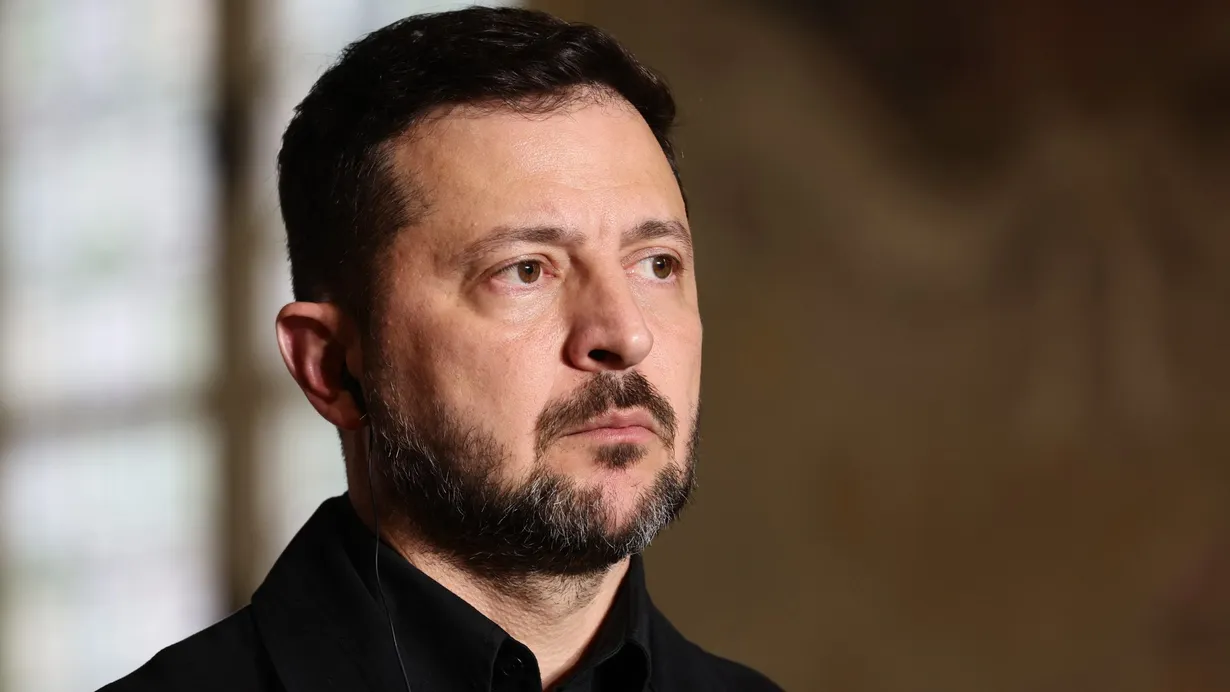
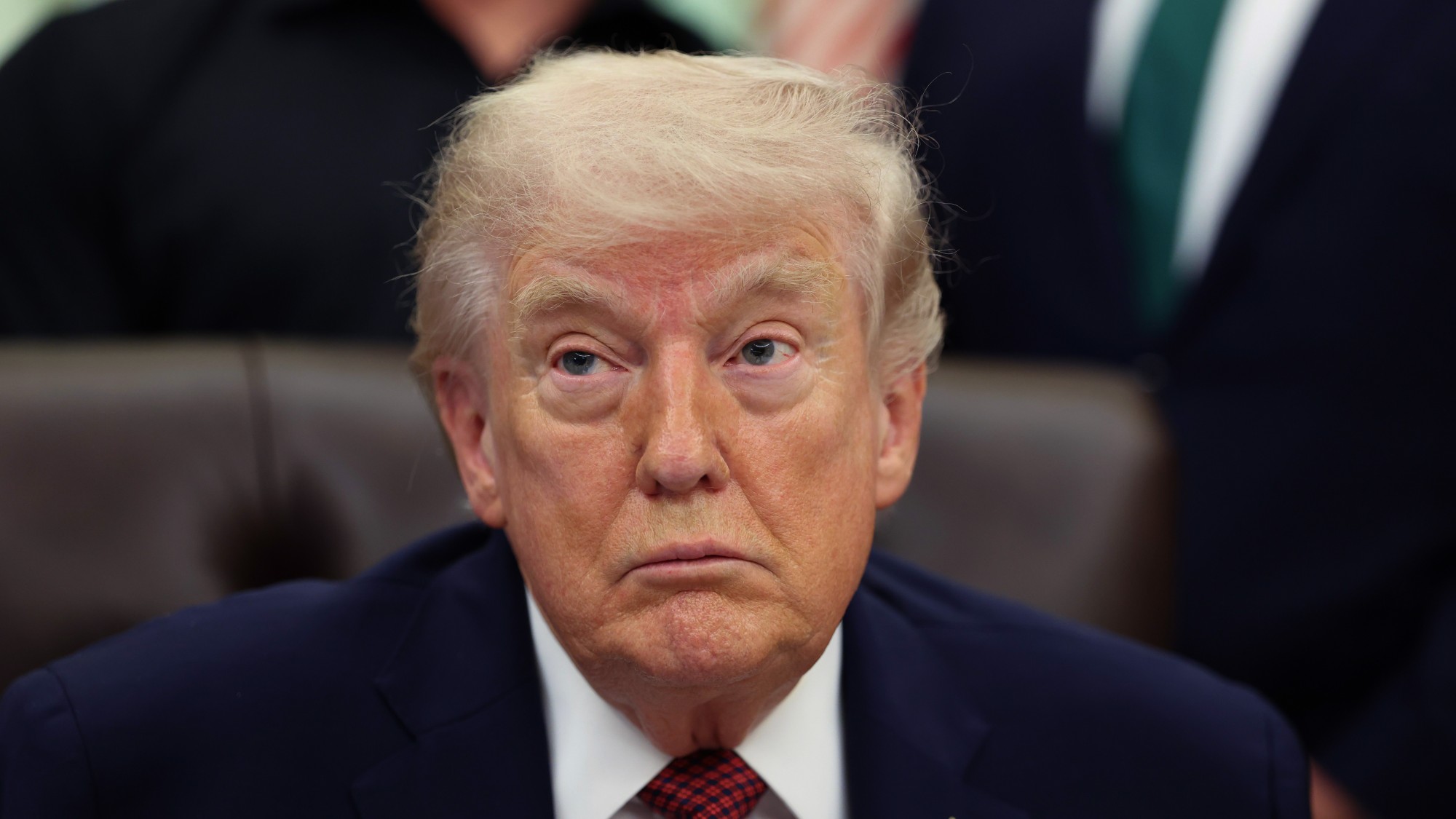
    Iran deadlock: is Trump now ‘stuck’?

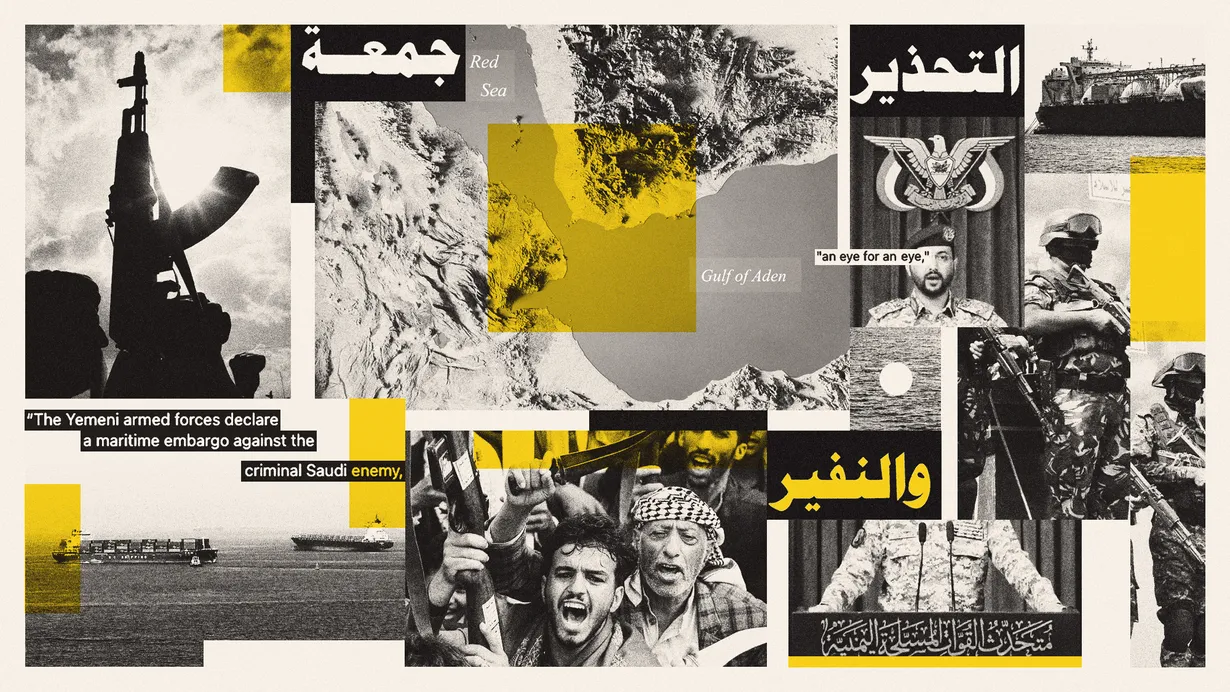
    Nine weeks since the start of Donald Trump’s Middle East war, the US and Iran “have entered a precarious standoff”, said the Financial Times. Trump says he won’t lift the blockade of Iranian ports unless Iran agrees to a deal. The Islamic regime insists it won’t resume talks or reopen the Strait of Hormuz as long as the blockade is in place. This “intransigence” caused the cancellation of a second round of talks in Islamabad – and “Trump is now stuck”. 

    He’s “trying to look relaxed”, said James Ball in The i Paper, but it’s not very convincing. The president promised voters a strong economy, with low inflation and cheap fuel; it’s becoming obvious he will deliver on none of these things. The midterm elections are looming, and there is an even more pressing deadline ahead of him: on 1 May, it will be 60 days since Trump notified Congress of his action against Iran, at which point, on paper at least, he needs congressional approval to continue military action. So far, most Republicans have not openly criticised his unpopular war. But they would prefer to avoid voting in favour of it. 

    Trump’s critics believe he has “worked himself into a trap”, said Walter Russell Mead in The Wall Street Journal, but the situation is “sustainable”, for now. True, the war has gone on longer than hoped, but financial markets have stabilised. Trump remains popular with his base. Without taking casualties, the US navy has “consolidated a crushing blockade of Iran”; and with a third aircraft carrier in the region, military options are expanding. The pressure on Iran is great, said Jonathan Spyer in The Spectator, but the US has made the mistake of believing its leaders think “like us”. They are not remotely pragmatic: they have “mortgaged” Iran’s economy to its project of “resistance” for decades. There appears to be no appetite now for accepting anything they “regard as surrender”. 

    Trump could cut a deal, said Paul Krugman on Substack, but it wouldn’t look like a victory. In the meantime, oil markets are pessimistic. The oil-price drop that followed the 8 April ceasefire has been near reversed. The world is coping by taking oil out of storage. “Since there’s only so much oil in the tanks, this can’t go on.” 

    The war has removed an estimated 650 million barrels of oil from the international market, said Andrew Neil in the Daily Mail. This could soon reach one billion. The effects are already all too visible in the Asia-Pacific region, which receives 80% of exports from the Gulf. Asian jet fuel has doubled in price. China has suspended exports of refined oil. The Indian rag trade is facing nylon and polyester shortages, because they’re made from Gulf petrochemicals. We’ve been shielded, because at the start of the war a record amount of oil was at sea, heading for Europe. It won’t last. 

    It’s not just Trump who has “no idea what to do”. Much of the world, including our government, is “sticking its fingers in its ears, shutting its eyes tight and loudly singing ‘la la la’”.


    Briefing of the week

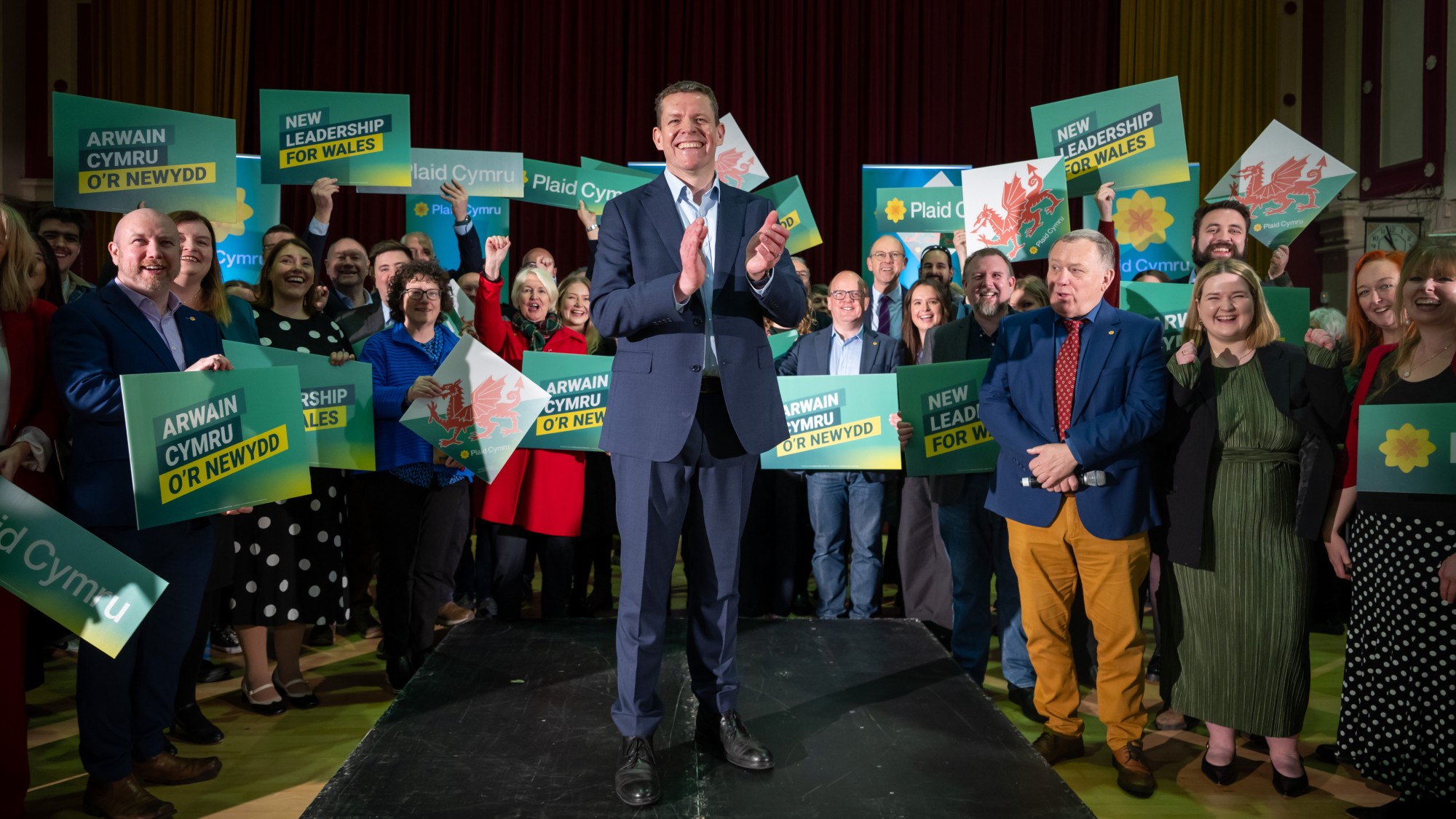
    Plaid Cymru’s road to power

    After next week’s elections, the Party of Wales looks likely to become the largest group in the Welsh Parliament

    What’s happening in Wales? 
    Labour has dominated Welsh politics for a century; since devolution in 1999, it has always been the largest party in Wales’s national assembly, known since 2020 as the Senedd Cymru, the Welsh Parliament. But the polls suggest Labour will drop to third place in the Senedd elections on 7 May, and that Plaid Cymru will emerge as the largest party – if it can beat Reform UK. According to the FT’s poll tracker, Plaid is projected to get around 29% of the vote, giving it more than 30 seats in the new, enlarged 96-seat Senedd (up from 13 out of 60). Reform is projected to get around 26% and Labour 16%. If this is right, Rhun ap Iorwerth, the party leader and Member of the Senedd (MS) for Ynys Môn (Anglesey), will become first minister, in a minority or coalition government. The direction of travel was suggested by the Caerphilly Senedd by-election last October. In that former Labour stronghold, Plaid’s candidate Lindsay Whittle, who had previously unsuccessfully contested 13 elections, won 47.4% of the vote. Reform took 36%, while Labour collapsed to 11%. 

    Why is Plaid set to eclipse Labour? 
    The party was founded a century ago and has long had a solid base of support among the country’s Welsh speakers – around 800,000 of its population of 3.2 million people. But support now seems to be surging. In Senedd elections, in which Plaid has generally won around 20% of the vote, it is well placed to capitalise on Labour’s difficulties. The most important factor is the poor state of Welsh public services (under the devolution settlement, Cardiff controls health and social care, education, transport, environment and local government). The NHS is particularly problematic. Despite recent improvements, 543,000 patients are on NHS waiting lists in Wales – about one in six – compared with one in 10 in England. Welsh schools are sliding down the international league tables. When the Conservatives were in power in Westminster, some of the blame could be placed on them, but with an unpopular Labour government in London, Welsh Labour can no longer blame England for its struggles. 

    Is this to do with Welsh identity? 
    Welsh identity is a powerful force: according to Office for National Statistics census figures from 2021, 55.2% of people in Wales identify as “Welsh only”, while 8.1% feel both Welsh and British, and just 18.5% identify as British only. But this does not appear to be growing more pronounced. Rather, according to Jac Larner of Cardiff University, what has happened is that voters have split into a progressive, Welsh-identifying bloc, and a conservative, British-identifying one. Plaid has wrested leadership of the progressive bloc from Labour, while Reform has taken leadership of the conservative bloc from the Tories. 

    What are Plaid’s policies? 
    Among its headline pledges are universal childcare, increasing child benefit by £10 per week, more out-of-hours GPs, and rent controls. But given how devolution works – about 80% of Welsh government spending comes from the UK government via the block grant, calculated using the Barnett Formula – many of its plans involve asking Westminster for more money and more powers. Plaid Cymru is, for instance, seeking £4 billion that it believes Wales is owed in transport funding (because it hasn’t benefitted from HS2). It wants control over the Crown Estate, which owns coastal areas, to be devolved so it can create wind farms and green jobs. Welsh Labour has also sought these, and has not been granted them. 

    What about independence? 
    The second article of Plaid Cymru’s constitution says: “As the National Party of Wales, the Party’s aims shall be: to secure independence for Wales in Europe.” However, Rhun ap Iorwerth says, if elected, he will not legislate for an independence referendum in his first term; he did not even mention the “i” word in his conference speech in February. This is pragmatic. A recent poll carried out for the BBC found support for Welsh independence at 32%, with 52% against and 16% uncertain. According to the Wales Office, the annual net fiscal deficit – between tax raised and spending on public services – is around £21.5 billion, or just under £7,000 per person in Wales. “There is an odd dynamic at play,” says the BBC’s Gareth Lewis: “the Welsh pro-indy parties tend to be talking about it less than those who are against it.” But Plaid will aim to build up to a referendum – as the SNP did. And, if elected, it will establish a National Commission to lay the groundwork for a future White Paper on Welsh independence. 

    How is Reform UK faring in Wales? 
    Reform has seen a much more rapid expansion in its support than Plaid Cymru: it won just 1.6% of the vote in the 2021 Senedd election, and most polls now show it in the mid-20s or in some cases even level-pegging with Plaid. Reform’s support is particularly strong in the formerly industrial South Wales Valleys, and, as in England, it is drawing a mixture of former Conservative voters and disillusioned traditional Labour supporters. It aims to scrap Wales’s net zero carbon targets, and the 20mph speed limits imposed by Labour – a totemic issue for many. Its leader Dan Thomas regards independence as a “huge risk”. A big electoral issue for him is whether left-leaning voters vote tactically to “stop Reform” – as they did in Caerphilly. And even if Reform becomes the largest party, Plaid, Labour and the Greens have all ruled out entering into a coalition with it. 

    How important will this vote be? 
    According to Ipsos, 52% of Welsh voters may still change their mind before 7 May. But if Plaid Cymru does win, it will be an important symbolic moment, not just in Wales. It seems likely that, after the elections, for the first time, all three first ministers in Wales, Scotland and Northern Ireland will want their nations to leave the UK, posing a major challenge to Westminster.

    A century of Plaid 
    Plaid Genedlaethol Cymru – originally the National Party of Wales – was founded in August 1925, as a social movement to support the Welsh language and national identity. Saunders Lewis, one of its founders, declared that “the chief aim of the party [is] to take away from the Welsh their sense of inferiority”. He was one of three men who set fire to the RAF Penyberth base in Gwynedd in 1936, in protest at its sitting in the Welsh-speaking heartland. Plaid was long a fringe party, contesting only a handful of seats in the early 1950s. The 1957 decision to flood the village of Capel Celyn in the Tryweryn Valley to supply Liverpool with water, made without the support of a single Welsh MP, boosted Plaid’s growth.

    In 1966, it won its first seat, Carmarthen, at a by-election. That MP, Gwynfor Evans, fought a campaign (including threatening a hunger strike) to force the Conservative government to establish S4C, a Welsh-language TV station, succeeding in 1982. From the 1970s on, Plaid’s support at general elections hovered around the 10% mark, but it mostly failed to expand beyond the Welsh-speaking areas in the north and west – Gwynedd, Anglesey, Ceredigion – to the more populous English-speaking Valleys and cities of South Wales.


    Spirit of the age

    Several railway stations in southeast England have had their bins removed, owing to new recycling rules. Since 31 March, businesses have been required to separate food, recycling and general waste at the point of disposal. So Govia Thameslink Railway has installed multiple new bins at its larger stations. But it has removed them entirely from unmanned stations, owing to fears that with no staff monitoring the bins, passengers will put their waste in the wrong one – and affect its recycling rate. It insists this has not led to any extra litter, but local residents disagree. They say people are chucking their rubbish in their streets and wheelie bins instead. “It’s totally stupid,” one told The Times. “What do you think is going to happen when you take away a bin?”


    VIEWPOINT

    It’s not them, it’s us

    “At what point, as you consider the Prime Minister’s shortcomings more in sorrow than in anger, as you size up likely successors and try to wonder, idly, whose wallpaper we’re on in Downing Street, do you start to think that you, the electorate, are the problem? If Keir Starmer falls on his sword, we’ll be on to our sixth prime minister in seven years. ‘The first five guys were just the wrong five guys’ starts to sound like the kind of thing Liza Minnelli would say, called upon to account for a life of torch songs. It’s the kind of thing Italy would say. Doesn’t there come a point in every electorate’s life that it has to splash some cold water on its face?” 

    Zoe Williams in The Guardian


    talking point

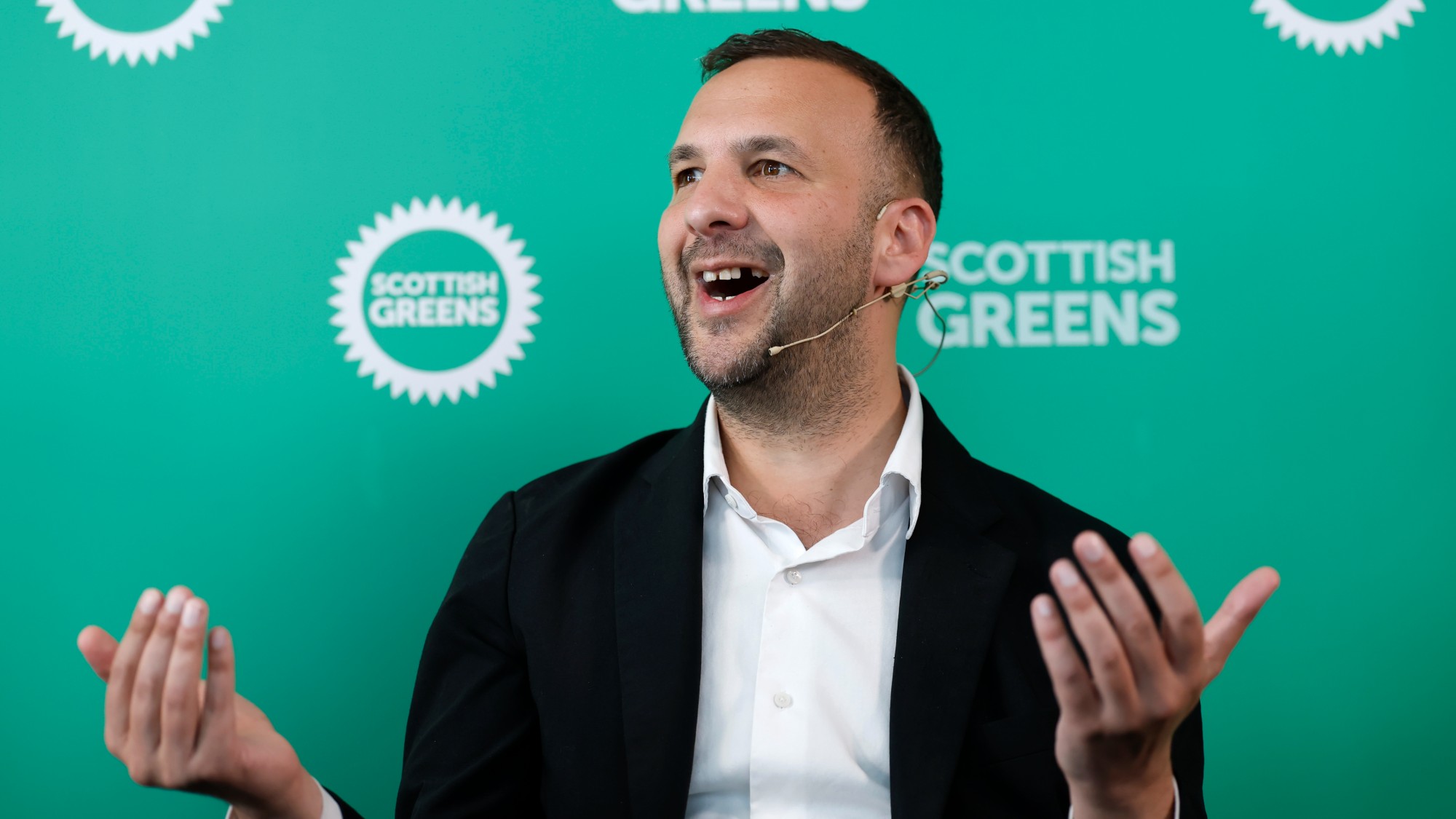
    The Greens: riding high in the polls

    Until a few months ago, most voters couldn’t have picked Zack Polanski out of a line-up. Now, the Green Party leader – who was elected in September – is so mobbed by crowds, he travels with a bodyguard, said Ailbhe Rea in The New Statesman. He gets stopped by teenagers in the street, and at the club nights he hosts, people cheer his name. It is strikingly “reminiscent of the Corbyn mania of 2017”. His life has been transformed, and his party has been too. His message, mixing hope with a “heavy dash” of left-wing populism, has gone down a storm. The party’s membership has grown from 80,000, when he became leader, to more than 226,000. The Greens won their first by-election in February, and are now on course to make big gains in next week’s local elections in England. 

    Keir Starmer has long been alive to the threat posed by Reform UK, said Chloe Chaplain in The i Paper – and in response, Labour has shifted to the right in some areas. But there is a growing realisation that the Greens pose an equal threat. Reform is still expected to win the biggest vote share on Thursday, but by focusing on issues such as Gaza (where it accuses Labour of being complicit in a genocide) and “affordability”, the Green Party has won over many ethnic minority voters, young progressives and Corbynistas. In London, the party is set to win four councils – including Hackney and Lambeth – that have been Labour-run for decades. 

    Yet Polanski’s brand of Corbynism is risky, said Daisy Eastlake in The Times. Several of his candidates have been exposed for “incendiary views” (one shared a video saying that a synagogue attack was “not antisemitism” but “revenge”); and he has caused alarm by suggesting that British Jews might be experiencing a “perception of unsafety”, not real danger. Have the people planning to vote Green any idea of the chaos the party would wreak, wondered Danny Cohen in The Daily Telegraph. As well as legalising hard drugs and reducing income inequality by enforcing a maximum 10:1 pay ratio for organisations, it wants to remove many barriers to immigration.

    Polanski is riding high now, but soon he will come up against the challenges facing Reform UK, said John Rentoul in The Independent – including novice councillors who struggle to get the basics right, let alone deliver on their “impossible” campaign promises; and national policies that are treasured by members but unpopular with the broader electorate. Polanski might be pragmatic enough to drop these, but there is a problem: in the Green Party, it is the members who decide policy.


    It wasn’t all bad

    A video of an orangutan using a canopy bridge to cross a road has given hope that the species can survive the fragmentation of its habitat in Indonesia. Conservationists built the bridge in 2024, over a road in North Sumatra that was much needed by local people, but which had cut through a forest, splitting the 350 orangutans that lived there into two populations. Squirrels and other animals soon started using the bridge; now, finally, an orangutan has been filmed following suit. “You should have heard the cries of delight,” Helen Buckland, of the Sumatran Orangutan Society, told The Guardian.


    People

    Andrew Lloyd Webber

    After many years of lying about his drinking, Andrew Lloyd Webber wants to come clean, says Melissa Denes in The Sunday Times. “I am a recovering alcoholic,” he says, hands spread on the table in front of him. “Sixteen months ago I decided that I needed help and it’s the best thing that ever happened to me.” 

    He’d stopped drinking before, in 2015, but then quietly resumed after 18 months, having decided that it boosted his creativity. “You think it’s secret, but it’s not,” he says of his drinking. “Everybody knows.” He decided to try again, he says, after going on a “downhill spiral” that had left his wife “feeling she couldn’t go on”. And this time, he took it very seriously. 

    At 78, he is selling the wine collection he began to amass at 15; and he has started attending AA meetings. To his surprise, he found that he liked, even “adored”, the sessions. “You get this thought that it’s a load of meth drinkers coming in off the streets,” he explains. “Not at all. What I love about it is, you go into a room and everybody’s equal. I’ve made friends that I wouldn’t have thought possible.” He now attends a meeting every day, wherever in the world he is. 

    Does he get recognised? “Of course, but it’s not an issue.” He particularly enjoyed a meeting in St Louis, Missouri. “It was great fun,” he recalls. “When you get a whole load of rednecks, it’s rather different to a meeting in Chelsea.”


    Image credits, from top: Tasos Katopodis / Getty Images;  Matthew Horwood / Getty Images; Jeff J Mitchell / Getty Images; John Nacion / Variety / Getty Images
     

    Recent editions

    • Morning Report

      Congress ends record-long DHS shutdown

    • Evening Review

      Tech backlash in schools

    • Morning Report

      Supreme Court curbs Black voting power

    VIEW ALL
    TheWeek
    • About Us
    • Contact Future's experts
    • Terms and Conditions
    • Privacy Policy
    • Cookie Policy
    • Advertise With Us
    • FAQ
    Add as a preferred source on Google Add as a preferred source on Google

    The Week is part of Future US Inc, an international media group and leading digital publisher. Visit our corporate site.

    © Future US, Inc. Full 7th Floor, 130 West 42nd Street, New York, NY 10036.