The Week The Week
flag of US
US
flag of UK
UK
https://cdn.mos.cms.futurecdn.net/flexiimages/jacafc5zvs1692883516.jpg

SUBSCRIBE & SAVE

Less than $3 per week

Sign in
  • View Profile
  • Sign out
  • The Explainer
  • The Week Recommends
  • Newsletters
  • Cartoons
  • From the Magazine
  • The Week Junior
  • Student Offers
  • More
    • Politics
    • World News
    • Business
    • Health
    • Science
    • Food & Drink
    • Travel
    • Culture
    • History
    • Personal Finance
    • Puzzles
    • Photos
    • The Blend
    • All Categories
  • Newsletter sign up Newsletter
  • Saturday Wrap, from The Week
    A Badenoch blunder, China going green, and Russia’s dearth of workers

     
    controversy of the week

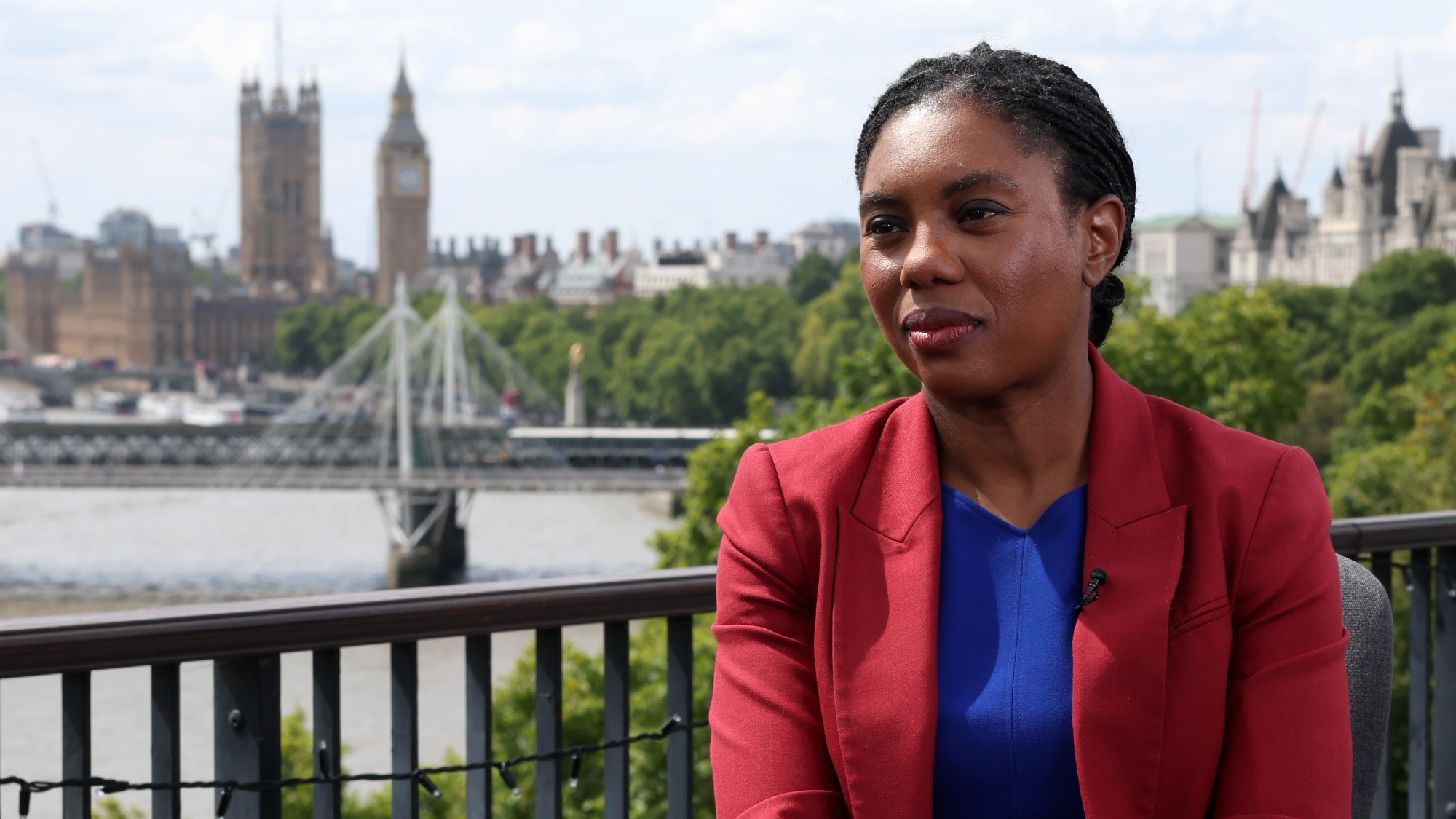
    Kemi Badenoch: backing a former neo-Nazi

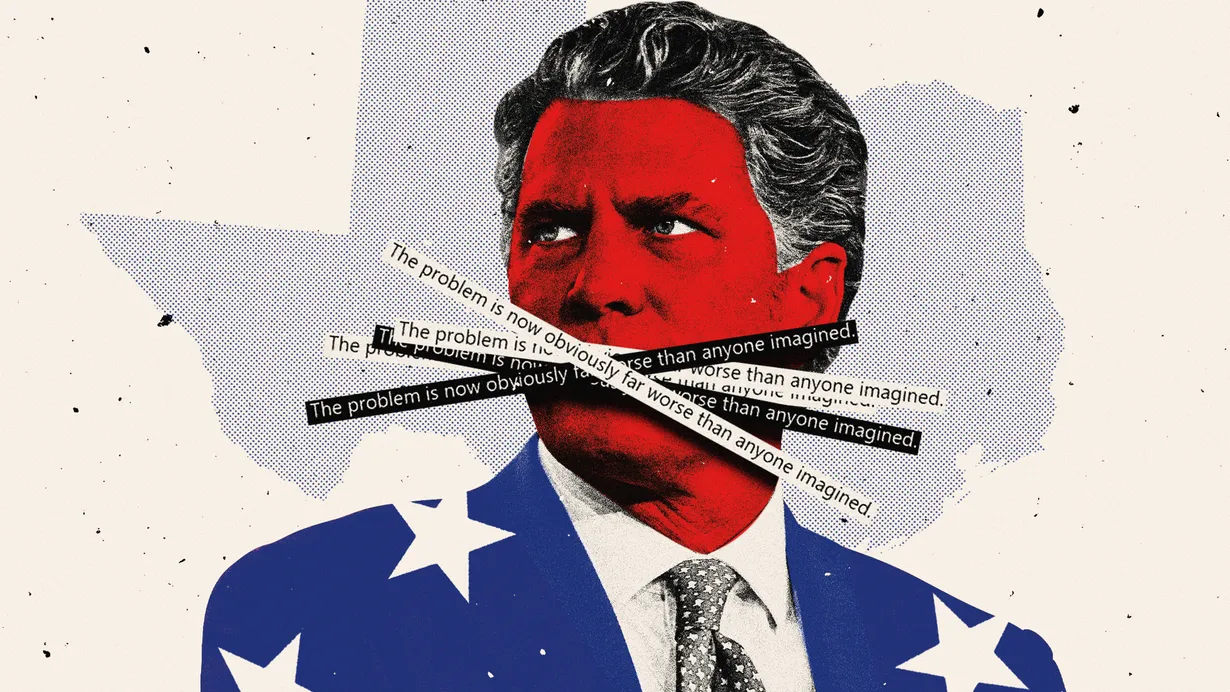
    Kemi Badenoch is not a fool, said Tom Harris in The Telegraph; nor is she remotely an antisemite. So why did she stick her neck out for Joshua Bonehill-Paine, the former neo-Nazi who’d hoped to stand as a Tory councillor in Somerset? Having served time in jail for waging a repulsive campaign of racial hatred against the former Labour MP Luciana Berger, Bonehill-Paine claims to be a reformed character, dedicated to fighting antisemitism. And perhaps he is – but that didn’t make it appropriate for him to stand for office, especially when he hadn’t even apologised to Berger for what he termed “Operation Filthy Jew Bitch”.

    Yet when his candidacy was being condemned by all sides last week, Badenoch defended it; and when he withdrew it, she gave him a role as an adviser on radicalisation instead. The Tory leader is savvy enough to have seen the risk to her reputation. So the only possible explanation for her apparent poor judgement is that she believes in second chances – and has the courage to stick to her principles, even if they make her unpopular. 

    I don’t buy it, said Rachel Cunliffe in The New Statesman. Her belief in “second chances” was not in evidence in 2024, when it emerged that the Labour minister Louise Haigh had been convicted of fraud a decade ago. We need “conviction politicians”, she said, “not politicians with convictions”. Yet Haigh’s offence – falsely reporting the theft of a mobile phone – was as nothing compared with Bonehill-Paine’s (who also has a conviction for assault). Unwisely, Badenoch tried to further justify his candidacy by saying he’d only sought a local platform – “looking at parking and sorting out bins” – thus insulting her existing councillors at the same time. 

    In May, Badenoch impressed many by taking a clear stand against antisemitism, said Kate Maltby in The Observer. Yet last week found her supporting a former neo-Nazi – presumably because she’d decided that the Tories needed his Crewkerne Gazette platform, known for its viral AI videos mocking Labour, to be on its side.

    This row has revived “wider concerns” about her entire strategy of tacking to the right, said Kitty Donaldson in The i Paper. Only days earlier, Badenoch had warned that ex-centrist MPs – who support net-zero targets, or don’t want the UK to leave the ECHR – won’t be allowed back into the parliamentary party. But while she seeks to win votes from Reform UK, her critics argue that, for an outright majority, the Tories need to win back the seats they’ve lost to the Lib Dems. Time will tell who is right, but for now, the One Nation lot are well and truly out in the cold.


    Briefing of the week

    China’s green revolution

    Beijing is embracing clean energy on a massive scale. What does this mean for the world?

    What’s happening?
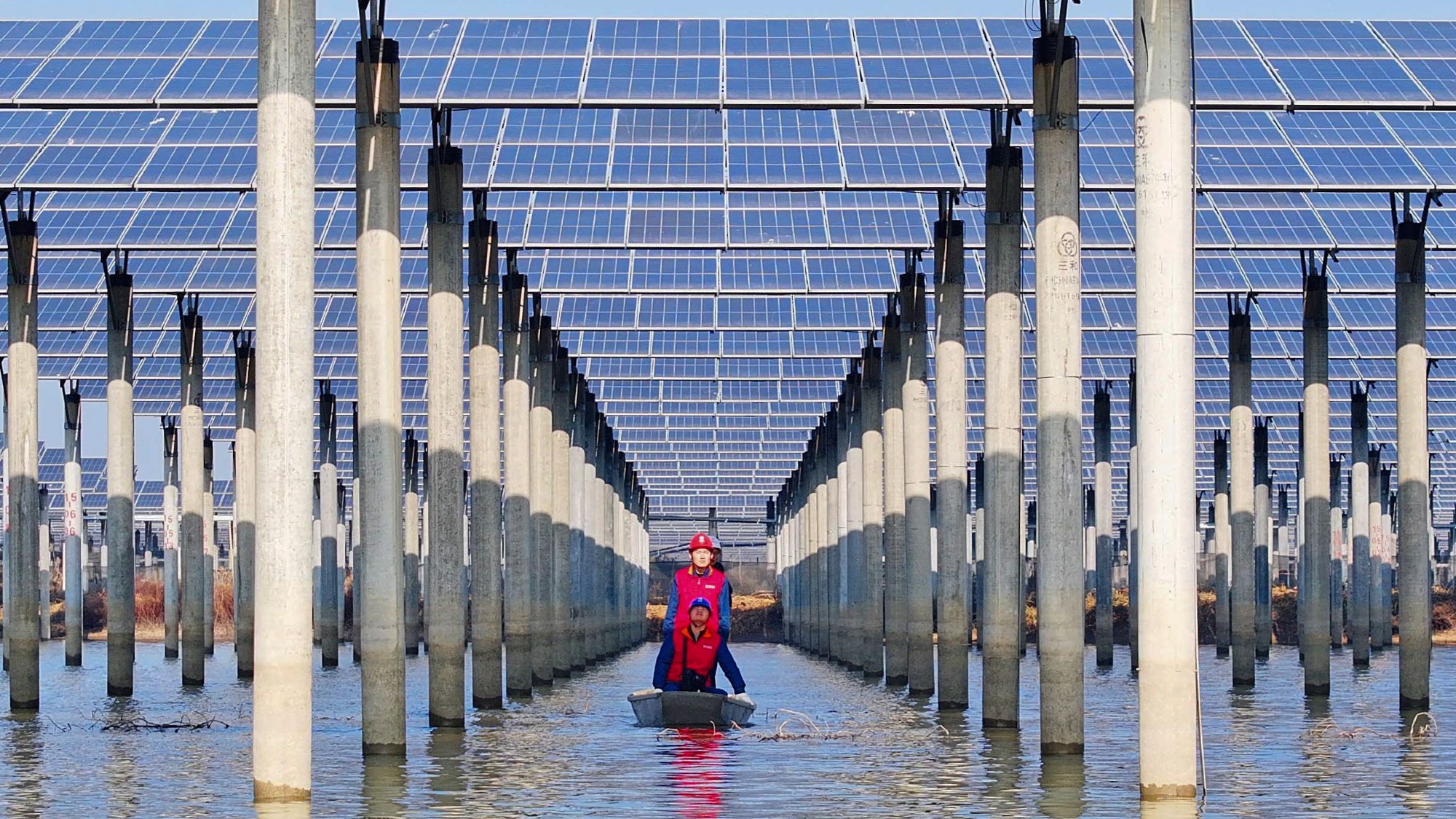
    China has been the world’s biggest polluter since 2006, but in recent years, it has emerged as a clean energy superpower. Huge swathes of China – from the mountain plateaus of Tibet, where the sun shines brighter in the thin air, to the coast off Qingdao – are now covered by solar panels and wind farms. It is the first country in the world to have installed more than a million megawatts (MW) of solar power – almost double Europe and America’s combined solar capacity, generating enough electricity to power the entire EU. In May 2025, it installed solar panels at a rate of up to 100 a second. It’s also betting big on wind: a surge in turbine installations means that its wind capacity is now well over three times higher than that of its nearest competitor, the US. 

    What explains this shift?
    With a population of 1.4 billion and accounting for around a quarter of global manufacturing, China is the world’s largest consumer of energy. Beijing regards its reliance on Middle Eastern oil and gas as a dangerous vulnerability: about 70% of its oil is imported, much of it passing through the Straits of Hormuz and Malacca. China’s rise as a manufacturer was built on coal, but its leaders have also long been concerned about pollution and climate change. Green energy is seen as a solution to all these problems. 

    Is China a green economy?
    In some ways, yes. Analysts believe that China’s emissions may have already peaked. But Beijing isn’t just betting on renewable electricity. It continues to build coal-fired power plants at an eyewatering rate: 85 are due to open this year alone, and it’s building 36 nuclear reactors. China’s National Energy Administration installed over 500 gigawatts (GW) of new power capacity in 2025; the UK grid’s total capacity is around 70 GW.

    As a result, China is sometimes described as the world’s first “electrostate”. It is electrifying everything from industry to cars. And the role of green electricity is growing. Coal, which accounted for about 80% of electricity in 2000, provided just 55% in 2025, while wind and solar rose to around 20% from practically nothing over that period. Beijing sees green tech as a source of energy security, future prosperity and influence abroad. 

    How has it built up this industry?
    The Made in China 2025 industrial plan, launched in 2015, identified it as a core strategic sector, concentrating on the “new three” industries – solar, batteries and electric vehicles, moving away from lower-value sectors such as textiles and cheap electronics. China also moved to dominate supply chains for the raw materials: cobalt, nickel, graphite, rare-earth metals. Local governments offered cheap land, subsidised electricity, and state-backed credit to manufacturers. Much of the groundwork had been done before. Chinese researchers studied in Europe and North America, where all these technologies were pioneered; Western companies sold equipment and production lines. Since then, China has left its rivals in the dust.

    What effect has this had?
    China now controls 90% of the world’s solar manufacturing, more than 70% of wind turbines, 80% of battery cells, and 70% of electric vehicles. This is leading to plummeting costs across the world: solar panel prices have fallen by some 90% in the past decade (though installation costs have fallen more modestly). The solar boom means that panels are now a ubiquitous sight on rooftops in Pakistan, India and across Africa, providing low-cost energy for millions of people. In March, driven by the Iran war, exports of Chinese solar panels hit a record 68 GW-worth, double the previous month, with demand especially strong in Southeast Asia and Africa. Chinese wind turbines are now 30%-50% cheaper than those made in the US or Europe.

    What are the downsides to this?
    The UK, like much of the West, has been wiped out as a producer of solar panels and batteries; China has cornered the market. Europe still has a wind turbine industry – there is a major Siemens Gamesa factory in Hull – but they rely heavily on crucial Chinese components, such as high-strength magnets. There are ethical concerns about Chinese green tech supply chains: over 50% of polysilicon, a key raw material used in solar panels, is produced in Xinjiang, where Uyghur Muslims have been subjected to forced labour.

    There are also national security concerns about China’s chokehold over a crucial sector: theoretically power units could contain kill-switches or data-harvesting features. Against this has to be set the benefits to the world of cheap tech, subsidised by the Chinese state – providing power that is cheaper, cleaner and less vulnerable to supply shocks or price jumps than oil and gas.

    Will the boom continue?
    Despite its apparent successes, China’s solar industry is currently in the midst of a major downturn: all five of the major Chinese players in this sector posted losses for the last quarter, totalling 7 billion yuan (£770 million). This is partly because of a production glut driving prices down, but also because exporting Chinese panels is becoming more difficult: the US Uyghur Forced Labour Prevention Act bans the import of goods made with materials sourced from Xinjiang; India has imposed new tariffs; and the rollout of solar energy has slowed in Europe, owing to grid connection limits.

    China’s renewable sector, like the UK’s but on a larger scale, also faces storage and connection problems, because renewables are intermittent and often far from population centres. But the direction of travel is clear. According to the International Energy Agency, solar will become the biggest single electricity source in the early 2030s, with wind power second in line. And China will be at the forefront of that transformation.

    Engineers vs. lawyers
    In his book “Breakneck: China’s Quest to Engineer the Future”, Dan Wang argues that China is an “engineering state”, run by leaders with technical backgrounds, while the US is a “lawyerly society”, driven by a legal mindset. China’s technocratic, top-down culture allows it to quickly build megaprojects, construct vast numbers of homes, and make long-term plans to dominate certain sectors of manufacturing. The rights-based mindset of the US, by contrast, often leads to gridlock, slower infrastructure development, and an obsession with process rather than output.

    There are great human costs to treating China’s society as a big engineering exercise, the most famous example being the one-child policy. Economically, it also often leads to inefficiencies and overproduction. The state is often not an effective allocator of capital; in recent years, driven by government subsidies and centralised production goals, supply has massively outpaced demand in the real estate and green tech sectors. On the other hand, the US free market system is arguably too fixated on short-term profits and efficiencies; while fast-changing political priorities – and President Trump’s dislike of renewables – mean that it has surrendered leadership in solar and wind.


    Spirit of the age

    Half of children under 16 in the UK have been given at least one AI-enabled toy or device, though 75% of parents worry that such toys could expose their children to unwanted content or data vulnerabilities.


    VIEWPOINT

    Why teenagers don’t read

    “Look at the GCSE reading list: ‘Macbeth’, ‘Dr Jekyll and Mr Hyde’, ‘Animal Farm’, ‘Lord of the Flies’. Murder; murder; authoritarian rule; social breakdown, the bullying of fat boys with glasses – then murder. If teen reading rates are plummeting, maybe it’s because the reading list is so dry and depressing. Where are P.G. Wodehouse, Douglas Adams, Adrian Mole, Oscar Wilde, Nancy Mitford, Terry Pratchett? I’m a 51-year-old author of nine books and even I wouldn’t want to spend a long, hot summer going line by line through ‘Dr Jekyll and Mr Hyde’. I too would want to go on TikTok and watch a girl with rainbow eyes eat noodles.” 

    Caitlin Moran in The Times


    talking point

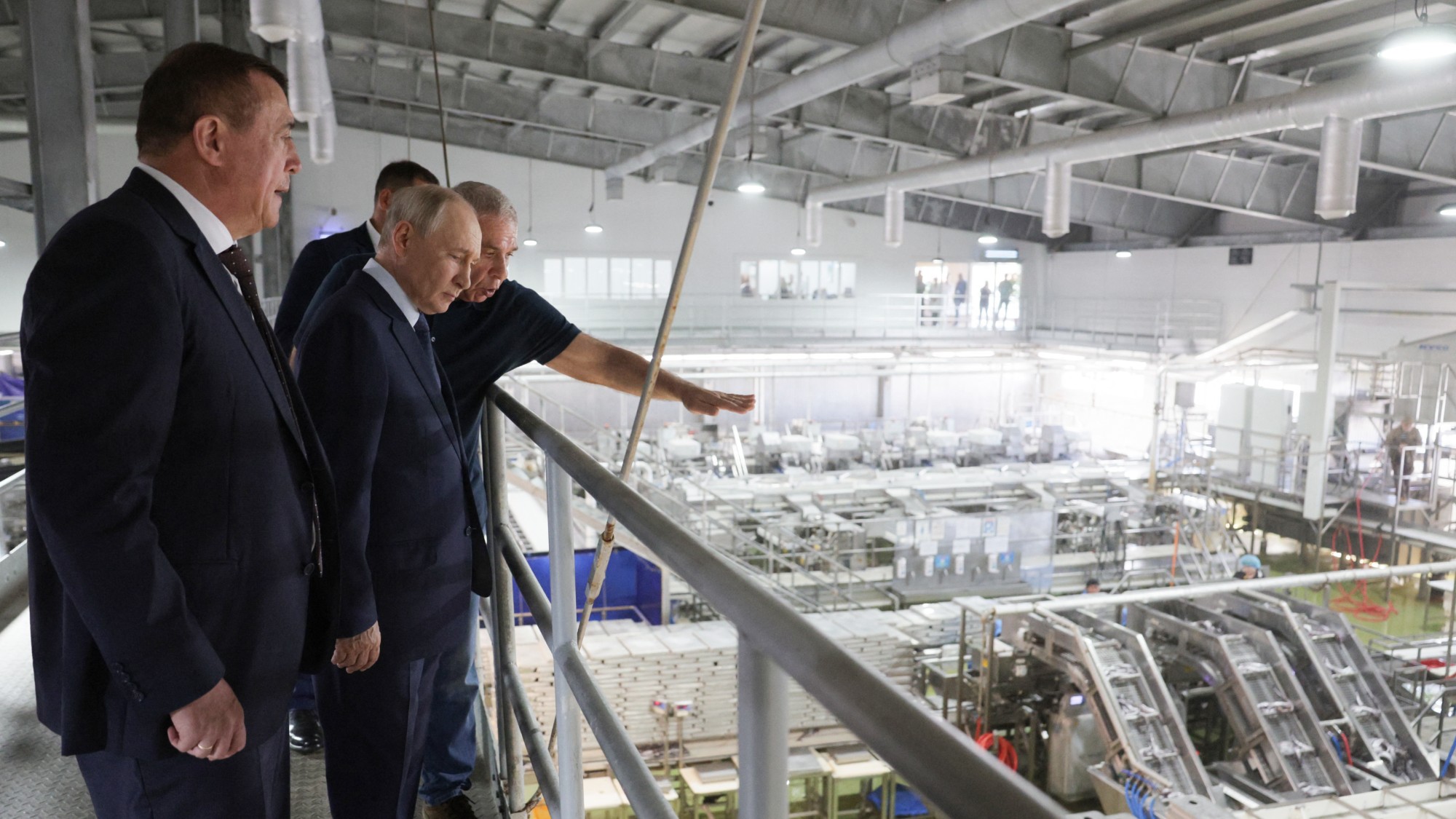
    Putin’s Russia: a land that has ‘run out of workers’

    Growth may be slowing, but Russia’s economy is essentially sound. That’s the message Vladimir Putin is keen to purvey; and by way of proof he cites Russia’s incredibly low unemployment rate: just 2.1%. He’s got it back to front, said Alexander Kolyandr in The Spectator. Far from being a comfort, this figure should cause Putin huge alarm. It underscores the fact that his nation is undergoing its worst labour crisis in decades: it “has run out of workers”. The crisis has its roots in the low birth rates of the 1990s, but the war in Ukraine has “poured fuel on it”. 

    It certainly has, said the Luxembourg Times. Men are being sent to the front in vast numbers: the target number of contract soldiers to be signed up this year is 409,000. And the high pay they’re being offered as a lure is crippling the economy. In 2022, a contract soldier’s monthly salary was about four times the average Russian wage. It’s now closer to twice the average wage because the defence industry (employment in military production has risen by half a million since 2021), the railways and other big state sectors have all had to hike up wages in an effort to compete. As a result, companies in the civilian sector are finding it increasingly difficult to survive. 

    Yet the remedies the Kremlin has pursued to tackle the crisis have been woefully insufficient, said Samuel Bendett and Maria Snegovaya in Foreign Policy. Expanding forced prison labour, a familiar Soviet strategy, is no longer an option as so many convicts have already been sent to the front lines. (The jail population has shrunk from 465,000 in 2021 to 282,000.) So too with the plan to open jobs hitherto deemed too physically taxing or dangerous to women, as their number in Russia’s labour market is remarkably high already. 

    Such measures fail to get to grips with the sheer scale of the problem, says Mathias Brüggmann in Die Tageszeitung (Berlin). Since the Russian invasion of Ukraine, 1.4 million Russian soldiers have been killed or badly wounded. The only solution to Russia’s chronic labour shortage is increased migration. Yet since March 2024, when Tajik terrorists killed 149 people in an attack on Moscow’s Crocus City Hall, the Kremlin has gone in the opposite direction, imposing harsh new rules on migrants, especially those from the former Soviet states in Central Asia – Russia’s largest immigrant group. Their number has fallen dramatically. Issuing 70,000 Chinese and 34,000 Indians work permits this year hasn’t been nearly enough to plug the gap. 

    In fact, Russia’s economy has now entered “the death zone”, said Alexandra Prokopenko in The Economist. The budget deficit is spiralling out of control; export revenues are falling. The longer the war lasts, the greater the risk of fiscal crisis, of institutional collapse, “of damage so severe no post-war policy can repair it”.


    It wasn’t all bad

    A rare turtle that washed up on a beach in Anglesey has embarked on the 5,000 journey home to the Gulf of Mexico. The critically endangered Kemp’s ridley sea turtle was found by a dog and its owner in December 2023, “cold stunned” and barely alive, having strayed out of its normal warm waters. Staff at Anglesey Sea Zoo spent the next two-and-a-half years nursing it back to health, until it was deemed fit to go home. In an epic trip facilitated by conservationists and officials on both sides of the Atlantic, it flew by helicopter to Denham in Buckinghamshire, whence it was driven to Heathrow to catch a plane to Texas – prior to its release in the Caribbean Sea. Its keepers said that it belonged in the wild and that it was “emotional” to think of it returning there.


    People

    John Hannah

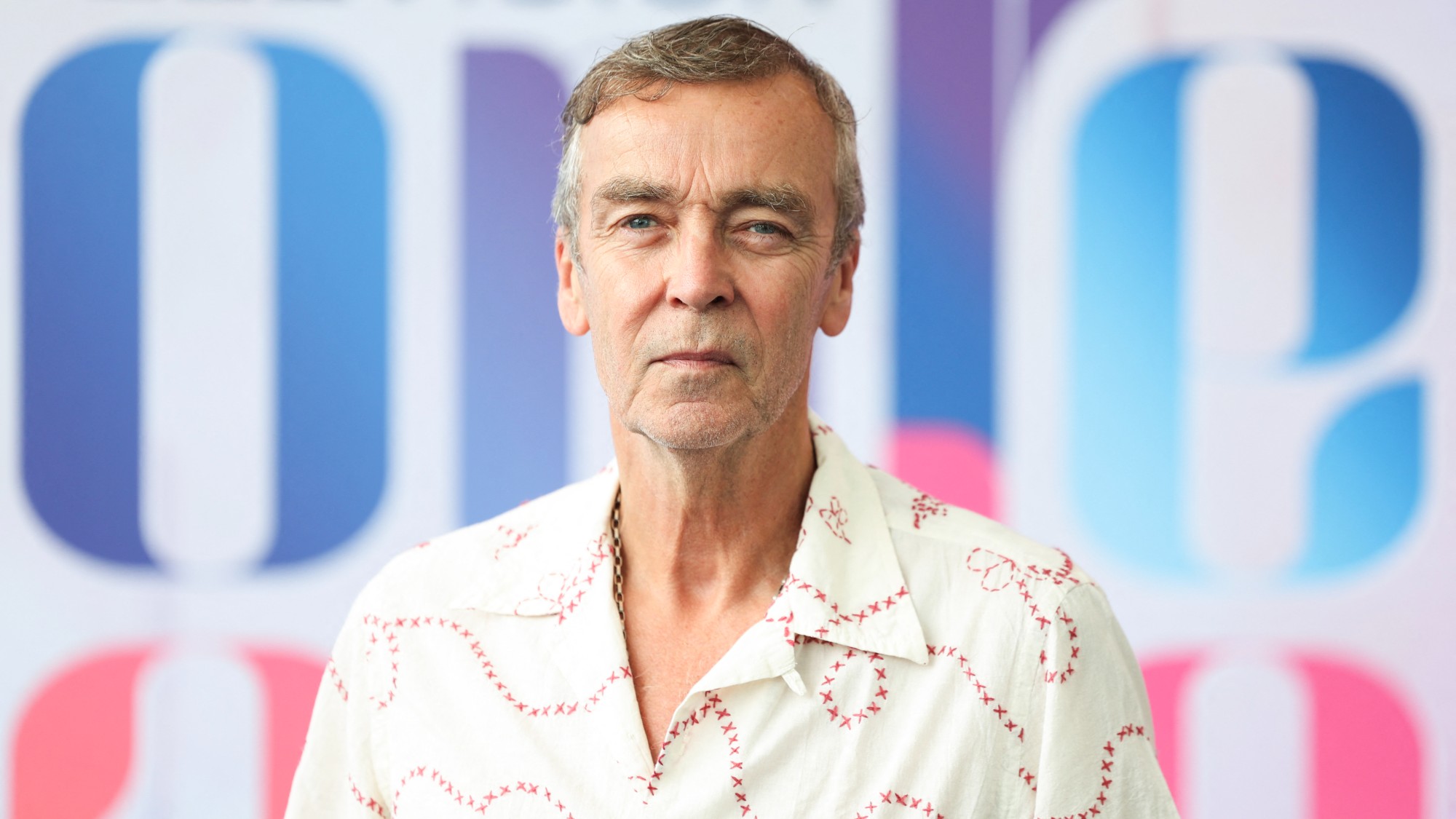
    At 64, the actor John Hannah is in a good place, career-wise. He accepts parts when they take his fancy, while his regular gig voicing the BBC’s “Race Across the World” “keeps me in beer money”. 

    But he hasn’t always been so relaxed, says Ben Dowell in The Times. When he got his big break, as the grieving Matthew in “Four Weddings and a Funeral”, he found it difficult to adapt to fame, and had therapy “just to deal with how life had changed”. “Listen, it’s great, people know who you are, you can get a table at a restaurant,” he says. But at the same time, recognition “disturbed my mind and my sense of my place in the world… and maybe even my sense of myself as being very working class.” Perhaps, he concedes, that was innate: “Being Scottish, they say we’re very balanced, because we have a chip on each shoulder.” 

    But he found it infuriating, that doors were now open to him that had been closed before. When he was still unknown, the National Theatre hadn’t even let him reschedule an audition, so he could get to the dentist. “And then just after ‘Four Weddings’ I was offered a lead part in a musical, and I’m not musical.” He was, he says, “really angry at how things had changed, how people had changed, how you were suddenly perceived differently. It pissed me off for a while and I thought, ‘This is terrible, I’m having such a great time and yet I’m so f**king angry.’”


    Image credits, from top: Dan Kitwood / Getty Images; CN-STR / AFP / Getty Images; Gavriil Grigorov / POOL / AFP / Getty Images; Valery Hache / AFP / Getty Images
     

    Recent editions

    • Morning Report

      Rough seas for US aircraft carriers

    • Evening Review

      Trump attacks the oil industry

    • Morning Report

      ICE’s shocking new tool

    VIEW ALL
    TheWeek
    • About Us
    • Contact Future's experts
    • Terms and Conditions
    • Privacy Policy
    • Cookie Policy
    • Advertise With Us
    • FAQ
    Add as a preferred source on Google Add as a preferred source on Google

    The Week is part of Future US Inc, an international media group and leading digital publisher. Visit our corporate site.

    © Future US, Inc. Full 7th Floor, 130 West 42nd Street, New York, NY 10036.