The Week The Week
flag of US
US
flag of UK
UK
https://cdn.mos.cms.futurecdn.net/flexiimages/jacafc5zvs1692883516.jpg

SUBSCRIBE & SAVE

Less than $3 per week

Sign in
  • View Profile
  • Sign out
  • The Explainer
  • The Week Recommends
  • Newsletters
  • Cartoons
  • From the Magazine
  • The Week Junior
  • Student Offers
  • More
    • Politics
    • World News
    • Business
    • Health
    • Science
    • Food & Drink
    • Travel
    • Culture
    • History
    • Personal Finance
    • Puzzles
    • Photos
    • The Blend
    • All Categories
  • Newsletter sign up Newsletter
  • Sunday Shortlist, from The Week
    An ‘irreverent, counter-historical’ delight, and a ‘book of great importance’

     
    FILM REVIEW

    The Housemaid 

    Psychological horror with Sydney Sweeney is ‘kind of a scream’

    Sydney Sweeney seems to have more vehicles than Hertz these days, said Jonathan Romney in the Financial Times. This latest, helmed by “Bridesmaids” director Paul Feig, is adapted from a novel by Freida McFadden – and it’s as formulaic as they come.

    Sweeney plays Millie, a young woman who gets a job working as a live-in housekeeper in a Long Island mansion belonging to “laid-back tech bro” Andrew Winchester (Brandon Sklenar) and his wife, Nina (Amanda Seyfried). But obviously “nothing is what it seems”: Millie is hiding a chequered past, while the Winchesters themselves are far from kosher. Andrew is suspiciously charming. Nina is increasingly unhinged, and has an “uncanny knack of materialising unexpectedly whenever Millie shuts a mirrored medicine cabinet”. The scene is thus set for simmering sexual tension and ludicrous generic thrills.

    “The Housemaid” is a “full-tilt throwback” to the erotic thrillers of the 1990s, said Tim Robey in The Telegraph. And “if plausibility doesn’t bother you”, it “is kind of a scream”. The logic of the plot is “paper-thin”, agreed Clarisse Loughrey in The Independent. But it’s not uninteresting in the way that it deals with women’s mental health, and the “hypocrisy” around it: Nina is clearly unstable, yet her friends don’t hesitate to discuss her trauma as if it were “an amuse-bouche bit of gossip”. And it’s Seyfried who makes the film, shifting “imperceptibly between mean girl, bunny boiler, and sympathetic sufferer”. “The Housemaid” seems to be straining after a Hitchcockian atmosphere, which it certainly doesn’t achieve – but it is an enjoyably “pulpy” concoction.


    THEATRE REVIEW

    Oh, Mary! 

    Mason Alexander Park ‘gives the funniest performance in town’ as former First Lady Mary Todd Lincoln

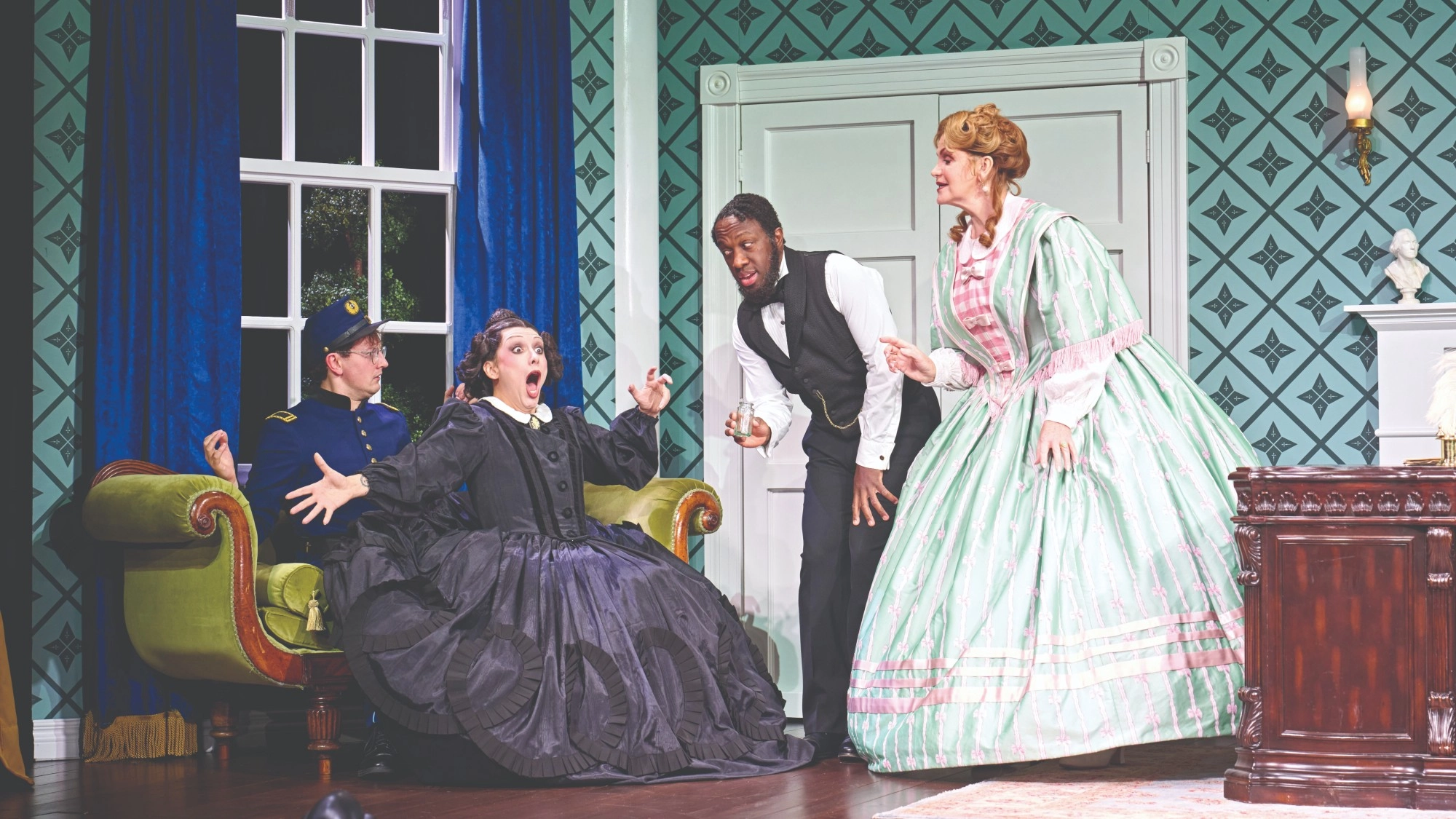
    Cole Escola’s comedy about the life of Mary Todd Lincoln has been a smash hit in New York, said Dominic Cavendish in The Telegraph. A “knowingly bogus” portrait of the former US first lady as a volatile dipsomaniac and frustrated cabaret star, the show has been running on Broadway since June 2024, and has won two Tonys. Now “Oh, Mary!” has arrived in London, and it deserves the same success here.

    It’s more “snappy lark” than history lesson, and it’s no “Hamilton”. But its “transgressive charge” is laced with a truth about the necessity of self-expression, and as the pale-faced, rouge-cheeked protagonist, the brilliant American actor Mason Alexander Park “gives the funniest performance in town”.

    This unashamedly silly show “won’t be to everyone’s taste”, said Sarah Crompton on WhatsOnStage. But it is “absolutely and uniquely itself, an irreverent, counter-historical delight”. Park is an impressive comedic performer, “pinging around the room like a human special effect”, said Andrzej Lukowski in Time Out. But after all the US critics described “laughing so hard” during the show they suffered life-changing injuries, I was taken aback by its “broad, dated” Benny Hill-style humour. The actors play it with conviction, and there’s some fine physical comedy. But the central conceit – that Abraham Lincoln was a closeted gay man, and his wife a “borderline feral” narcissist – is just not that funny, or interesting.

    I sat stony-faced through “the whole sorry fandango”, said Arifa Akbar in The Guardian. Featuring “‘American Pie’-levels of puerile humour”, and going for the kind of “low-hanging fruit that Kenny Everett’s team might have rejected”, the show feels long at 80 minutes. Others in the audience seemed to be relishing the high jinks, but where was the “story, character, wit or wonder”? I’m not opposed to camp fun, said Clive Davis in The Times. I absolutely loved “Titanique”, for instance. But “Oh, Mary!” is just infantile. “A clown is in the White House, and this show is riding high on Broadway. Can things get any madder?”

    Trafalgar Theatre, London SW1. Until 26 April


    BOOK OF THE WEEK

    The Zorg  

    by Siddharth Kara

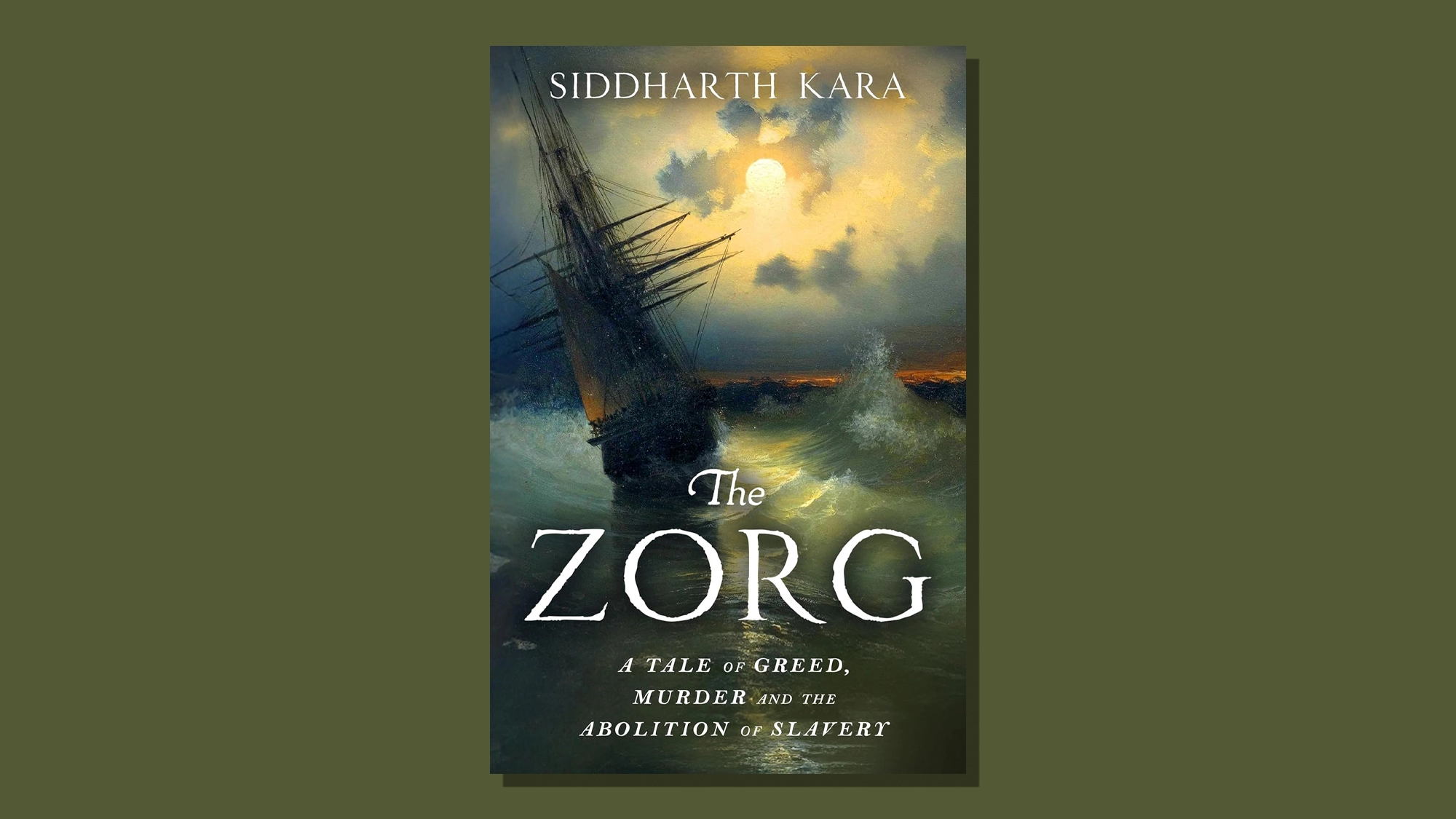
    In September 1781, a slave ship known as “the Zorg” set sail for Jamaica from Africa’s Gold Coast. Originally a Dutch vessel, the Zorg had been captured by a British captain and heavily overloaded with slaves. It left the Gold Coast with 442 Africans held captive below decks, and an inadequate crew of 17.

    As Siddharth Kara relates in this harrowing but fascinating book, “the Zorg’s trans-Atlantic crossing plumbed the depths of human depravity”, said Amanda Brickell Bellows in The Wall Street Journal. Dysentery and scurvy ravaged the vessel, killing or incapacitating many on board. Supplies of food and water ran dangerously low.

    Days from Jamaica, the crew of the Zorg “huddled together and devised a murderous plan”. Rather than arriving at their destination with scores of “dead or dying” (and therefore commercially useless) slaves, they decided to throw them overboard. In total, “more than 123 captive men, women and children” were disposed of in this way.

    Kara argues that this “unspeakable plan of action” was driven by “economic greed”, said Farrah Jarral in The Guardian. While maritime insurance didn’t cover the deaths of slaves from natural causes, it was possible to claim for slaves thrown overboard, by portraying them as “jettisoned” cargo. And sure enough, the ship’s Liverpudlian owner duly filed a claim for the lost slaves, and then, in 1783, took the insurers to court when they refused to pay.

    Kara suggests that the resulting “public exposure of the Zorg murders” helped kick-start the anti-slavery movement – which led, ultimately, to the passing of the Act for the Abolition of the Slave Trade in 1807. Blending “powerful storytelling” with meticulous research, “The Zorg” “effectively illuminates one of the darkest chapters in our history”.

    It is indeed a “shameful” story, and Kara has undertaken a “vast amount of research”, said David Mills in The Times. It’s a pity, then, that his book is “clumsily constructed and badly written”. Moreover, his shaky grasp of nautical matters (no sail is “fastened by a shroud”, they are for masts) makes it “difficult to have faith in the veracity of his colour”.

    I have some reservations about “The Zorg”, said Marcus Rediker in The New York Times. But it offers deeply researched and “wrenchingly vivid” portraits of the slave trade – including the horrific conditions in the slave-trading forts on the Gold Coast. As such, it “takes a respected place within a growing historical literature about the slave ship”. It is a “book of great importance”, which is likely to “become a classic”.


    OBITUARY

    Brigitte Bardot    

    French screen legend who renounced stardom at 39

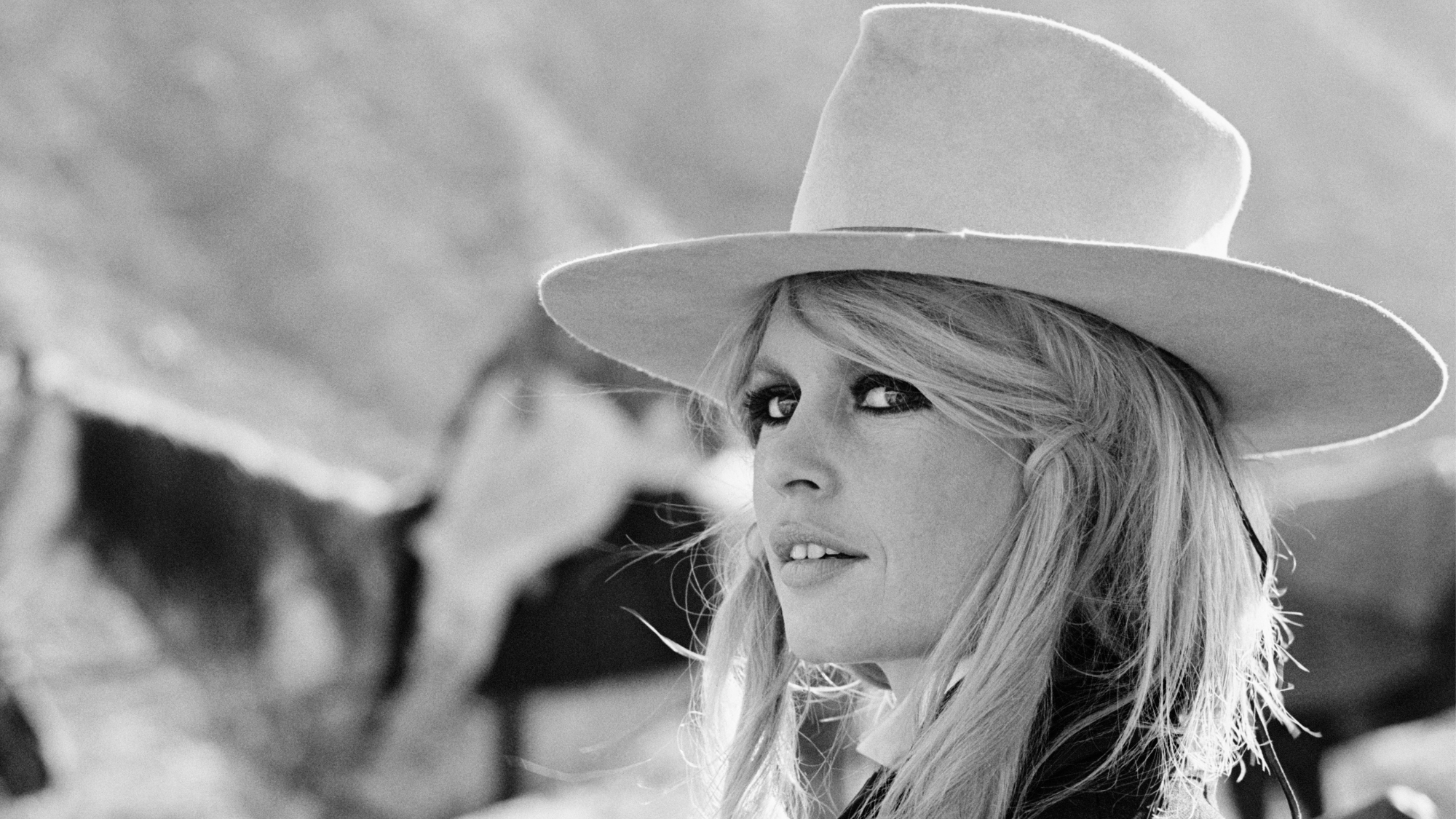
    “In the 1950s, before the sexual revolution, before the New Wave, before feminism, there was Bardot,” said Peter Bradshaw in The Guardian. With her tousled blonde hair, kohl-rimmed eyes and famous pout, Brigitte Bardot represented to postwar audiences sex, youth, freedom and, above all, modernity. Effectively the “French Beatles”, Bardot – or BB (pronounced bébé in French) – was a provocative, shameless screen siren who mesmerised the French public, and made male moviegoers in that still “puritan land” of America “gulp and goggle with desire”.

    At the peak of her career, Bardot was regarded as “a national treasure in France”, said the Los Angeles Times. She was received at the Élysée Palace by Charles de Gaulle, used as the model for Marianne, the symbol of the Republic, and “analysed exhaustively” by Simone de Beauvoir. Few of her films stood the test of time, but her attitude and style had a lasting influence. Yet she herself struggled with the Bardotmania. More fragile than her image might suggest, said The Telegraph, she found the life of a film star suffocating; and detested its luxurious trappings. Aged 39, she retired from movie making, and retreated to her ramshackle home outside Saint-Tropez, the fishing village that she had made famous. Declaring that men were a waste of time, and that she didn’t give “a fig for society”, she spent the next decades surrounded by dozens of dogs, cats, goats and other animals. For years, she emerged mainly to speak out against animal cruelty; more recently, however, she had become known for making incendiary comments about the Muslim immigrants who had “invaded” her country. She was fined several times for inciting racial hatred. 

    Brigitte Bardot was born in Paris in 1934, and brought up in the 15th arrondissement. Her father was a wealthy industrialist; she described both her parents as cold and distant. She was sent, with her sister, to an exclusive private school, and to a ballet school. In her teens, said The Telegraph, she started to rebel against the strictures of her upbringing. Aged 15, she was spotted modelling in the window of a shop her mother had opened, and was featured on the cover of Elle. Roger Vadim, then working as an assistant to the filmmaker Marc Allégret, was sent to find her – and promptly fell in love with her. Bardot was equally smitten by the aspiring film director, and when her parents refused to allow them to marry, she made the first of many suicide attempts. The pair finally tied the knot in 1952, when she was 18; in that year, she made her screen debut in a film called “Crazy for Love”. 

    With Vadim acting as her mentor, she made a splash at Cannes in 1954, and in 1955, she travelled to the UK to appear opposite Dirk Bogarde in the comedy “Doctor at Sea”. Vadim was determined to exploit her seductive appeal, and hit gold with “And God Created Woman”, said The Times, a film “short on plot and long on nudity”, in which she played an 18-year-old in Saint-Tropez “who is consumed by sexual longing”. In the US, the Christian Right denounced its star as a “she-devil”, ensuring its box-office success. Her reputation for wantonness was cemented when she began an affair with Jean-Louis Trintignant, her married co-star, which led to her divorce from Vadim. In 1959, she married the actor Jacques Charrier, and became pregnant. She was not, she said, meant to be a mother, and tried to have an abortion. She said she felt nothing for her son, Nicolas, and when she and Charrier divorced in 1962, she gave him custody. (She and Nicolas had no contact for years, but were reconciled when he had children.) It was in this period that she starred in “La Vérité”, one of the few films in which she was called upon to act seriously. Mostly, she said, directors just wanted her to undress. In 1963, she starred in Jean-Luc Godard’s “Le Mépris”. For its opening scene, he shot her naked sprawled across a bed. 

    Her third husband, the millionaire playboy Gunter Sachs, wooed her by dropping 1,200 roses over her house from his helicopter; during that short-lived marriage, she had an affair with Serge Gainsbourg, with whom she sang the first recorded version of his song “Je t’aime… moi non plus”. She refused to allow it to be released, however.

    Increasingly depressed by the pressure of the industry, and the turbulence in her personal life, she retired in 1973. “I gave my beauty and my youth to men. I am going to give my wisdom and experience to animals,” she declared. However, in 1992, she married for a fourth time, to one of Jean-Marie Le Pen’s advisers, a businessman named Bernard d’Ormale. They remained together until her death aged 91. Latterly, she had made headlines by decrying the #MeToo movement as a “puritanical witch-hunt”, and defending Gérard Depardieu. “With me, life is made up only of the best and the worst, of love and hate,” she told The Guardian in 1996. “Everything that happened to me was excessive.”




    Image credits, from top: Daniel McFadden / Lionsgate; Manuel Harlan; Doubleday; Jacques Haillot/ Apis/ Sygma / Getty Images)
     

    Recent editions

    • Evening Review

      Trump’s ‘poisoned chalice’

    • Morning Report

      Trump’s GOP grasp slackens

    • Evening Review

      Upside-down eating

    VIEW ALL
    TheWeek
    • About Us
    • Contact Future's experts
    • Terms and Conditions
    • Privacy Policy
    • Cookie Policy
    • Advertise With Us
    • FAQ
    Add as a preferred source on Google

    The Week is part of Future US Inc, an international media group and leading digital publisher. Visit our corporate site.

    © Future US, Inc. Full 7th Floor, 130 West 42nd Street, New York, NY 10036.