The Week The Week
flag of US
US
flag of UK
UK
https://cdn.mos.cms.futurecdn.net/flexiimages/jacafc5zvs1692883516.jpg

SUBSCRIBE & SAVE

Less than $3 per week

Sign in
  • View Profile
  • Sign out
  • The Explainer
  • The Week Recommends
  • Newsletters
  • Cartoons
  • From the Magazine
  • The Week Junior
  • Student Offers
  • More
    • Politics
    • World News
    • Business
    • Health
    • Science
    • Food & Drink
    • Travel
    • Culture
    • History
    • Personal Finance
    • Puzzles
    • Photos
    • The Blend
    • All Categories
  • Newsletter sign up Newsletter
  • Sunday Shortlist, from The Week
    ‘Stunningly good’ television, and an ‘elegant’ revival

     
    TV REVIEW

    Lord of the Flies  

    William Golding’s classic gets a ‘brilliantly executed’ adaptation 

    Many of us haven’t read William Golding’s 1954 novel “Lord of the Flies” since school, and can only remember a few details – “the conch, the war paint, Piggy’s glasses”, said Anita Singh in The Telegraph. This BBC One adaptation – the first that has ever been made for television – “delves deeply and reverently into Golding’s text”, and the results are “stunningly good”. The tale of boys reverting to a feral state after they are stranded on a tropical island unfolds over four episodes, each of which is told from the perspective of a different boy. David McKenna, a 12-year-old from Northern Ireland making his debut here, “will steal your heart as Piggy”, and the rest of the performances from the young cast – who filmed in the Malaysian jungle for weeks – “are a marvel”. It all makes for a “first-class example of an adaptation done right, and of television breathing new life into a familiar story”.

    This “excellent” adaptation was written by Jack Thorne, of “Adolescence” fame, and it returns to that drama’s “theme of developing masculinity”, only now with a “1950s spin”, said Rhik Samadder in The Guardian. Still, aside from the period language, it feels “painfully” contemporary: “think of it as ‘Adolescence’: Origins”. The series is “brilliantly executed”, agreed Deborah Ross in The Mail on Sunday: it is “lushly and vividly filmed”; there is “brutality and viciousness” as well as a “tenderness” that catches you out (“Oh God. Poor Piggy”). But while I was engrossed, I must say I was also “praying for it to be over”. It’s “terrific, and I will never, ever watch it again”.


    theatre REVIEW

    Shadowlands 

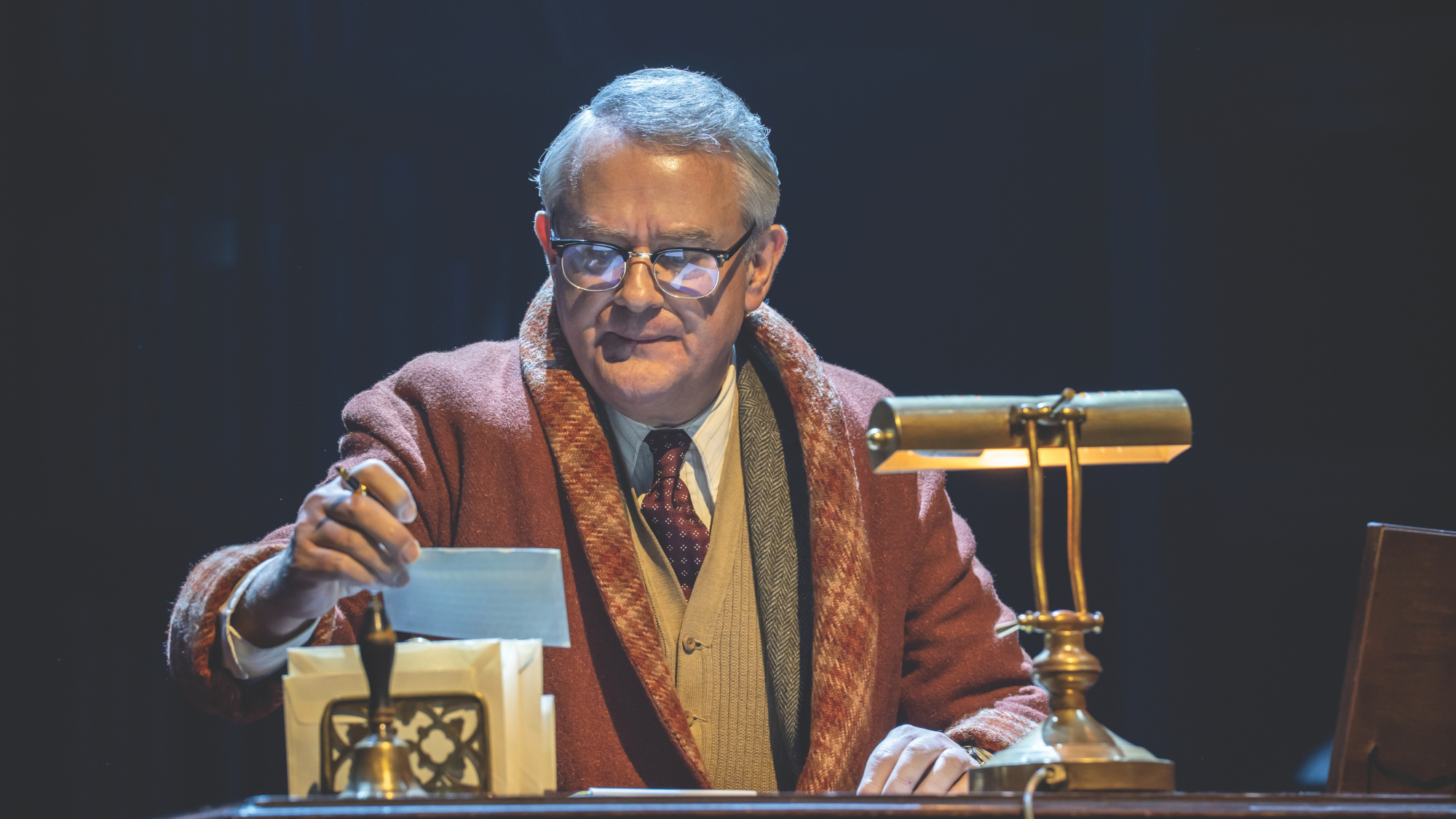
    Hugh Bonneville is ‘wonderful’ as C.S. Lewis

    “If the new Archbishop of Canterbury needs a spot of encouragement in these turbulent times,” said Clive Davis in The Times, “she might take comfort in the fact that an old-school, well-made play about a Christian intellectual can still find an audience in the West End.” Although, of course, it helps that this “elegant revival” of “Shadowlands”, William Nicholson’s 1989 play about C.S. Lewis and his late-flowering love for the American poet Joy Davidman, features “a star as bankable” as Hugh Bonneville. The play packs a considerable spiritual and emotional journey into two hours, said Dominic Cavendish in The Telegraph. It features a slow-burn courtship, a romantic awakening, a shocking terminal illness and a crisis of faith. Yet Rachel Kavanaugh’s production gives the story “the vital, unifying aura of a restless, soulful quest”.

    Bonneville is “wonderful” as the theologian and author of the Narnia novels, said Sarah Crompton on WhatsOnStage. He is awkward and endearing, but also catches Lewis’ “self-righteous stuffiness” and “self-imposed loneliness”. “The moments towards the close, when he is suddenly overwhelmed by feeling, are deeply affecting.” The “real star” of the show, though, is the American actress Maggie Siff, said Patrick Marmion in the Daily Mail. As Joy, the American interloper who turns Lewis’ Oxford world of fusty regimentation and closeted misogyny upside down, she is superb.

    I’m afraid I was unstirred by Bonneville’s “unstintingly mild-mannered performance”, said Alice Saville in The Independent. There is something “deeply joyless” about this play, with its “heavily romanticised” view of suffering, and “quote-worthy moralising” more suited to a fridge magnet than a great drama. “Shadowlands” is an “old-fashioned weepie”, and as such it certainly has its charms, said Arifa Akbar in The Guardian. But here, “it just feels old-fashioned”: it plods slowly from one scene to the next, as “creaky as the half-filled, wood-panelled library” that forms its backdrop.

    Aldwych Theatre, London WC2. Until 9 May


    BOOK OF THE WEEK

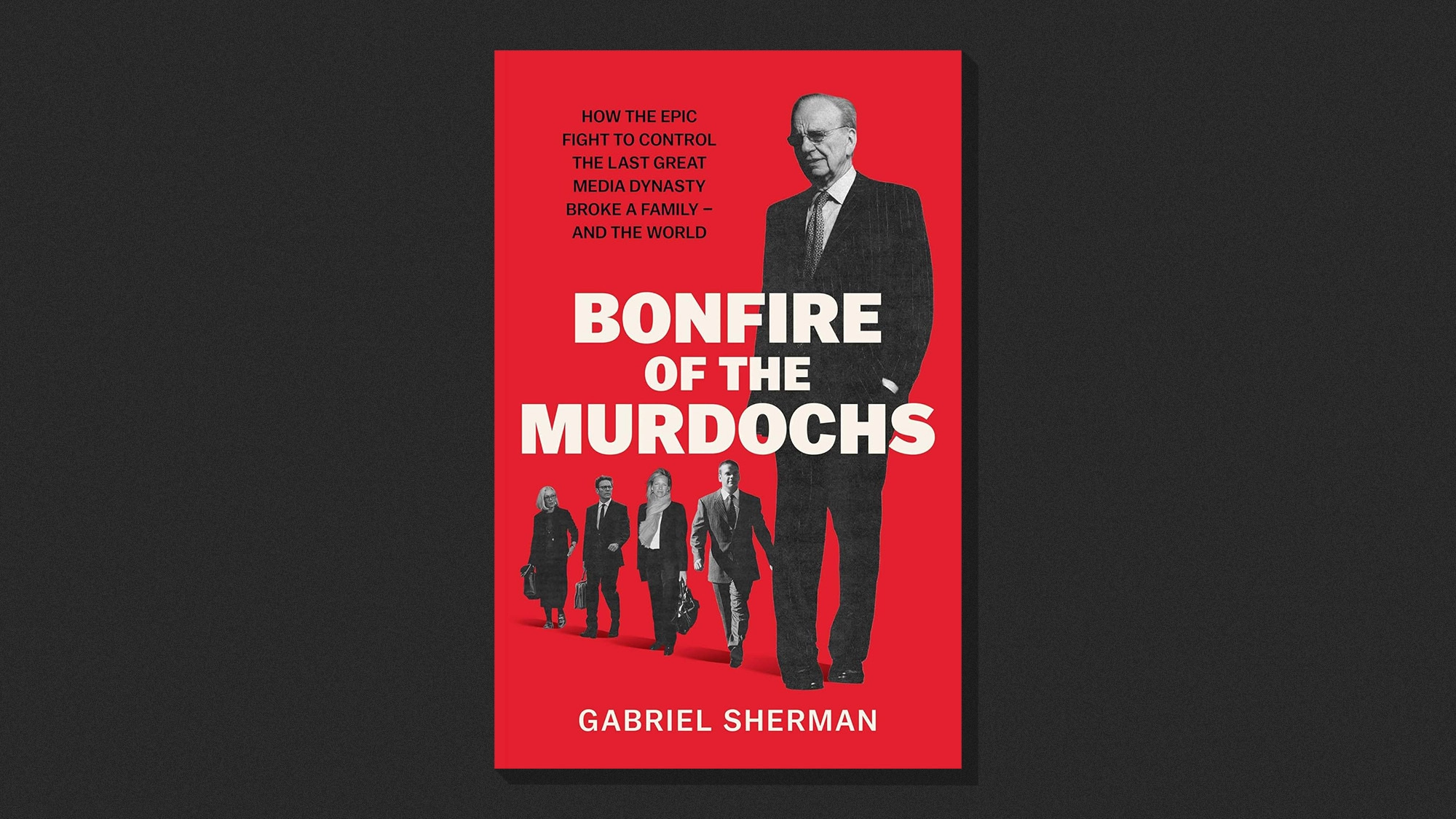
    Bonfire of the Murdochs

    by Gabriel Sherman

    The American journalist Gabriel Sherman has been reporting on the Murdoch family for nearly two decades, and has “interviewed them all at one time or another”, said Lynn Barber in The Spectator. So “he really knows his stuff”. Now, he has produced this “utterly gripping book” about Rupert Murdoch’s relationship with his children, and the family’s acrimonious “war of succession” over his media empire. Things came to a head in 2024, when Rupert tried to amend an “irrevocable” family trust set up in 1999. It had established that Prudence (his daughter by his first wife) and Lachlan, Elisabeth and James (his children by his second wife) would inherit his estate equally, but Rupert now wanted Lachlan, the most right-wing of them, to assume full control of the business. The other siblings took legal action and blocked the move – though they later agreed to it, in exchange for $1.1 billion (£812 million) each. Reportedly, Prudence, Elisabeth and James are now estranged from their father.

    The “great benefit” of this book is its brevity, said Tina Brown in The Observer. Sherman distils “seven decades of dominance and predation by the world’s most rampant media mastodon” into just over 200 pages, to expose “patterns of ruthlessness” that were repeated over and again. I witnessed this ruthlessness myself in the 1980s, when Murdoch fired my late husband, Harry Evans, from his job as editor of The Times the morning after his father’s funeral. He has been equally “carnivorous” with his children – persuading them to work for him, knowingly overpromoting them, then blaming them “when they failed”. He did this most spectacularly with James, who was in charge of his father’s British newspapers at the time of the News of the World phone-hacking scandal. Not content with merely sacking his son, Rupert, in a “hideous ‘Hunger Games’-like scene”, got Elisabeth to do the job for him – after which the “siblings didn’t speak for years”.

    At one point, the family feud “seemed to contain the fate of Western democracy”, said Henry Mance in the Financial Times. While Lachlan supported Fox News’ hard right, pro-Trump agenda, James had “started calling out misinformation”. By handing sole control of his empire to Lachlan, Murdoch made sure that James could not lead a revolution there – but at what cost? Sherman likens him to King Midas: he “built a $17 billion (£12.5 billion) fortune but destroyed everything he loved in the process”. The patriarch might say some of his kids were ungrateful for their inherited riches. After reading this book, I felt they’d have “swapped the money for a functional family”.


    OBITUARY

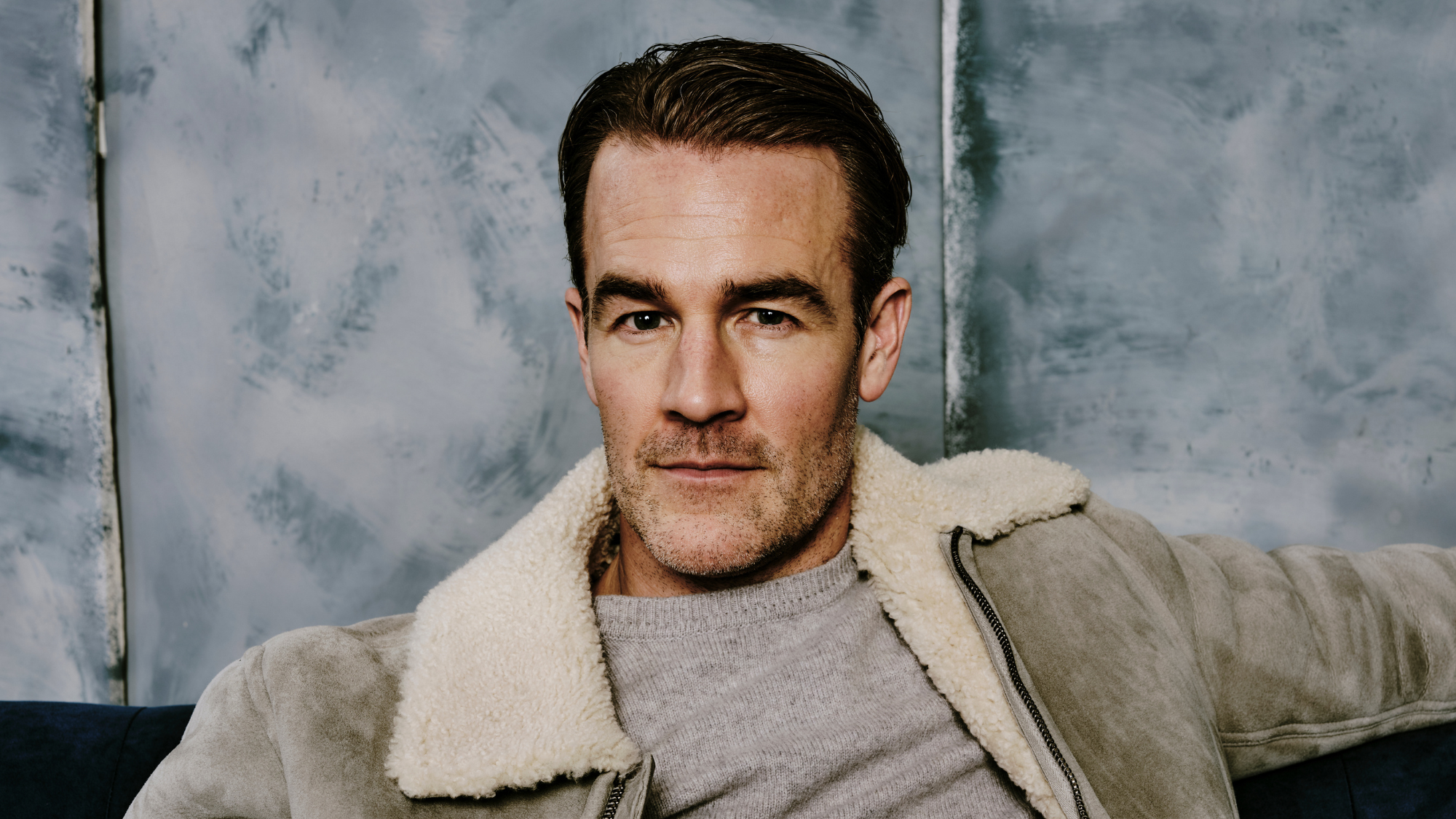
    James Van Der Beek  

    The fresh-faced star of Dawson’s Creek

    As a boy, James Van Der Beek was sports mad and dreamed of playing in the Superbowl, said The Times. But aged 13, he suffered a “severe concussion” during a football match, and was advised by a doctor to quit for a year. To the surprise of the other jocks at his high school, he swapped the locker room for the glee club. He took the lead role in a school production of “Grease”, and at 16 he appeared off Broadway in a play by Edward Albee. Four years after that, Van Der Beek, who has died aged 48, won the role that made him famous, in the 1990s coming-of-age TV drama “Dawson’s Creek”. With his background, he was perfect for the part of the show’s titular protagonist, Dawson Leery, who was tall and muscular, but also sensitive, introspective, and given to implausibly sophisticated musings. “It’s not about the kiss – it’s about the journey and creating a sustaining magic,” Dawson reflects in one episode, while watching “From Here to Eternity”.

    James Van Der Beek was born in 1977 and brought up in Connecticut. His father was a telecoms executive, his mother a dancer. When he told her that he wanted to be an actor, aged 15, she drove him to New York to find an agent. Although he got good notices for his role in the Albee play, he spent much of the next few years, he said, “failing auditions for commercials”. He was 20, and at college, by the time he was cast as Dawson – a 15-year-old film buff living in a coastal town in Massachusetts, who is nursing a crush on his tomboy neighbour Joey (Katie Holmes). “With a quartet of smart, articulate 15-year-olds completed by Michelle Williams and Joshua Jackson, the show was an instant hit,” said The Telegraph. Over six seasons, broadcast in dozens of countries, it tracked its characters and their intertwined love lives as they navigated the journey towards adulthood, while exploring serious themes such as mental health, divorce, consent and addiction.

    Success, Van Der Beek would reflect, had not come overnight – but his life changed overnight. In 1998, the year that the series launched, he was voted one of People Magazine’s 50 Most Beautiful People; in public, he was mobbed by young fans. He said that for years, he had walked around “in fear of teenage girls”, and that people seemed no longer to regard him as a human being, so much as a “novelty item”. Still, the show’s success also opened doors. While “Dawson’s Creek” was still running, he starred in the box-office hit “Varsity Blues”; in 2002, he had a lead role in the film adaptation of Bret Easton Ellis’ “The Rules of Attraction”. But though he continued to act in films and on TV, he found it harder to move on from “Dawson’s Creek” than its other young stars, and some of his later parts were send-ups of the show. Asked in 2023 what advice he’d give to his younger self, he said: “Don’t be surprised if six years of work gets reduced to a three-second GIF of you crying.” He was diagnosed with colorectal cancer in 2023. Last year, he had to auction off his TV memorabilia to pay his medical bills. Married twice, he is survived by his second wife, Kimberly, and their six children.




    Image credits, from top: BBC / Eleven / J Redza; Johan Persson;  Simon & Schuster;  Michael Buckner / Deadline / Penske Media / Getty Images
     

    Recent editions

    • Evening Review

      A focus on ‘Western civilization’

    • Morning Report

      Britain arrests fallen prince

    • Evening Review

      How Trump might subvert the midterms

    VIEW ALL
    TheWeek
    • About Us
    • Contact Future's experts
    • Terms and Conditions
    • Privacy Policy
    • Cookie Policy
    • Advertise With Us
    • FAQ
    Add as a preferred source on Google

    The Week is part of Future US Inc, an international media group and leading digital publisher. Visit our corporate site.

    © Future US, Inc. Full 7th Floor, 130 West 42nd Street, New York, NY 10036.