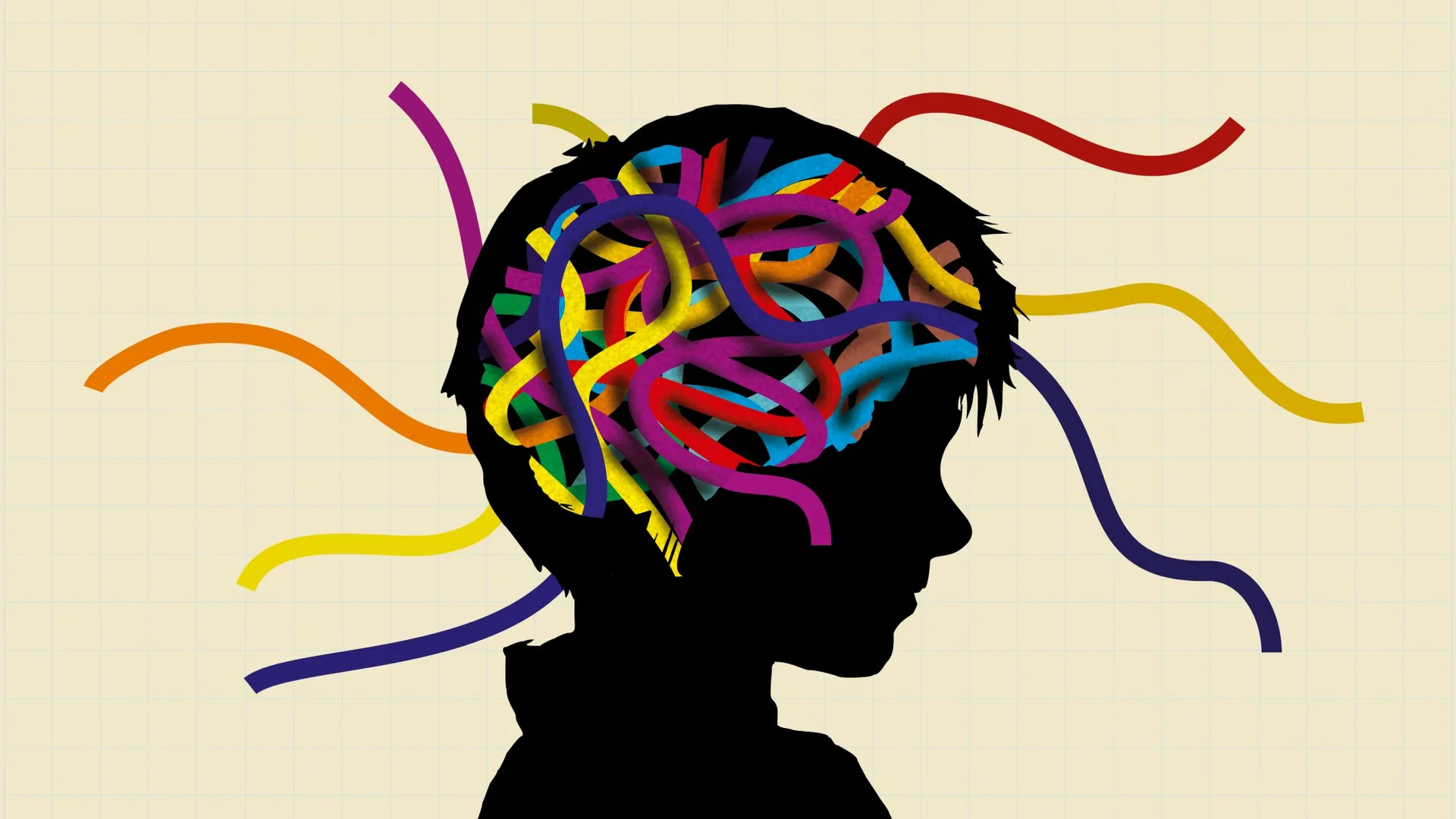
There’s growing demand to separate “profound autism” into its own diagnosis, outside current parameters. Since 2013, autism diagnoses have been split into three levels, ranging from “some support required” to “requires very substantial support.” The addition of a “profound autism” category was first proposed in 2022 by a board of international experts in The Lancet, and those who support the idea think it could bring welcome extra support to those who require it most. But critics say it could mean other members of the autistic community are neglected.
What’s profound autism?
The proposed term would describe individuals with autism who have “little or no language (spoken, written, signed or via a communication device), who have an IQ of less than 50, and who require 24-hour supervision and support,” said neurodevelopment experts Kelsie Boulton, Marie Antoinette Hodge and Rebecca Sutherland at The Conversation. In their study of 513 autistic children assessed between 2019 and 2024, 24% met, or were likely to meet, the criteria for profound autism.
People in the “profound” category lack appropriate treatment, support, clinical research and health care providers. “There are people across the spectrum who have high support needs that are intermittent,” said Judith Ursitti, the president of the nonprofit Profound Autism Alliance and the mother of an adult son with profound autism. “The difference with our population is they are constant.”
Why is the new definition needed?
Having a more specific category in future clinical guidelines could allow governments, disability services and clinicians to plan and deliver support more effectively, said the researchers. Recent broadening of the current spectrum means those with the highest needs may be “overlooked,” so the new category would “rebalance their under-representation in mainstream autism research.”
The current understanding of the autistic spectrum ranging from “mild” to “severe” can be “misleading,” said Aimee Grant, a public health professor at the U.K.’s Swansea University, to The Conversation. Autism is made up of many different elements, so there can be “no single line on which every autistic person is placed.”
What are the arguments against it?
Some experts say a new category would be “unhelpful,” said Grant. On its own, it tells us “nothing about a person’s particular challenges or the type of support they require.”
Some advocates in the autism community see “unity as the best protection for everyone on the spectrum” and value being “part of one shared story,” said Forbes. Others in the community fear that creating a separate diagnosis would “reduce attention on the broader spectrum and the individual needs of everyone on it,” said The Independent. |