Sign up to get Today’s Best Articles in your inbox
Join 350,000+ subscribers and keep yourself informed with a selection of
The Week’s most interesting, enlightening and entertaining stories - plus daily puzzles.
You are now subscribed
Your newsletter sign-up was successful
Want to add more newsletters?
An account already exists for this email address, please log in.
All mixed up: the year ahead in cocktail and bar trends
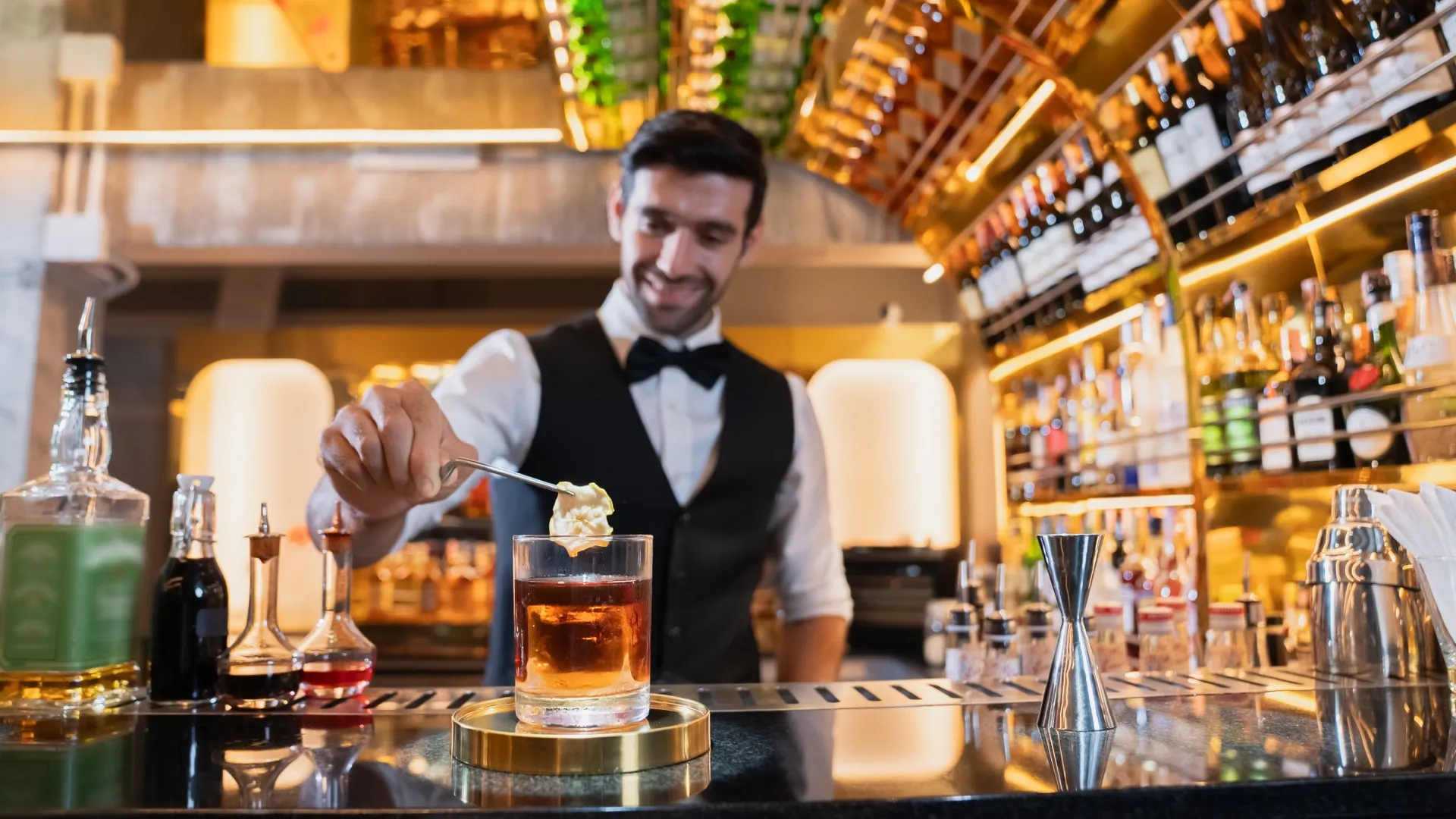
Flavor meanderings, genre reconsiderations, health on the rocks — 2026’s predicted cocktail trends move from the world of ingredients to a thoughtful appraisal of what precisely comprises an Irish pub. Right this way to what’s ahead in the drinking world this year.
Fermentation is in it for the long game
A process that’s no newbie, fermentation has been around for eons. Its presence in the cocktail world, though, keeps bubbling in the interest of “pushing flavor boundaries,” said Lindsay Parrill in The Manual. “I’m not sure if it’s the ‘next big thing’ or just my personal obsession, but fermentation is king,” said Chad Austin, the beverage director of Bar Benjamin in Los Angeles, to Vine Pair. It brings “layers of depth, acidity, funk, brightness — all the things that make cocktails more compelling.”
That might mean miso syrups or the use of fermented citrus like spicy Japanese yuzu kosho. “Our guests are increasingly drawn to drinks that balance citrus, salinity and light heat,” said Tana Kokanot, the head bartender of Jeong Yuk Jeom in New York City, to Vine Pair. And fermented citrus “delivers that balance.”
The Week
Escape your echo chamber. Get the facts behind the news, plus analysis from multiple perspectives.
Join more than 350,000 subscribers and keep yourself informed with a selection of The Week’s most interesting, enlightening and entertaining stories - plus daily puzzles.
Join more than 350,000 subscribers and keep yourself informed with a selection of The Week’s most interesting, enlightening and entertaining stories - plus daily puzzles.
The roasty-toasty hojicha is the tea that’s “going to define 2026,” said Chris Figueroa, the beverage director at Markette and The Argyle in New York City, to Vine Pair. The ingredient is “truly versatile.” It “deepens the base, rounds the edges and adds a quiet complexity that elevates an entire drink.”
But matcha may beg to differ about hojicha winning the 2026 Steeping Olympics. When the green tea’s verdancy appears in a bar, it’s “hard to overlook what some bartenders have called the ‘sizzling fajita effect’ — a head-turning item that prompts more order,” said Liz Provencher at Food & Wine. With its “combination of herbaceous, earthy notes and slight sweetness,” matcha has “great tannin structure that helps it hold up against a variety of other drink components.” So the internecine Camellia sinensis battle begins.
Irish pubs are back and maybe better
“When I first came to America, they were actually writing articles on the death of the Irish pub,” said Jack McGarry, the co-founder of New York’s The Dead Rabbit, to Punch. The Irish pub is “never going to die. But it has to be done right.”
“Done right” these days entails one that bests the simulacrum approach that has existed in the U.S. Gone is the American idea of an Irish pub, and in arrives a new wave of bars that lock on the beating heart of an Irish drinking establishment. Consider Guinness with oysters on the half shell at Manhattan’s Banshee, wild ox pie with live music at The Harp in Washington, D.C., a pour of Skellig Irish whiskey alongside fish cakes with tartar sauce, and an analog listening party at Baltimore’s The Wren. All prove the truism that a pub is “not just a place to get a drink but a place where life happens,” said Hannah Walhout at Punch.
Sign up to get Today’s Best Articles in your inbox
A free daily email with the day’s biggest news and analysis – and the best features from TheWeek.com
Pandan clocks in
Tropical drinks continue to have their beachy day in the sun. It was perhaps inevitable, then, that pandan would stretch its pointed leaves into the cocktail-sphere. The plant is sometimes called the “vanilla of the East,” said Richard Luong, a bartender at Cure in New Orleans, to Vine Pair. “The leaves have sweet, nutty and vanilla aromatics that are very pleasant; my family always had some growing in the backyard.”
Pandan is so on the trend move that it’s even being captured in bottled form. Owner-bartender Nico de Soto of Mace in New York City and Paris’ Danico created KOTA Pandan Liqueur with the French distiller Gabriel Boudier. The “resulting liqueur is beautifully aromatic with notes of vanilla, toasted rice and buttery sugar cookie,” said Penelope Bass at Imbibe.
Protein strongarms its way into the glass
Everyone can’t stop yapping about protein, and the growth of Mate! Vodka Protein Water, a canned 4.5% ABV beverage with eight grams of protein, is muscle-bound evidence. Sales keep increasing, and the protein surge has also entered the high-end cocktail space.
Drinkers now want “satiety, recovery support or wellness alignment while still honoring the ritual of cocktail hour,” said Ahu Hettema, the owner of Istanbul Hawai’i in Honolulu, to Wine Enthusiast. “Clear whey isolates,” a type of protein powder, can be “seamlessly incorporated in bright, transparent cocktails like gin and tonics, spritzes and margaritas.”
Scott Hocker is an award-winning freelance writer and editor at The Week Digital. He has written food, travel, culture and lifestyle stories for local, national and international publications for more than 20 years. Scott also has more than 15 years of experience creating, implementing and managing content initiatives while working across departments to grow companies. His most recent editorial post was as editor-in-chief of Liquor.com. Previously, he was the editor-in-chief of Tasting Table and a senior editor at San Francisco magazine.