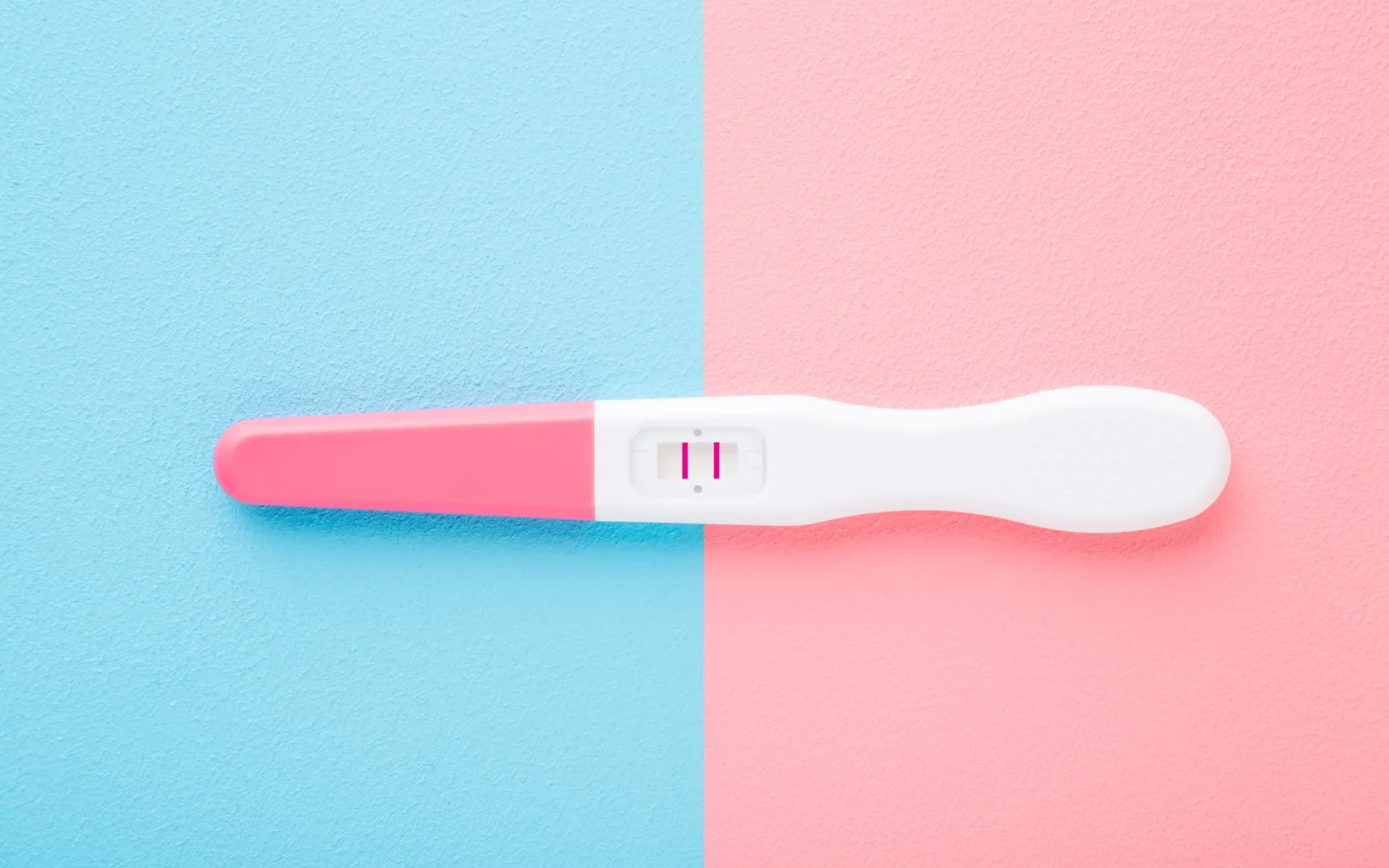
Trying to become pregnant, whether you are struggling with fertility or not, can be an incredibly stressful process. When it comes to conception and nine months of pregnancy, there is plenty of advice for how to be at your healthy best. However, an emerging social media trend has influencers convincing people that the key to a healthy pregnancy lies in how you prepare during the time leading up to it.
What does ‘zero trimester’ mean?
On TikTok and Instagram, the “cultural obsession with wellness and optimization” has come for the “murky preconception period,” coined the “zero trimester” by sociologist Miranda Waggoner in her 2017 book by the same name, Wired said. A growing number of influencers, holistic health experts and even doctors are “posting content that speaks to the ‘Trying to Conceive’ (TTC) demographic,” including “women who are struggling to conceive and those who haven’t started yet.”
Their message is simple: If you “follow this wellness formula,” you will “set yourself up for the quickest conception, the easiest pregnancy and the healthiest child,” said Wired. Essentially, they believe that having a healthy pregnancy boils down to the choices you make before you even become pregnant.
The Week
Escape your echo chamber. Get the facts behind the news, plus analysis from multiple perspectives.
SUBSCRIBE & SAVE
Sign up for The Week's Free Newsletters
Join more than 350,000 subscribers and keep yourself informed with a selection of The Week’s most interesting, enlightening and entertaining stories - plus daily puzzles.
Join more than 350,000 subscribers and keep yourself informed with a selection of The Week’s most interesting, enlightening and entertaining stories - plus daily puzzles.
Latest Videos FromThe Week US
Pregnant women have “long been subject to endless rules on how to treat their bodies,” said The Cut. But increasingly, it feels like the “goal post has been moved back.” The recommendations from zero trimester influencers range from drinking raw milk to filtering air.
The “pregnancy prep” creators encourage lifestyle changes, courses, books and tips to follow during the six to 12 months before becoming pregnant. On her podcast, MAHA influencer Alex Clark recommends that women trying to get pregnant “stop wearing nail polish,” while holistic nutritionists claim it’s important to avoid iced beverages. Other influencers are posting meditation journeys to “lower cortisol six months before trying to conceive,” while some are ordering micronutrient labs and “embarking on 60-day pregnancy-prep detoxes.”
Is the advice worth listening to?
Many people struggle to get pregnant, and some doctors agree that the standard medical advice just to wait and see is failing them. Yet claims “about the importance of trimester-zero strain credulity,” said The Cut. Listening to some of these influencers, it is “easy to come away thinking that if you struggle to get pregnant or have a difficult pregnancy, it’s your fault.”
Some experts argue that the new attention surrounding the zero trimester is a “very positive, exciting development,” as healthy moms “usually spell better outcomes for mom and baby,” said Wired. There are so many things that can be done to “optimize underlying health in that preconception year that will make outcomes in pregnancy better,” Natalie Clark Stentz, an ob-gyn and infertility specialist at Michigan Medicine, said to Wired.
Still, prep should be “expert-vetted and backed by science,” and it “usually doesn’t involve the TikTok Shop,” Wired said. Any “buzzy individual thing is likely sensational,” whether that’s “Brazil nuts, organ meats or whatnot,” Stentz said. Evidence-based recommendations are “not sexy” — suggestions like maintaining a “normal BMI, stop smoking, pick a boring prenatal vitamin.”
Pregnancy prep regimens being touted by influencers can also “get pricey fast,” Wired said. They are taking a “very vulnerable, very highly motivated population of patients” and targeting them with “information that is kind of driven by financial incentives,” Kara Goldman, an ob-gyn and associate professor of reproductive endocrinology and infertility at Northwestern University, said to Wired. The marketing can “disguise the fact that even going into pregnancy in peak health is not a guarantee,” said the outlet.
The zero trimester trend can “make women feel guilty or blame-worthy if their outcome isn’t ‘perfect,’ however they’re defining perfect,” said Waggoner. It promotes the idea that there is a “causal and deterministic link between preconception care behaviors and birth outcomes,” and that is what “can be problematic for both individuals and at a policy level.”



 talking pointsAfter Pike disaster, is it time to rethink death penalty?
 QUOTE OF THE DAY‘What it actually means in the American context is you want to replace American workers with foreign workers and you want boys to play in girls’ sports.’
 the explainerJustice Dept. launches largest-ever effort to strip citizenship