Sign up to get Today’s Best Articles in your inbox
Join 350,000+ subscribers and keep yourself informed with a selection of
The Week’s most interesting, enlightening and entertaining stories - plus daily puzzles.
You are now subscribed
Your newsletter sign-up was successful
Want to add more newsletters?
An account already exists for this email address, please log in.
The year’s ‘it’ vegetable is a versatile, economical wonder
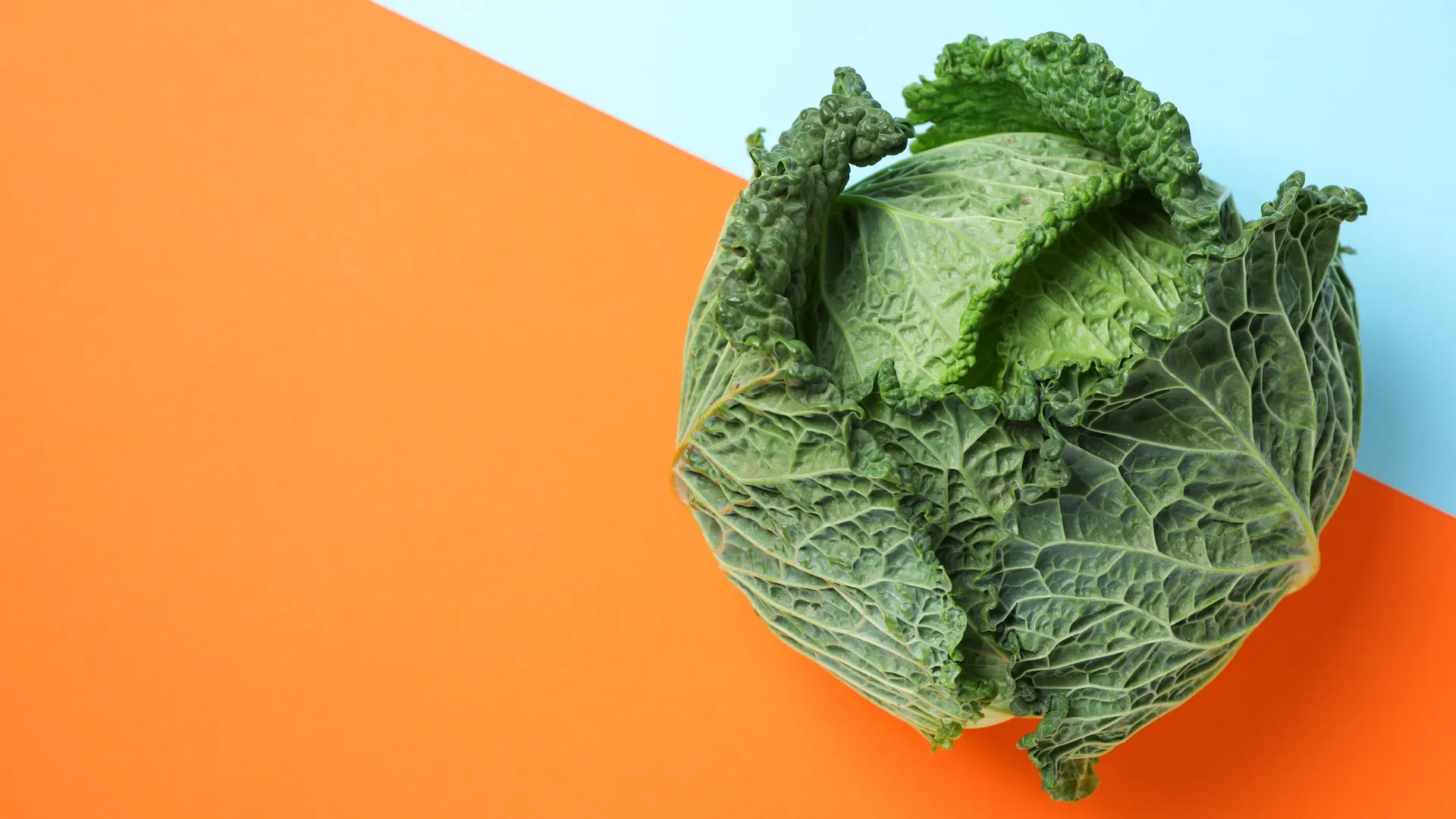
Trends demand both fealty and novelty. Fealty because everyone has to either play along or cry foul. Novelty because there is forever an old trend dissipating and a new one materializing. Cabbage, the workhorse of a cruciferous vegetable recruited in boundless cuisines since perhaps the beginning of time, has been dubbed 2026’s vegetable of the year. Welcome to the churning now, old friend!
“It might be the closest thing to a shelf-stable vegetable we have,” said Joe Yonan, a cookbook author, to Real Simple. “Of course, it needs refrigeration, but it can last for so long that it seems to be always there, waiting for you.”
Cabbage’s steadfastness is a boon indeed. As is its nutritional profile, being loaded with fiber, vitamins K and C, and folate. Less alluring for some can be the vegetable’s sulfur-bomb heart. If you buy it fresh, say from a farmers market, you acquire a less stinky head. If you do not overcook the mighty bejesus out of your cabbage, the results are milder. Less time from harvest, more better. Less cooking into boiled oblivion, also more better.
The Week
Escape your echo chamber. Get the facts behind the news, plus analysis from multiple perspectives.
Join more than 350,000 subscribers and keep yourself informed with a selection of The Week’s most interesting, enlightening and entertaining stories - plus daily puzzles.
Join more than 350,000 subscribers and keep yourself informed with a selection of The Week’s most interesting, enlightening and entertaining stories - plus daily puzzles.
There are immeasurable ways to refashion cabbage into a craveable dish. It caterwauls for big, bold treatments. Cabbage is “having a moment,” said Berk Guldal, the chef-owner of Hamdi in Seattle, to Martha Stewart, because “it’s endlessly versatile. You can pickle it, ferment it, shave it raw into salads, or lightly blanch it, and it still shines.” Consider the following recipes and techniques a warm-up for your cabbage-centric adventures.
Roast and flavor-assault
Chef and food writer Andy Baraghani is the Crown Prince of Cruciferi. He works wonders with the vegetable, always utilizing a complementary mixture of ingredients to finish his pan-seared cabbage. Two standout examples: a garlic-anchovy sauce with loads of fresh dill and a chunky, zippy sauce with a whole chopped lemon, pistachios, honey, olive oil and a flurry of shredded cheese.
Cloak it in a familiar costume
A scorching oven setting turns cabbage wedges smoky and charred in chef and James Beard Award winner Hetty Lui McKinnon’s take on chicken Parm. The wedges are then draped with tomato sauce and mozzarella, and blasted in the oven again so the cheese bubbles and browns. A finish of croutons and basil leaves provide texture and a green lift.
Cook softly with moisture
Sometimes a soft sauna turn in the oven is what cabbage most craves. Prolific cookbook author Molly Stevens shows you how to make the “World’s Best Braised Cabbage” by cooking it covered, slowly, with onion, carrot and water — or stock if you’re feeling glamorous. The leftovers are their own pleasurable reward.
Sign up to get Today’s Best Articles in your inbox
A free daily email with the day’s biggest news and analysis – and the best features from TheWeek.com
Scott Hocker is an award-winning freelance writer and editor at The Week Digital. He has written food, travel, culture and lifestyle stories for local, national and international publications for more than 20 years. Scott also has more than 15 years of experience creating, implementing and managing content initiatives while working across departments to grow companies. His most recent editorial post was as editor-in-chief of Liquor.com. Previously, he was the editor-in-chief of Tasting Table and a senior editor at San Francisco magazine.