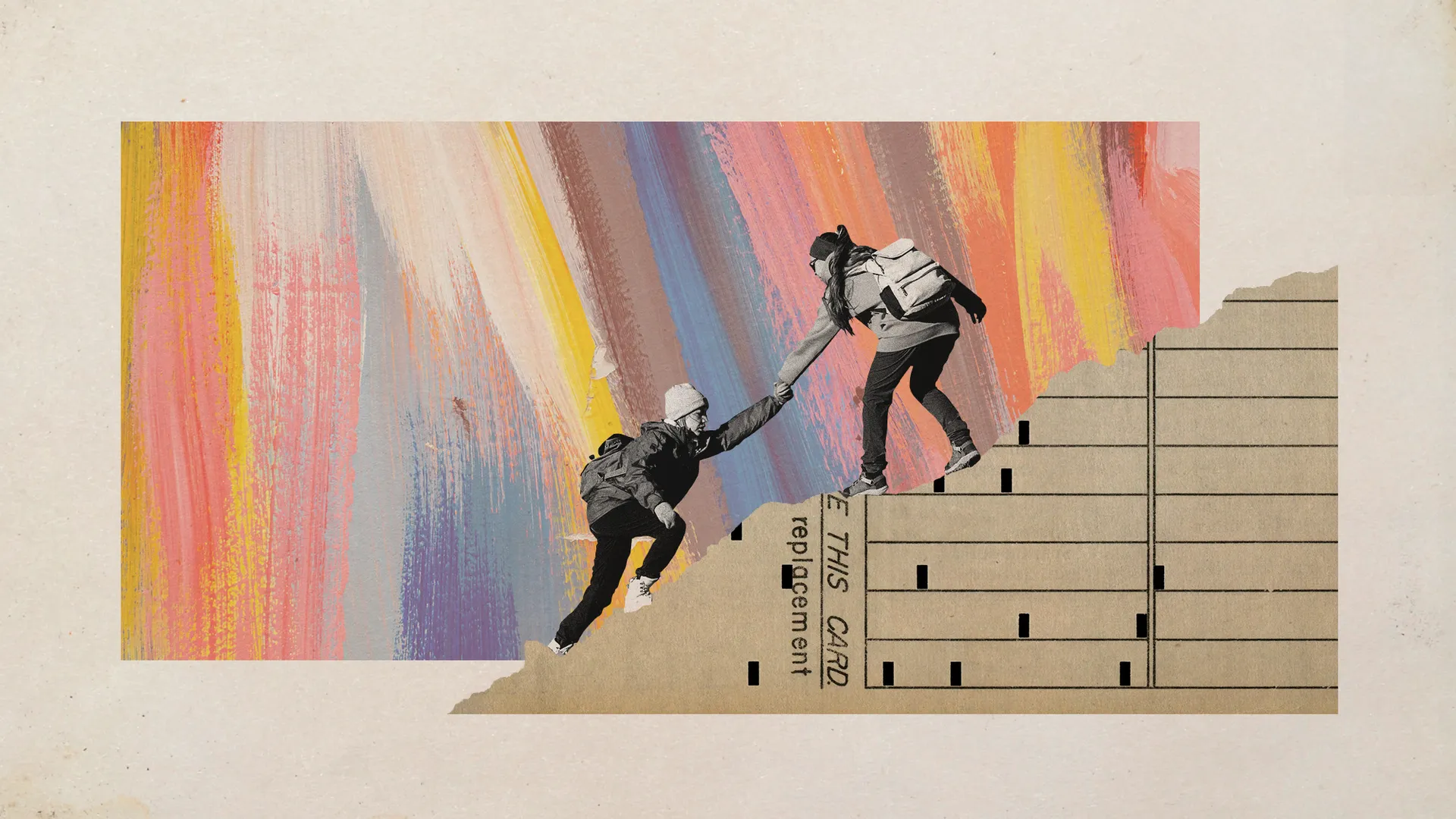
The phrase “inconvenience is the cost of community” has become a popular slogan online, referring to the effort required to maintain meaningful connections with others – effort which, some suggest, we are less and less willing to make, even as we crave connection.
Debates about “sacrifice” and “what we actually ‘owe’ each other” have started to gain traction as many ponder over how often they should put other people’s needs first, said Maybelle Morgan in Dazed.
‘Protect your peace’
Not too long ago, the saying “protect your peace” was everywhere on social media, said Morgan. It emphasised the importance of “stress-free” living and “limiting exposure” to unfavourable situations or challenging interactions. We were encouraged “to say ‘no’ to things, set boundaries, cut off people who ‘trauma-dump’, and religiously practise self-care”. This motto promoted “avoidance rather than tools for healthier connection”, and appears to reflect a wider trend.
The Week
Escape your echo chamber. Get the facts behind the news, plus analysis from multiple perspectives.
SUBSCRIBE & SAVE
Sign up for The Week's Free Newsletters
Join more than 350,000 subscribers and keep yourself informed with a selection of The Week’s most interesting, enlightening and entertaining stories - plus daily puzzles.
Join more than 350,000 subscribers and keep yourself informed with a selection of The Week’s most interesting, enlightening and entertaining stories - plus daily puzzles.
Latest Videos FromThe Week US
A study in the Frontiers in Psychology journal that looked at data from across 166 countries between 2019 and 2024 observed a 6% decline in global emotional intelligence. In the age of convenience, people tend to choose “comfort and efficiency over collective responsibility” and will naturally opt for “easiest” interactions, said psychology scholar Andrea Carter on The Conversation. The modern lifestyle has “optimised away the inconveniences that create interdependence”, leaving a growing number of people “incapable of handling difference”.
Digital platforms are exacerbating this kind of voluntary segregation. Most of us are constantly looking at “belief-aligned feeds” that form a comfortable bubble reflecting our opinions and attitudes, and, in doing so, avoiding the “discomfort that growth requires”.
‘Prioritising emotional wellness’
Even our closest relationships can be affected by convenience culture. Anyone who challenges “repetitive traumatic family dysfunction” may get uninvited from gatherings. In North America, up to 130 million people say they are estranged from a relative, and 35% of those said it was an immediate family member, according to The Harris Poll, which tracks trends in the US.
Dating is also becoming more challenging as a result of shifting attitudes towards emotional availability and vulnerability, said Hena Bryan in Glamour. Women are increasingly “prioritising emotional wellness” and establishing “firm boundaries”, making it harder to form “genuine, lasting connections with men”. With many men “refusing the emotional work that makes relationships thrive”, it is no surprise if women are deciding that “being alone is often safer and more fulfilling than dating someone unwilling – or unable – to meet them halfway”.
But making the effort to connect has benefits that go beyond our love lives. An 80-year-long study by Harvard University found that the “quality of our relationships” helps us live “longer, happier” lives, more so than genetics, said Morgan in Dazed. Inconvenience is an “investment”, psychotherapist and anxiety expert Kamalyn Kaur told the magazine; community “provides the grounding force of being seen, known, and supported” through life's ups and downs. “There is space in our lives for both self-care and community care.”