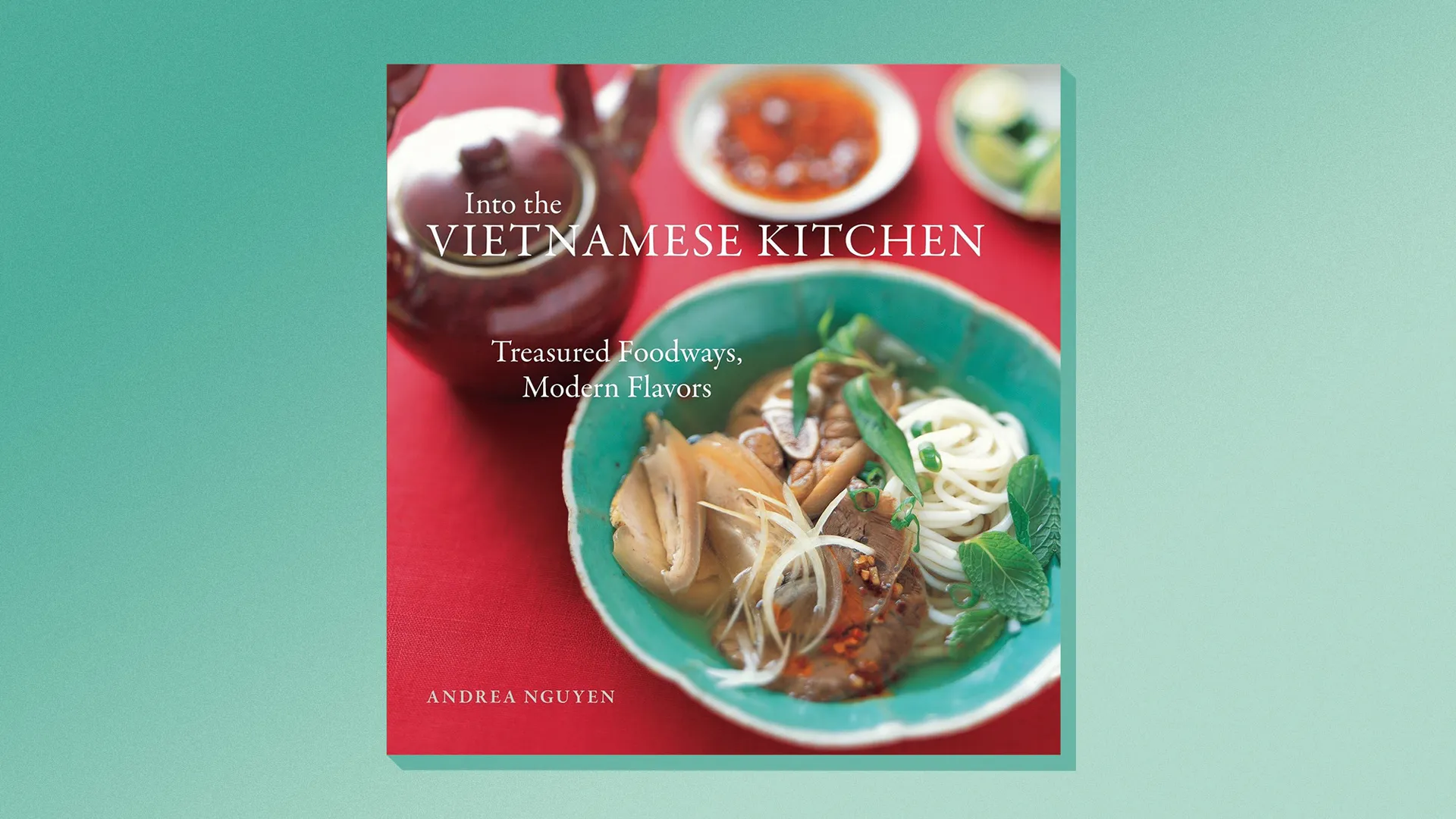
One great cookbook: ‘Into the Vietnamese Kitchen’ by Andrea Nguyen
A world-class cuisine gets the proper treatment

The resolute tango between the personal and the practical is a hallmark of a cookbook humdinger. Doing so merges two apertures — the narrow and the microscopic — into a wide-angle lens.
Andrea Nguyen’s 2006 debut, “Into the Vietnamese Kitchen: Treasured Foodways, Modern Flavors,” is a sublime example of that intermixture. She opens the book with the following scene: “We heard the plane coming in low, and I was scared. Mom grabbed me, pulling me underneath the staircase as a bomb exploded nearby. I shrieked, believing the end was near.”
The rare turned common
The Week
Escape your echo chamber. Get the facts behind the news, plus analysis from multiple perspectives.

Sign up for The Week's Free Newsletters
Join more than 350,000 subscribers and keep yourself informed with a selection of The Week’s most interesting, enlightening and entertaining stories - plus daily puzzles.
Join more than 350,000 subscribers and keep yourself informed with a selection of The Week’s most interesting, enlightening and entertaining stories - plus daily puzzles.
Icons, dissected

-
-
 talking pointsA leadership power vacuum may await Republicans
 -
 QUOTE OF THE DAY‘What kind of culture looks at sexual violence and sees an opportunity for profit? This is rape culture. And it should disturb every single one of us.’
 -
 today’s big questionHow long can US consumers continue their spending spree?
-
-
-
talking pointsA leadership power vacuum may await Republicans
-
QUOTE OF THE DAY‘What kind of culture looks at sexual violence and sees an opportunity for profit? This is rape culture. And it should disturb every single one of us.’
-
today’s big questionHow long can US consumers continue their spending spree?
-