The Week The Week
flag of US
US
flag of UK
UK
https://cdn.mos.cms.futurecdn.net/flexiimages/jacafc5zvs1692883516.jpg

SUBSCRIBE & SAVE

Less than $3 per week

Sign in
  • View Profile
  • Sign out
  • The Explainer
  • The Week Recommends
  • Newsletters
  • Cartoons
  • From the Magazine
  • The Week Junior
  • Student Offers
  • More
    • Politics
    • World News
    • Business
    • Health
    • Science
    • Food & Drink
    • Travel
    • Culture
    • History
    • Personal Finance
    • Puzzles
    • Photos
    • The Blend
    • All Categories
  • Newsletter sign up Newsletter
  • Sunday Shortlist, from The Week
    An ‘enthralling’ celebrity memoir and a ‘sweet-natured family fantasy’

     
    TV REVIEW

    The Pitt 

    Superb medical drama in the mould of ER

    “The medical drama that took its native US by storm last year has finally crossed the pond,” said Lucy Mangan in The Guardian, and it’s well worth the wait. “The Pitt” is made by some of the same team that created the gritty Chicago-set drama “ER” – and it stars one of its biggest talents. Noah Wyle appeared in the pilot episode of “ER” as fresh-faced intern John Carter, in 1994, and bowed out in the season finale, in 2009. Here he plays Dr Robby, a Carter-like senior physician working in an emergency room in Pittsburgh known to its staff as the Pitt. Each of the first season’s 15 episodes (on HBO Max) covers a single hour of a brutal 15-hour shift.

    It takes “supreme confidence to drill down into this level of minutiae”, said Carol Midgley in The Times. “It could get boring, yet never does.” And I’m not surprised that the show has been praised for its accuracy, because as well as being thrillingly immersive, “The Pitt” is incredibly naturalistic. Watching it is like being dropped into “an emergency department in real time with all its blood, gore and chaotic urgency”.

    As in “ER”, “there are moments that are heartbreaking, there are moments that are shocking, there are moments that are amusing”, said Nick Hilton in The Independent. (There are also dashes of heavy handed social commentary.) In other words, it all feels designed “to hit its beats”. It is good TV. But I wouldn’t call it great. Well, you’ll have to go a long way to find better, said India Block in The Standard. Written and directed with aplomb, “The Pitt” is “prestige” drama for an audience not distracted by their phones. It deserves to be seen.


    FILM REVIEW

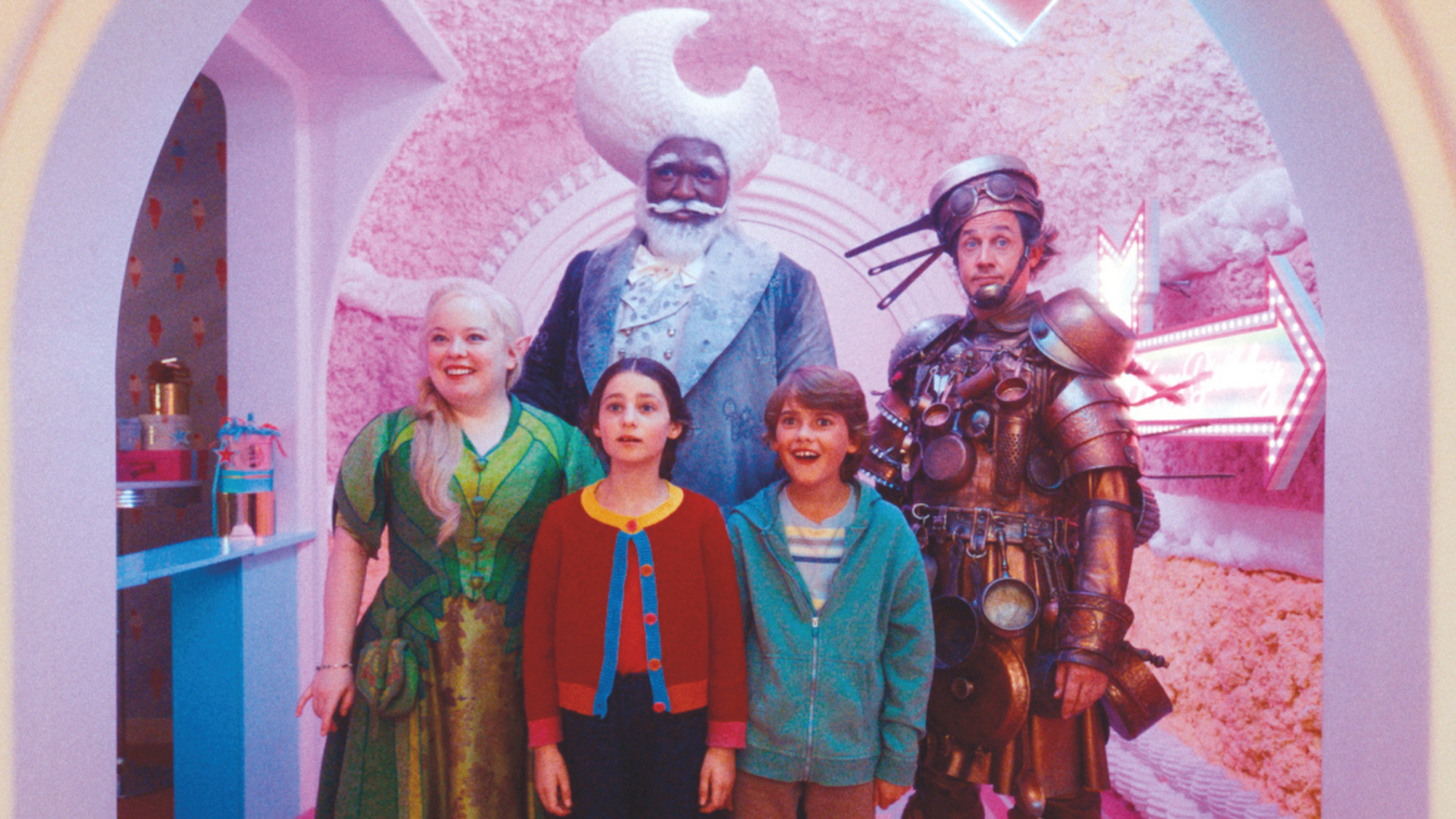
    The Magic Faraway Tree 

    Enid Blyton’s classic stories come to the big screen

    Enid Blyton’s “Magic Faraway Tree” stories have delighted successive generations, said Brian Viner in the Daily Mail. And now, they have been adapted for the big screen by Simon Farnaby, whose credits include “Paddington 2”, and who is a master of the art of making films that tickle children and adults alike. And, happily, he and director Ben Gregor have done a “smashing job” – if you will forgive the Blyton-ese – not least by finding a “modern, relatable context” for stories published in the 1940s.

    Claire Foy stars as Polly, an electronic engineer who quits her job rather than work on a smart fridge that gathers data on its owners. As a result, she and her affable husband Tim (Andrew Garfield) have to give up their device-filled modern home in the city and move to a ramshackle barn in the country with their three screen-addicted children. The older two initially resist their parents’ appeals to immerse themselves in nature, but the youngest, who is mute, explores the area and finds a magical tree inhabited by a group of extraordinary characters.

    This is a “sweet-natured family fantasy”, said Peter Bradshaw in The Guardian, with lots of jokes and peril too, notably in the form of the evil Dame Snap (Rebecca Ferguson with a weird asymmetric hairdo). I accept that Blyton – with her references to “swarthy foreigners” and the like – needed to be updated, said Kevin Maher in The Times, but Farnaby has created an over-complicated screenplay that strips the tale of its wonder. The children enjoy a few adventures that are “poorly realised” with “a DIY aesthetic”. Then we rush back to find out if Tim has fulfilled his dream of starting a pasta sauce business. Frequently collapsing into “skits” and “awkward flights of fancy”, the film is a “mess”.


    BOOK OF THE WEEK

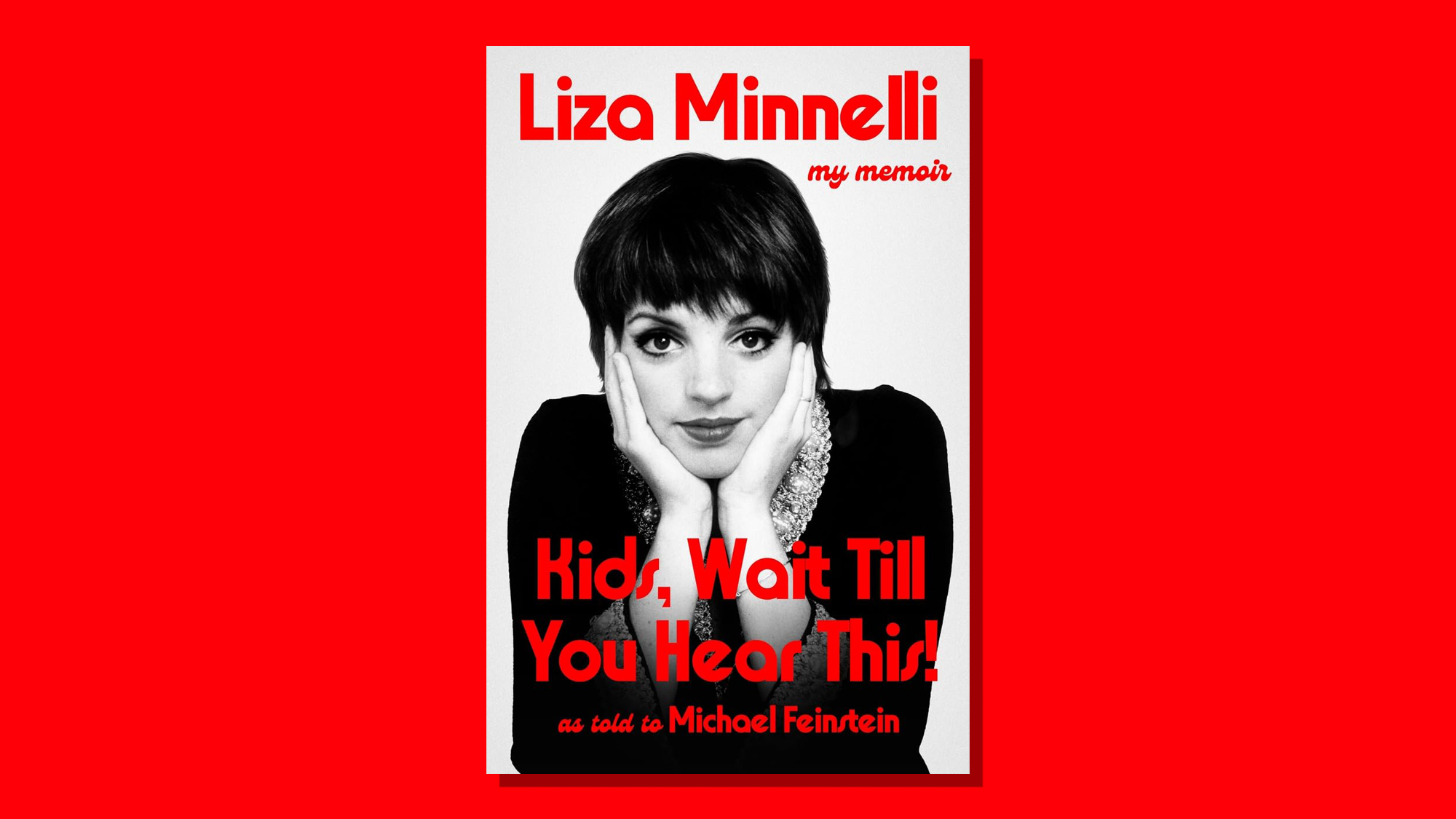
    Kids, Wait Till You Hear This!

    by Liza Minnelli 

    “The 20th century was not short of famous people who led ludicrously unsustainable lives,” said Hadley Freeman in The Times. But there can’t be many “more ludicrous or unsustainable” lives than that of Liza Minnelli. The 80-year-old singer and actor, best known for playing the bowler hat-wearing Sally Bowles in “Cabaret”, received lessons in “how to be famous” from her mother, Judy Garland, who died from an overdose aged 47.

    “Just as the MGM studio system robbed Mama of her childhood, she robbed me of mine,” she writes: her early life was spent negotiating Garland’s “mood swings and addictions”; she inherited a lifelong addiction to alcohol and drugs, and a tendency to fall for unsuitable men. In her long-awaited memoir, Minnelli catalogues the highs and lows without ever sinking into self-pity. Full of sentences that verge on self-parody – “I was married to a gay man at the same time as I was engaged to two other men” – it is both “heartrending” and hilarious. “If there’s a more enthralling celebrity memoir out this year, I’ll eat my bowler hat.”

    The book’s “strongest section” is that detailing Minnelli’s “complicated childhood”, said Joanne Kaufman in The Wall Street Journal. Garland split from Liza’s father – the Italian film director Vincente Minnelli – in 1951. Soon after this, Garland attempted suicide for the first time, and Liza was forced to become “Mama’s mama” – or, as she puts it, her “nurse, doctor, pharmacologist and psychiatrist rolled into one”. Once Minnelli embarked upon her own career, she also had to negotiate her mother’s tempestuous jealousy, said Tanya Gold in The Observer. Appearing with Garland at the London Palladium aged 18, Minnelli received a loud ovation only to hear her mother whisper to the producer: “Harold, get her off my f**king stage.”

    Despite wanting to “grow up differently”, Minnelli couldn’t stop herself “repeating old patterns”, said Helen Brown in The Telegraph. She details her abuse of Valium and booze, and her often disastrous love life: married and divorced four times, she was also briefly engaged to Peter Sellers, and had an affair with Martin Scorsese. While Minnelli isn’t afraid to call out bad behaviour – she describes her fourth husband, David Gest, as a “pasty-faced jerk with weird hair” – there are few traces of bitterness: Minnelli is a “funny and generous” narrator. Co-written by her friend Michael Feinstein in an “intimate, chatty style”, this is a “high-kicking hoofer of a book”.


    OBITUARY

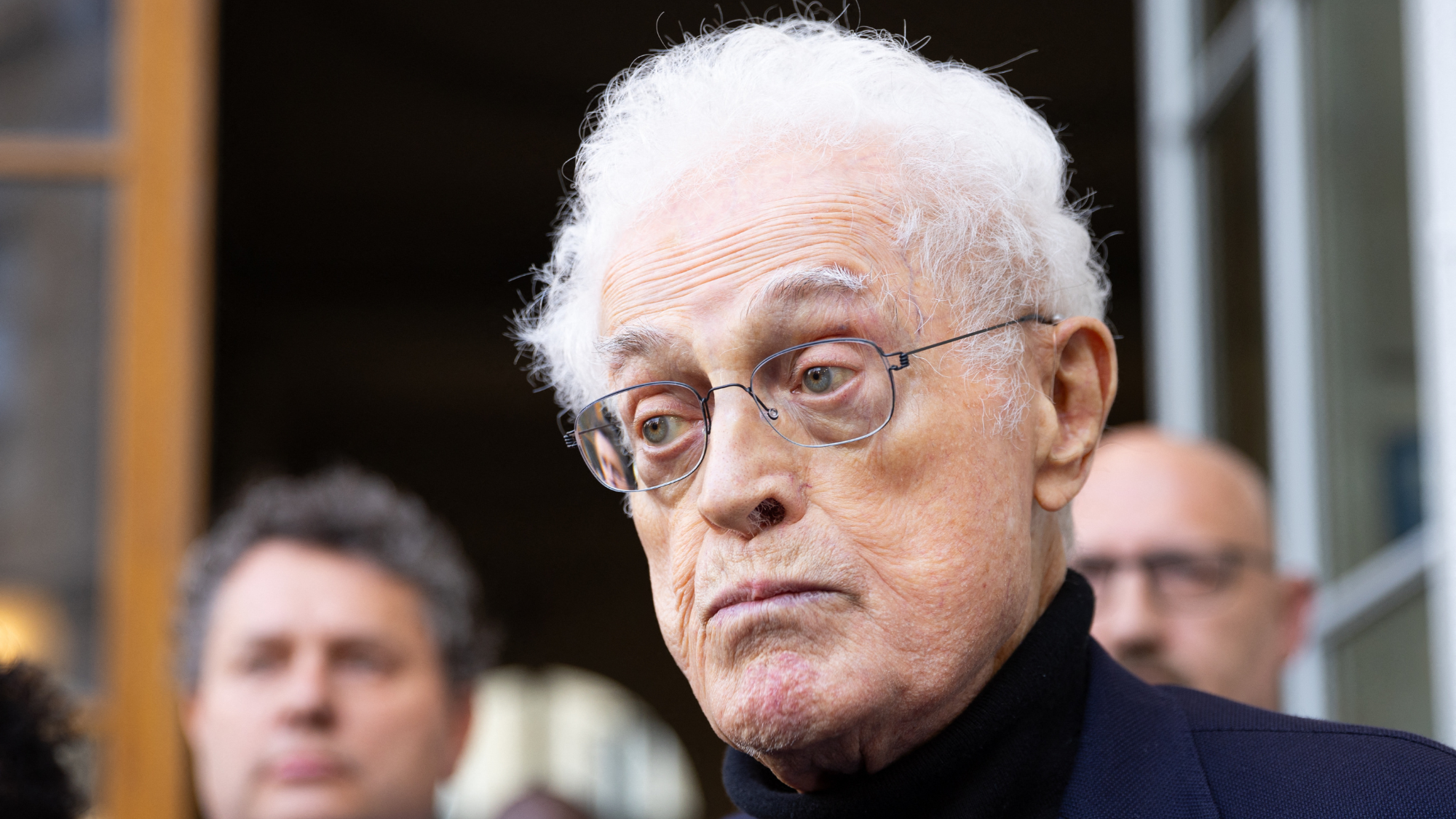
    Lionel Jospin

    Former PM of France who brought in the 35-hour week

    Lionel Jospin, who has died aged 88, became prime minister of France in June 1997 – just a month after Tony Blair was swept to power in the UK, said The Times. They were both politicians of the centre-left, who – to different degrees – had concluded that their parties needed to be more pragmatic in their embrace of market reforms. But whereas Blair won three successive elections, Jospin served just five years before being dramatically knocked out of the first round of the presidential race in April 2002. The polls had predicted that he would face the incumbent, Jacques Chirac, in the runoff, and many thought that he’d make it to the Élysée Palace. But in the event, he was pushed into third place by Jean-Marie Le Pen, of the far-right National Front.

    A far-right candidate had never reached the final round before, and it is hard to overstate the shock this result caused in France, said The Guardian. Outside the Socialist Party HQ in Paris, Jospin’s supporters, many in tears, gathered to hear him say that he took full responsibility for this “bolt from the blue”, and that he’d be leaving politics. Thus the man who had introduced France’s 35-hour week, universal health cover and civil partnerships for same sex and heterosexual couples “disappeared into political exile”. Two weeks later, Chirac was re-elected in a landslide, thanks to parties from across the spectrum forming a “Republican front” to keep Le Pen out. But having made this breakthrough, the far-right remained a major presence in French politics.

    Lionel Jospin was born into a Protestant and socialist family in Meudon, a suburb of Paris, in 1937. His father was a teacher; his mother had been a midwife, and was said to have raised herself up during his birth by lying on copies of works by Voltaire. He went to his local lycée, then attended the Institut d’études politiques de Paris (Sciences Po) and the elite École nationale d’administration, a hothouse for senior civil servants. On graduating, he went straight into a job at the Ministry of Foreign Affairs. But in the late 1950s, he had taken part in the student protests against the brutal war in Algeria, and unbeknown to his employers, he had by then joined the Trotskyist International Communist Organisation under a pseudonym. He remained a clandestine member of it until the 1980s.

    During the student uprisings of 1968, he left his job, took up a university post, and joined the newly formed Socialist Party, where François Mitterrand, its leader from 1971, took a shine to him. He became an MP in 1981, the year Mitterrand became president. Jospin made his own first tilt at the presidency in 1995. Having been narrowly beaten by Chirac, he formed a left-wing coalition, which won the general election two years later. As PM, he led a government in opposition to the president (“cohabitation”, as it is known in France). Jospin was a moderniser, but he had no time for Blair’s market-friendly Third Way. His mantra was “yes to the market economy, no to the market society”. He nationalised hundreds of public companies, but also expanded the welfare state. Unemployment fell while he was in office, and he was able to cut taxes.

    A serious man, he was admired for his integrity and competence (he oversaw France’s transition to the euro), but lacked popular appeal. His defeat in 2002, however, was largely due to his failure to unite various left-wing factions behind him. As a result, an array of candidates stood, splintering the left-wing vote. Four days after his defeat, he called on his supporters to “refuse the far-right” – but did not explicitly endorse Chirac.

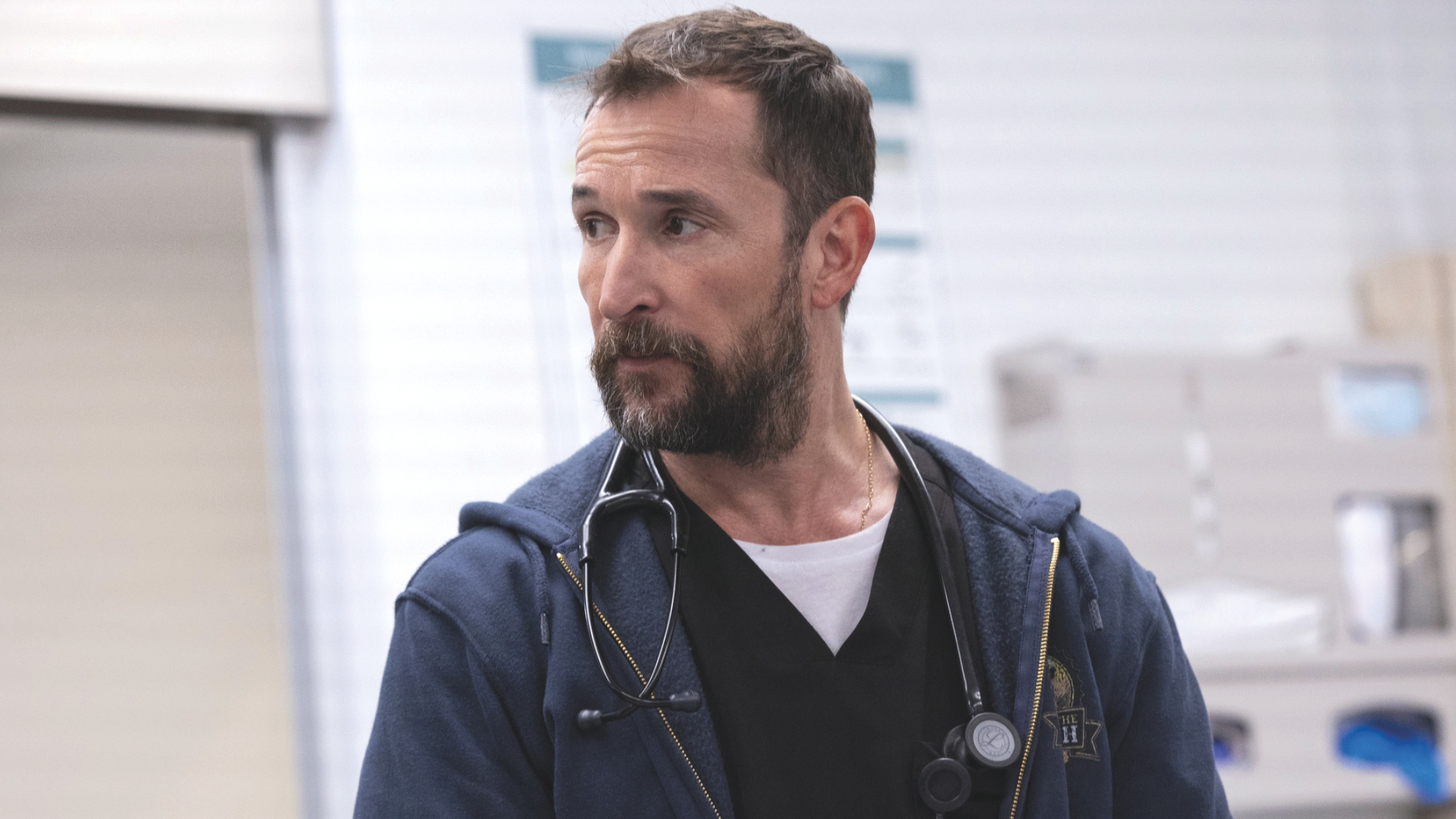


    Image credits, from top: HBO Max; Entertainment Film Distributors; Hodder & Stoughton; Antonin Utz / Getty
     

    Recent editions

    • Morning Report

      Bondi benched

    • Evening Review

      The US goes rogue

    • Morning Report

      NASA shoots for the moon

    VIEW ALL
    TheWeek
    • About Us
    • Contact Future's experts
    • Terms and Conditions
    • Privacy Policy
    • Cookie Policy
    • Advertise With Us
    • FAQ
    Add as a preferred source on Google Add as a preferred source on Google

    The Week is part of Future US Inc, an international media group and leading digital publisher. Visit our corporate site.

    © Future US, Inc. Full 7th Floor, 130 West 42nd Street, New York, NY 10036.