The Week The Week
flag of US
US
flag of UK
UK
https://cdn.mos.cms.futurecdn.net/flexiimages/jacafc5zvs1692883516.jpg

SUBSCRIBE & SAVE

Less than $3 per week

Sign in
  • View Profile
  • Sign out
  • The Explainer
  • The Week Recommends
  • Newsletters
  • Cartoons
  • From the Magazine
  • The Week Junior
  • Student Offers
  • More
    • Politics
    • World News
    • Business
    • Health
    • Science
    • Food & Drink
    • Travel
    • Culture
    • History
    • Personal Finance
    • Puzzles
    • Photos
    • The Blend
    • All Categories
  • Newsletter sign up Newsletter
  • Sunday Shortlist, from The Week
    A ‘gleefully outrageous’ show and a ‘queasily stylish’ drama-thriller

     
    theatre REVIEW

    Avenue Q   

    Adult puppet musical returns with more ‘saucy comedy’

    Twenty years ago, the “bonkers-yet-ingenious” “Avenue Q” – a sort of “‘Sesame Street’ for adults”, mixing cute puppets with jaw-droppingly offensive comic songs – “romped into the West End”, having triumphed on Broadway, said Marianka Swain in The Telegraph. For this revival it has been tweaked a bit, to incorporate references to Netflix, AI and OnlyFans. But – happily – not “one ounce of the show’s gleefully outrageous humour” has been sacrificed in the process.

    The tongue-in-cheek trigger warning – “contains puppet nudity” – doesn’t begin to cover it, said Arifa Akbar in The Guardian. There are also puppets having sex, and joining in joyfully bad-taste songs such as “If You Were Gay”, “Everyone’s a Little Bit Racist” and “The Internet Is for Porn” – the last led by Trekkie Monster, a puppet that exudes “Cookie Monster-turns-dirty vibes”. It’s all delightfully subversive, and extremely funny.

    The show is rude, but “more full of heart than snarl”, agreed Dominic Maxwell in The Times. Songwriters Robert Lopez (“The Book of Mormon”, “Frozen”) and Jeff Marx convey the anxieties faced by youngsters entering the adult world in songs such as “What Do You Do with a BA in English”; and in the bad-taste ones, they “smartly, catchily” endorse neither nastiness nor self-righteousness. Their message – which is arguably even more relevant now than 20 years ago – is that life is “more complicated than that”.

    There’s much to enjoy here, including pin-sharp performances, said Louis Chilton in The Independent. But parts of the show felt dated to me. “Everyone’s a Little Bit Racist” seems rooted in “an understanding of racism that society has mercifully grown beyond”. Younger audiences will not understand the reference to Gary Coleman, a child star from the 1980s who died in 2010. Yes, some of it has aged badly, said Sarah Hemming in the Financial Times. But it’s still a treat. “Avenue Q” is a “fundamentally big-hearted show” with a message to “hang on in there” – and this revival is packed with the same combination of “silly, sweet and saucy comedy that bagged it a fistful of awards in the Noughties”.

    Shaftesbury Theatre, London WC2. Until 29 August


    FILM REVIEW

    The Plague  

    Charlie Polinger’s drama captures the terror of adolescence

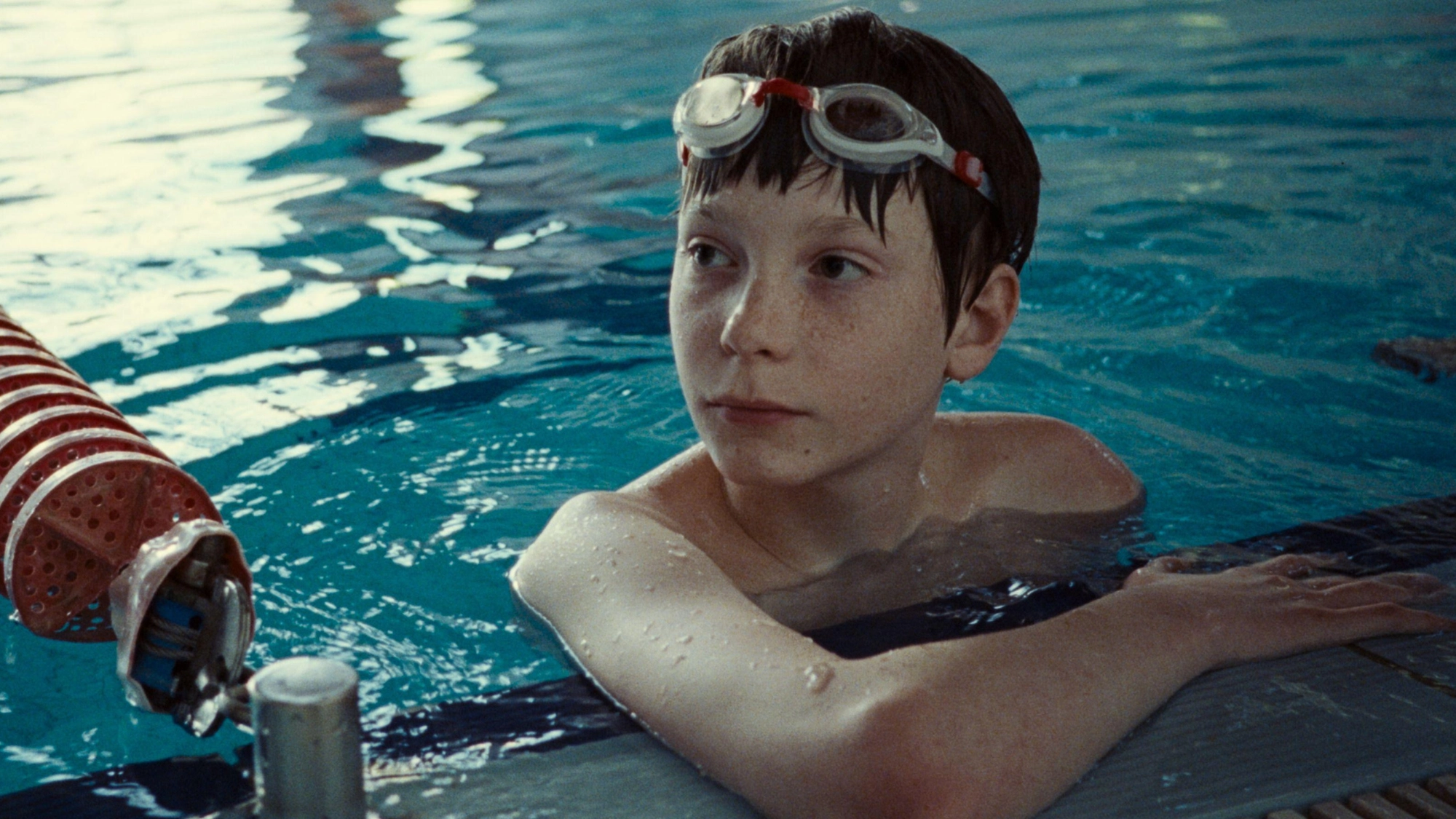
    In this “queasily stylish” drama-thriller, the swimming pools, locker rooms and dorms of a boys’ water polo camp in New England are a “puberty Petri dish livid with sinister bacteria”, said Jessica Kiang in Variety.

    It is 2003, and a sensitive 12-year-old named Ben (Everett Blunck) has arrived at the camp part-way through. He’s new to the area, and desperate to fit in with the popular boys. At first, their “deceptively cherubic” ringleader Jake (Kayo Martin) is friendly enough, mainly because he has spied a better target for his ridicule: an oddball named Eli (Kenny Rasmussen) with a nasty rash that Jake declares to be “the plague” – leading to the boy’s total ostracisation. Ben “feels for Eli’s predicament”, but lacks the social cachet to risk being seen with the outcast kid.

    Everything about the camp, with its beige corridors and scuffed canteen, is familiar and nondescript, said Alissa Wilkinson in The New York Times, but writer-director Charlie Polinger knows how to make the everyday ominous. In the first shot, we see the boys treading water, to a guttural score that is “vaguely reminiscent of the Jaws theme”. The viewer is confused: is everything normal, or is something truly sinister happening? – which is what Ben is wondering too.

    This is not a nice movie with reassuring lessons about kindness or being true to yourself; it’s darker and more feral than that, much like adolescence itself. The first hour is terrific, said Phil Hoad in The Guardian. Polinger (a graduate of such camps himself) is astute about the way boys talk; he observes Jake’s mob like a nature documentary; and the young stars excel. Sadly, the film becomes more predictable, and it never resolves the suggestion that, if not quite real, the “plague” might be psychosomatic.


    ALBUM REVIEW

    Jessie Ware: Superbloom

    The British singer’s new collection is her “third album on the trot of shimmering disco bops” – but with added swagger and an increasingly confident embrace of sensuality. “Goodbye sadgirl soul; hello getting raunchy in a sauna”, said The Independent.


    BOOK OF THE WEEK

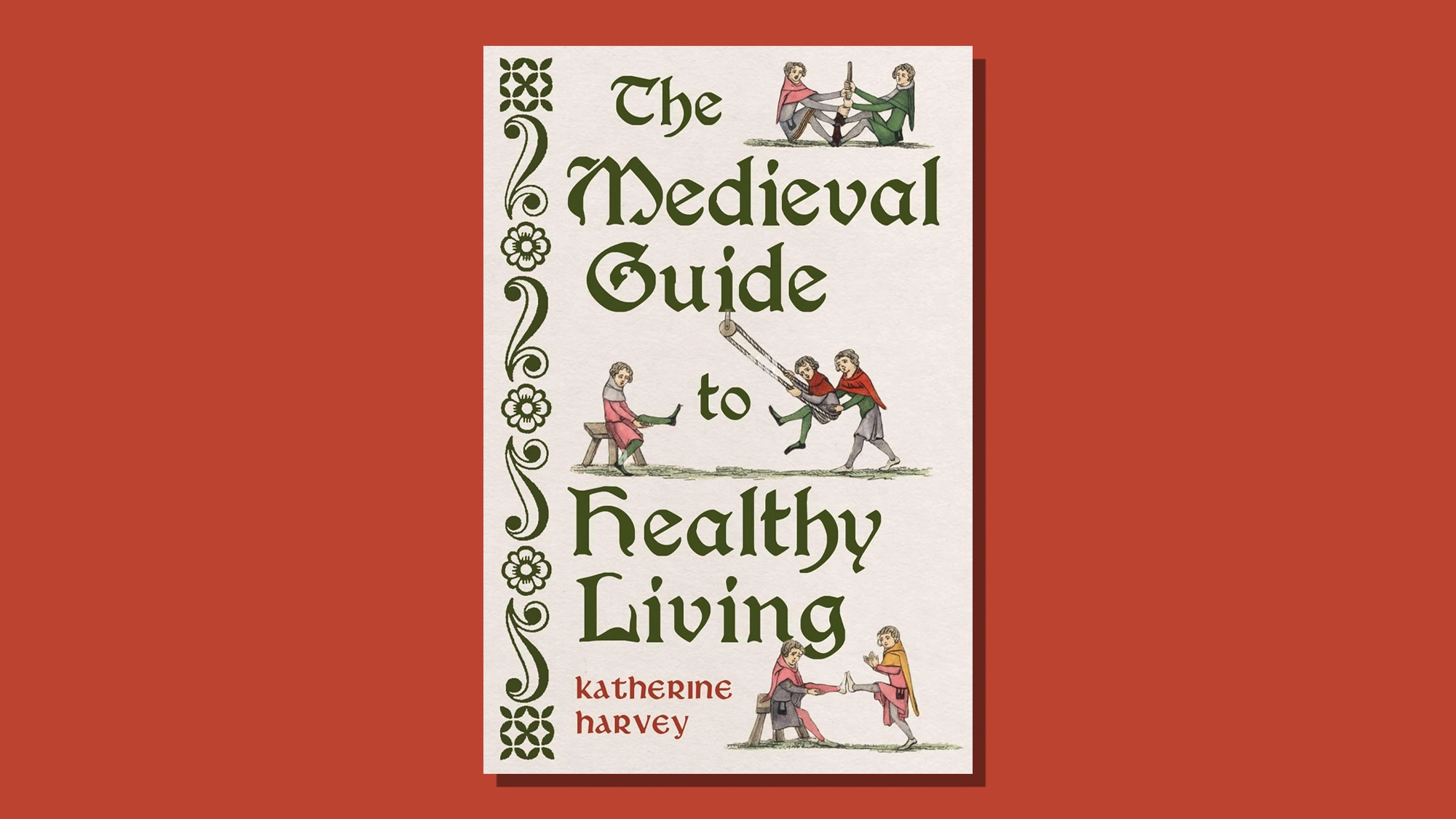
    The Medieval Guide to Healthy Living 

    by Katherine Harvey 

    We tend to think of our medieval ancestors as warty, unwashed, riddled with fleas, doomed to die young, and with little or no knowledge of medicine, or the body’s workings, said Helen Carr in The Telegraph. But in this “richly” detailed book, Katherine Harvey seeks to explain what they did, thought and knew – and it turns out that many of their concerns mirrored our own, from digestion and hair loss to mental health. Their medicine was based on the idea that the body was made up of four “humors” – blood, phlegm, black bile and yellow bile – connected to air, fire, earth and water. Good health relied on keeping them in balance, by blood-letting for example.

    Medieval physicians’ views on diet, said Gerard DeGroot in The Times, were surprisingly similar to ours; they recognised the importance of fresh air and clean water, and they perceived a connection between body and mind. During the plague in Venice in 1348, “restrictions were placed on the wearing of mourning garb because it encouraged sadness, which damaged physical health”.

    That said, some of their treatments were pretty weird. A mix of cow dung and wine was thought to cure obesity; male baldness was linked to the body drying out, so baths were prescribed. As for sex, this was believed to be good in moderation – for marital harmony, and as a form of exercise. If both parties orgasmed, all the better as this would help in the excretion of harmful superfluities.

    This is a terrific book: I’ve rarely had such fun learning about the past. Ultimately, it leads one to the conclusion that our ancestors were “a lot like us: they fretted about their health, took steps to improve it, and cared for those who suffered. In the process of examining the medieval body, we also get a glimpse at the soul.”


    OBITUARY

    Adriano Goldschmied

    The influential Italian designer behind Diesel jeans

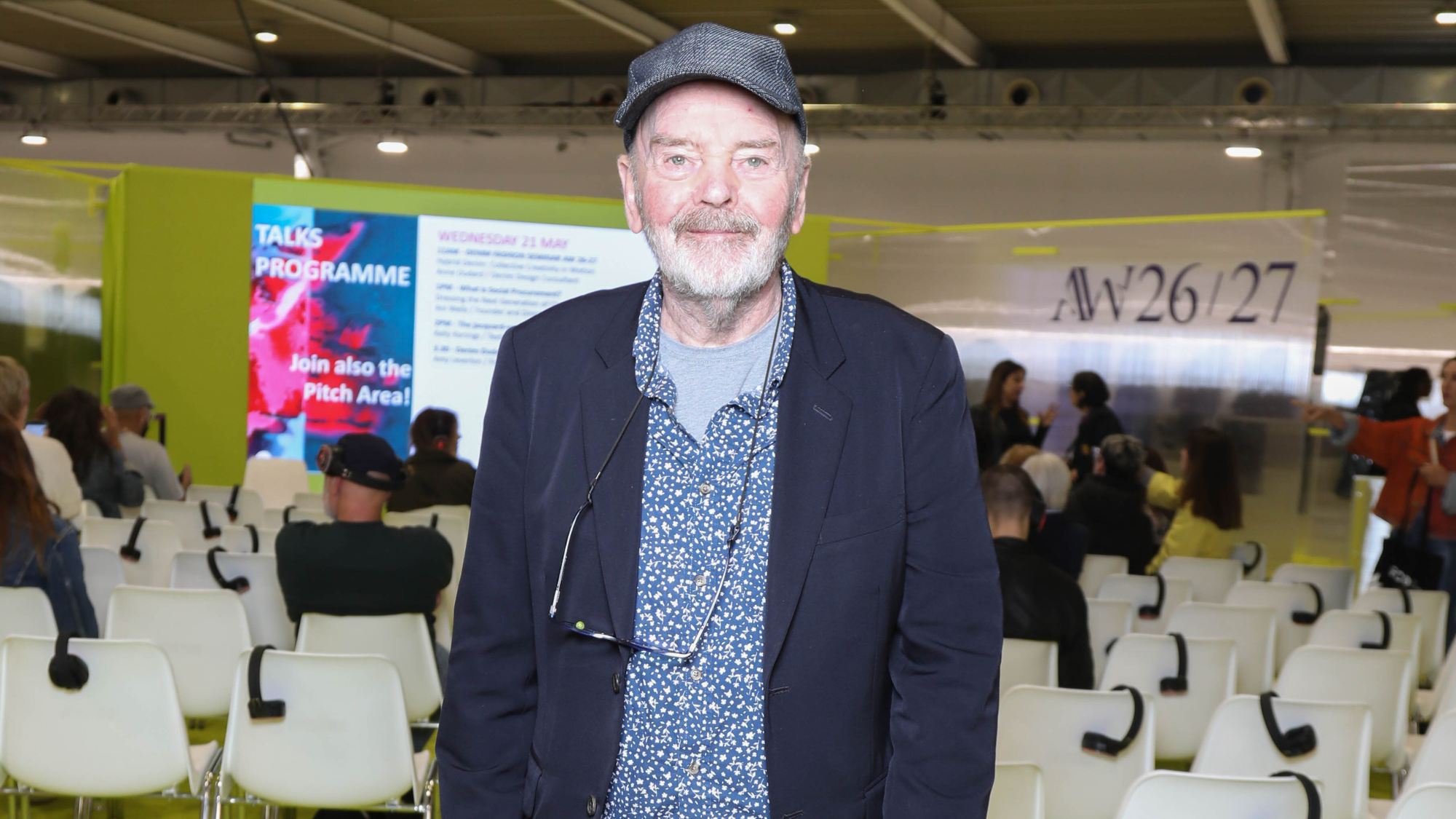
    Known as the “godfather of denim”, Adriano Goldschmied, who has died aged 82, transformed the industry by helping to turn “ordinary jeans into desirable signifiers of status”, said The Telegraph. In the 1970s, the market was dominated by the American workwear brands Lee, Levi’s and Wrangler, and a typical pair of their jeans, he said, cost $19. Goldschmied – who would go on to found Diesel – sold “designer jeans”, tailored to a more discerning market, for six times that much. He justified the price tag by citing the effort that went into their design and production. To give his jeans the lived-in or distressed look that he popularised, he tumbled them around with rocks, rubbed them down with sandpaper, cured them in an oven and blasted them with a blowtorch. He also experimented with novel fabric combinations, using synthetics to make jeans that were stretchy and clingy, and pioneered stonewashing (experimenting with bleaches in his own garden). “Denim is always open to interpretation,” he said. “Otherwise, jeans can be so boring.”

    Adriano Goldschmied was born into a Jewish family in Turin in 1943. By then, the Nazis had occupied Italy and his mother had gone into hiding. His father had joined the Italian resistance and was captured before he could see his son; he died at Auschwitz. After the War, Goldschmied was captivated by the jeans worn by American GIs stationed in the city; he bought his first pair aged 14. By the 1970s, a younger generation was in the market for new fashions, and denim was “ripe for enterprise”, said The New York Times. It wasn’t being manufactured in Italy, but Goldschmied learnt that a shipment had just landed in Naples, and snapped the rolls up. They turned out to be offcuts but, undaunted, he patched the scraps together and turned them into hot pants. A self-confessed “ski bum”, he sold his creations to the jet-setters at the Cortina d’Ampezzo – the ski resort once frequented by Brigitte Bardot. He launched his first line, Daily Blue, in 1974, then partnered with the designer Renzo Rosso to found the company that included the Diesel brand.

    In 1985, Rosso bought Goldschmied’s share in the firm for $500,000 – when annual sales amounted to about $5m, said The Times. This would become a pattern for the restless designer: he’d launch or co-launch a brand and, when it became successful, he’d walk away and start another. He was involved in more than 50 in all, including Rivet, Replay and AG Jeans. In the 1990s, people started to realise that with all the washings and rinsings, dying and bleaching, premium denim had an appalling impact on the environment. Declaring that “we have to repair our mistakes”, Goldschmied started looking at ways of making denim more sustainable, with production processes that involved fewer chemicals and recycled water. In 2014, he partnered with Chloé to produce the first 100% biodegradable jeans. A “quiet and unshowy man”, he owned only five pairs of jeans himself. None were his designs: he favoured vintage Levi’s 501s. He is survived by his wife Michela and their three daughters.




    Image credits, from top: Matt Crockett; Capital Pictures / Alamy; Reaktion Books; Benedetta Bressani /Getty
     

    Recent editions

    • Evening Review

      Trump eyes Iran nuclear deal

    • Morning Report

      A US soldier’s alleged bad bet

    • Evening Review

      What Orbán’s loss means for Ukraine

    VIEW ALL
    TheWeek
    • About Us
    • Contact Future's experts
    • Terms and Conditions
    • Privacy Policy
    • Cookie Policy
    • Advertise With Us
    • FAQ
    Add as a preferred source on Google Add as a preferred source on Google

    The Week is part of Future US Inc, an international media group and leading digital publisher. Visit our corporate site.

    © Future US, Inc. Full 7th Floor, 130 West 42nd Street, New York, NY 10036.