The Week The Week
flag of US
US
flag of UK
UK
https://cdn.mos.cms.futurecdn.net/flexiimages/jacafc5zvs1692883516.jpg

SUBSCRIBE & SAVE

Less than $3 per week

Sign in
  • View Profile
  • Sign out
  • The Explainer
  • The Week Recommends
  • Newsletters
  • Cartoons
  • From the Magazine
  • The Week Junior
  • Student Offers
  • More
    • Politics
    • World News
    • Business
    • Health
    • Science
    • Food & Drink
    • Travel
    • Culture
    • History
    • Personal Finance
    • Puzzles
    • Photos
    • The Blend
    • All Categories
  • Newsletter sign up Newsletter
  • The Week Evening Review
    Trump vs. Obama on Iran, the MS-13 mass trial, and Apple’s next chief executive

     
    TODAY’S BIG QUESTION

    Can Trump do better than Obama’s Iran nuclear deal?

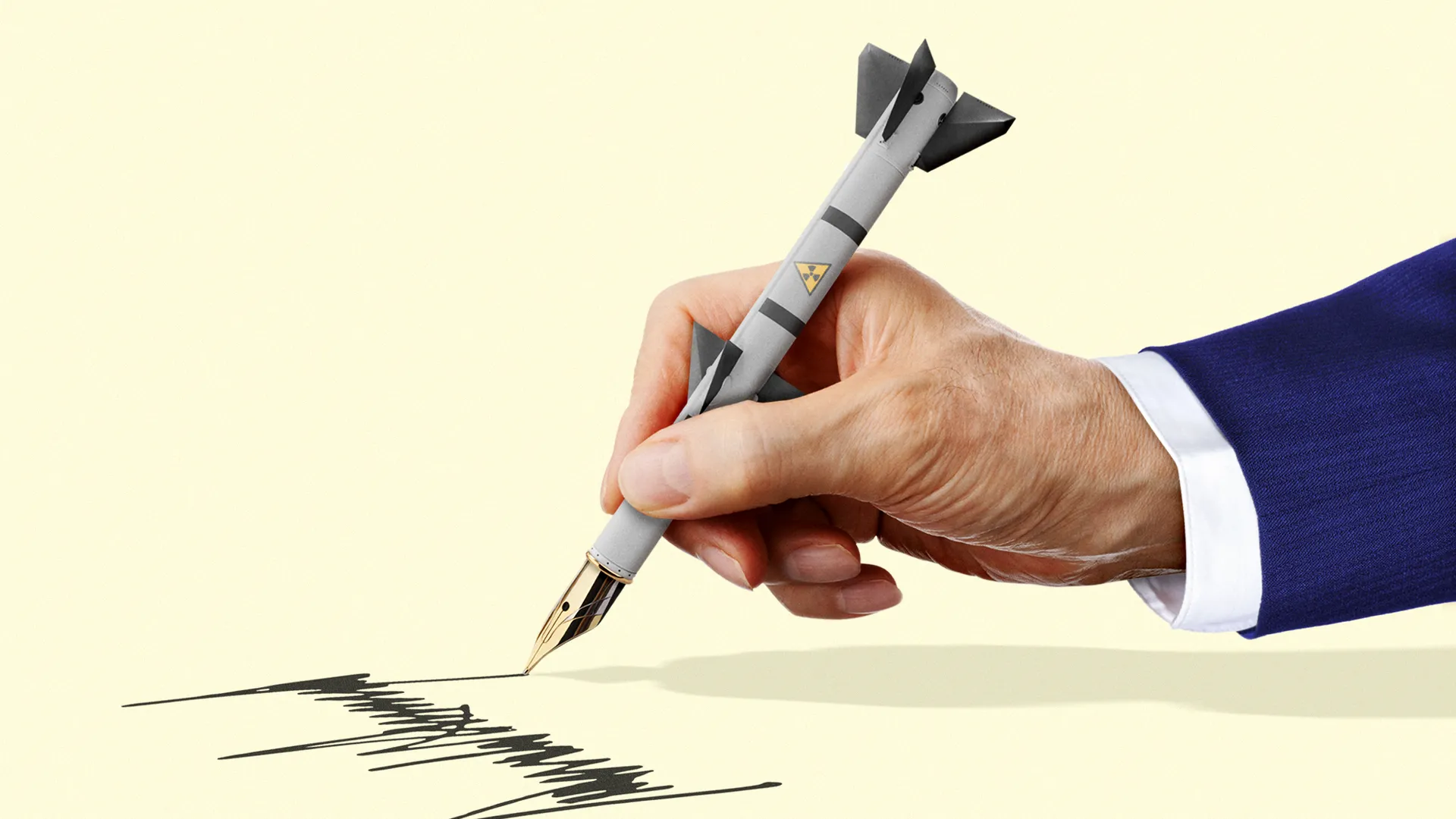
    President Donald Trump’s desire to outdo and undo the achievements of former President Barack Obama is well-documented. Trump in 2018 tore up the 2015 agreement by his predecessor to limit Iran’s ability to develop its own nuclear weapons. And now, Trump faces a challenge of getting a better deal as he tries to wind down a costly war.

    The president is “adamant” that he can exceed Obama in Iran, said The Hill. But foreign policy experts warn that getting a satisfactory deal will be “easier said than done,” said The Hill. 

    The “dizzyingly complicated” Obama agreement took two years to negotiate and involved experts “poring over the details of nuclear technology, sanctions and international banking,” said the outlet. The U.S. decision to abandon that agreement and go to war may have convinced Tehran that a nuclear weapon would be the “best deterrent they can pursue,” said Allison McManus, of the Center for American Progress, to the outlet.

    The earlier agreement “capped Iran’s uranium enrichment for 15 years,” said CNN. Trump is now demanding a 20-year pause, while Iran wants limits for just five years. But Tehran is negotiating with new leverage. Its closure of the Strait of Hormuz is a “weapon that’s far more usable than nuclear weapons,” said Fareed Zakaria at CNN.

    What did the commentators say?
    Trump has sold himself as the “ultimate dealmaker,” but that image is in conflict with his “love of unilateral power,” said Bill Scher at Washington Monthly. A good negotiator has “patience, creativity and flexibility,” but the president prefers “impatiently breaking laws and norms.” Trump launched the war with Iran amid weeks of negotiations, which have left the regime’s leaders leery of reengaging. 

    One big difference between the 2015 agreement and any deal the U.S. makes now is that Iran’s nuclear program is “largely in rubble,” said Eli Lake at The Free Press. The country’s ability to quickly develop a weapon has been “taken away.” 

    What next?
    If a deal is reached, Trump will be asked to demonstrate that his war provided a superior outcome than what prewar negotiations in Geneva were set to deliver. Otherwise, the president will have “inflicted massive damage on the world economy” unnecessarily, said The Guardian. 


    QUOTE OF THE DAY

    ‘You think it’s a coincidence? Netanyahu keeps visiting the White House, and then eventually they decide to give in and start bombing.’

    Joe Rogan on his eponymous podcast about his belief that Israeli Prime Minister Benjamin Netanyahu pushed the U.S. to launch a large-scale attack on Iran in February. “I think because of Israel, if I had to guess,” he added.


    the explainer

    MS-13 and mass trials in Bukele’s El Salvador

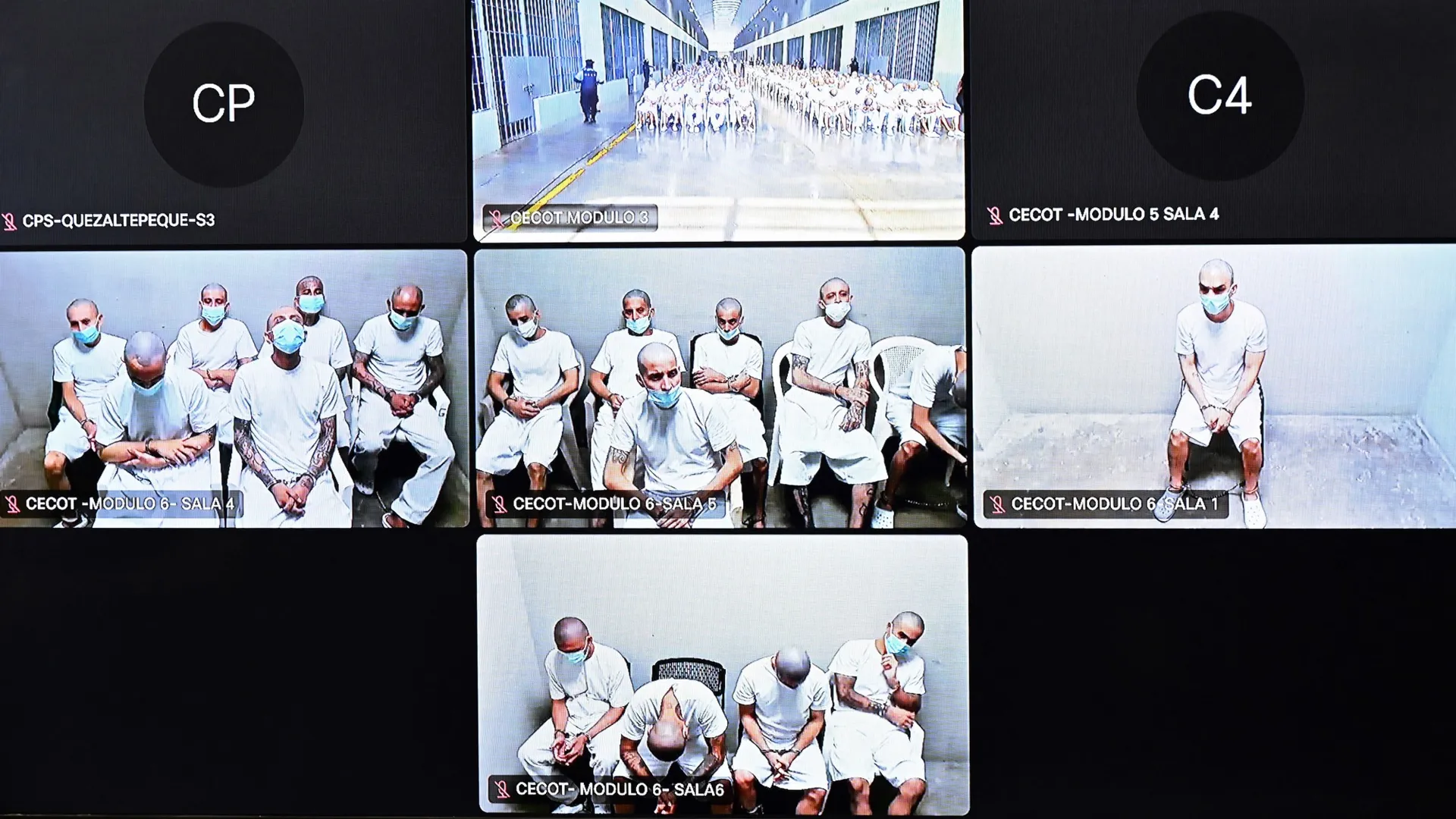
    Prosecutors in El Salvador have opened a mass trial of 486 alleged members of the infamous MS-13 gang. And they collectively face charges of 47,000 crimes, ranging from homicide to extortion and arms trafficking. 

    These mass trials are a feature of President Nayib Bukele’s “iron-fist approach” to fighting organized crime, said The Associated Press. But they “undermine the exercise of the right to defense and the presumption of innocence of detainees,” according to U.N. experts. 

    What’s the history of MS-13? 
    MS-13 was formed in the 1980s on the “street corners of Los Angeles” by Salvadoran immigrants who fled civil war, said Sky News. It only spread to Central America as members were deported from the U.S. 

    At one stage, MS-13 and its rival gang, Barrio 18, controlled up to 80% of Salvadoran territory through “extortion, drug dealing, contract killings and arms trafficking,” said The Times. Bukele’s government estimates that “over three decades” the gangs have killed around 200,000 people, including many listed as disappeared. 

    What’s the reaction to the crackdown? 
    Bukele’s stance on criminal gangs has caused murder rates to plummet and “made him the most popular elected head of state in the world,” said the Times. But it has also “drawn sharp criticism from human rights organizations.” 

    Nearly 2% of El Salvador’s population is incarcerated — one of the highest rates globally, according to estimates from Human Rights Watch. More than 500 people have died in state custody since Bukele’s election, and there have been reports of torture, said Agence France-Presse. 

    What’s next? 
    The vast majority of defendants are being held at the Terrorism Confinement Center (Cecot) in Tecoluca and will watch the trial proceedings on a screen. A maximum-security prison built by Bukele in 2023, Cecot has become a “symbol of his controversial security policies,” said the AP. 

    Seventy-three defendants remain at large and will be tried in absentia. Given the limited evidence specific to individuals, mass trials risk the conviction of innocent people. Many of the defendants have been held in custody for years and face blanket rulings from unknown judges.


    Statistic of the day

    40%: The number of U.S. data centers at risk of falling behind schedule, including major projects by Microsoft and OpenAI, according to data shared from the satellite and AI analytics group SynMax. The delays “threaten to slow the rollout of artificial intelligence by the world’s biggest tech companies,” said the Financial Times.


    in the spotlight

    John Ternus: Apple’s next CEO to lead its AI future

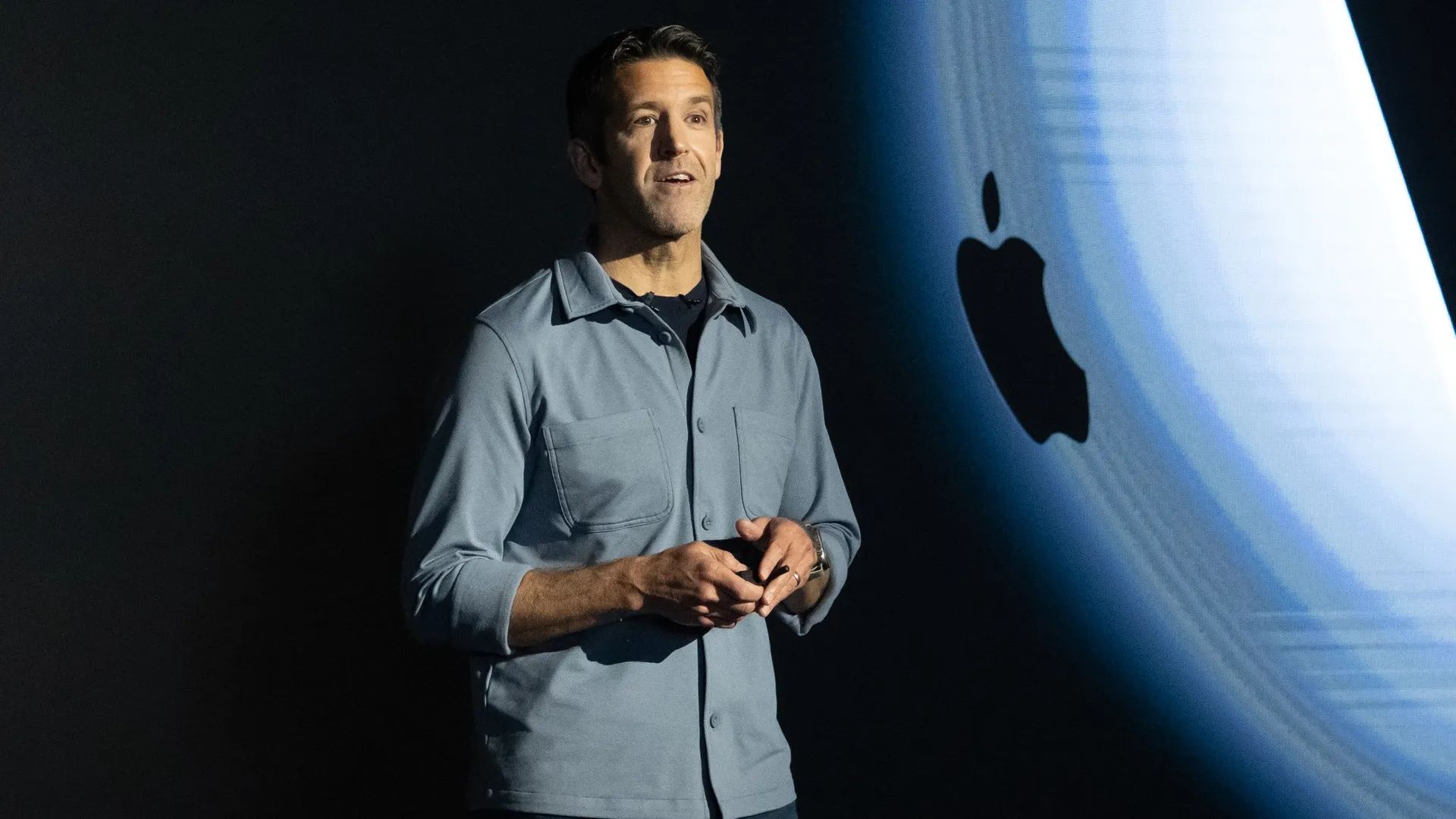
    Apple founder Steve Jobs created the iPhone and cultivated a reputation for innovation, then his successor, Tim Cook, turned the company into a colossus of profit. So what will the next CEO, John Ternus, do to build on their legacies?

    Ternus “knows Apple at its core” after a quarter-century at the company, said CNN. As a senior executive since 2021, Ternus “led the hardware engineering behind Apple’s most recognizable products,” like the iPhone and iPad, and was “essential” in developing the new midprice MacBook Neo.

    ‘Apple lifer’
    He’s a “safe choice in a dangerous moment” for Apple, said Semafor. Cook replaced Jobs when Apple was at the “height of its influence” and built it into the first company with a $1 million market cap. The company is “still a financial juggernaut,” though it does not command its former cultural cachet. 

    Ternus is an “Apple lifer” unlikely to take Apple in a “radical new direction” that would “squander its lucrative business,” said Semafor. But his ascension comes as AI transforms the “entire concept of computing and technology.”

    The “defining challenge” for Ternus is “fixing the company’s AI strategy,” said CNBC. Apple has so far avoided “hefty capital expenditures” on AI data centers and “punted” on its own AI model. 

    Instead, Apple has bet that consumers will use its iPhones and other products to run AI. Choosing Ternus as CEO signals the company’s belief that the “future of AI will run through tightly integrated devices, not just software,” said Timothy Hubbard, an assistant professor of management and organization at the University of Notre Dame, to CNBC.

    Apple faces an “existential challenge” figuring out “what comes after the iPhone,” said Axios. Cook “executed masterfully” to maximize iPhone’s success but “largely sputtered” with new products like the Vision Pro and a failed attempt at building autonomous cars. So a new leadership era opens with Apple “chasing its next hit” product. Ternus “must prove” it can “still innovate.”

    ‘Physical things’ in the face of AI
    Apple has put the “hardware guy in charge” and is betting on itself as a “maker of first-rate physical things” in an AI-dominated world, said The Wall Street Journal. That means navigating “complex geopolitics threatening Apple’s supply chain” and countless “regulatory battles around the world.” 


    Good day 🦻

    … for curing deafness. The FDA has approved the first gene therapy to restore hearing in people born with a rare form of genetic deafness. The decision is “hailed as a milestone in the quest to treat hearing loss,” said NPR. ​​Regeneron Pharmaceuticals, which developed the therapy, plans to offer it for free in the U.S.


    Bad day ⛰️

    … for scaling mountains. A huge block of glacier is blocking the path to Mount Everest, putting peak climbing season at risk amid “fears of dangerous queues,” said The Independent. The specialist Sherpas responsible for fixing ropes and ladders on the lower section of the route spent days searching for a way around it and found none.


    Picture of the day

    Another reno

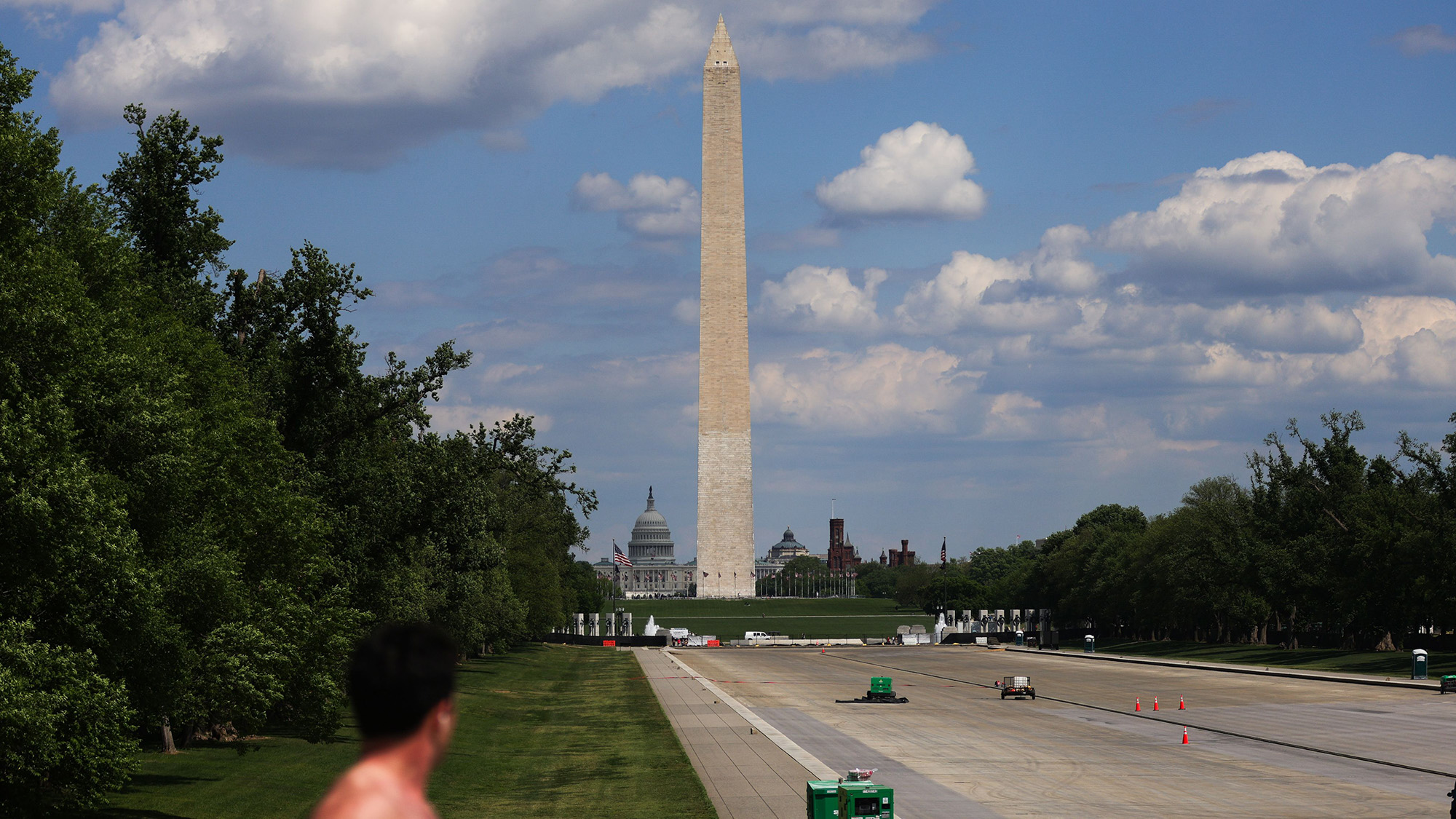
    A runner passes the now-drained Lincoln Memorial Reflecting Pool on the National Mall in Washington, D.C. Trump began renovating the 2,000-foot-long pool two weeks ago and said yesterday that he will be using a “contractor he knows from his years in real estate,” said The New York Times. 
    Bryan Dozier / NurPhoto / Shutterstock


    Puzzles

    Daily sudoku

    Challenge yourself with The Week’s daily sudoku, part of our puzzles section, which also includes guess the number

    Play here


    The Week recommends

    The best biopic television series of all time

    Most people live lives whose day-to-day events aren’t exactly gripping and whose trajectories are difficult to squeeze into the structures and strictures of serialized TV. So what these standout biographical series accomplish is even more impressive. They take sometimes mundane or contradictory raw material and turn it into art that entertains and informs.

    ‘John Adams’ (2008)
    The show’s scope is epic, beginning with Adams’ legal career in prerevolutionary Boston. The series’ greatness is due to its status as one of the “few depictions of the American revolution that treats the founding fathers as people, whose particular hang-ups and fractious personalities informed the republic they were building,” said Vince Mancini at GQ. (HBO Max)

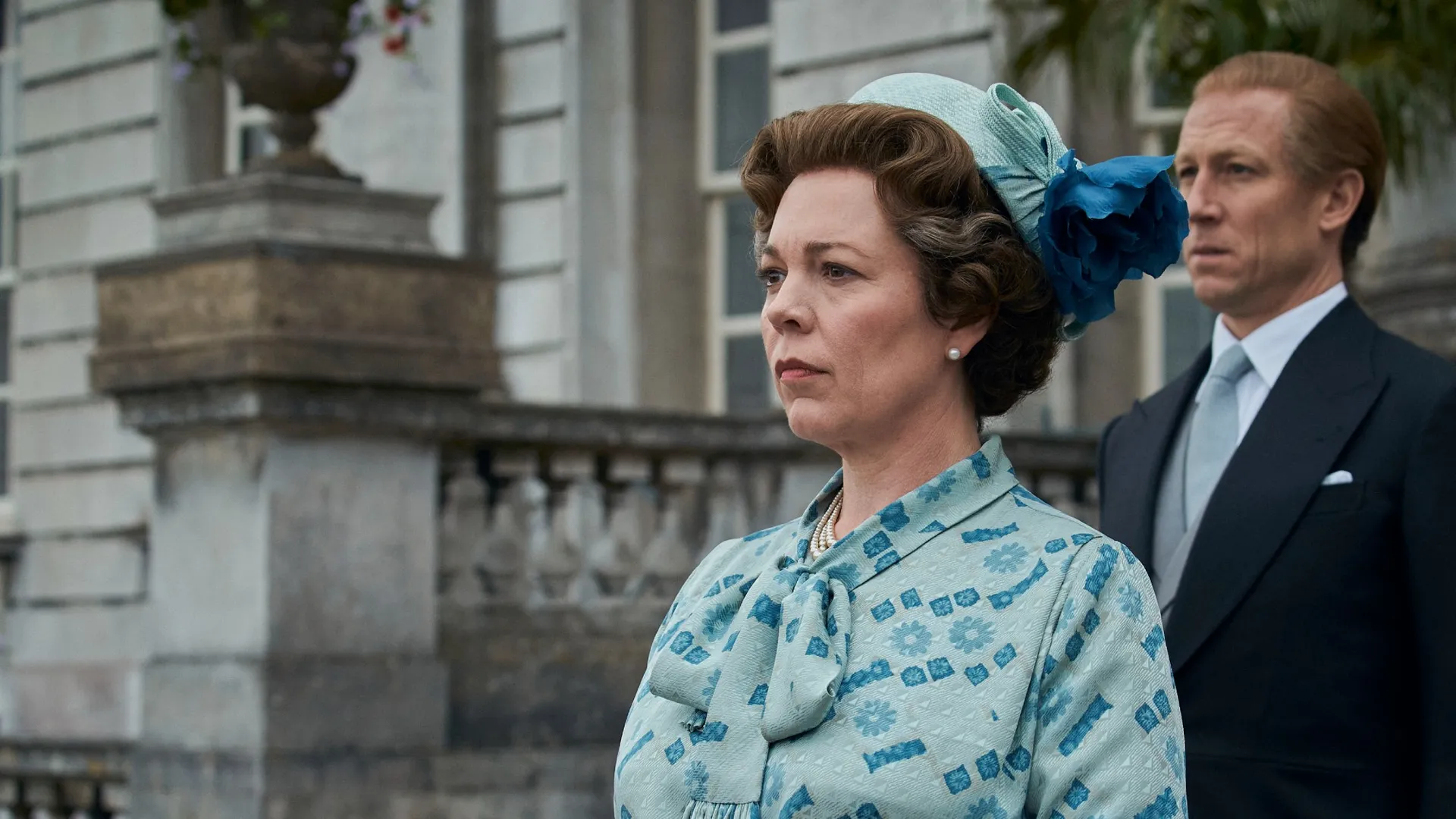
    ‘The Crown’ (2016-23)
    As ambitious as anything Netflix has attempted, creator Peter Morgan’s ‘The Crown’ is a sprawling look at the life and times of the U.K.’s Queen Elizabeth II. Over the course of six lavishly produced seasons, she’s played by three different and phenomenal actresses: Claire Foy, Olivia Colman (pictured above) and Imelda Staunton. (Netflix)

    ‘Mussolini: Son of the Century’ (2025)
    Its current home on niche arthouse streamer Mubi limits its reach, but director Joe Wright (“Darkest Hour”) delivers an important and resonant series with this biography of Italian dictator Benito Mussolini (Luca Marinelli). The series, said Craig Mathieson at The Age, can be “overwhelming, even hinting at a rapturous trance state” in the way it shows us how war-traumatized Italy fell for such a madman. (Mubi)

    Read more


    Poll watch

    A majority of people (70%) from 16 countries believe at least one of six divisive health claims about food, vaccines and medicine, according to a survey of 16,000 respondents from the Edelman Trust Barometer. These claims include that raw milk is healthier than pasteurized milk and that the use of acetaminophen during pregnancy causes autism. 


    INSTANT OPINION

    Today’s best commentary

    ‘A “barbaric” problem in American hospitals is only getting bigger’
    Elisabeth Rosenthal at The Atlantic
    If you “need admission to the hospital, you can remain in the emergency department — in the hallway or a curtained bay on a hard stretcher or in a makeshift holding area — for more than 24 hours,” says Elisabeth Rosenthal. In this “limbo state,“ the “rules governing acceptable care and safety measures become much less clear.” If an emergency department boarder has a “medical complaint that needs quick attention, it’s easy for them to fall through the cracks.”

    ‘I’m one of Cuba’s political prisoners. When will I go free?’
    Luis Manuel Otero Alcántara at The New York Times
    Amid “mounting U.S. pressure,” the Cuban government announced that it was “releasing over 2,000 prisoners in what the Cuban Embassy in Washington called a humanitarian and sovereign gesture,” says Luis Manuel Otero Alcántara. But amnesty “would not extend to those who had committed ‘crimes against authority,’ a term generally applied to political dissidents.” Cuba’s government has “denied holding political prisoners” but is “still scared of people like me, who have not been afraid to challenge the state’s authority.”

    ‘Texas is to blame for nation’s redistricting disaster’
    The Dallas Morning News editorial board
    The redistricting “power grab” that Trump launched in Texas has “ended in a stalemate for the parties and a huge loss for our nation,” says The Dallas Morning News editorial board. After “10 months of out-of-cycle, coast-to-coast congressional redistricting, Democrats and Republicans control about the same number of seats as they did before the mess began,” but “democracy and good government, meanwhile, are in negative territory.” This has “squandered public resources by requiring frivolous elections.”


    WORD OF THE DAY

    distillation

    A technique used to transfer knowledge from a large AI model to a smaller, cheaper one. Distillation is widely used for training, but American companies claim it has been unfairly used to mimic their models’ capabilities. Anthropic has “identified industrial-scale campaigns” by the Chinese startup DeepSeek to “illicitly extract Claude’s capabilities to improve their own models,” said the company. 


    Evening Review was written and edited by Will Barker, Theara Coleman, Nadia Croes, David Faris, Scott Hocker, Anya Jaremko-Greenwold, Justin Klawans and Joel Mathis, with illustrations by Stephen Kelly.

    Image credits, from top: Illustration by Stephen P. Kelly / Getty Images / Shutterstock; Marvin Recinos / AFP via Getty Images; Adam Gray / Bloomberg / Getty Images; Liam Daniel / Netflix
     

    Recent editions

    • Morning Report

      A US soldier’s alleged bad bet

    • Evening Review

      What Orbán’s loss means for Ukraine

    • Morning Report

      Navy secretary out in Hegseth purge

    VIEW ALL
    TheWeek
    • About Us
    • Contact Future's experts
    • Terms and Conditions
    • Privacy Policy
    • Cookie Policy
    • Advertise With Us
    • FAQ
    Add as a preferred source on Google Add as a preferred source on Google

    The Week is part of Future US Inc, an international media group and leading digital publisher. Visit our corporate site.

    © Future US, Inc. Full 7th Floor, 130 West 42nd Street, New York, NY 10036.