John Ternus: Apple’s next CEO to lead its AI future
He will build on the legacies of Steve Jobs and Tim Cook

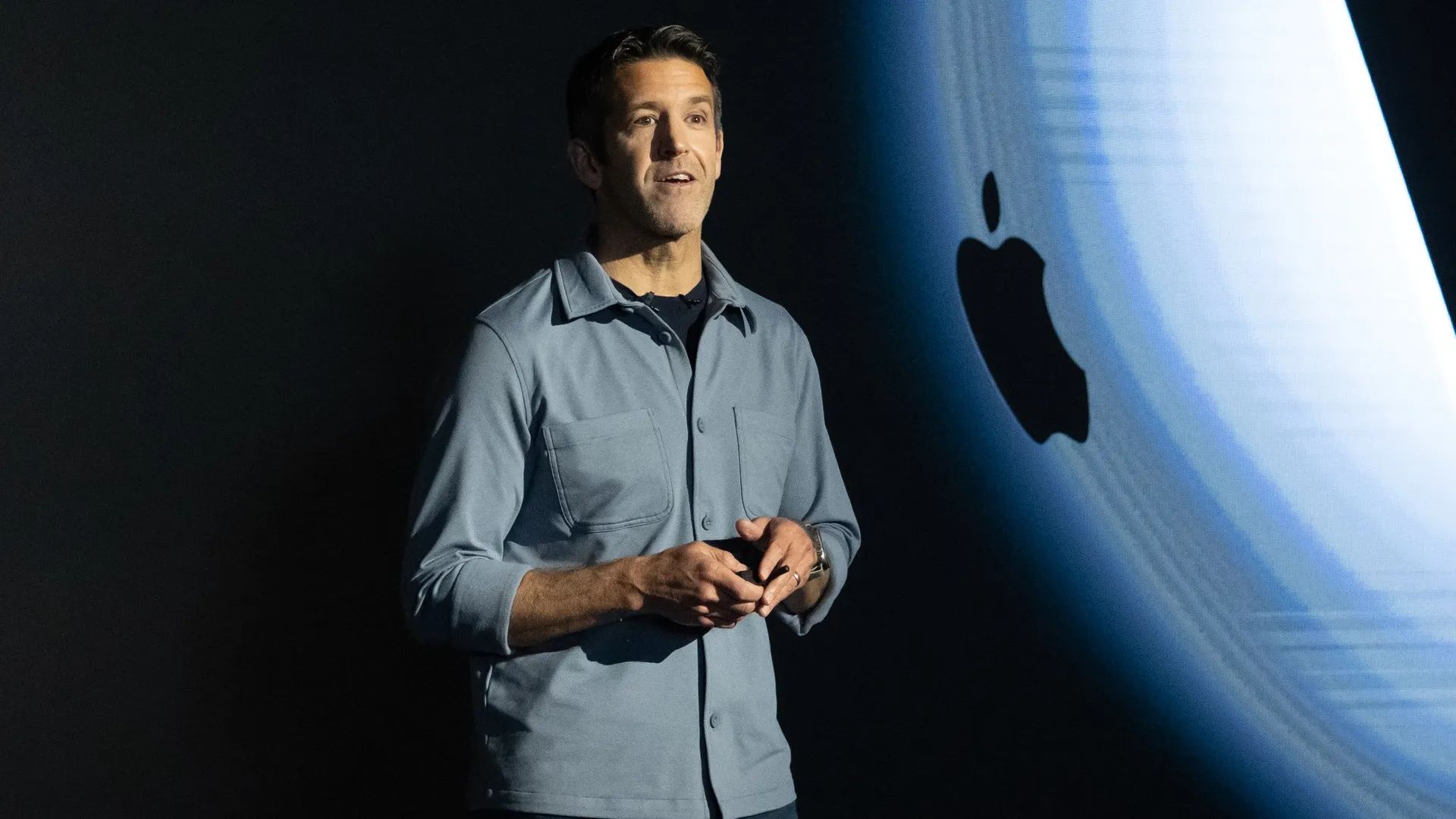
Apple founder Steve Jobs created the iPhone and cultivated a rockstar reputation for innovation. His successor, Tim Cook, turned the company into a globe-spanning colossus of profit. What will the next CEO, John Ternus, do to build on their legacies?
The 51-year-old Ternus “knows Apple at its core” after a quarter-century at the company, said CNN. As a senior executive since 2021, Ternus “led the hardware engineering behind Apple’s most recognizable products” like the iPhone and iPad and was “essential” in developing the new mid-price MacBook Neo.
The Week
Escape your echo chamber. Get the facts behind the news, plus analysis from multiple perspectives.

Sign up for The Week's Free Newsletters
Join more than 350,000 subscribers and keep yourself informed with a selection of The Week’s most interesting, enlightening and entertaining stories - plus daily puzzles.
Join more than 350,000 subscribers and keep yourself informed with a selection of The Week’s most interesting, enlightening and entertaining stories - plus daily puzzles.
An ‘Apple lifer’
Making ‘first-rate physical things’

-
-
 talking pointsAfter Pike disaster, is it time to rethink death penalty?
 -
 QUOTE OF THE DAY‘What it actually means in the American context is you want to replace American workers with foreign workers and you want boys to play in girls’ sports.’
 -
 the explainerJustice Dept. launches largest-ever effort to strip citizenship
-
-
-
talking pointsAfter Pike disaster, is it time to rethink death penalty?
-
QUOTE OF THE DAY‘What it actually means in the American context is you want to replace American workers with foreign workers and you want boys to play in girls’ sports.’
-
the explainerJustice Dept. launches largest-ever effort to strip citizenship
-